








Was this page helpful?

| Opening hours: |
|
|---|
| Power Grid: |
230 V, 50 Hz Plug: Type C , Type F
Type C:
  Read about power adapters |
|---|---|
| Currency: |
Indonesian Rupiah (IDR) £1 ≈ IDR 24,141.20 |
| Cashless info: |
Rating 4/5
Cashless payments are becoming more common in urban areas of Indonesia, particularly in larger cities. Credit cards and mobile payment apps like GoPay and OVO are widely accepted in many establishments.
Save with a travel credit card |
| eSIM providers: |
Best value: Saily Flexibility: Airalo Read our in-depth comparison |
| Tipping: | Tipping is appreciated but not mandatory in Indonesia. A 5-10% tip is common in restaurants, and taxi drivers may expect small tips for good service. |
|---|---|
| Public drinking: | Public drinking is not commonly seen in Indonesia. Alcohol is consumed mainly in licensed establishments such as bars, restaurants, and hotels. |
| Public smoking: | Smoking is prohibited in many indoor public spaces, including restaurants, shopping centres, and public transport. |
| Independence Day (17 August) |
A national holiday with celebrations and ceremonies |
|---|---|
| Nyepi (March/April) |
The Balinese Day of Silence, celebrated with unique rituals and festivities |
| Emergency contact: | Emergency Number: 112 |
|---|---|
| Taxi apps: | GoJek, Grab |
| Other: | Indonesia is known for its stunning natural landscapes, including beaches, volcanoes, and jungles. It is a great destination for nature lovers and adventure seekers. |
The best times to travel section shows how the months compare for a visit, so you can find the time of year that fits what you want to do.
Background colours of the months:
The colour shows the typical temperature: yellow (hot), green (mild) and blue (cold). How strong the colour is shows the travel season: full colour means high season, soft colour means shoulder season and soft-striped means off season.
Weather symbols:
Each month has one symbol showing what the weather is typically like, such as hot and sunny, freezing or a rainy or snowy season. Use them to quickly spot months that match the weather you want, or to avoid the ones that don't.
Crowdedness:
The people icon shows how busy the place usually is. The more people, the more crowded it gets.
Additional notes:
The grey info boxes point out special things worth knowing, like recurring weather issues or seasonal events.
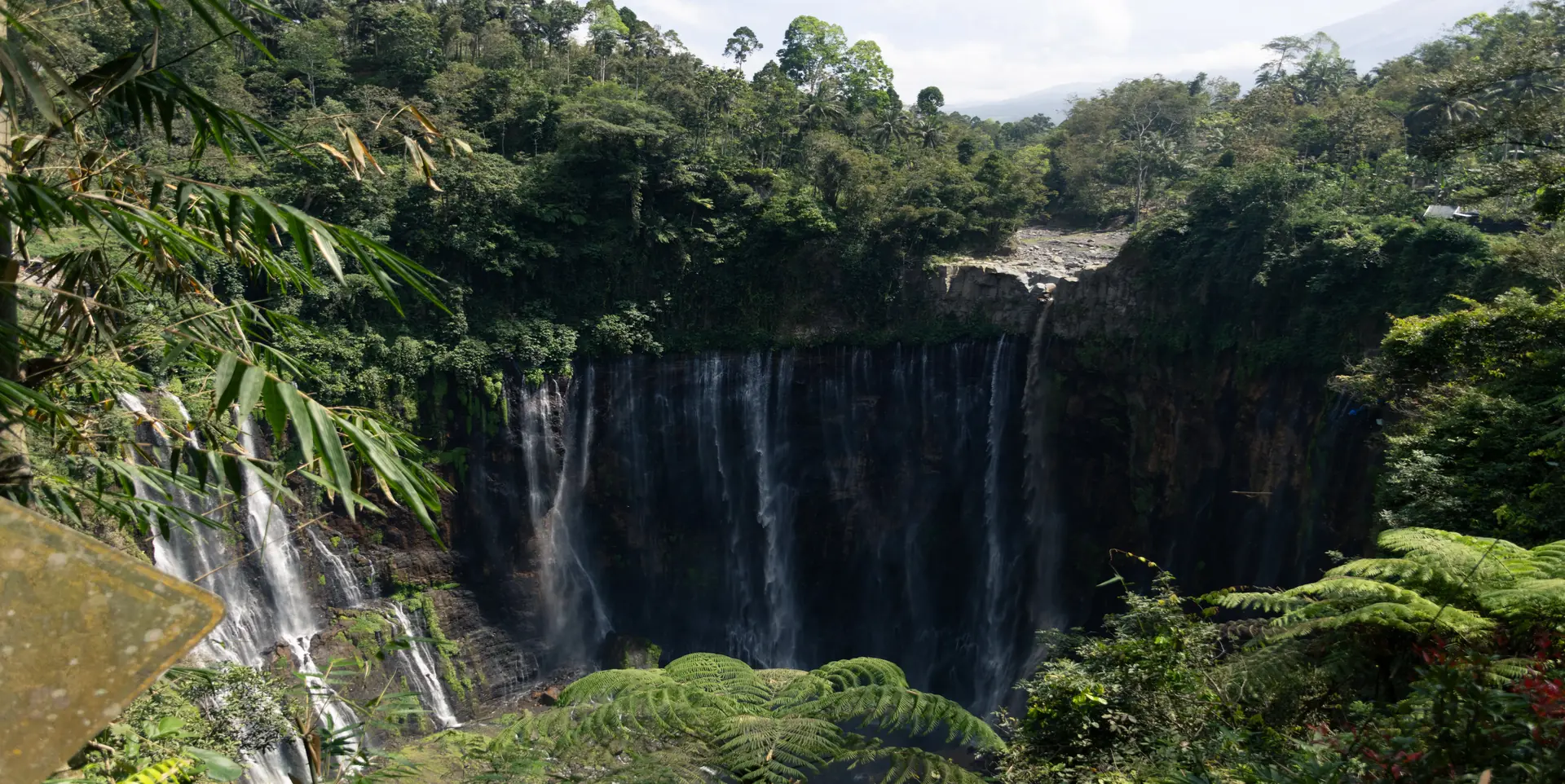
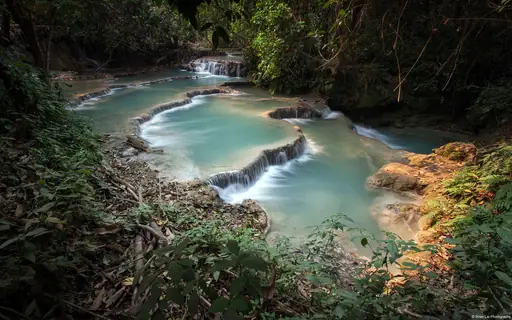
Tumpak Sewu is a remarkable waterfall located on Java Island in Indonesia. The site features a series of cascading drops surrounded by lush green hills and dense forest. Visitors often notice the powerful sound of water crashing against rocks creating a natural rhythm that dominates the area. The path leading to the falls passes through small villages where locals share stories about the land’s cultural significance.
The journey to Tumpak Sewu requires walking along well-marked trails that wind through rice fields and bamboo groves. Many travelers choose to go early in the morning when mist rises from the valley making the scenery appear softer. The air carries a fresh scent mixed with earthy tones after recent rain. Along the way small bridges cross shallow streams allowing safe passage while offering glimpses of fish swimming below.
At the base of the falls visitors can feel the cool spray on their skin and hear water splashing against stone steps formed by nature over time. The surrounding vegetation supports a variety of birds whose calls echo through the valley. Some people set up small picnic spots near the rocks to enjoy meals while listening to the constant flow. Photographers find many angles useful for capturing reflections in pools where sunlight filters through leaves.
Local guides recommend wearing sturdy shoes and bringing water because humidity can be high even on sunny days. The area remains relatively untouched which helps preserve its natural beauty. Travelers often leave with a sense of calm after spending time near the moving water. Nearby communities rely partly on tourism so respectful behavior supports ongoing conservation efforts.
Tumpak Sewu waterfall, located in East Java, Indonesia, is accessible via a network of roads leading to the village of Tumpak. From Surabaya, the nearest major city, travelers can drive approximately 150 kilometers eastward along the Jawa Timur Highway (Jalan Raya Jawa Timur) toward Malang and then take a local road south toward the village of Tumpak. The final stretch to the waterfall involves a short drive on unpaved roads or a trek through nearby fields, depending on seasonal conditions. Public transportation options include private cars, motorbikes or guided tours departing from Surabaya or Malang. Visitors should confirm local access routes with residents or tour operators due to possible variations in road conditions and signage.
Tumpak Sewu’s surrounding area offers a mix of budget homestays and mid‑range boutique lodges that cater to eco‑tourists and adventure seekers alike. Most accommodations are built from local timber or bamboo, providing rustic charm while maintaining basic comforts such as air‑conditioning, Wi‑Fi and private bathrooms. Prices typically range from IDR 200,000 (£8.31) to IDR 500,000 (£20.78) per night for a double room, with some homestays offering daily rates that include breakfast and guided treks. The region is renowned for its “green” lodging concept – many establishments use solar panels, rainwater harvesting and organic kitchen gardens. For travelers desiring more privacy, small guesthouses on the outskirts of the village offer secluded rooms overlooking rice terraces or forested hillsides.
Log in to add this place to a travel list and get a summary of all recommended items for your whole trip.
We calculate the average costs when travelling to destinations and compare those with the living costs at your home. With this you can get an estimate of how expensive or cheap the destination is for you.
To customise this, you can set up which location and price level are used for the calculations in your account settings.
The exchange rate price factor shows how expensive or cheap a currency currently is compared to its historical average. It's a quick way to see if a country is currently more or less affordable due to exchange rate changes.
