






Was this page helpful?

The best times to travel section shows how the months compare for a visit, so you can find the time of year that fits what you want to do.
Background colours of the months:
The colour shows the typical temperature: yellow (hot), green (mild) and blue (cold). How strong the colour is shows the travel season: full colour means high season, soft colour means shoulder season and soft-striped means off season.
Weather symbols:
Each month has one symbol showing what the weather is typically like, such as hot and sunny, freezing or a rainy or snowy season. Use them to quickly spot months that match the weather you want, or to avoid the ones that don't.
Crowdedness:
The people icon shows how busy the place usually is. The more people, the more crowded it gets.
Additional notes:
The grey info boxes point out special things worth knowing, like recurring weather issues or seasonal events.
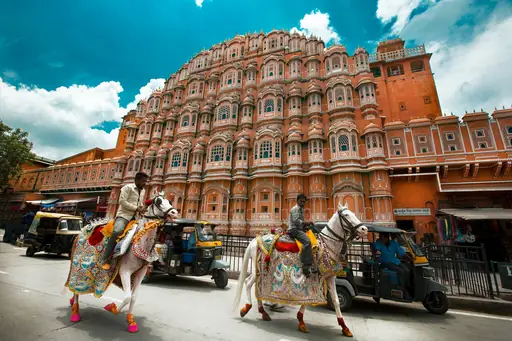
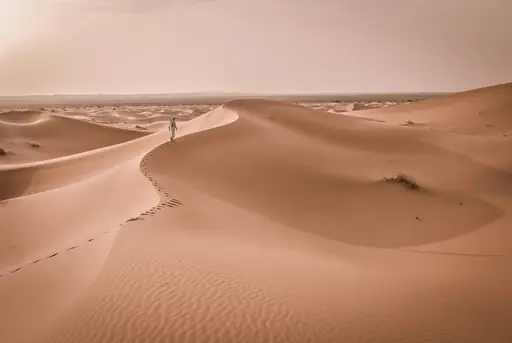
Rajasthan’s Thar Desert spans across northwest India offering vast open skies and rolling sand dunes that shift with the wind. The landscape feels both harsh and gentle where sunrise paints golden hues over dry earth. Travelers encounter small villages where life continues around simple homes built from local materials. Even in this arid environment people find ways to grow crops using ancient water harvesting methods.
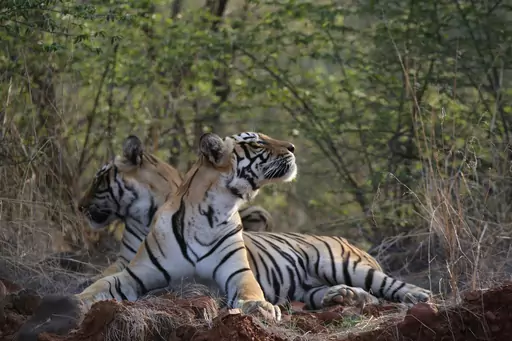
The region is home to unique wildlife adapted to survive with little moisture. Desert foxes roam at night while birds like the great Indian bustard soar above open plains. Camel caravans once carried salt and textiles across these lands now popular for guided tours that let visitors experience traditional transport. Many travelers enjoy watching sunset colors spread over dunes creating calm moments in an otherwise striking setting.
Cultural heritage remains strong here with colorful festivals, folk music and intricate handicrafts. Local markets sell handmade rugs pottery and silver jewelry reflecting centuries of skill passed down through generations. Visitors can join cooking classes to learn how simple ingredients become flavorful meals using local spices. The warmth of Rajasthani hospitality often leaves a lasting impression on travelers.
Travel tips include carrying water wearing protective clothing and planning visits during cooler months. Roads through the desert connect major towns like Jaisalmer and Bikaner making it easy to explore multiple sites in one trip. Guides familiar with hidden trails can lead to quiet spots where stars appear brightly after sunset. Whether seeking adventure or calm each visitor finds something meaningful in this timeless landscape.
The Thar Desert in Rajasthan, India, is accessible primarily by road from major cities like Jodhpur and Jaipur. The nearest railhead is Jodhpur Railway Station, approximately 250 km away, with regular trains connecting to other parts of the country. Buses operated by state and private operators run frequently between Jaipur and Jodhpur, offering a direct route into the desert region. From Jodhpur, local transport such as jeeps or camels is used for navigating the dunes. The nearest airport is in Jodhpur (about 135 km), with limited domestic flights available. Travel within the desert typically involves hiring vehicles locally to accommodate terrain and weather conditions.
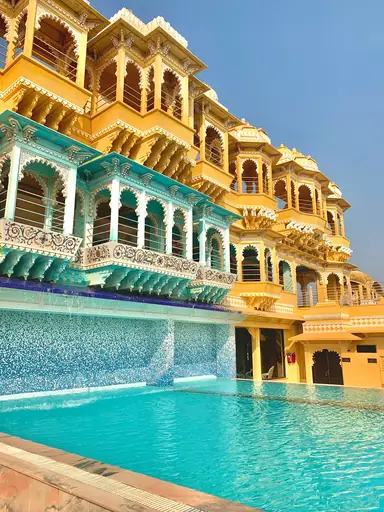
In the Thar Desert, accommodation ranges from modest desert camps to luxury eco‑resorts, catering to both budget travelers and those seeking opulent experiences. Traditional mud‑brick huts offer an authentic, rustic stay with basic amenities, while newer boutique lodges provide modern comforts such as Wi‑Fi, air conditioning and private bathrooms. Many resorts feature camel‑back tents that blend heritage with contemporary design, often including spa services, yoga classes and local cuisine. The area is renowned for its “desert safari” camps where guests can sleep under star‑filled skies in comfortable yurts or canvas tents equipped with heating systems for cooler nights. Overall, the region balances affordability with unique cultural immersion, making it a popular destination for travelers looking to experience desert life without compromising on quality.
Log in to add this place to a travel list and get a summary of all recommended items for your whole trip.
We calculate the average costs when travelling to destinations and compare those with the living costs at your home. With this you can get an estimate of how expensive or cheap the destination is for you.
To customise this, you can set up which location and price level are used for the calculations in your account settings.
