





Was this page helpful?

| Power Grid: |
220 V, 50 Hz Plug: Type A , Type I
Type A:
  Read about power adapters |
|---|---|
| Currency: |
Chinese Yuan Renminbi (CNY) £1 ≈ CN¥8.87 |
| Cashless info: |
Rating 5/5
Cashless payments are widely accepted in China, particularly in urban areas. Mobile payment services like Alipay and WeChat Pay are commonly used.
Save with a travel credit card |
| eSIM providers: |
Best value: Saily Flexibility: Airalo Read our in-depth comparison |
| Tipping: | Tipping is not customary in China and is not expected, although it may be appreciated in high-end restaurants or by hotel staff for exceptional service. |
|---|---|
| Public drinking: | Public drinking is generally not allowed in many places in China, but it is common in restaurants and bars. |
| Public smoking: | Smoking is prohibited in many indoor public spaces, such as restaurants and public transport, but enforcement can vary. |
| Chinese New Year (January/February) |
Major holiday with family gatherings and public celebrations |
|---|---|
| National Day (1 October) |
National holiday with parades and festivities |
| Emergency contact: | Emergency Numbers: 110 (Police), 120 (Ambulance), 119 (Fire) |
|---|---|
| Taxi apps: | DiDi, Uber |
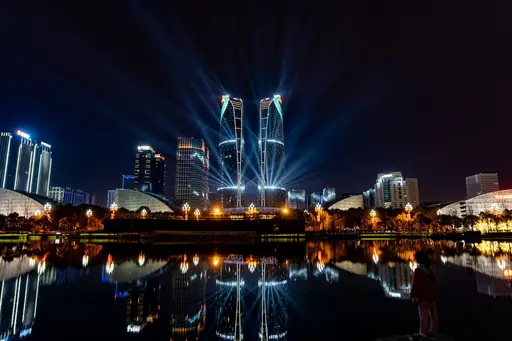
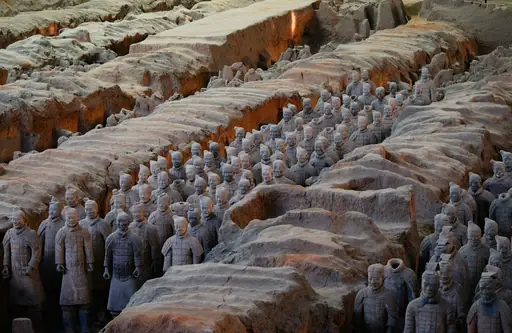
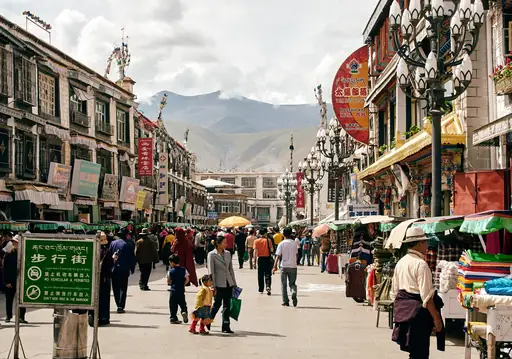
| Other: | China is known for its vast cultural heritage, including historical landmarks like the Great Wall, the Forbidden City, and the Terracotta Army. It offers diverse landscapes ranging from mountains to beaches. |
The best times to travel section shows how the months compare for a visit, so you can find the time of year that fits what you want to do.
Background colours of the months:
The colour shows the typical temperature: yellow (hot), green (mild) and blue (cold). How strong the colour is shows the travel season: full colour means high season, soft colour means shoulder season and soft-striped means off season.
Weather symbols:
Each month has one symbol showing what the weather is typically like, such as hot and sunny, freezing or a rainy or snowy season. Use them to quickly spot months that match the weather you want, or to avoid the ones that don't.
Crowdedness:
The people icon shows how busy the place usually is. The more people, the more crowded it gets.
Additional notes:
The grey info boxes point out special things worth knowing, like recurring weather issues or seasonal events.
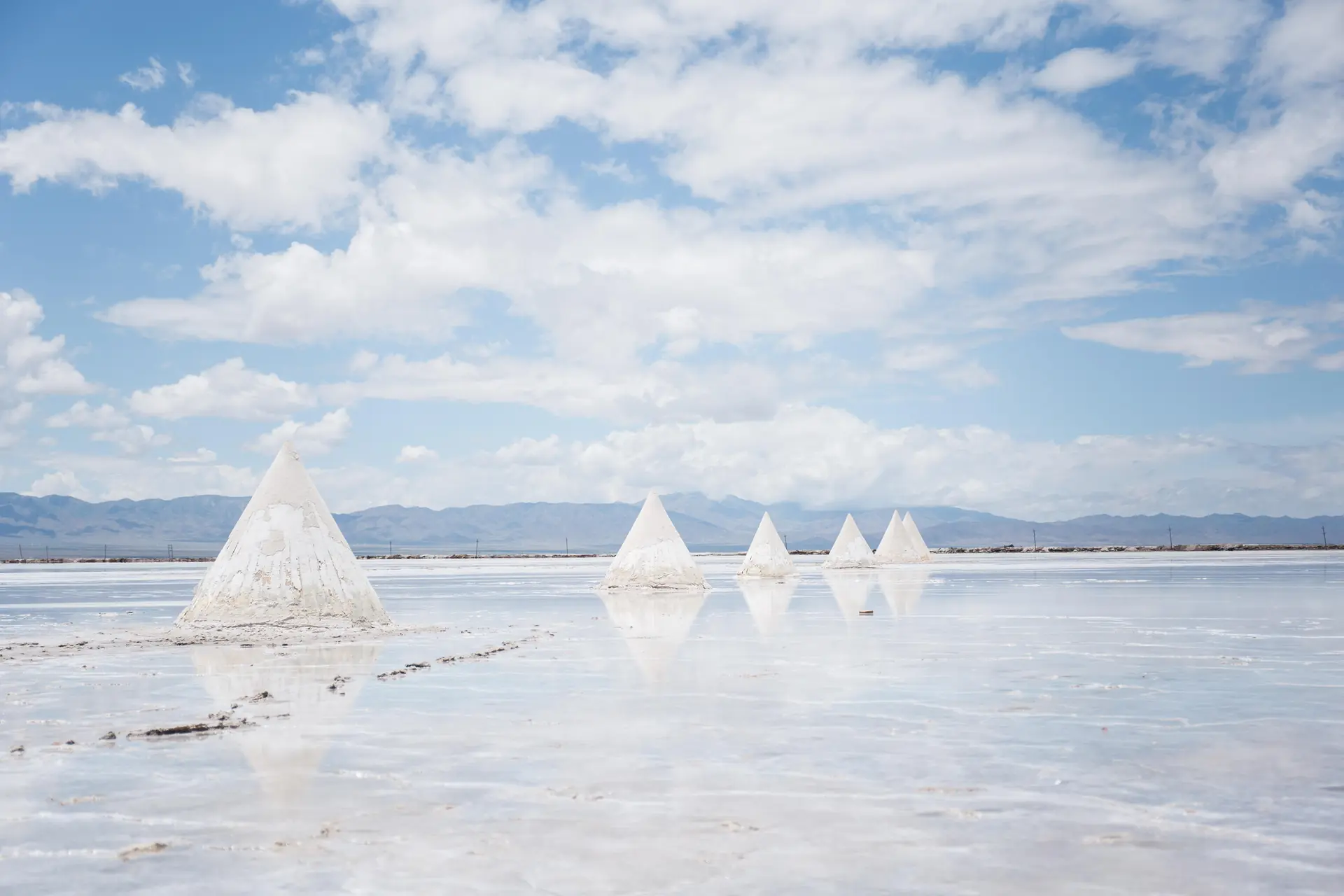
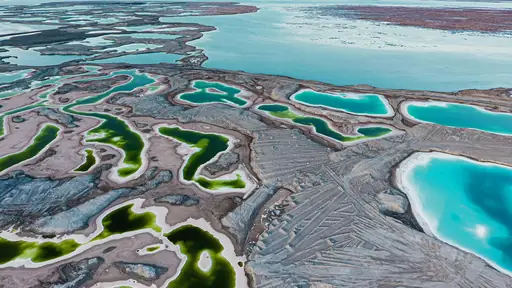
Chaka Salt Lake lies in Qinghai Province where the sky stretches endlessly over a shimmering expanse of white. The surface glows under strong sunlight creating a striking contrast against dark mountains that surround it. This place feels quiet and open offering visitors a chance to see nature’s simple beauty without distractions.
The lake sits at high altitude which means the air is thin and crisp. Many travelers notice how the wind moves across the salt flats making patterns in the crusty ground. Local herders often walk here carrying baskets of herbs or tending small herds of goats. Their daily routines connect to centuries of life shaped by this environment.
Visitors can walk along paths that cut through white fields stretching toward distant hills. In winter the lake freezes forming a smooth sheet that looks like glass under clear skies. Some people collect salt from the edges using simple tools passed down over generations. The taste is sharp and pure reflecting the purity of the land.
Nearby towns provide basic lodging and meals made with local ingredients such as barley tea or roasted lamb. Guides explain how climate changes affect water levels and how communities adapt each year. Exploring here means learning about resilience and respect for natural cycles without rushing through experiences.
Chaka Salt Lake, located in Qinghai Province, China, is accessible primarily by road. The nearest major city is Xining, which serves as a transportation hub with an airport offering domestic flights to the region. From Xining, travelers can take a bus or hire a private vehicle to reach the lake, approximately 100 kilometers away. The journey typically takes around two hours via well-maintained highways. For those preferring rail travel, Xining Railway Station provides connections to Lhasa and other western Chinese cities, with transfers available in Xining before continuing to Qinghai’s salt lake area. Road conditions are generally good, though seasonal weather may affect travel times during winter months.
Near Chaka Salt Lake, accommodations range from modest guesthouses to upscale eco‑lodges that blend with the high‑altitude landscape. Budget travelers can find clean, basic rooms in local homestays for CN¥200 – 400 (£22.46 – 44.93) per night, offering a chance to experience traditional Qinghai hospitality and communal meals. Mid‑range options include boutique hotels and small resorts featuring modern amenities such as Wi‑Fi, hot showers and panoramic lake views; prices typically fall between CN¥600 (£67.39) and CN¥1,200 (£134.78). For those seeking luxury, eco‑lodges and boutique villas provide private cabins with solar power, on‑site restaurants serving local cuisine and guided tours of the salt flats, often priced above CN¥1,500 (£168.48) per night. The area is renowned for its “salt lake resorts” that emphasize sustainability and cultural immersion.
Log in to add this place to a travel list and get a summary of all recommended items for your whole trip.
We calculate the average costs when travelling to destinations and compare those with the living costs at your home. With this you can get an estimate of how expensive or cheap the destination is for you.
To customise this, you can set up which location and price level are used for the calculations in your account settings.
The exchange rate price factor shows how expensive or cheap a currency currently is compared to its historical average. It's a quick way to see if a country is currently more or less affordable due to exchange rate changes.
