








Was this page helpful?

| Public website: | www.hk-victoria-peak.com |
|---|
| Power Grid: |
220 V, 50 Hz Plug: Type A , Type I
Type A:
  Read about power adapters |
|---|---|
| Currency: |
Chinese Yuan Renminbi (CNY) £1 ≈ CN¥8.88 |
| Cashless info: |
Rating 5/5
Cashless payments are widely accepted in China, particularly in urban areas. Mobile payment services like Alipay and WeChat Pay are commonly used.
Save with a travel credit card |
| eSIM providers: |
Best value: Saily Flexibility: Airalo Read our in-depth comparison |
| Tipping: | Tipping is not customary in China and is not expected, although it may be appreciated in high-end restaurants or by hotel staff for exceptional service. |
|---|---|
| Public drinking: | Public drinking is generally not allowed in many places in China, but it is common in restaurants and bars. |
| Public smoking: | Smoking is prohibited in many indoor public spaces, such as restaurants and public transport, but enforcement can vary. |
| Chinese New Year (January/February) |
Major holiday with family gatherings and public celebrations |
|---|---|
| National Day (1 October) |
National holiday with parades and festivities |
| Emergency contact: | Emergency Numbers: 110 (Police), 120 (Ambulance), 119 (Fire) |
|---|---|
| Taxi apps: | DiDi, Uber |
| Other: | China is known for its vast cultural heritage, including historical landmarks like the Great Wall, the Forbidden City, and the Terracotta Army. It offers diverse landscapes ranging from mountains to beaches. |
The best times to travel section shows how the months compare for a visit, so you can find the time of year that fits what you want to do.
Background colours of the months:
The colour shows the typical temperature: yellow (hot), green (mild) and blue (cold). How strong the colour is shows the travel season: full colour means high season, soft colour means shoulder season and soft-striped means off season.
Weather symbols:
Each month has one symbol showing what the weather is typically like, such as hot and sunny, freezing or a rainy or snowy season. Use them to quickly spot months that match the weather you want, or to avoid the ones that don't.
Crowdedness:
The people icon shows how busy the place usually is. The more people, the more crowded it gets.
Additional notes:
The grey info boxes point out special things worth knowing, like recurring weather issues or seasonal events.
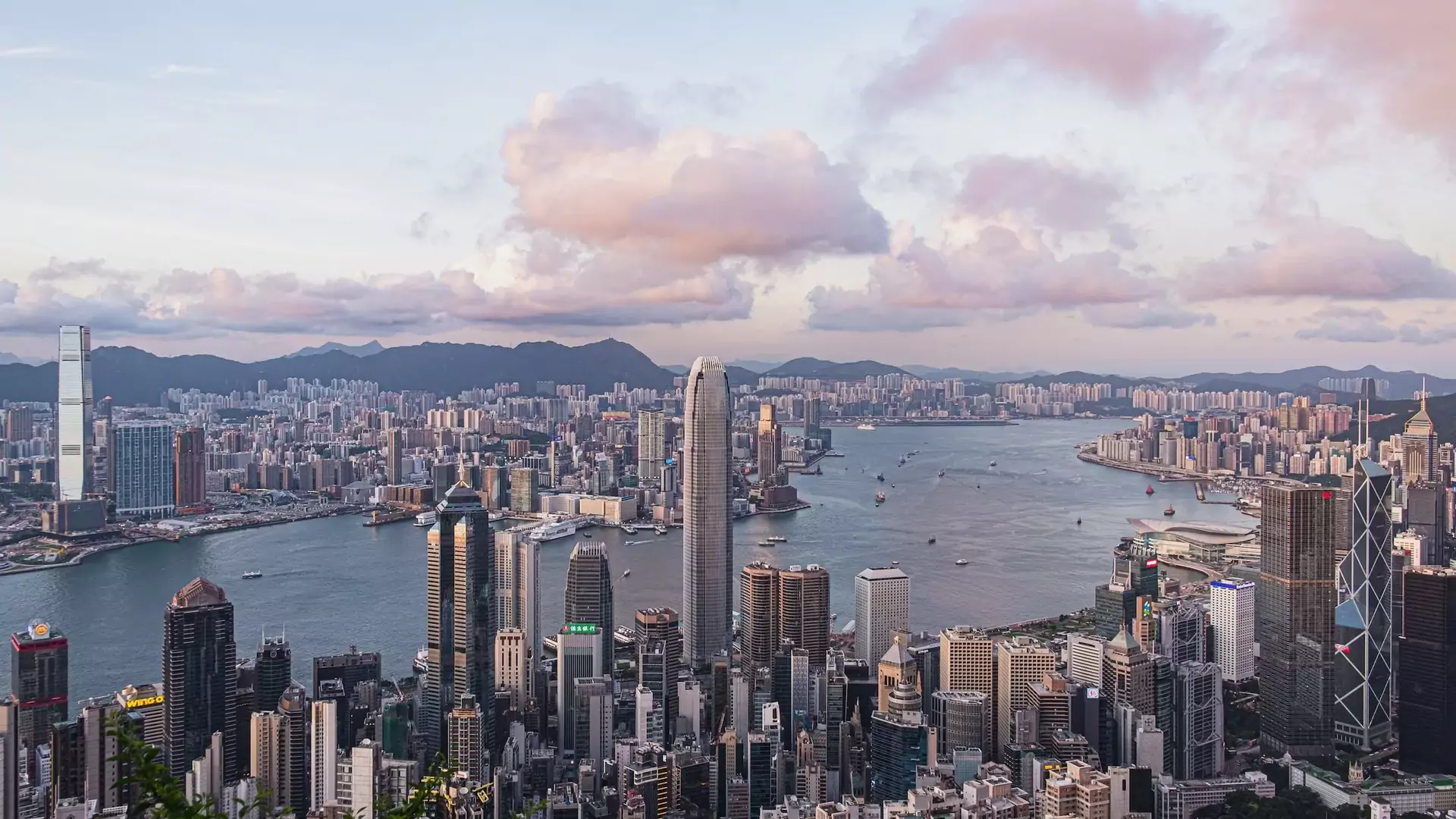
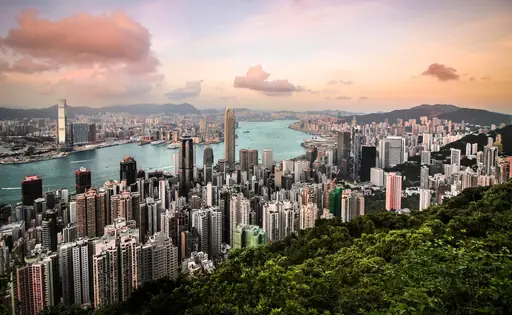
Victoria Peak stands as the tallest hill on Hong Kong Island at 552 meters, offering spectacular views across the city and beyond. The iconic Peak Tram, a funicular railway dating back to 1888, ascends the steep slope, providing an unforgettable ride.
The Peak area features several viewing platforms including the Sky Terrace 428, which offers 360-degree panoramic vistas of Hong Kong’s stunning skyline, harbor and mountain ranges. Alongside observation points, the area includes shopping centers like Peak Galleria and Peak Tower, with restaurants boasting magnificent views.
Hiking enthusiasts can enjoy the Peak Circle Walk, a trail winding through lush forests with occasional wildlife sightings. Many visitors recommend visiting both during the day and at night to experience contrasting views of the cityscape.
Some visitors note long waiting times for the Peak Tram, especially on weekends and holidays and occasional overcrowding at viewing platforms. The climb on foot can be strenuous and challenging for those with mobility issues. Weather conditions such as haze or rain may also impact visibility, so planning visits on clear days is advisable.
Visitors generally arrive via Hong Kong International Airport. From there, take the Airport Express to Hong Kong Station, then the Peak Tram at Lower Peak Tram Terminus. Alternatively, buses and taxis provide access. Walking routes like Old Peak Road offer a scenic hiking alternative.
Hong Kong Island and Central district offer a range of accommodations from luxury hotels to boutique guesthouses, conveniently located for visiting Victoria Peak and other city attractions.
Log in to add this place to a travel list and get a summary of all recommended items for your whole trip.
We calculate the average costs when travelling to destinations and compare those with the living costs at your home. With this you can get an estimate of how expensive or cheap the destination is for you.
To customise this, you can set up which location and price level are used for the calculations in your account settings.
The exchange rate price factor shows how expensive or cheap a currency currently is compared to its historical average. It's a quick way to see if a country is currently more or less affordable due to exchange rate changes.
