












Was this page helpful?

These place ratings give you a quick overview of how well a destination matches different types of trips.
‘Best for’ scores:
The specific interest scores show where this place really shines – whether it's ideal for hiking, food & drink experiences, museums or other activities. These highlights help you understand what makes the destination special at a glance.
‘Your personal’ scores:
This reflects how well a place matches your personal preferences. You can adjust the importances of travel topics or other personal requirements categories in your account settings.
‘Suited for’ badges:
These give you a quick overview of how well a destination suits specific types of travellers, to help you find the places that match your lifestyle, preferences or travel situation.
| Power Grid: |
220 V, 50 Hz Plug: Type A , Type I
Type A:
  Read about power adapters |
|---|---|
| Currency: |
Chinese Yuan Renminbi (CNY) £1 ≈ CN¥8.88 |
| Cashless info: |
Rating 5/5
Cashless payments are widely accepted in China, particularly in urban areas. Mobile payment services like Alipay and WeChat Pay are commonly used.
Save with a travel credit card |
| eSIM providers: |
Best value: Saily Flexibility: Airalo Read our in-depth comparison |
| Tipping: | Tipping is not customary in China and is not expected, although it may be appreciated in high-end restaurants or by hotel staff for exceptional service. |
|---|---|
| Public drinking: | Public drinking is generally not allowed in many places in China, but it is common in restaurants and bars. |
| Public smoking: | Smoking is prohibited in many indoor public spaces, such as restaurants and public transport, but enforcement can vary. |
| Chinese New Year (January/February) |
Major holiday with family gatherings and public celebrations |
|---|---|
| National Day (1 October) |
National holiday with parades and festivities |
| Emergency contact: | Emergency Numbers: 110 (Police), 120 (Ambulance), 119 (Fire) |
|---|---|
| Taxi apps: | DiDi, Uber |
| Other: | China is known for its vast cultural heritage, including historical landmarks like the Great Wall, the Forbidden City, and the Terracotta Army. It offers diverse landscapes ranging from mountains to beaches. |
The best times to travel section shows how the months compare for a visit, so you can find the time of year that fits what you want to do.
Background colours of the months:
The colour shows the typical temperature: yellow (hot), green (mild) and blue (cold). How strong the colour is shows the travel season: full colour means high season, soft colour means shoulder season and soft-striped means off season.
Weather symbols:
Each month has one symbol showing what the weather is typically like, such as hot and sunny, freezing or a rainy or snowy season. Use them to quickly spot months that match the weather you want, or to avoid the ones that don't.
Crowdedness:
The people icon shows how busy the place usually is. The more people, the more crowded it gets.
Additional notes:
The grey info boxes point out special things worth knowing, like recurring weather issues or seasonal events.
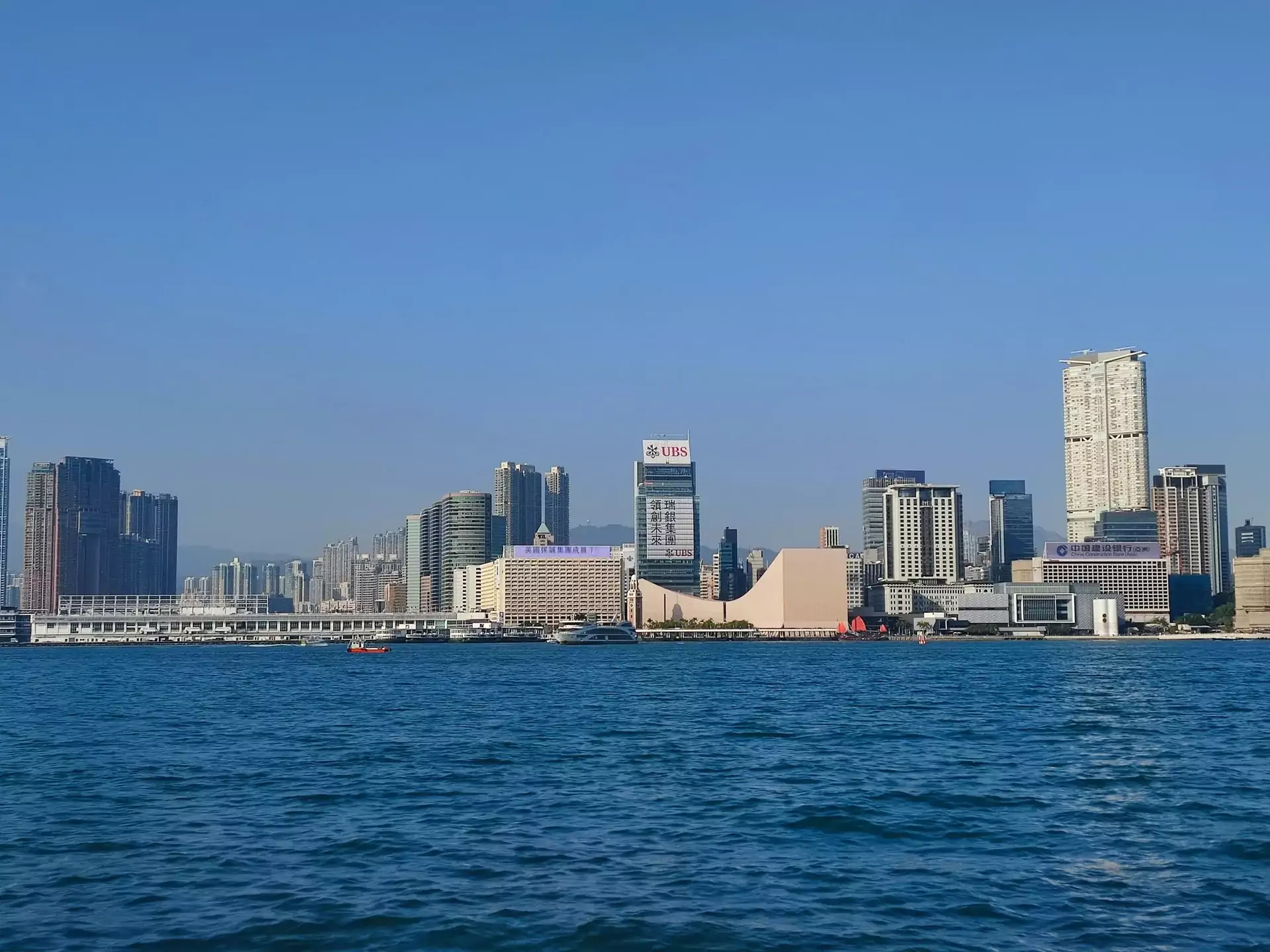
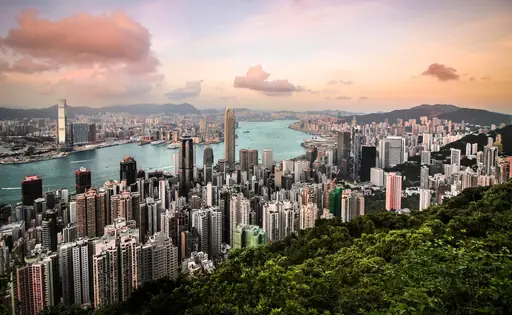
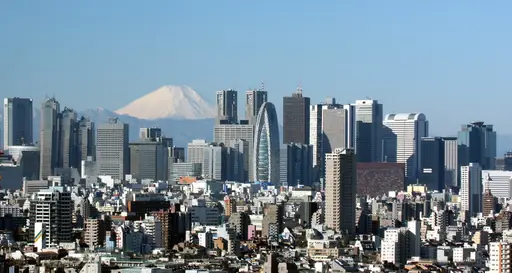
Kowloon stands as a bustling urban center where modern architecture meets historic charm. The district features towering skyscrapers alongside older neighborhoods filled with family-run shops and street markets. Its streets buzz with daily activity from morning until night when neon signs light up the skyline. Public transport connects different parts efficiently making it easy to explore.
Food plays a central role in Kowloon’s identity. Street vendors sell steaming bowls of noodles while local restaurants serve dim sum and seafood dishes prepared with care. Markets offer fresh produce and spices that reflect the area’s diverse cultural influences. Many eateries remain small family businesses passed down through generations preserving traditional recipes.
Cultural landmarks provide insight into Kowloon’s layered history. Temples dedicated to local deities stand near colonial-era buildings that once served administrative purposes. Museums display artifacts showing how the region evolved over time while community centers host workshops teaching crafts and languages. These spaces help residents maintain connections to heritage amid rapid change.
Daily life here balances work and leisure. Commuters fill train stations during rush hour before dispersing into parks or shopping malls. Weekends bring families to waterfront promenades where they can watch boats pass by or enjoy casual games in open spaces. The district’s energy comes from its people who adapt while keeping traditions alive through small but meaningful practices.
Travel to Kowloon if you crave a sensory overload: the aromas of sizzling street food, the vibrant chaos of night markets and the dazzling city lights reflecting off the water. Tsim Sha Tsui is the go-to spot for epic skyline views and world-class museums, while neighborhoods like Mong Kok and Kowloon City reveal a fascinating mix of cultures, history and local life. Don’t miss the historic Kowloon Walled City Park, a peaceful green space with a wild past. But be ready for crowds – Kowloon is one of the world’s most densely populated places. The pace is fast and the summer heat and humidity can be intense. Typhoons can disrupt plans between July and September, so check weather warnings. Still, the energy here is contagious and there’s always something new to discover.
Arrive at Hong Kong International Airport, then take the Airport Express train or bus directly to Kowloon. The Star Ferry connects Kowloon with Hong Kong Island and the MTR links Kowloon to the rest of the city and New Territories. International trains and buses are available from mainland China.
Kowloon offers everything from luxury hotels with harbour views in Tsim Sha Tsui to budget hostels in Mong Kok. Many hotels are close to MTR stations and major sights. Book ahead for the best options, especially during festivals.
We calculate the average costs when travelling to destinations and compare those with the living costs at your home. With this you can get an estimate of how expensive or cheap the destination is for you.
To customise this, you can set up which location and price level are used for the calculations in your account settings.
The exchange rate price factor shows how expensive or cheap a currency currently is compared to its historical average. It's a quick way to see if a country is currently more or less affordable due to exchange rate changes.
To help you plan your trip, we provide estimated daily costs per person (when travelling as a pair) for different travel styles. These numbers give you an idea of what you might spend each day at this destination, including accommodation, food, transport and activities.
Additionally, we also provide average hotel costs for different travel styles to give you an estimate for the accommodation only.
Please note that these are only estimates. The real costs depend on booking times, season and other factors.
Travel style categories explained:
Backpacker:
Staying in hostels or budget hotels, cooking your own meals or eating cheap and choosing low-cost activities.
Mid-range:
Staying in mid-range hotels, eating at a mix of restaurants and casual spots and enjoying a variety of activities.
Luxury:
Staying in luxury hotels, dining out at high-end restaurants and enjoying premium experiences without worrying about the price.
| Backpacker | Mid-range | Luxury | |
|---|---|---|---|
| 💵 Total costs per day, including accommodation | |||
| 🏨 Accommodation per night, per person | |||
| 🍝 Food per day | |||
| 🚕 Transportation per day |
| 🍽️ Restaurant Dinner, per person | |
|---|---|
| 🍛 Lunch Set, per person | |
| 🍟 Fast food combo | |
| 🍝 Preparing your own food, per day | |
| ☕ Cappuccino | |
| 🍺 Beer in a restaurant, 0.5 l |
| 🚌 Public transport ticket | |
|---|---|
| 🚕 Taxi Ride, 10 km / 6 mi | |
| ⛽ Petrol, 1 l |
| 🎞️ Cinema ticket | |
|---|---|
| 👩⚕️ Doctor's consult | |
| 🤧 Cold medication | |
| 💇 Basic haircut |
Log in to add this place to a travel list and get a summary of all recommended items for your whole trip.
