





Was this page helpful?

| Opening hours: |
|
|---|
| Power Grid: |
220 V, 50 Hz Plug: Type A , Type I
Type A:
  Read about power adapters |
|---|---|
| Currency: |
Chinese Yuan Renminbi (CNY) £1 ≈ CN¥8.88 |
| Cashless info: |
Rating 5/5
Cashless payments are widely accepted in China, particularly in urban areas. Mobile payment services like Alipay and WeChat Pay are commonly used.
Save with a travel credit card |
| eSIM providers: |
Best value: Saily Flexibility: Airalo Read our in-depth comparison |
| Tipping: | Tipping is not customary in China and is not expected, although it may be appreciated in high-end restaurants or by hotel staff for exceptional service. |
|---|---|
| Public drinking: | Public drinking is generally not allowed in many places in China, but it is common in restaurants and bars. |
| Public smoking: | Smoking is prohibited in many indoor public spaces, such as restaurants and public transport, but enforcement can vary. |
| Chinese New Year (January/February) |
Major holiday with family gatherings and public celebrations |
|---|---|
| National Day (1 October) |
National holiday with parades and festivities |
| Emergency contact: | Emergency Numbers: 110 (Police), 120 (Ambulance), 119 (Fire) |
|---|---|
| Taxi apps: | DiDi, Uber |
| Other: | China is known for its vast cultural heritage, including historical landmarks like the Great Wall, the Forbidden City, and the Terracotta Army. It offers diverse landscapes ranging from mountains to beaches. |
The best times to travel section shows how the months compare for a visit, so you can find the time of year that fits what you want to do.
Background colours of the months:
The colour shows the typical temperature: yellow (hot), green (mild) and blue (cold). How strong the colour is shows the travel season: full colour means high season, soft colour means shoulder season and soft-striped means off season.
Weather symbols:
Each month has one symbol showing what the weather is typically like, such as hot and sunny, freezing or a rainy or snowy season. Use them to quickly spot months that match the weather you want, or to avoid the ones that don't.
Crowdedness:
The people icon shows how busy the place usually is. The more people, the more crowded it gets.
Additional notes:
The grey info boxes point out special things worth knowing, like recurring weather issues or seasonal events.
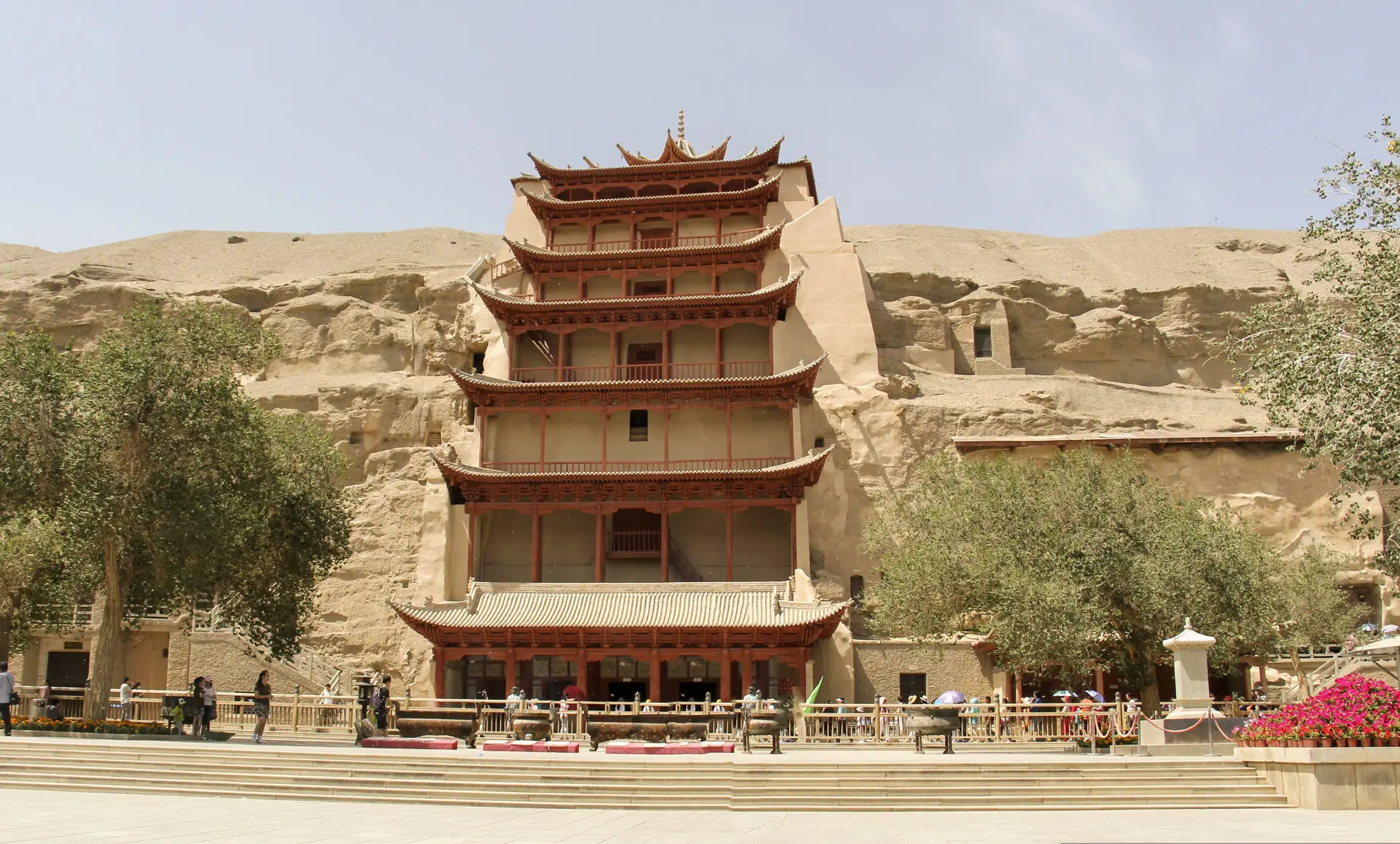
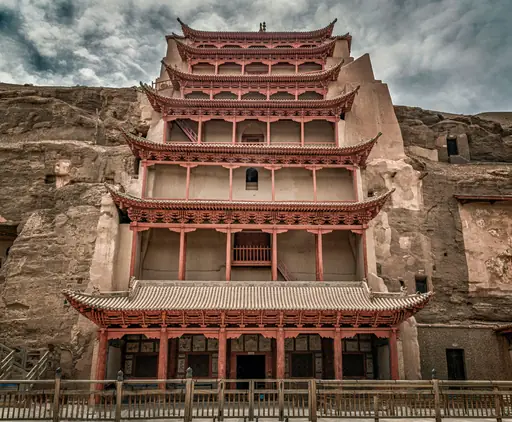
The Mogao Caves in Dunhuang stand as a remarkable collection of Buddhist art and architecture. Carved into the cliffs along the ancient Silk Road these caves hold over five hundred painted sculptures and murals that span more than a millennium. Each chamber reveals layers of history where travelers once paused to pray or rest their heads.
Visitors encounter vivid frescoes depicting gods stories and everyday life alongside intricate carvings that show how ideas moved between East and West. The colors remain bright in many spots because the caves stay cool and dry most of the year. This preservation allows you to see brushwork details that would fade quickly elsewhere.
The site also serves as a reminder of cultural exchange. Monks merchants and artists from different regions left their marks here creating a visual record of shared traditions. You can trace influences in the clothing hairstyles and symbols found across the walls which makes each visit feel like stepping into an open-air museum without glass barriers.
Exploring Dunhuang today feels like walking through layers of time. Guides explain how wind and sand once threatened the caves before modern conservation work began. The area now welcomes travelers who want to learn about history art and the quiet persistence of human creativity across centuries.
The Mogao Caves in Dunhuang, China, are accessible via Dunhuang–Yumen Airport (DUN), located approximately 110 km southwest of the city. Travelers can reach the caves by taxi or organized tours from the airport, with journey times averaging 1.5 to 2 hours depending on traffic. Alternatively, high-speed rail connects Dunhuang to major Chinese cities like Lanzhou and Xi’an, followed by a bus or taxi ride to the site. The nearest railway station is Dunhuang Station, linked to regional train networks. For overland access, buses operate from Dunhuang’s main bus terminal to the caves’ entrance. Visitors should plan travel during daylight hours due to desert conditions and ensure appropriate transportation arrangements are made in advance.
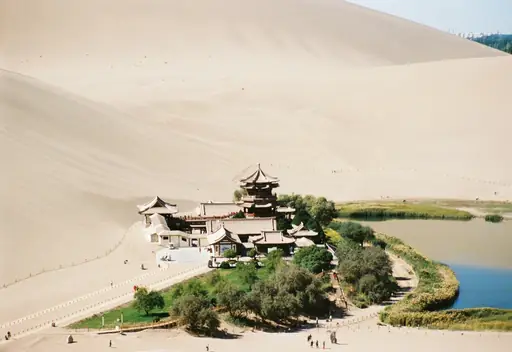
Near the Mogao Caves, visitors find a mix of budget hostels and mid‑range boutique guesthouses that cater to short stays. Many accommodations are clustered in the old town area, offering easy access to the caves and local markets. Prices range from CN¥200 – 400 (£22.39 – 44.77) per night for basic rooms, while more upscale options with private terraces or traditional courtyard designs can reach CN¥800 – 1,200 (£89.55 – 134.32). The region is renowned for its desert‑theme lodgings: some guesthouses feature sand‑colored décor, camel‑shaped furnishings and panoramic views of the Gobi dunes. For travelers seeking a cultural experience, several homestays provide local cuisine and storytelling sessions about Dunhuang’s Silk Road heritage.
Log in to add this place to a travel list and get a summary of all recommended items for your whole trip.
We calculate the average costs when travelling to destinations and compare those with the living costs at your home. With this you can get an estimate of how expensive or cheap the destination is for you.
To customise this, you can set up which location and price level are used for the calculations in your account settings.
The exchange rate price factor shows how expensive or cheap a currency currently is compared to its historical average. It's a quick way to see if a country is currently more or less affordable due to exchange rate changes.
