





Was this page helpful?

| Power Grid: |
220 V, 50 Hz Plug: Type C , Type E
Type C:
  Read about power adapters |
|---|---|
| Currency: |
US Dollar (USD) £1 ≈ US$1.33 |
| Cashless info: |
Rating 0/5
Cashless payments are not applicable in Antarctica, as transactions are limited to the tour operators and research stations.
Save with a travel credit card |
| eSIM providers: | We cannot recommend an eSIM provider for this country. We advise getting a local SIM card. |
| Tipping: | Tipping is not common in Antarctica, as most services are part of organised tours or expeditions. |
|---|---|
| Public drinking: | Public drinking is not a concern in Antarctica due to the lack of permanent civilian settlements. |
| Public smoking: | Smoking is restricted in most areas due to the environmental sensitivity of the continent. |
| None specific to Antarctica (N/A) |
Antarctica does not have local holidays, as it is a research-focused destination. |
|---|
| Emergency contact: | There is no public emergency number. In an emergency, contact your research station or expedition leader. |
|---|---|
| Taxi apps: | |
| Other: | Travel to Antarctica is only possible via specialised expeditions, and permits are required. It is a highly regulated destination with limited tourist access. |
The best times to travel section shows how the months compare for a visit, so you can find the time of year that fits what you want to do.
Background colours of the months:
The colour shows the typical temperature: yellow (hot), green (mild) and blue (cold). How strong the colour is shows the travel season: full colour means high season, soft colour means shoulder season and soft-striped means off season.
Weather symbols:
Each month has one symbol showing what the weather is typically like, such as hot and sunny, freezing or a rainy or snowy season. Use them to quickly spot months that match the weather you want, or to avoid the ones that don't.
Crowdedness:
The people icon shows how busy the place usually is. The more people, the more crowded it gets.
Additional notes:
The grey info boxes point out special things worth knowing, like recurring weather issues or seasonal events.
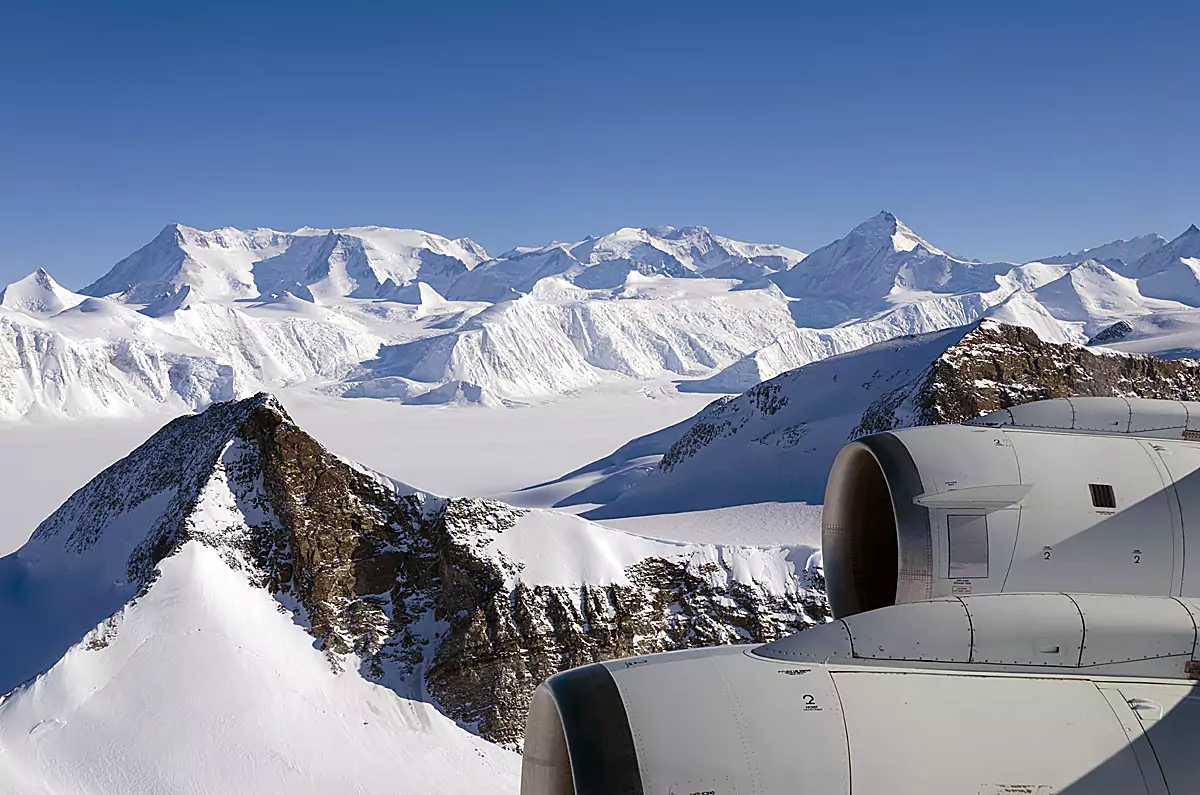
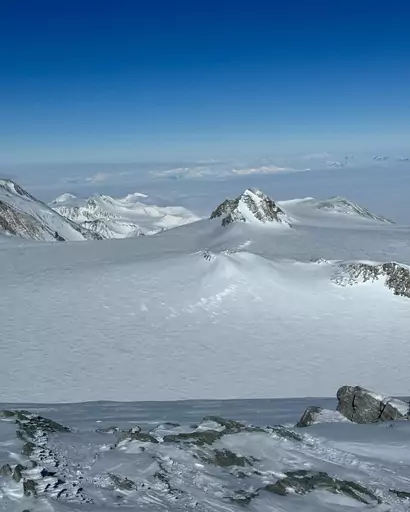
Antarctica is a continent defined by extreme conditions and striking natural features. Vinson Massif stands as its highest peak rising above 4,800 meters above sea level. The mountain lies within a landscape covered in ice where temperatures often drop far below freezing. Climbers face challenges from strong winds limited daylight and unpredictable weather patterns.
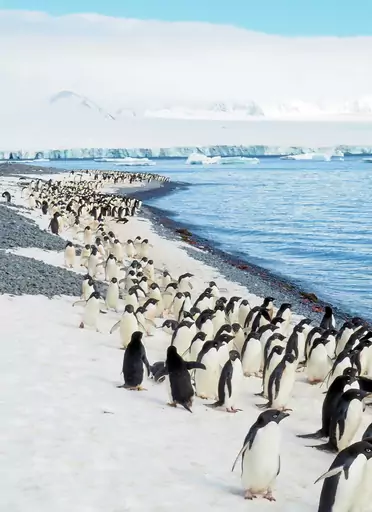
The terrain around Vinson Massif consists mainly of glaciers and rocky outcrops. Ice formations create dramatic shapes while crevasses appear across the surface. The area is largely untouched by human activity making it one of Earth’s most remote environments. Wildlife sightings are rare but seals may be seen near coastal areas during warmer months.
Access to Vinson Massif requires careful planning and preparation. Most expeditions depart from research stations where climbers undergo acclimatization before attempting the summit. Guides familiar with Antarctic conditions lead groups along established routes. Equipment must withstand severe cold and wind while ensuring safety for all participants.
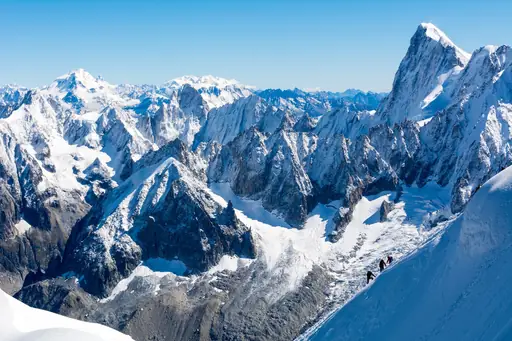
Experience climbing Vinson Massif involves physical endurance and mental focus. The ascent demands steady pacing to conserve energy in thin air. Views from higher elevations reveal vast expanses of white ice stretching toward distant horizons. Completing the climb provides a sense of achievement tied closely to respecting nature’s scale and power.
Access to Vinson Massif, Antarctica’s highest peak, requires specialized logistical planning due to its remote location and extreme environment. The primary entry point is via Chilean or Argentine Antarctic bases, such as Puerto Williams (Chile) or Ushuaia (Argentina), which serve as departure hubs for flights to the continent. Commercial expeditions typically depart from these ports during the Antarctic summer (November–February), when weather conditions permit flights to landing strips near Vinson Base Camp. Landings are often made via small aircraft, followed by overland travel using tracked vehicles or guided treks across glacial terrain. Winter access is limited due to severe cold and darkness, with most climbers opting for the brief summer window. Permits and guided tours are mandatory under Antarctic Treaty regulations.
Vinson Massif’s remote base camps offer a range of modest, purpose‑built accommodations: insulated tents, semi‑permanent prefabricated cabins and modular field shelters. Most visitors stay in the U.S. Antarctic Program’s “Vinson Base Camp” or the British “Mount Vinson Camp,” each providing basic sleeping bunks, communal mess areas and limited power for scientific equipment. The region is renowned for its high‑tech, lightweight shelter designs that withstand extreme winds and sub‑zero temperatures, often featuring insulated panels, solar panels and wind‑tunnel testing. While the number of sites is small – typically fewer than ten per season – the quality is exceptional, prioritizing safety, durability and minimal environmental impact.
Log in to add this place to a travel list and get a summary of all recommended items for your whole trip.
We calculate the average costs when travelling to destinations and compare those with the living costs at your home. With this you can get an estimate of how expensive or cheap the destination is for you.
To customise this, you can set up which location and price level are used for the calculations in your account settings.
The exchange rate price factor shows how expensive or cheap a currency currently is compared to its historical average. It's a quick way to see if a country is currently more or less affordable due to exchange rate changes.
