Sydney Airport (Kingsford Smith) in Australia is the largest and busiest airport in Oceania, located near Sydney's city centre. It serves as the primary hub for Qantas Airways and Virgin Australia, offering a broad array of domestic and international flights connecting Australia with Asia, the Americas, Europe and the Pacific Islands. The airport features modern amenities and efficient transport options to surrounding suburbs and cities.
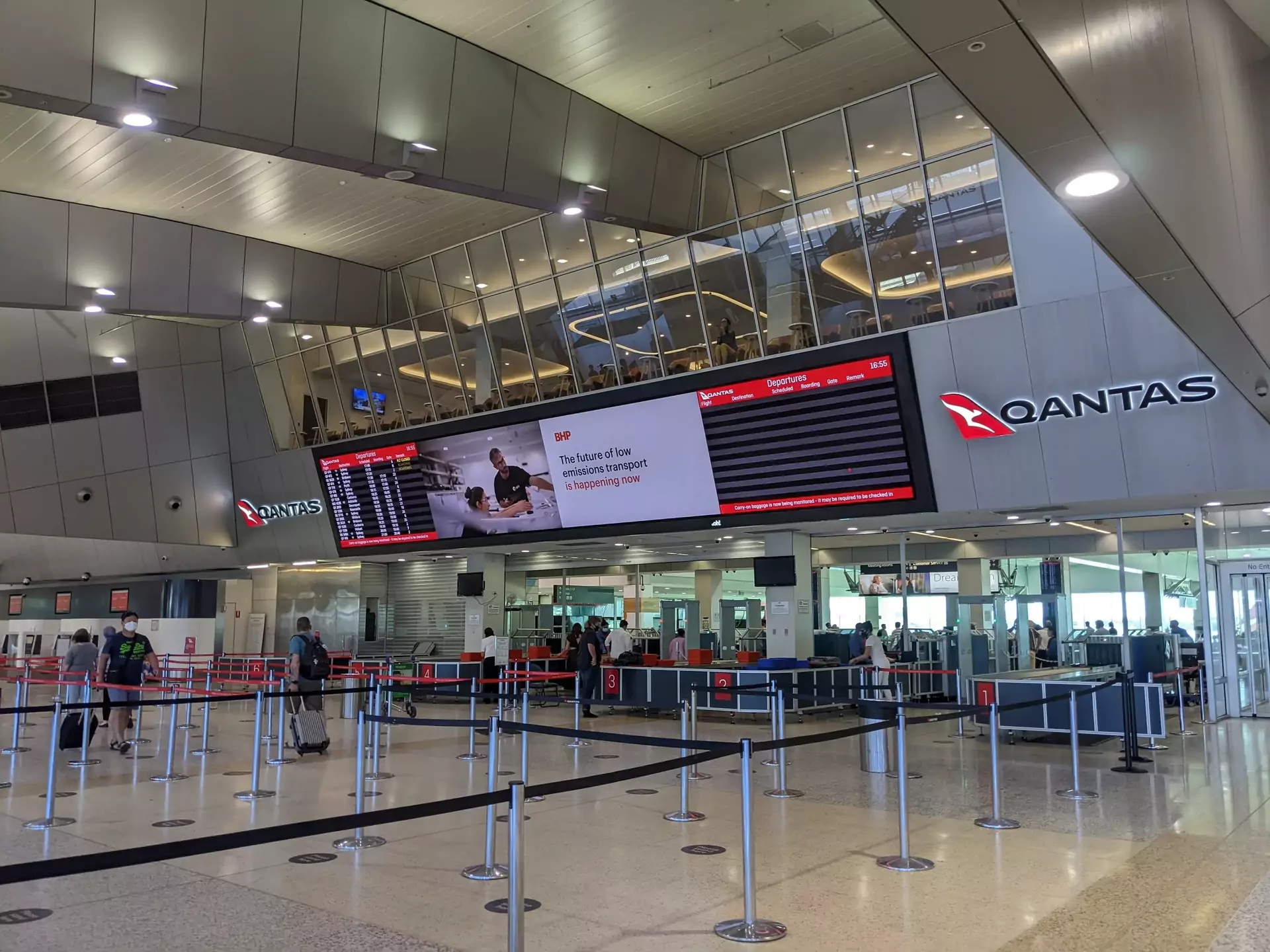
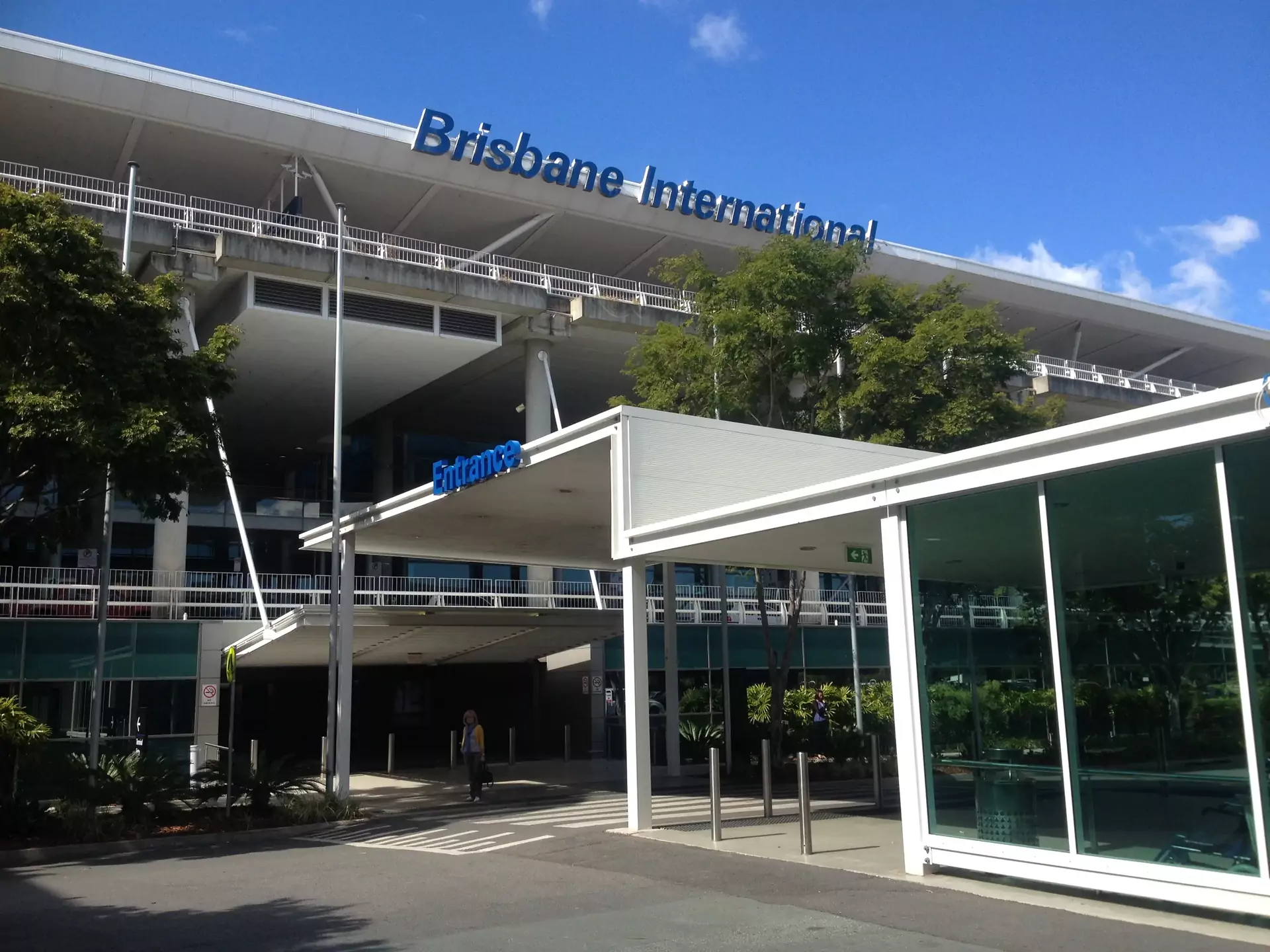
Melbourne Airport, also known as Tullamarine Airport, is Australia’s second largest airport. Situated northwest of Melbourne’s city centre, it acts as a key hub for Qantas and Jetstar, featuring numerous international and domestic connections. Brisbane Airport in Queensland serves as another major hub, supporting both full-service and low-cost carriers.
In New Zealand, Auckland Airport is the primary international gateway, located south of Auckland’s central business district. It is the main hub for Air New Zealand and offers extensive flights across the Pacific region, Asia and the Americas. Other important New Zealand airports include Christchurch Airport and Wellington Airport, which facilitate domestic and some international travel.
Among island nations, Nadi International Airport in Fiji plays a central role as the main international hub for the Pacific islands, serving Fiji Airways and other regional carriers. It is a vital connection point for travellers heading to smaller island destinations.
Other airports of note include Perth Airport on Australia’s west coast, serving as a critical gateway to Asia with both full-service and budget airline activity and Gold Coast Airport in Queensland, popular among leisure travellers and low-cost carriers like Jetstar.
Low-cost airlines have a growing presence throughout Oceania, with airports such as Adelaide Airport, Hobart Airport and New Zealand’s Queenstown Airport catering to budget-conscious travellers and holiday destinations. These airports complement the larger hubs by offering competitive fares and expanding route options across the region.
The combination of major international hubs with well-connected smaller airports ensures that Oceania's air travel landscape meets the diverse needs of business and leisure travellers while overcoming the challenges posed by the region’s vast geographical spread.