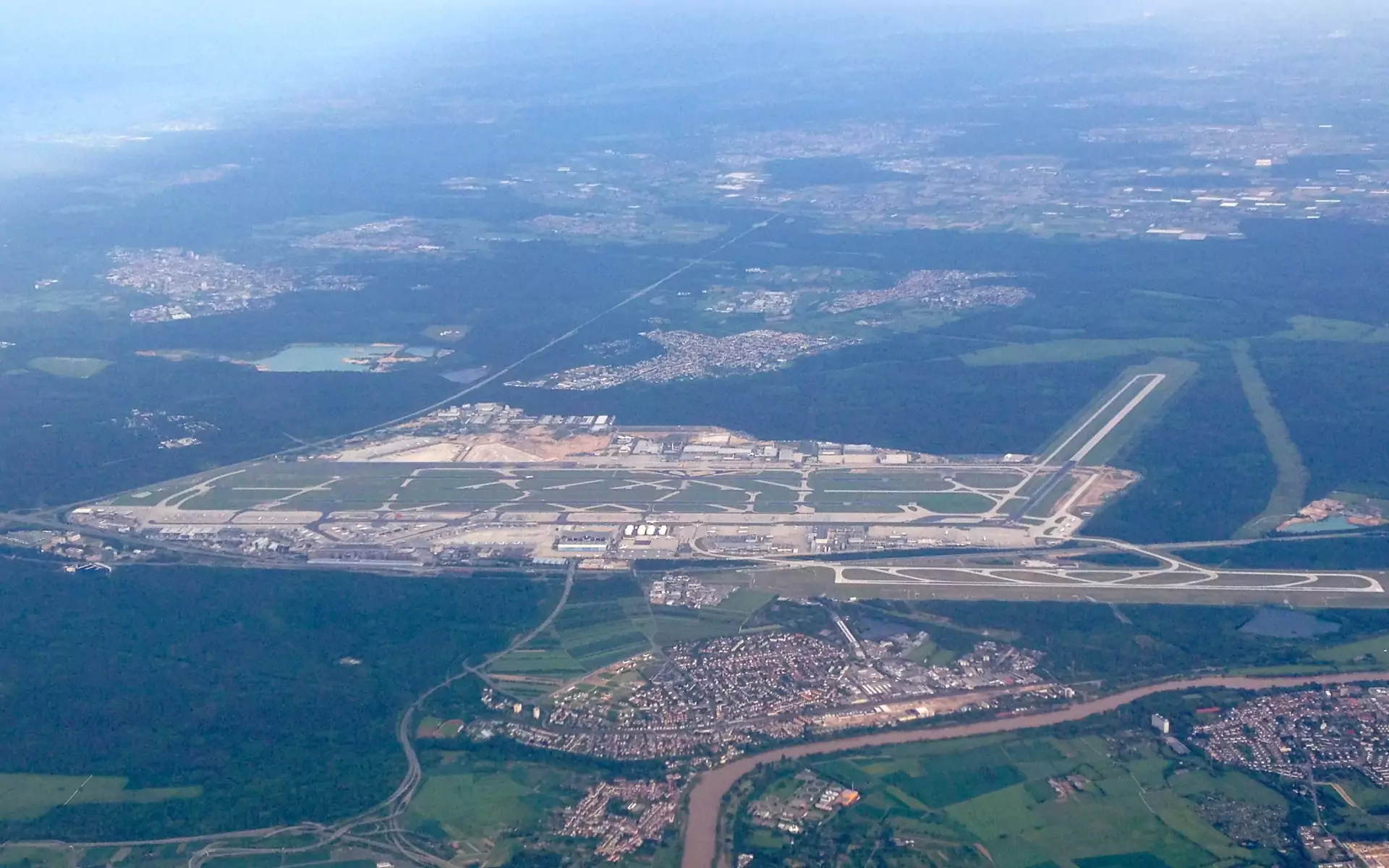
Frankfurt Airport (IATA: FRA) is Germany’s largest and busiest airport, located in Frankfurt am Main, Hesse. Operating as the main hub for Lufthansa, it connects to over 300 destinations worldwide, including major cities in Europe, Asia and the Americas. Frankfurt Airport features extensive amenities, multiple terminals and direct rail and road links to Frankfurt’s city center and beyond, serving as a key international gateway for both passengers and cargo.
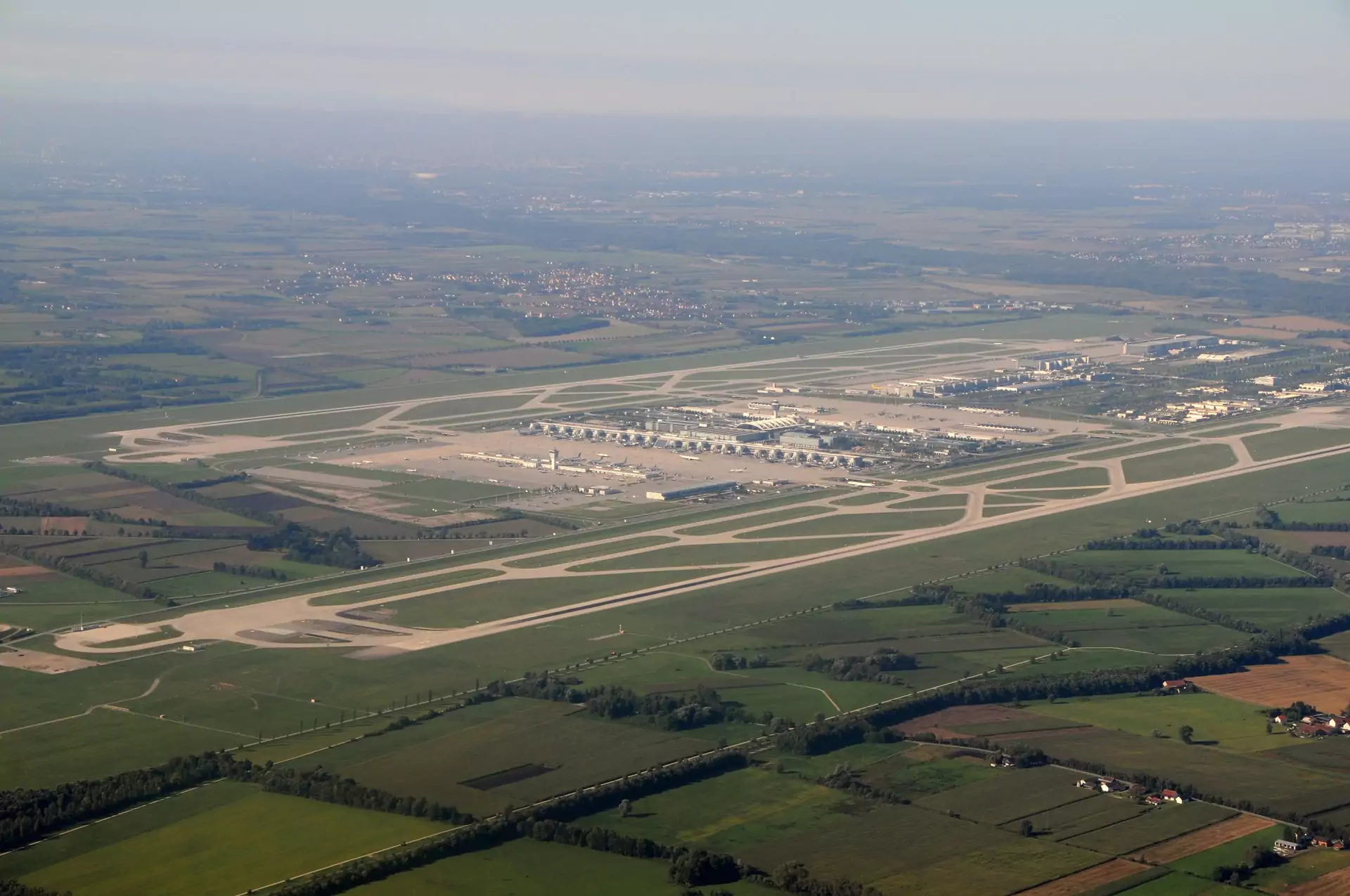
Munich Airport (IATA: MUC), Germany’s second busiest airport, is located to the northeast of Munich city center in Bavaria. It functions as another Lufthansa hub and connects to a broad range of international and domestic destinations. Munich Airport is well known for its passenger services, including shopping, dining, lounges and convenient rail connections to Munich city, making it an important transit point for travelers.
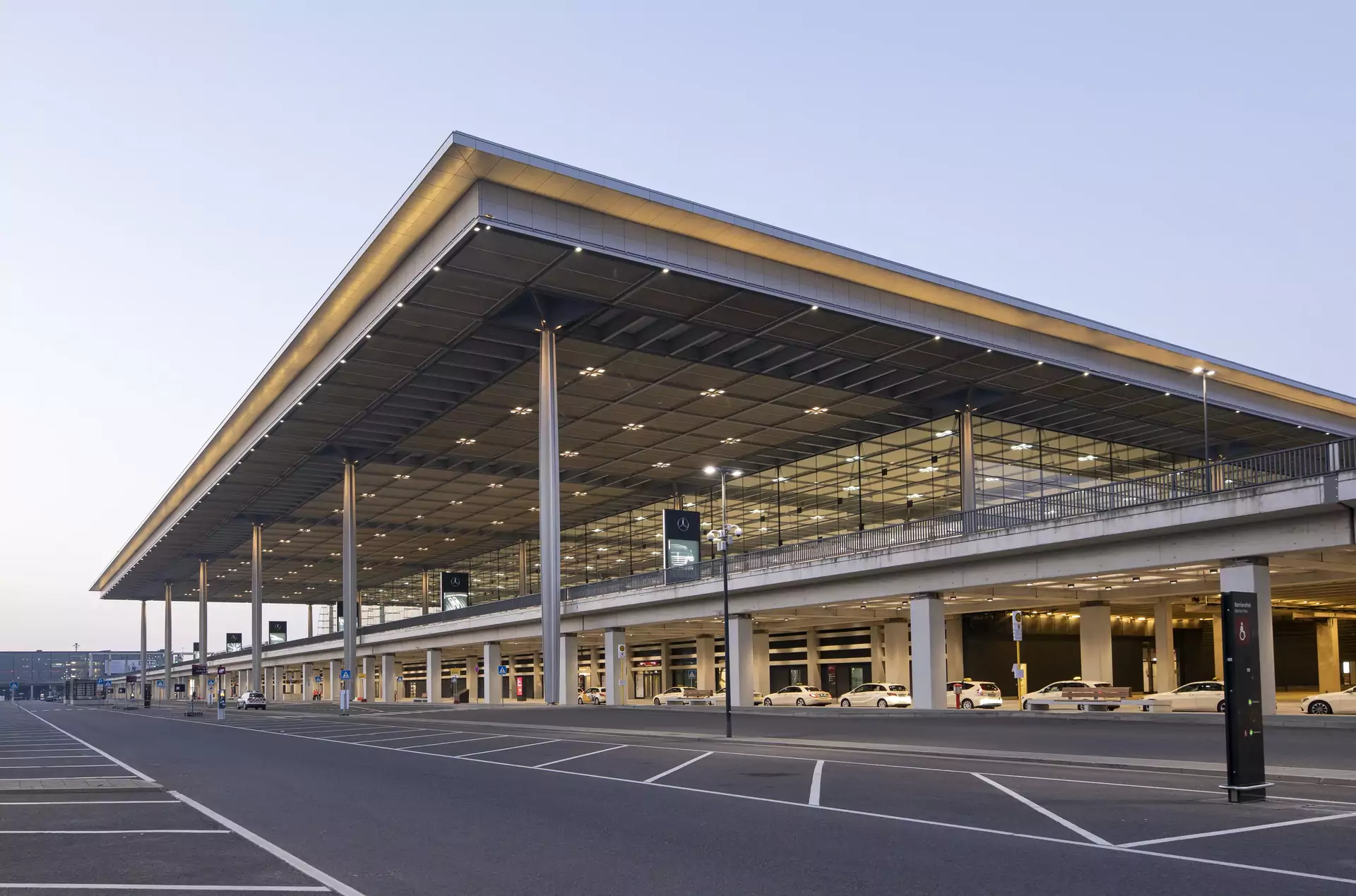
Berlin Brandenburg Airport (IATA: BER) serves the capital city, Berlin and surrounding Brandenburg. This modern airport replaced former sites Tegel and Schönefeld and is the third busiest in Germany. It hosts many international carriers and low-cost airlines like easyJet, Ryanair and Eurowings, offering extensive European and some intercontinental routes. BER is directly connected to Berlin by rail, occupying a crucial role in the capital’s transport infrastructure.
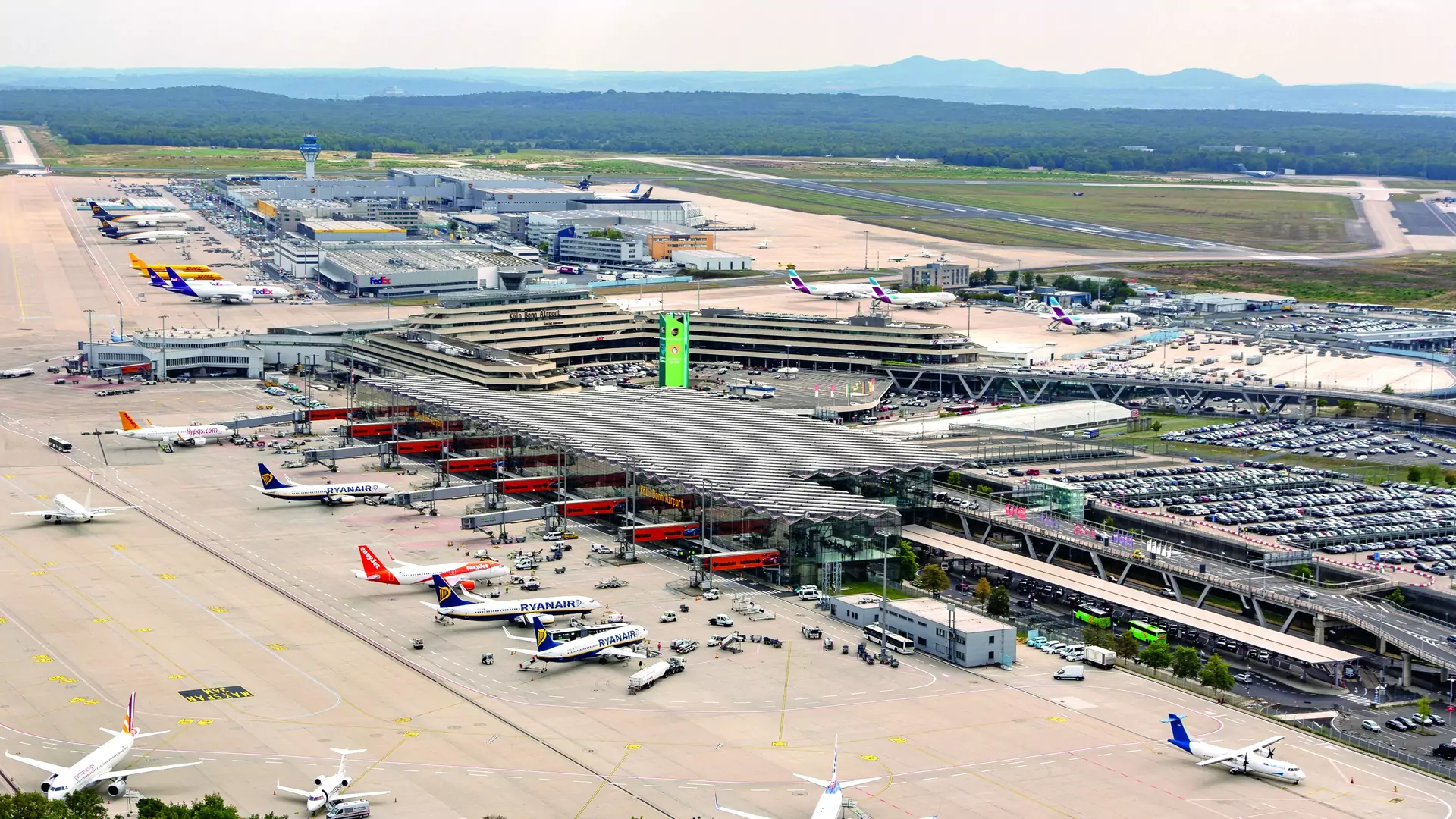
Germany also supports popular low-cost airline airports such as Frankfurt-Hahn Airport (HHN), located far west near Kirchberg, which serves as a budget airline hub for Ryanair and Wizz Air, though it is considerably farther from Frankfurt city. Other significant airports catering to budget travelers include Cologne Bonn Airport (CGN) and Memmingen Airport (FMM) near Munich, both serving Ryanair and other low-cost carriers with several European routes.
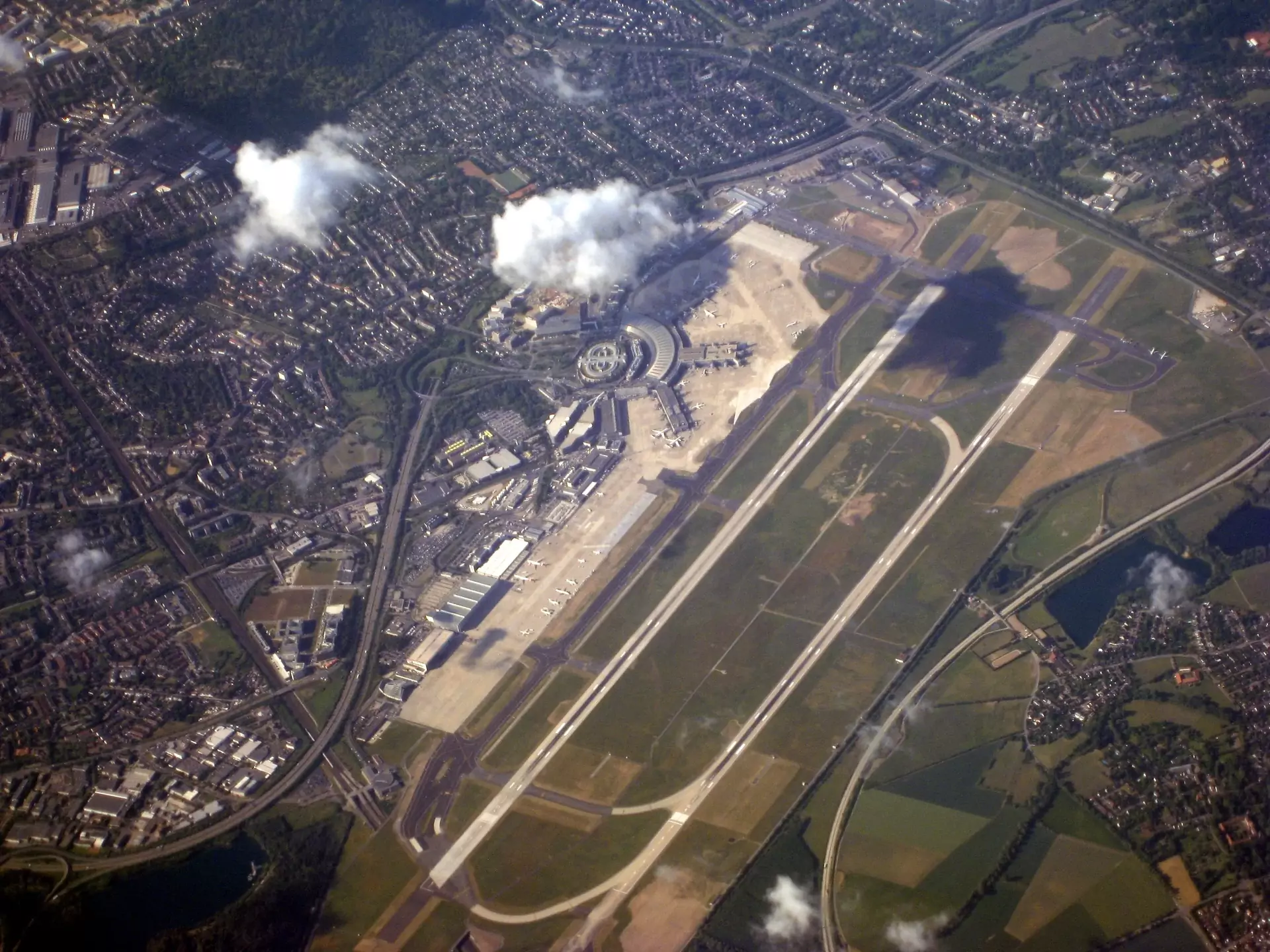
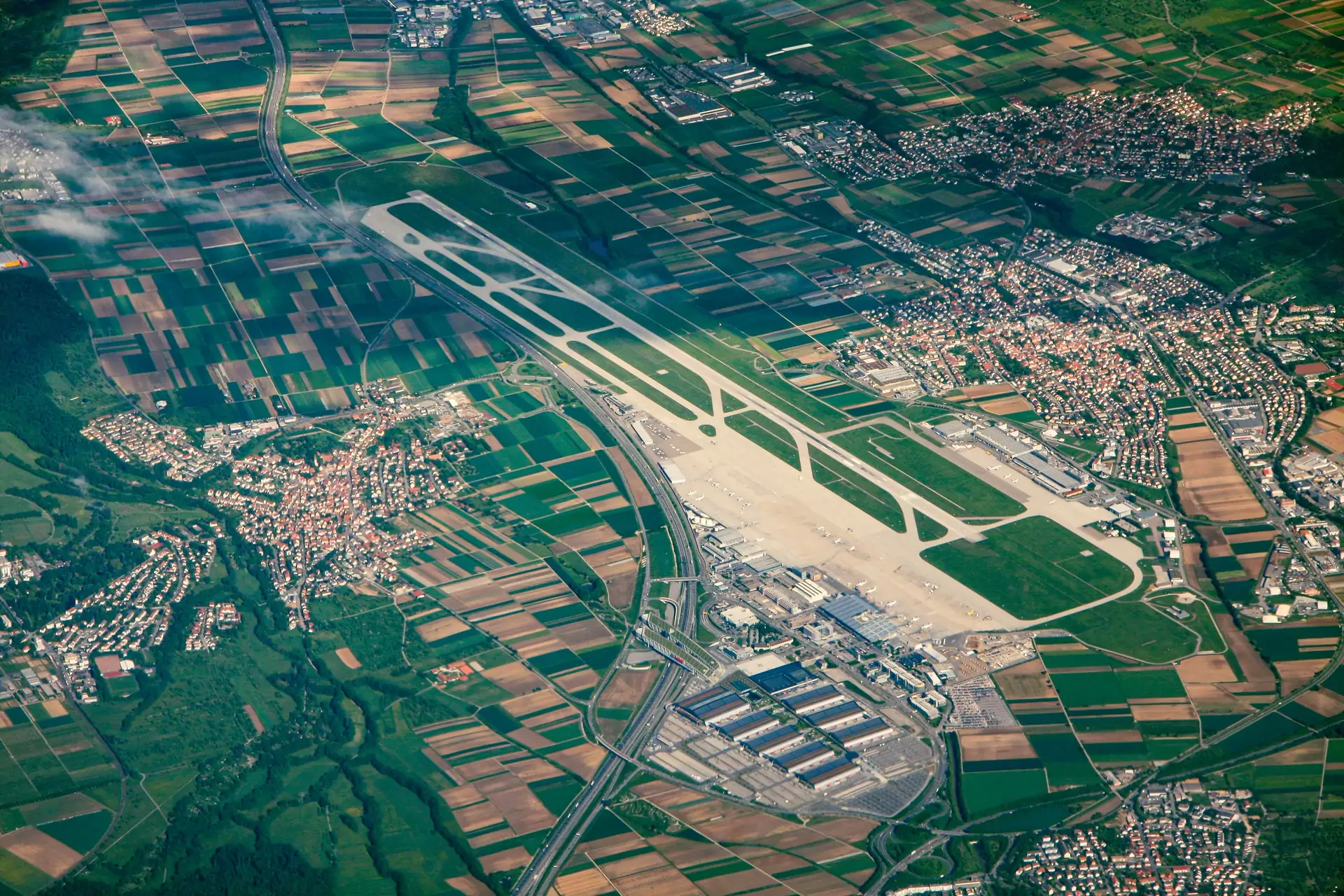
Additional important airports include Düsseldorf Airport (DUS), a major hub for both premium and budget airlines providing access to North Rhine-Westphalia; Stuttgart Airport (STR), which connects southwestern Germany with European cities; and Hannover Airport (HAJ), which serves northern Germany with regular flights across Europe.
Germany’s airport network also includes smaller regional airports such as Leipzig/Halle Airport (LEJ), known for significant cargo operations alongside passenger services; Bremen Airport (BRE) serving the city of Bremen; and Dresden Airport (DRS) serving eastern Germany. These airports supplement the large hubs with regional connectivity facilitating travel across the country and nearby countries.
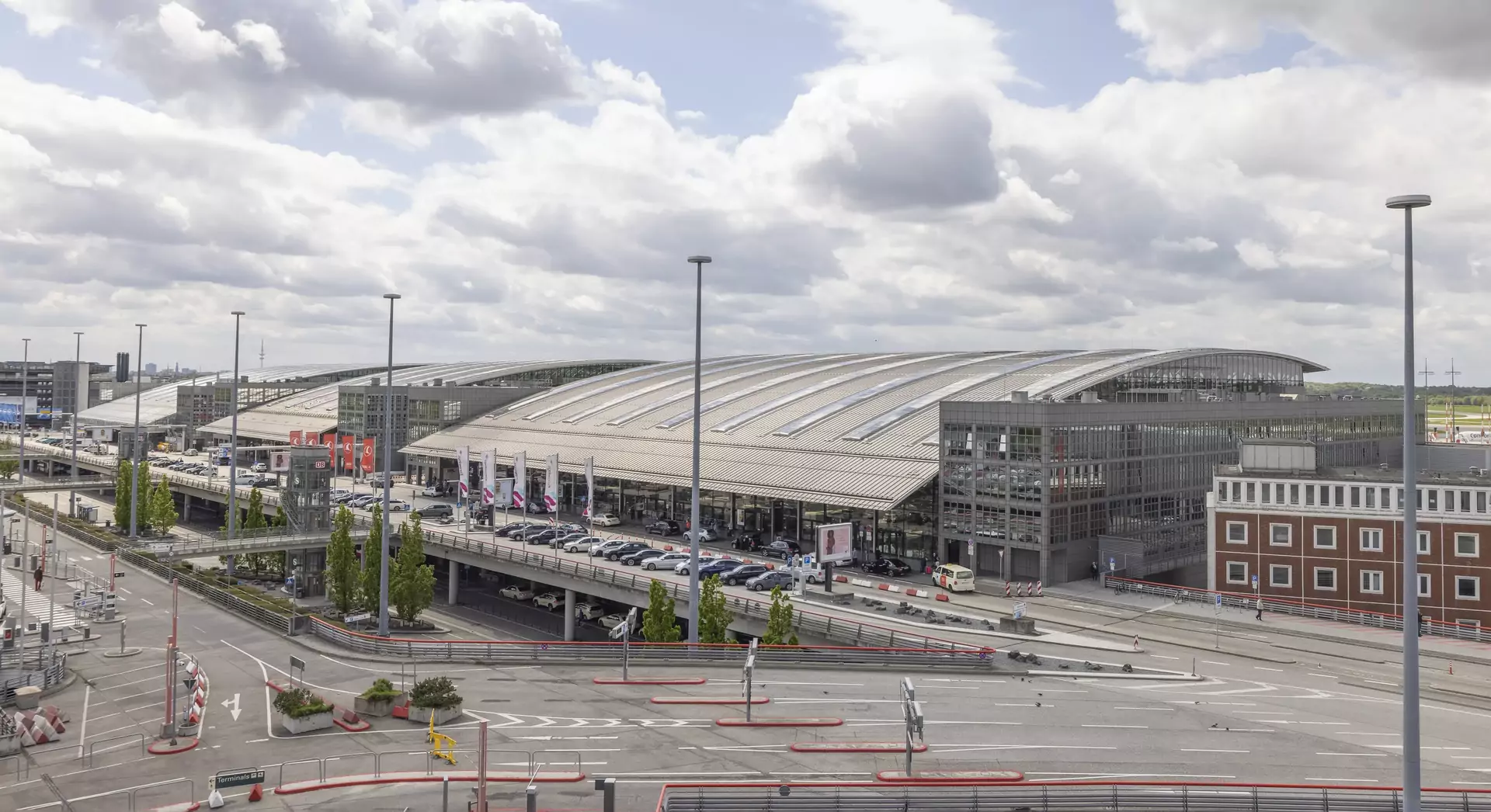
All major airports are well integrated with public transport systems, including high-speed train connections and extensive bus and taxi networks, allowing seamless transfers between air travel and ground transport. Furthermore, Germany’s airports provide comprehensive passenger amenities, including lounges, dining, retail and business services, catering to the needs of different traveler segments.