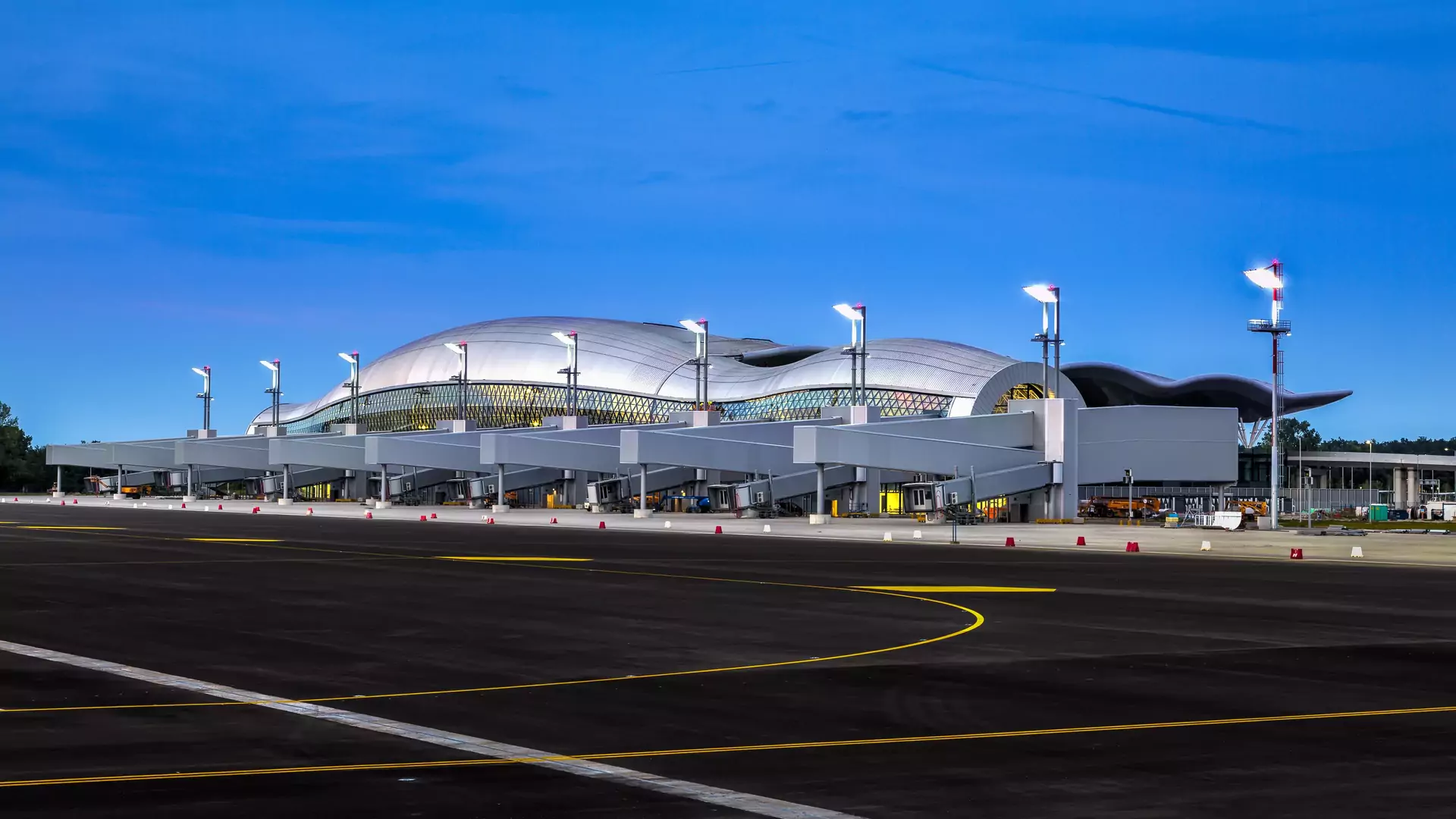
Zagreb Airport (IATA: ZAG), also known as Franjo Tuđman Airport, is Croatia’s largest and busiest airport, located about 15 kilometers south of the capital city, Zagreb. It is the primary hub for Croatia Airlines and offers year-round flights connecting Croatia to over 50 international cities. The airport features a modern terminal with good passenger amenities and multiple ground transport options connecting it to Zagreb’s city center and beyond. Zagreb Airport also handles significant cargo traffic, underpinning Croatia’s commercial connectivity.
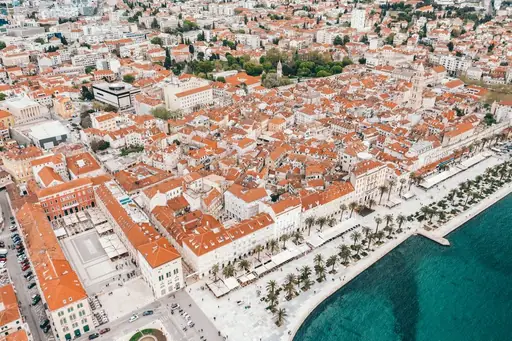
Split Airport (IATA: SPU) is the most important airport for Croatia’s Dalmatian coast and the second busiest in the country. Situated near the town of Kaštel Štafilić, about 20 kilometers west of Split, it especially experiences high passenger volumes in summer. Split Airport serves as a key entry point to many popular tourist destinations and islands in the region. Airlines such as Croatia Airlines, easyJet and Ryanair operate regular flights, mainly to European cities, with additional seasonal services to match tourist demand.
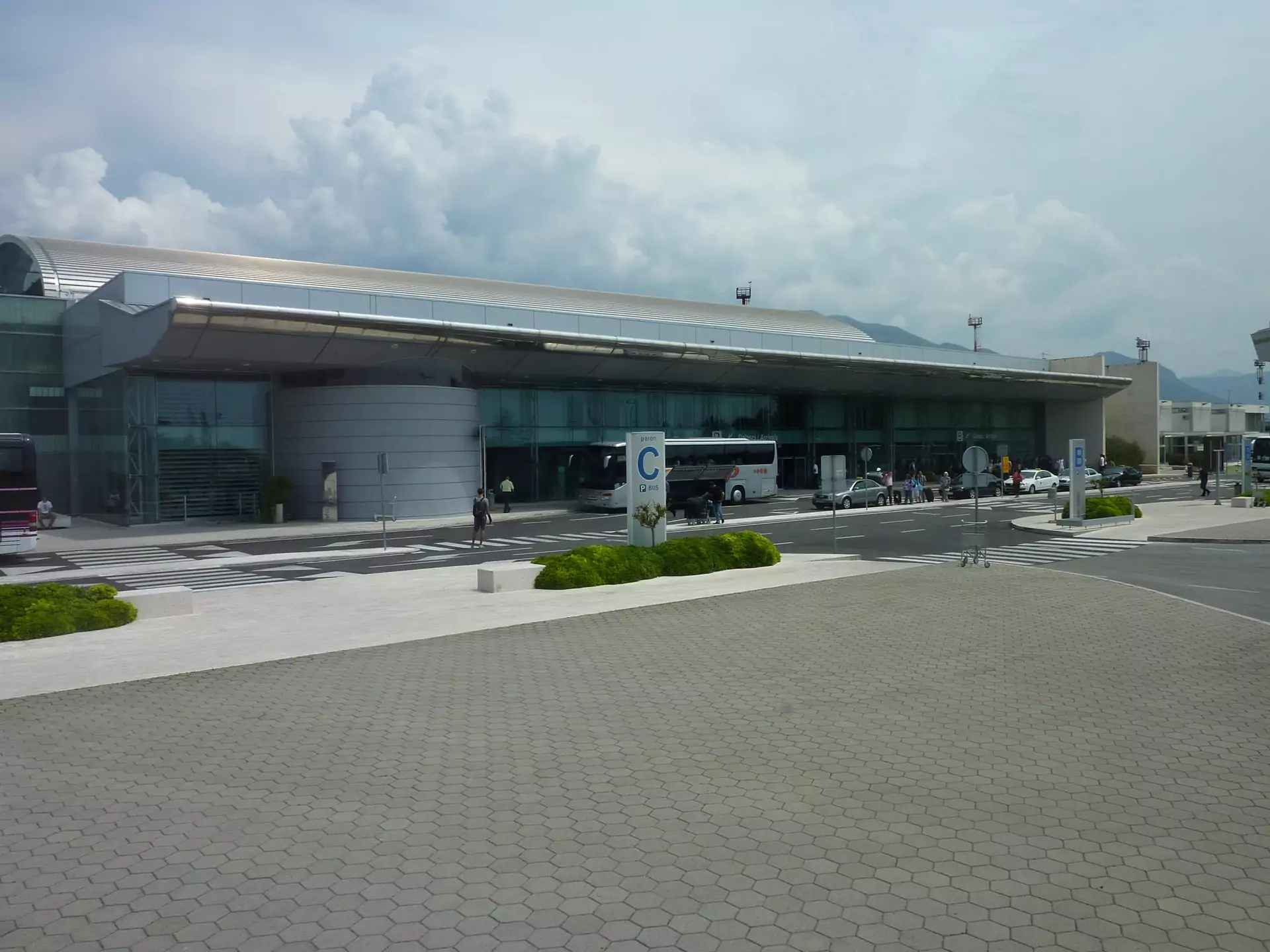
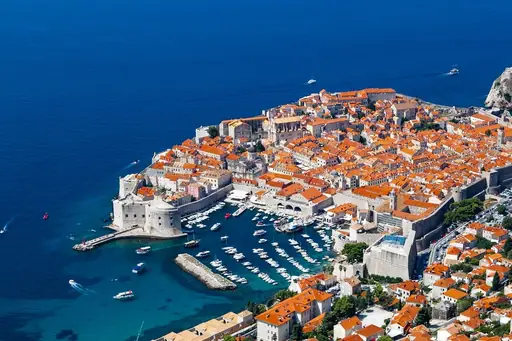
Dubrovnik Airport (IATA: DBV) is located near Čilipi, approximately 20 kilometers southeast of Dubrovnik city. This airport caters predominantly to tourism, handling both scheduled and charter flights. It is a vital link for travelers visiting the historic 'Pearl of the Adriatic' and nearby regions. Major carriers include Croatia Airlines and various European low-cost airlines operating seasonal routes.
Zadar Airport (IATA: ZAD) serves northern Dalmatia and the city of Zadar, offering multiple international connections. It is notable for growing passenger numbers and flights by budget airlines such as Ryanair, making it one of the preferred entry points for low-cost travelers exploring Croatia's coast.
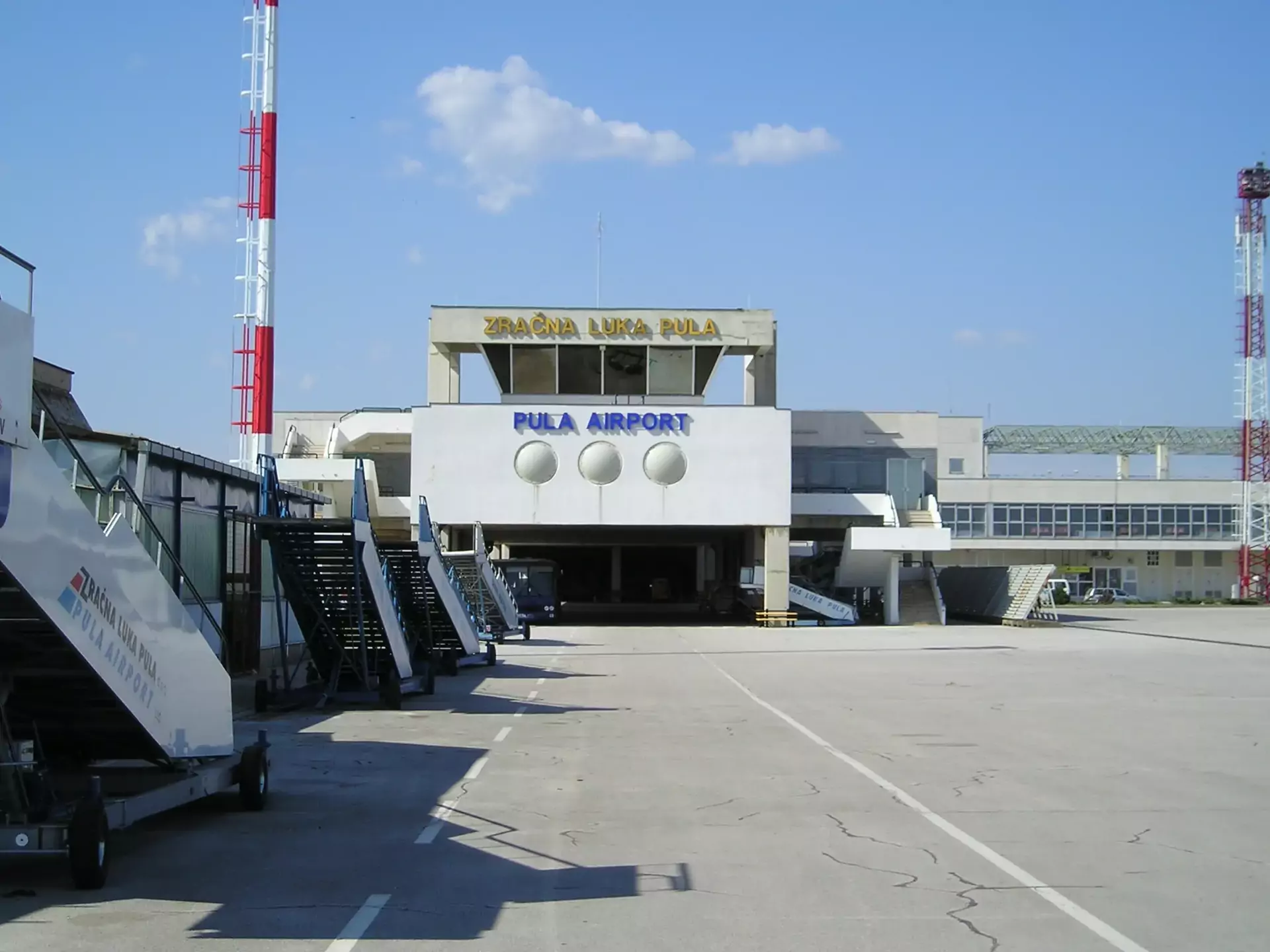
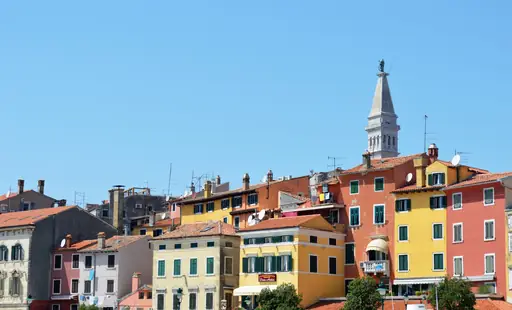
Pula Airport (IATA: PUY) on the Istrian Peninsula is another popular coastal airport, focusing on European leisure travel. Its convenient location supports access to the historic town of Pula and surrounding Istria region. Pula hosts various seasonal flights, many operated by low-cost carriers.
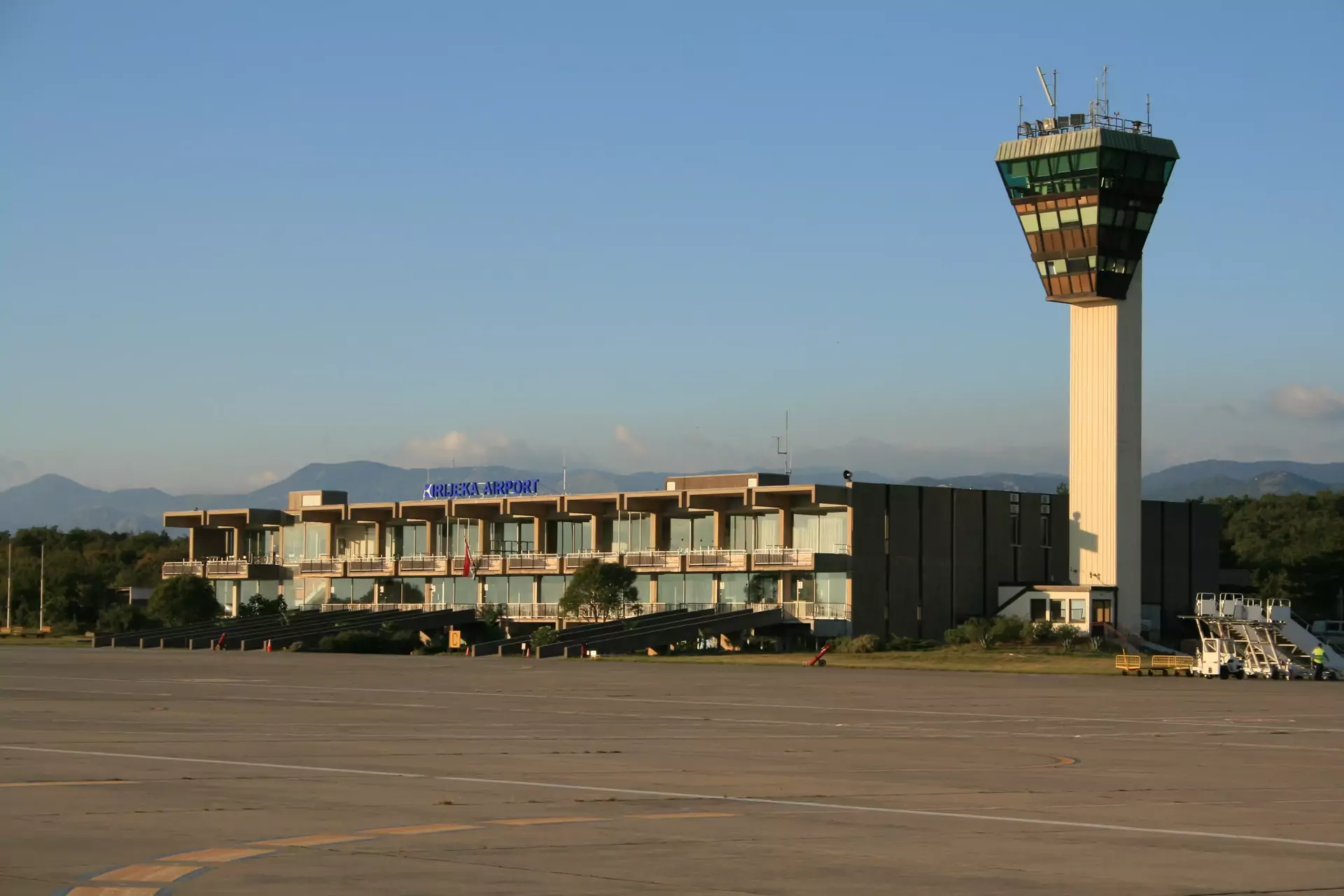
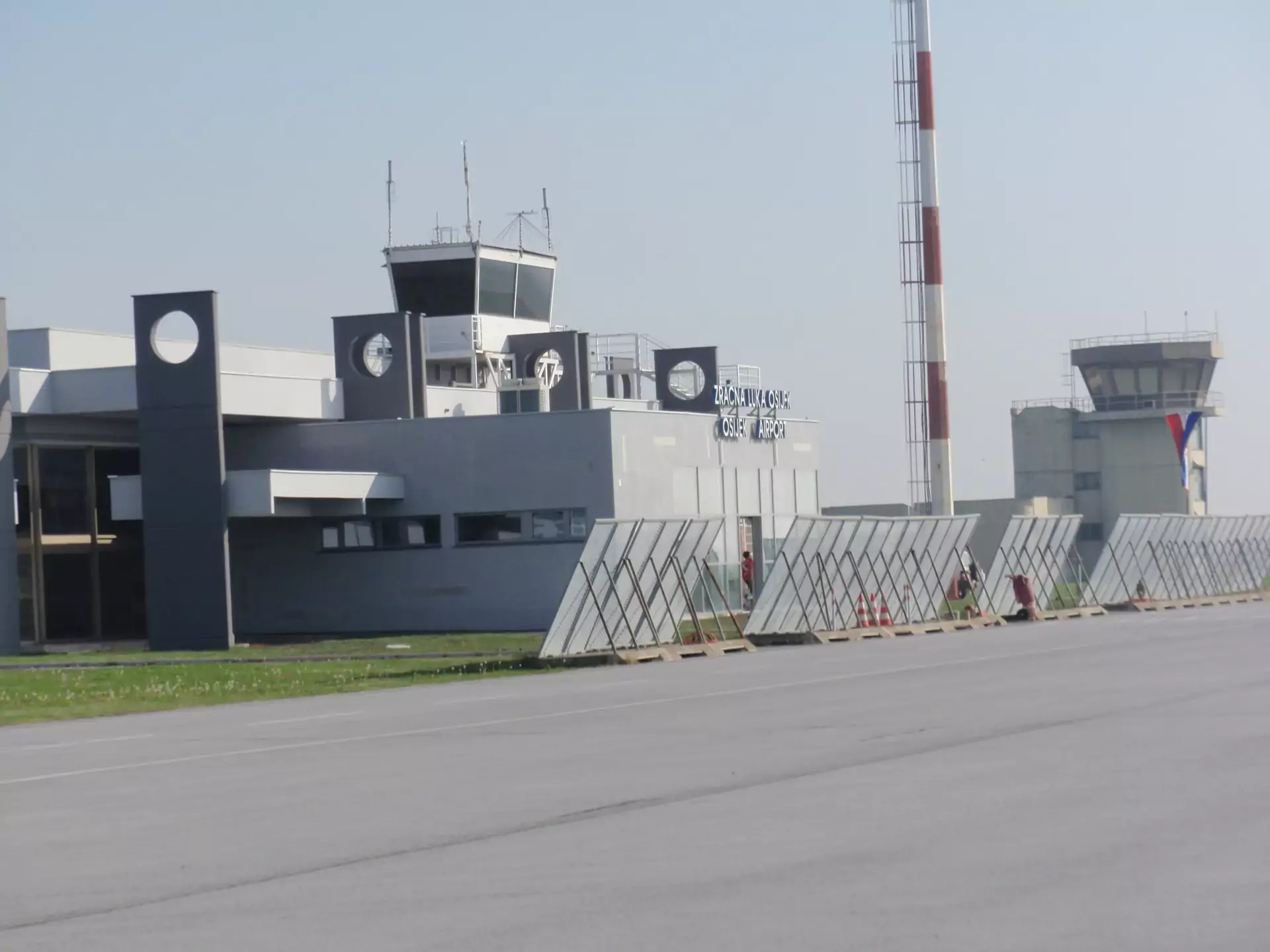
Other smaller airports including Rijeka Airport (on the island of Krk), Osijek Airport in the east, Brač and Lošinj provide regional connectivity and seasonal services, often catering to tourists heading to Croatia’s islands and less frequented destinations.
Overall, Croatia’s airport infrastructure blends major international gateways with regional and low-cost airports, supporting both high-volume tourist seasons and steady domestic travel. This diverse network ensures that Croatia remains accessible from multiple European hubs, combining efficient travel options with stunning Adriatic experiences.