We use cookies and external services: MapTiler for interactive maps and Google Maps to show route duration/distance. Both may process personal data such as your IP address, including transfers outside the EU/EEA. See our privacy policy for details. By clicking ‘Accept all’, you consent to this.
A multi-airport serves as a central hub where several airports operate together to handle different types of flights and passengers. These facilities often share runways, terminals or ground services so planes can land, take off and move efficiently between locations. Travelers benefit from more flight options, shorter layovers and better connections across regions. The setup supports both domestic routes and international travel while reducing congestion at a single airport. Multi-airport systems help cities grow by improving accessibility for passengers and businesses alike.
| Power Grid: |
230 V, 50 Hz Plug: Type G
Type G:
Read about power adapters |
|---|---|
| Currency: |
Maldivian Rufiyaa (MVR) £1 ≈ MVR 20.56 |
| Cashless info: |
Rating 4/5
Cashless payments are widely accepted on resort islands, in hotels, and in high-end restaurants. Outside tourist areas, cash is more common, though Visa and Mastercard are often accepted in urban areas.
Save with a travel credit card |
| eSIM providers: |
Best value: Saily Flexibility: Airalo Read our in-depth comparison |
| Tipping: | Tipping is not compulsory in the Maldives but is appreciated, especially in tourist areas. In restaurants, a 10% service charge is often added. It's common to leave small tips (5-10%) for hotel staff and taxi drivers. |
|---|---|
| Public drinking: | Public drinking is not allowed in the Maldives, except in designated hotel areas or private resorts. Alcohol is prohibited in public spaces on the islands, and guests should drink alcohol only in licensed establishments. |
| Public smoking: | Smoking is allowed in designated areas, but it is prohibited in many public indoor spaces. Many hotels and restaurants have specific smoking zones. |
| Independence Day (26 July) |
Celebrated with national parades |
|---|---|
| Eid al-Fitr (variable) |
Celebrated with family gatherings and local festivities |
| Emergency contact: | Emergency Number: 119 (Police), 102 (Ambulance) |
|---|---|
| Taxi apps: | None, Taxis can be arranged through hotel concierge or local agents |
| Other: | The Maldives is known for its beautiful beaches, clear waters, and luxury resorts. Visitors should be prepared for limited medical facilities, particularly outside major islands. |
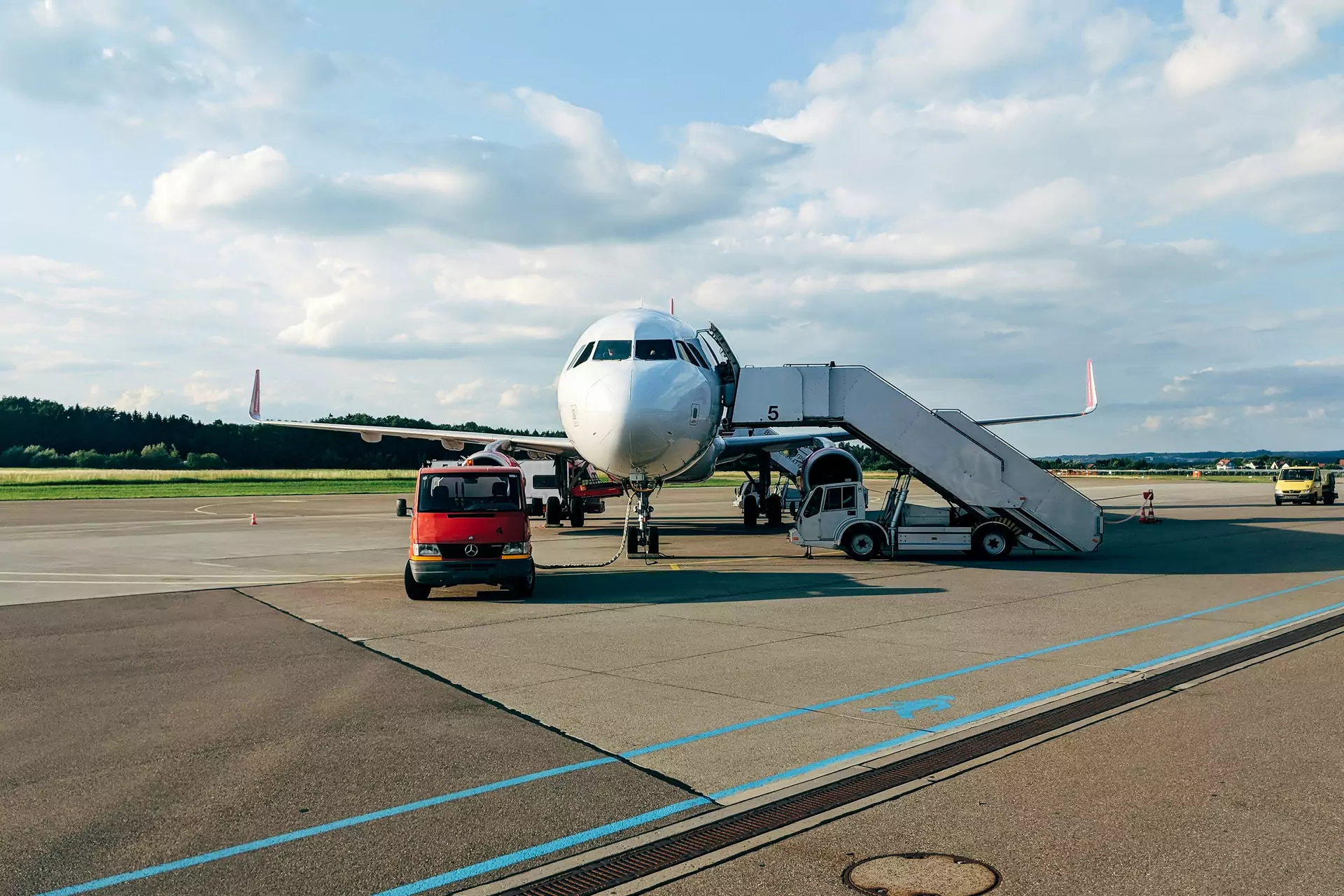
An airport serves as a central hub where planes take off and land connecting people across regions. It functions like a busy crossroads but in the sky. Travelers arrive early to pass through security checkpoints and collect luggage from conveyor belts. The terminal area features shops cafes and information desks designed to help passengers navigate their journey.
Modern airports include multiple terminals each handling different airlines or flight routes. Signage is clear with maps showing gate locations baggage claim areas and restrooms. Many facilities provide charging stations for electronic devices and quiet zones for those needing a break before boarding. The layout encourages efficient movement between check-in counters security lines and departure gates.
Airports rely on technology to manage arrivals departures and delays. Digital screens display real-time updates about flight status gate changes and baggage availability. Staff members assist with lost items language barriers or special requests such as wheelchair access. Some airports have lounges offering comfortable seating free Wi-Fi and snacks for passengers willing to pay a fee.
Safety remains a top priority at every airport. Emergency exits fire drills and trained personnel are positioned throughout the building. Security teams use scanners and metal detectors to ensure weapons or prohibited items do not enter aircraft areas. Environmental efforts include recycling programs energy-efficient lighting and plans to reduce carbon emissions from ground operations.
Helpful tips for Muli Airport
- Arrive two hours early to navigate security and customs efficiently.
- Use the airport's free Wi‑Fi to check flight status and download boarding passes before reaching the gate.
- Pack liquids in a clear, resealable bag; remember the 100ml limit for carry‑on items at all terminals.
- Explore the multi‑airport complex’s duty‑free shops early, as some outlets close earlier than domestic gates and offer exclusive regional products.
How to get from Muli Airport to popular destinations
To Muli City Center:
From Muli Airport, you can take a local shuttle bus or taxi to the city centre. The bus runs every 30 minutes, cost CN¥20 (£2.24), journey 15-20 min. Taxis available at kerbside, fare CN¥25 – 35 (£2.80 – 3.92). Note: traffic light delays during peak hours.
To Chengdu:
To reach Chengdu from Muli Airport, take a bus to the county seat then transfer to a train or long-distance coach heading to Chengdu Railway Station. Total travel time is about 4-5 hours; buses cost CN¥80 (£8.95), trains CN¥120 (£13.43). Buses run daily at 6 am and 10 pm.