





Was this page helpful?

| Power Grid: |
240 V, 50 Hz Plug: Type G
Type G:
 Read about power adapters |
|---|---|
| Currency: |
Ugandan Shilling (UGX) £1 ≈ UGX 5,842 |
| Cashless info: |
Rating 3/5
Cashless payments are accepted in larger businesses and tourist areas, though cash is still widely used throughout Uganda.
Save with a travel credit card |
| eSIM providers: |
Best value: Saily Flexibility: Airalo Read our in-depth comparison |
| Tipping: | Tipping is not mandatory in Uganda but is appreciated for good service in restaurants (10%), hotels, and taxis. |
|---|---|
| Public drinking: | Public drinking is allowed in Uganda, though drinking alcohol in public spaces may be subject to local regulations. |
| Public smoking: | Smoking is allowed in outdoor public spaces and designated indoor areas in Uganda. |
| Independence Day (9 October) |
Celebrates Uganda’s independence from Britain |
|---|---|
| NRM Liberation Day (26 January) |
Marks the victory of the National Resistance Movement |
| Emergency contact: | Emergency Number: 112 |
|---|---|
| Taxi apps: | Uber, Bolt |
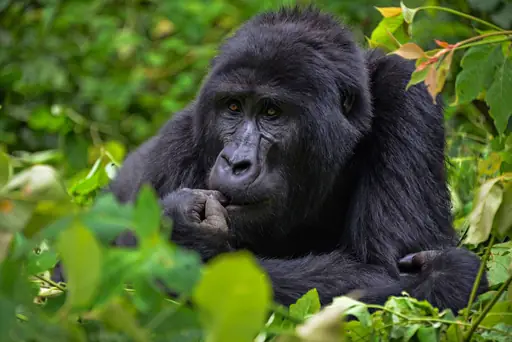
| Other: | Uganda is known for its diverse wildlife, including gorilla trekking in Bwindi Impenetrable Forest and safaris in Queen Elizabeth National Park. The country offers a rich cultural and natural experience. |
The best times to travel section shows how the months compare for a visit, so you can find the time of year that fits what you want to do.
Background colours of the months:
The colour shows the typical temperature: yellow (hot), green (mild) and blue (cold). How strong the colour is shows the travel season: full colour means high season, soft colour means shoulder season and soft-striped means off season.
Weather symbols:
Each month has one symbol showing what the weather is typically like, such as hot and sunny, freezing or a rainy or snowy season. Use them to quickly spot months that match the weather you want, or to avoid the ones that don't.
Crowdedness:
The people icon shows how busy the place usually is. The more people, the more crowded it gets.
Additional notes:
The grey info boxes point out special things worth knowing, like recurring weather issues or seasonal events.
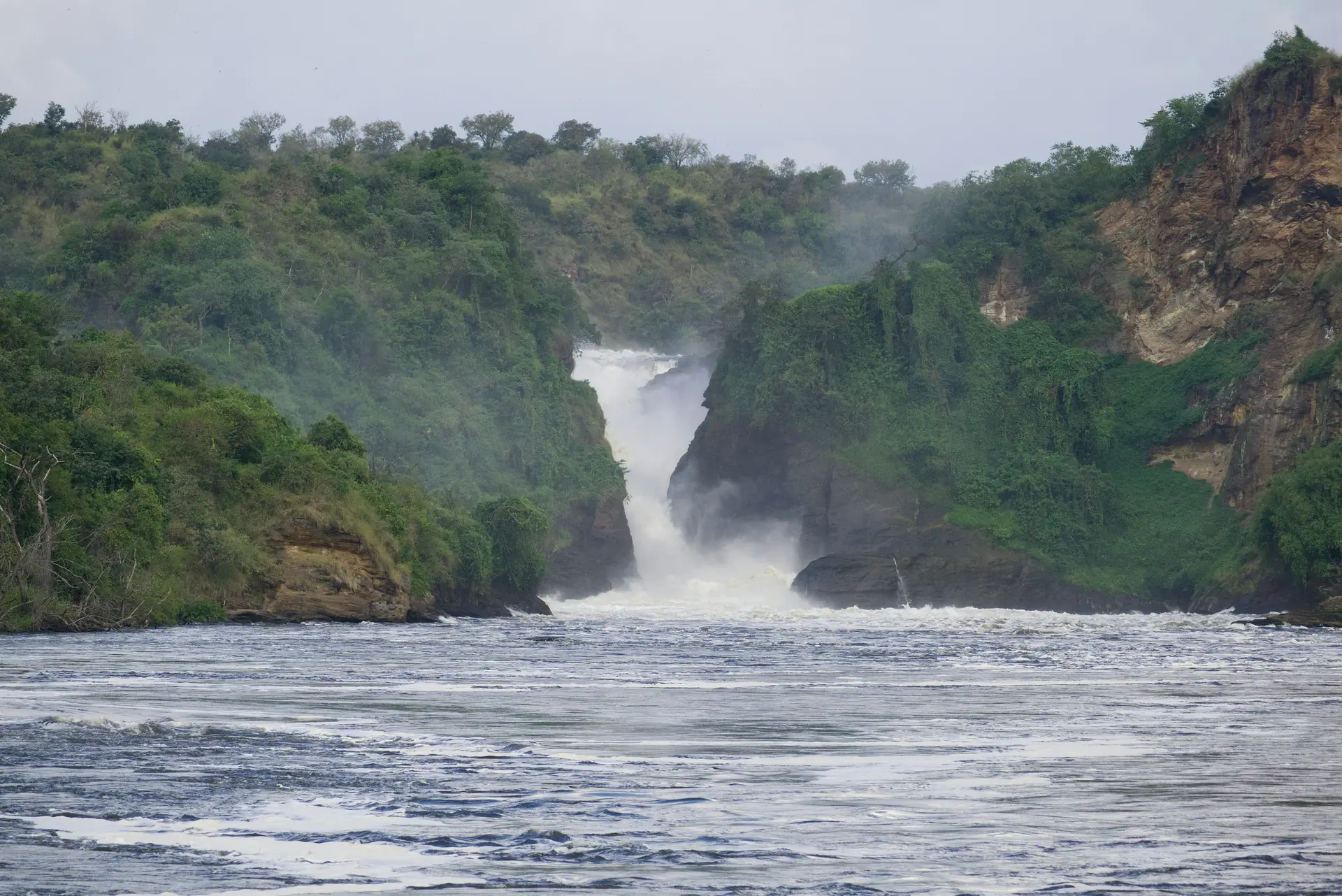
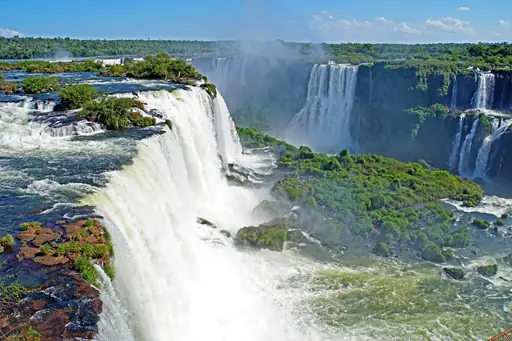
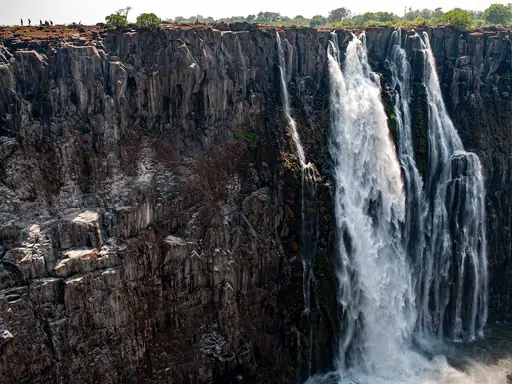
Murchison Falls is a striking natural landmark in Uganda where the Victoria Nile meets a narrow gorge. The water rushes through a tight passage creating a powerful cascade that drops over 40 meters. Visitors see the sheer force of water crashing into a pool below. The site showcases raw geological energy shaped by centuries of erosion and river flow.
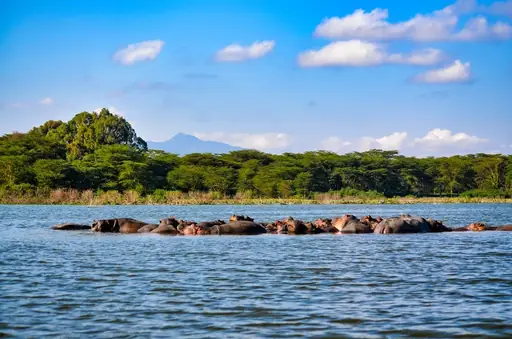
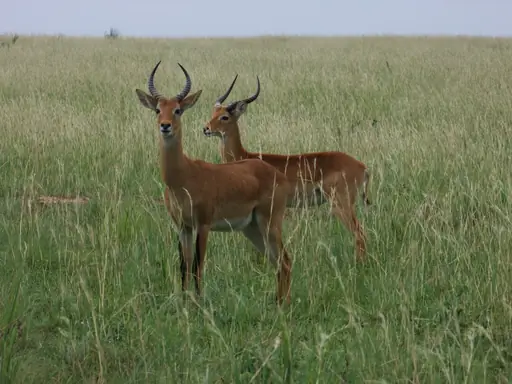
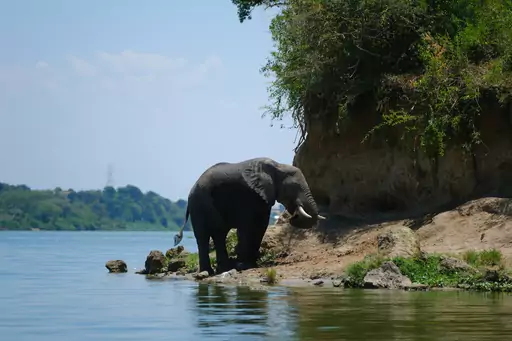
The area around Murchison Falls forms part of Uganda’s largest protected park. Wildlife thrives here including elephants buffaloes and various antelope species. Birdwatchers find many species active along the banks and nearby wetlands. Crocodiles often rest on rocks near the water’s edge while hippos occupy deeper pools.
Travelers can reach the falls by road from Kampala or via boat rides along the Victoria Nile. Guided hikes lead to viewing platforms offering safe close-up perspectives of the cascade. Boat tours also pass through calm stretches where travelers spot dolphins and other aquatic life. Camping options provide opportunities for overnight stays under open skies.
Conservation efforts focus on protecting water quality and wildlife corridors around the falls. Local communities work with park authorities to manage tourism sustainably. Visitors are encouraged to respect rules that prevent pollution or disturbance of habitats. The site remains a vital part of Uganda’s natural heritage for future generations to experience.
Murchison Falls National Park, home to Uganda’s iconic Murchison Falls, is accessed primarily by road from Kampala, the capital city. The park lies approximately 300 kilometers northwest of Kampala, reachable via a well-maintained highway that takes around six hours by car. Alternatively, domestic flights from Entebbe Airport to Pakuba Airstrip offer a faster option, with a short flight followed by a brief road transfer to the park entrance. Visitors can also travel by bus or private vehicle along the Victoria Nile corridor. The park’s main gate serves as the primary entry point for travelers exploring its waterfalls and wildlife.
Near Murchison Falls National Park, lodging ranges from rustic lodges to upscale safari camps. Budget travelers can find modest bungalows and tented campsites offering basic amenities for US$30 – 70 (£22.55 – 52.61) per night, often with shared bathrooms and communal kitchens. Mid‑range options include eco‑lodges that blend local architecture with modern comforts; these typically charge US$80 – 150 (£60.12 – 112.73) nightly and provide guided game drives, river walks and on‑site restaurants serving regional cuisine. For those seeking luxury, exclusive tented camps and boutique lodges offer private suites, spa services and panoramic views of the Nile, with rates from US$200 (£150.31) to over US$400 (£300.61) per night. The area is renowned for its authentic safari experience, where accommodation often incorporates local materials and wildlife viewing platforms.
Log in to add this place to a travel list and get a summary of all recommended items for your whole trip.
We calculate the average costs when travelling to destinations and compare those with the living costs at your home. With this you can get an estimate of how expensive or cheap the destination is for you.
To customise this, you can set up which location and price level are used for the calculations in your account settings.
The exchange rate price factor shows how expensive or cheap a currency currently is compared to its historical average. It's a quick way to see if a country is currently more or less affordable due to exchange rate changes.
