





Was this page helpful?

| Opening hours: |
|
|
|---|---|---|
| Public website: | www.nature-reserve.co.za |
| Power Grid: |
230 V, 50 Hz Plug: Type M
Type M:
 Read about power adapters |
|---|---|
| Currency: |
South African Rand (ZAR) £1 ≈ ZAR 22.10 |
| Cashless info: |
Rating 5/5
Cashless payments are widely accepted in South Africa, and credit cards are commonly used in most establishments.
Save with a travel credit card |
| eSIM providers: |
Best value: Saily Flexibility: Airalo Read our in-depth comparison |
| Tipping: | Tipping is customary in South Africa, with 10-15% being the standard in restaurants. Small tips for taxis and hotel staff are also appreciated. |
|---|---|
| Public drinking: | Public drinking is allowed in designated areas, including parks and beaches. However, it is generally prohibited in public spaces like streets. |
| Public smoking: | Smoking is prohibited in indoor public spaces and some outdoor areas. Designated smoking zones are available in certain locations. |
| Freedom Day (27 April) |
Celebrates South Africa's first democratic elections |
|---|---|
| Christmas (25 December) |
A major festive holiday in the country |
| Emergency contact: | Emergency Numbers: 10111 (Police), 10177 (Ambulance), 112 (from mobile phones) |
|---|---|
| Taxi apps: | Bolt, Uber |
| Other: | South Africa is famous for its wildlife, beautiful landscapes, and rich cultural diversity. It offers a wide range of travel experiences from safaris to coastal adventures. |
The best times to travel section shows how the months compare for a visit, so you can find the time of year that fits what you want to do.
Background colours of the months:
The colour shows the typical temperature: yellow (hot), green (mild) and blue (cold). How strong the colour is shows the travel season: full colour means high season, soft colour means shoulder season and soft-striped means off season.
Weather symbols:
Each month has one symbol showing what the weather is typically like, such as hot and sunny, freezing or a rainy or snowy season. Use them to quickly spot months that match the weather you want, or to avoid the ones that don't.
Crowdedness:
The people icon shows how busy the place usually is. The more people, the more crowded it gets.
Additional notes:
The grey info boxes point out special things worth knowing, like recurring weather issues or seasonal events.
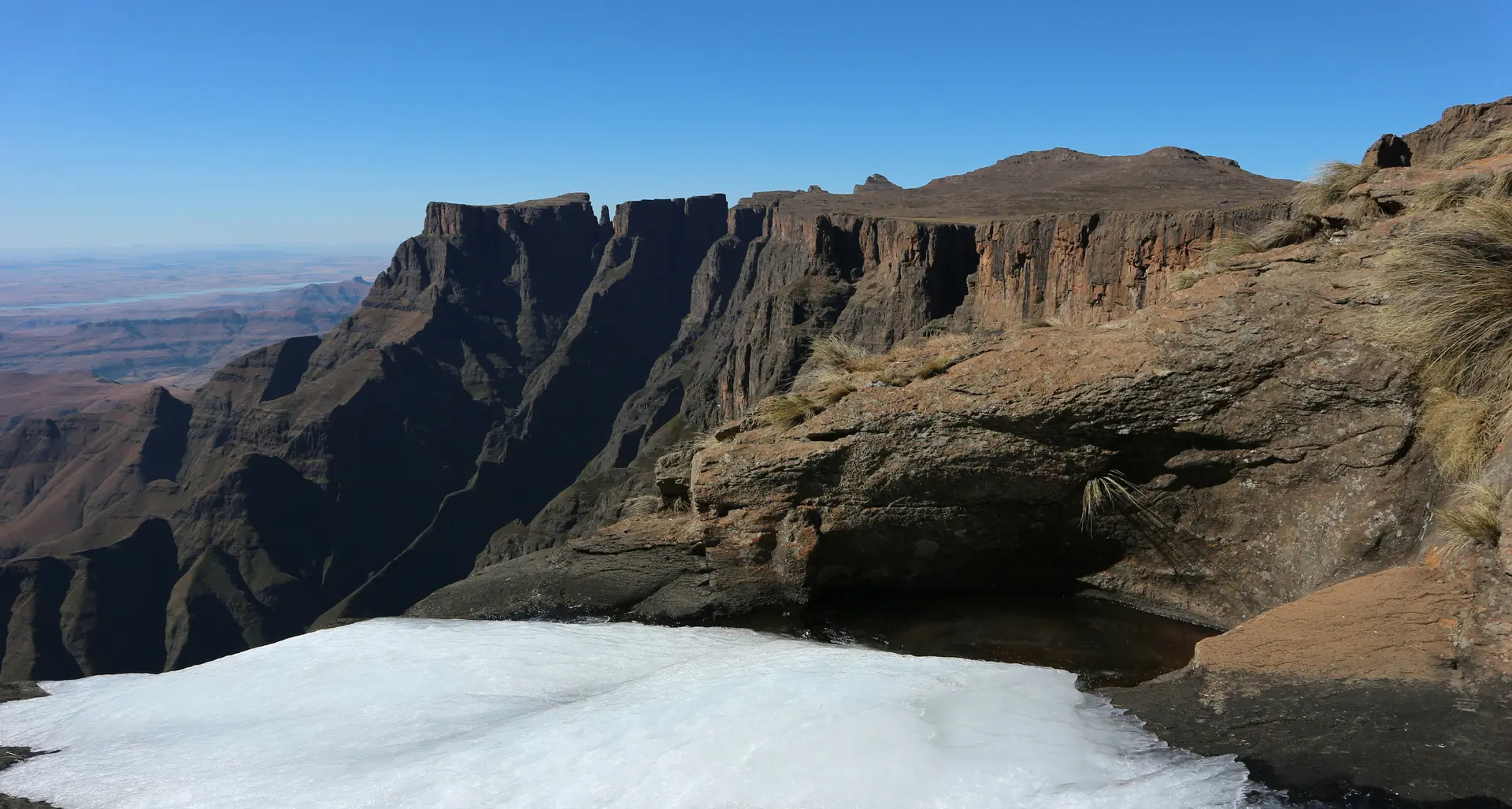
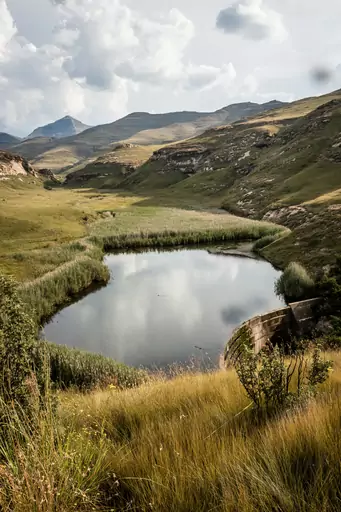
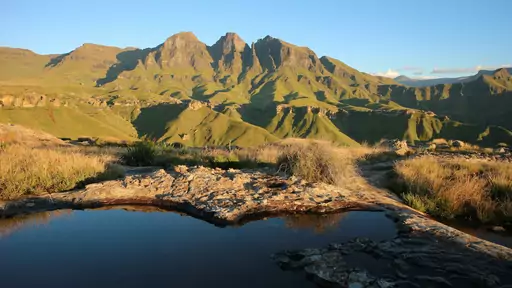
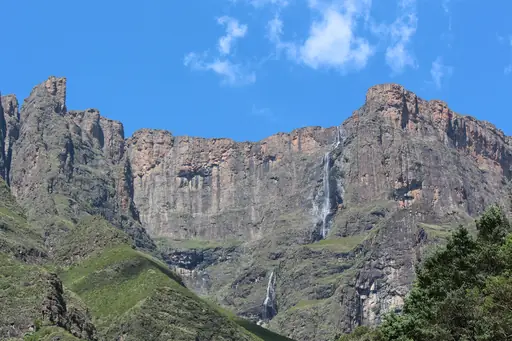
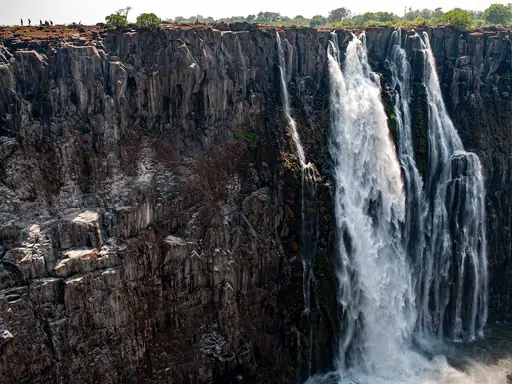
Tugela Falls stands as one of Africa’s most striking natural landmarks located in KwaZulu-Natal province. It plunges from a height exceeding 950 meters making it the **tallest waterfall** on the continent. The falls are part of the Drakensberg mountain range where steep cliffs and mist create dramatic scenery. Visitors often notice how the surrounding grassland turns into a lush carpet after heavy rains feeding the cascades.
The water source originates from high altitude streams that flow down rocky slopes before joining together near the summit. During the rainy season the volume increases significantly turning the falls into a powerful curtain of water. In drier months the stream narrows but still maintains its force creating thunderous sounds that echo across valleys. The area supports diverse plant life including alpine grasses and hardy shrubs adapted to high winds and frequent spray.
Hiking trails lead to viewpoints offering safe access without disturbing wildlife. Guides recommend sturdy footwear as paths can be uneven with loose stones near the base. Birdwatchers may spot species like the Bearded Vulture soaring above while smaller birds nest in cliffside crevices. Photography enthusiasts find varied lighting conditions throughout the day which affects how the water appears in photos.
Local communities value Tugela Falls for both cultural significance and tourism income. Conservation efforts focus on protecting fragile ecosystems from erosion caused by heavy foot traffic. Visitors are encouraged to follow marked routes respect local customs and avoid littering. The site remains a reminder of nature’s scale without relying on exaggerated claims about its beauty or uniqueness.
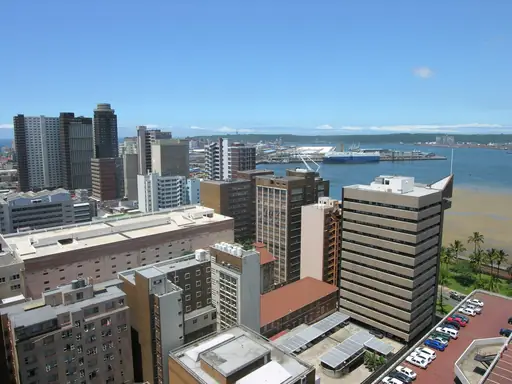
Tugela Falls, located in KwaZulu-Natal, South Africa, is accessed via the Royal Natal National Park. The nearest town is Durban, approximately 150 km away by road. Visitors typically drive along the N2 highway toward the park’s entrance, which requires a valid park pass and vehicle permit. Public transport options are limited; guided tours or private transfers from Durban are recommended for convenience. The park offers basic facilities, including parking areas near the falls. Entry fees apply and seasonal road conditions may affect accessibility during heavy rains. Hiking trails nearby provide alternative viewpoints but require moderate fitness levels. Accommodation within the park is limited to basic rest camps.
Tugela Falls sits within the Drakensberg National Park, so most lodging is geared toward eco‑tourism and adventure travelers. The area offers a mix of self‑contained chalets, rustic lodges and tented camps that blend comfort with wilderness immersion. Chalets typically range from mid‑range to upscale, featuring private decks overlooking the valley, while lodge rooms are often more modest but include communal dining and guided tours. Tented camps provide an affordable, immersive experience, with pitches set among native vegetation and shared fire pits for storytelling. Prices vary seasonally: off‑peak stays can start around ZAR 1,200 (£54.74) per night, whereas peak season rates climb to ZAR 2,500 (£114.05) or higher for premium chalets. The region is renowned for its “backcountry” style accommodations that emphasize sustainability and local culture.
Log in to add this place to a travel list and get a summary of all recommended items for your whole trip.
We calculate the average costs when travelling to destinations and compare those with the living costs at your home. With this you can get an estimate of how expensive or cheap the destination is for you.
To customise this, you can set up which location and price level are used for the calculations in your account settings.
The exchange rate price factor shows how expensive or cheap a currency currently is compared to its historical average. It's a quick way to see if a country is currently more or less affordable due to exchange rate changes.
