







Was this page helpful?

| Power Grid: |
220 V, 50 Hz Plug: Type C , Type D
Type C:
  Read about power adapters |
|---|---|
| Currency: |
Congolese Franc (CDF) £1 ≈ CDF 3,079.32 |
| Cashless info: |
Rating 2/5
Cashless payments are not widely accepted. Cash is the most common method of payment, especially in rural areas. Credit cards may be accepted in larger cities and hotels.
Save with a travel credit card |
| eSIM providers: |
Best value: Saily Flexibility: Airalo Read our in-depth comparison |
| Tipping: | Tipping is not obligatory, but it is appreciated for good service, especially in restaurants and by hotel staff. A tip of 5-10% is common. |
|---|---|
| Public drinking: | Public drinking is not allowed in certain areas, particularly in cities. It is recommended to consume alcohol in licensed venues like restaurants or bars. |
| Public smoking: | Smoking is prohibited in indoor public spaces, including restaurants and public transport. |
| Independence Day (30 June) |
National holiday celebrating the country's independence, celebrated with parades and festivities |
|---|
| Emergency contact: | Emergency Number: 112 |
|---|---|
| Taxi apps: | |
| Other: | The Democratic Republic of the Congo is known for its natural resources, including Congo Basin rainforests, and diverse wildlife, but travellers should be cautious of political instability. |
The best times to travel section shows how the months compare for a visit, so you can find the time of year that fits what you want to do.
Background colours of the months:
The colour shows the typical temperature: yellow (hot), green (mild) and blue (cold). How strong the colour is shows the travel season: full colour means high season, soft colour means shoulder season and soft-striped means off season.
Weather symbols:
Each month has one symbol showing what the weather is typically like, such as hot and sunny, freezing or a rainy or snowy season. Use them to quickly spot months that match the weather you want, or to avoid the ones that don't.
Crowdedness:
The people icon shows how busy the place usually is. The more people, the more crowded it gets.
Additional notes:
The grey info boxes point out special things worth knowing, like recurring weather issues or seasonal events.
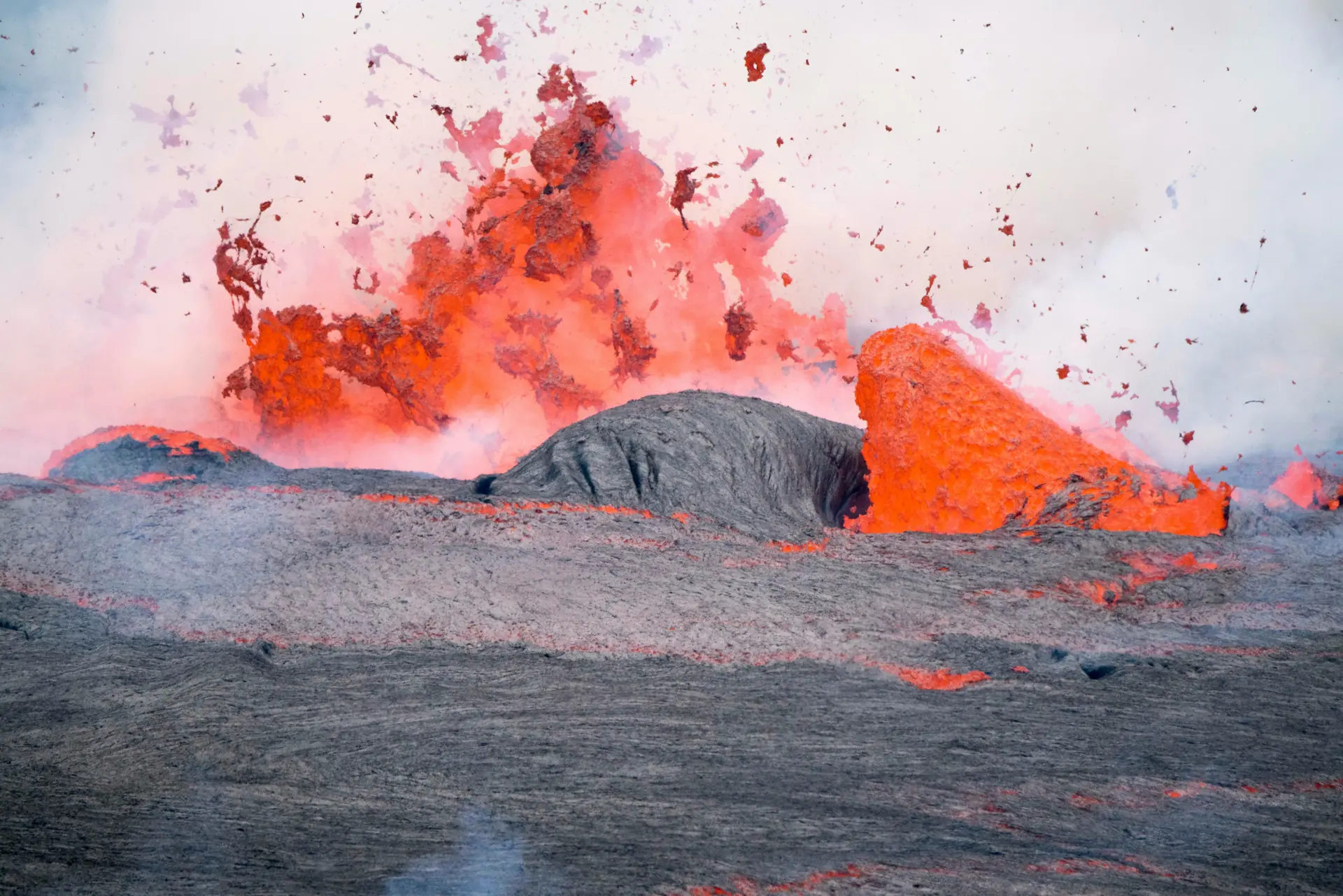
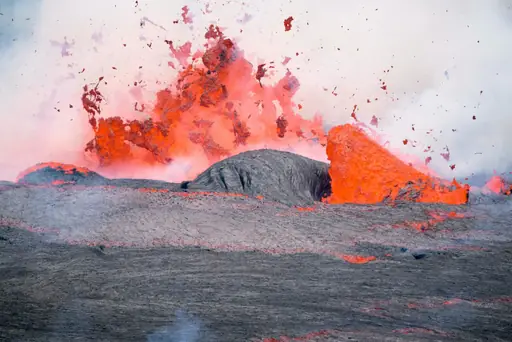
Mount Nyiragongo stands as one of Africa’s most striking geological features. Located in the Democratic Republic of the Congo this volcano rises over 3,470 meters above sea level. Its steep slopes are covered with dense forests that give way to open plains near the summit. The mountain is famous for its active lava lake which glows brightly at night and draws scientists and adventurers alike.
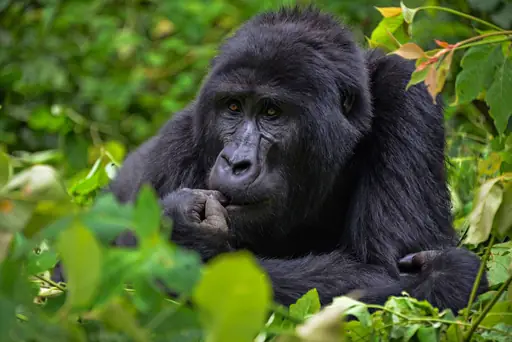
The volcano sits inside Virunga National Park a UNESCO World Heritage site known for both natural diversity and ongoing conservation work. Lava flows from Nyiragongo have shaped the landscape over centuries creating unique rock formations and fertile soil that supports local agriculture. The area is home to several rare species including mountain gorillas whose presence highlights the importance of protecting this environment.
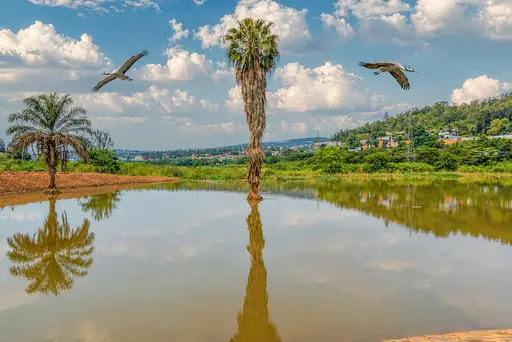
Visitors can hike parts of the mountain but reaching the summit requires careful planning. Trails often pass through villages where guides share knowledge about the volcano’s history and cultural significance. At night the lava lake offers a powerful view though temperatures remain cool due to altitude. Many travelers combine a climb with visits to nearby lakes or waterfalls making the journey both educational and scenic.
Local communities rely on Nyiragongo for resources such as geothermal energy and fertile land. However frequent eruptions pose challenges requiring constant monitoring by scientists. The volcano’s activity reminds people of nature’s unpredictable power while also showing how life adapts to dynamic conditions. Whether viewed from afar or experienced up close Mount Nyiragongo remains a place where science culture and environment intersect in meaningful ways.
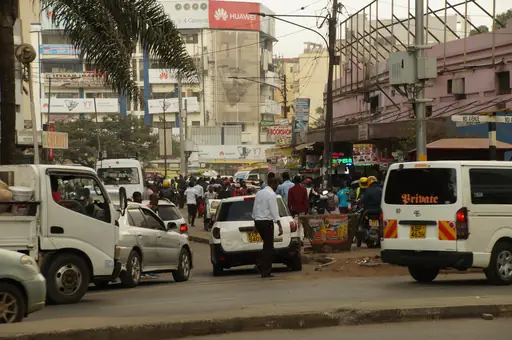
Mount Nyiragongo, located in Virunga National Park, Democratic Republic of the Congo, is accessible via road from Goma, a city on the northern shore of Lake Kivu. The nearest airport is Goma International Airport, with limited commercial flights connecting to Kigali (Rwanda) or Kisangani (DRC). Road travel requires navigating rough terrain; 4x4 vehicles are recommended due to unpaved routes and potential security checkpoints. Permits may be required for park entry and guided tours are often arranged through local operators. The volcano’s active lava lake is visible from designated viewpoints within the crater, accessible via a short hike down the mountainside after arrival at the summit.
Near Mount Nyiragongo, lodging ranges from modest guesthouses in the town of Goma to more comfortable lodges on the outskirts that offer panoramic views of the volcano’s crater rim. Many accommodations are family‑run and provide basic amenities such as shared bathrooms and communal kitchens, reflecting the region’s developing tourism infrastructure. For travelers seeking higher comfort, a handful of eco‑lodges cater to eco‑tourists with solar power, composting toilets and guided hikes into the volcanic landscape. The area is renowned for its rustic, nature‑immersive stays rather than luxury resorts, making it ideal for adventurous visitors who value authenticity and proximity to one of Africa’s most active volcanoes.
Log in to add this place to a travel list and get a summary of all recommended items for your whole trip.
We calculate the average costs when travelling to destinations and compare those with the living costs at your home. With this you can get an estimate of how expensive or cheap the destination is for you.
To customise this, you can set up which location and price level are used for the calculations in your account settings.
The exchange rate price factor shows how expensive or cheap a currency currently is compared to its historical average. It's a quick way to see if a country is currently more or less affordable due to exchange rate changes.
