







Was this page helpful?

The best times to travel section shows how the months compare for a visit, so you can find the time of year that fits what you want to do.
Background colours of the months:
The colour shows the typical temperature: yellow (hot), green (mild) and blue (cold). How strong the colour is shows the travel season: full colour means high season, soft colour means shoulder season and soft-striped means off season.
Weather symbols:
Each month has one symbol showing what the weather is typically like, such as hot and sunny, freezing or a rainy or snowy season. Use them to quickly spot months that match the weather you want, or to avoid the ones that don't.
Crowdedness:
The people icon shows how busy the place usually is. The more people, the more crowded it gets.
Additional notes:
The grey info boxes point out special things worth knowing, like recurring weather issues or seasonal events.
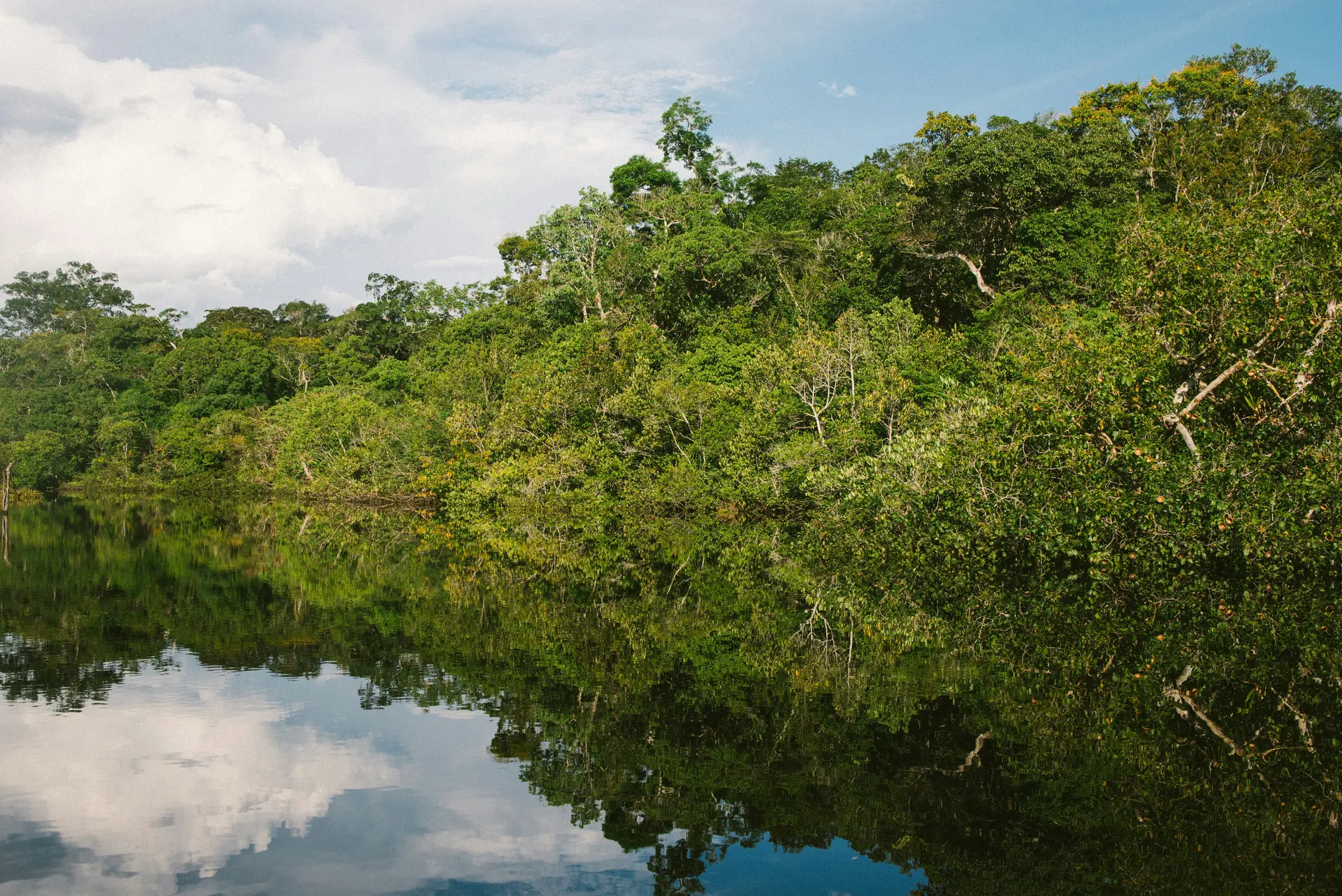
The Amazon River flows through Brazil and is one of the longest rivers in the world. It stretches over 6,400 kilometers across South America. The river passes through dense rainforests and supports a huge range of animals and plants. Many towns rely on its waters for fishing and transport.
Along its banks live communities that have lived near the water for generations. Their daily life connects closely with the river’s rhythm. Boats move goods between villages while locals fish for food. The sound of flowing water is a constant part of their environment. Seasonal changes affect how much water flows and shape what people can do each year.
Travelers who visit often see huge trees, colorful birds and strange insects in the surrounding forest. Canoes or small boats are common ways to explore quieter parts of the river. Guides point out medicinal plants and explain how local knowledge helps protect the area’s natural balance. The experience feels calm but full of discovery.
The Amazon River is also important for global climate because its forests absorb carbon dioxide. Protecting these lands matters beyond Brazil since they influence weather patterns far away. Visitors learn why conservation efforts are needed and see projects aimed at keeping water clean and wildlife safe. The river shows how nature and human life can stay connected when respect is shown to both.
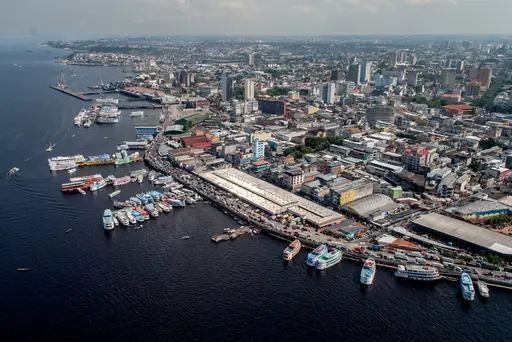
The Amazon River is accessible primarily by watercraft, with riverboats and cargo vessels being the most common means of transportation along its vast network. International travelers can reach the river via major ports such as Manaus or Belém in Brazil, which offer flights from cities like São Paulo and Rio de Janeiro. For overland access to tributaries, smaller aircraft and regional buses connect remote communities. The river’s navigable waters allow for direct travel between cities like Iquitos (Peru) and Santarém (Brazil), though seasonal water levels affect route availability. Some routes require permits due to environmental protections in protected areas. Local guides often arrange transport through jungle‑accessible channels, emphasizing the need for advance planning during dry or rainy seasons.
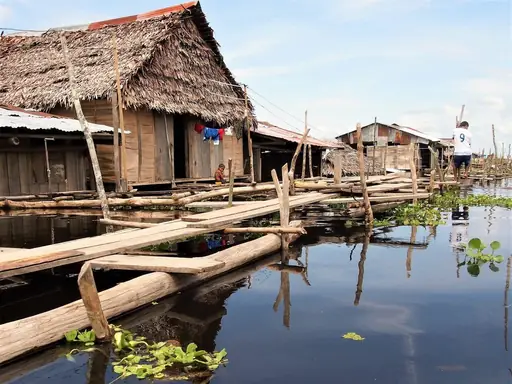
Riverbank lodges and eco‑resorts line the Amazon’s vast floodplain, offering a range from modest, rustic cabins to high‑end, sustainable retreats. Prices vary widely: basic jungle huts start around R$250 (£37.31) per night, while luxury eco‑lodges can exceed R$1,500 (£223.86), reflecting their solar power, composting toilets and guided wildlife tours. Many accommodations specialize in immersive experiences – overnight canoe stays, canopy walkways or community homestays that showcase local culture. The region is renowned for its “river house” concept: floating platforms anchored to the water, providing panoramic views of the rainforest canopy. Whether you seek a budget‑friendly jungle camp or an upscale eco‑experience, options abound along this iconic river corridor.
Log in to add this place to a travel list and get a summary of all recommended items for your whole trip.
We calculate the average costs when travelling to destinations and compare those with the living costs at your home. With this you can get an estimate of how expensive or cheap the destination is for you.
To customise this, you can set up which location and price level are used for the calculations in your account settings.
