


South America › Argentina › Tierra del Fuego

Tierra del Fuego

Scroll
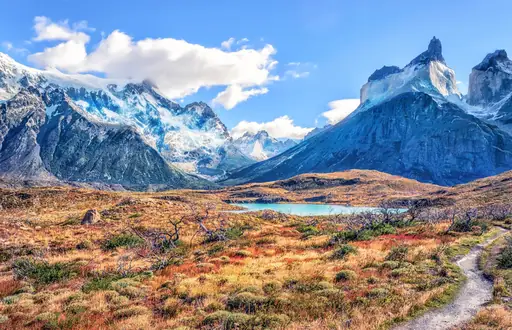
Endless winds and rugged volcanic horizons

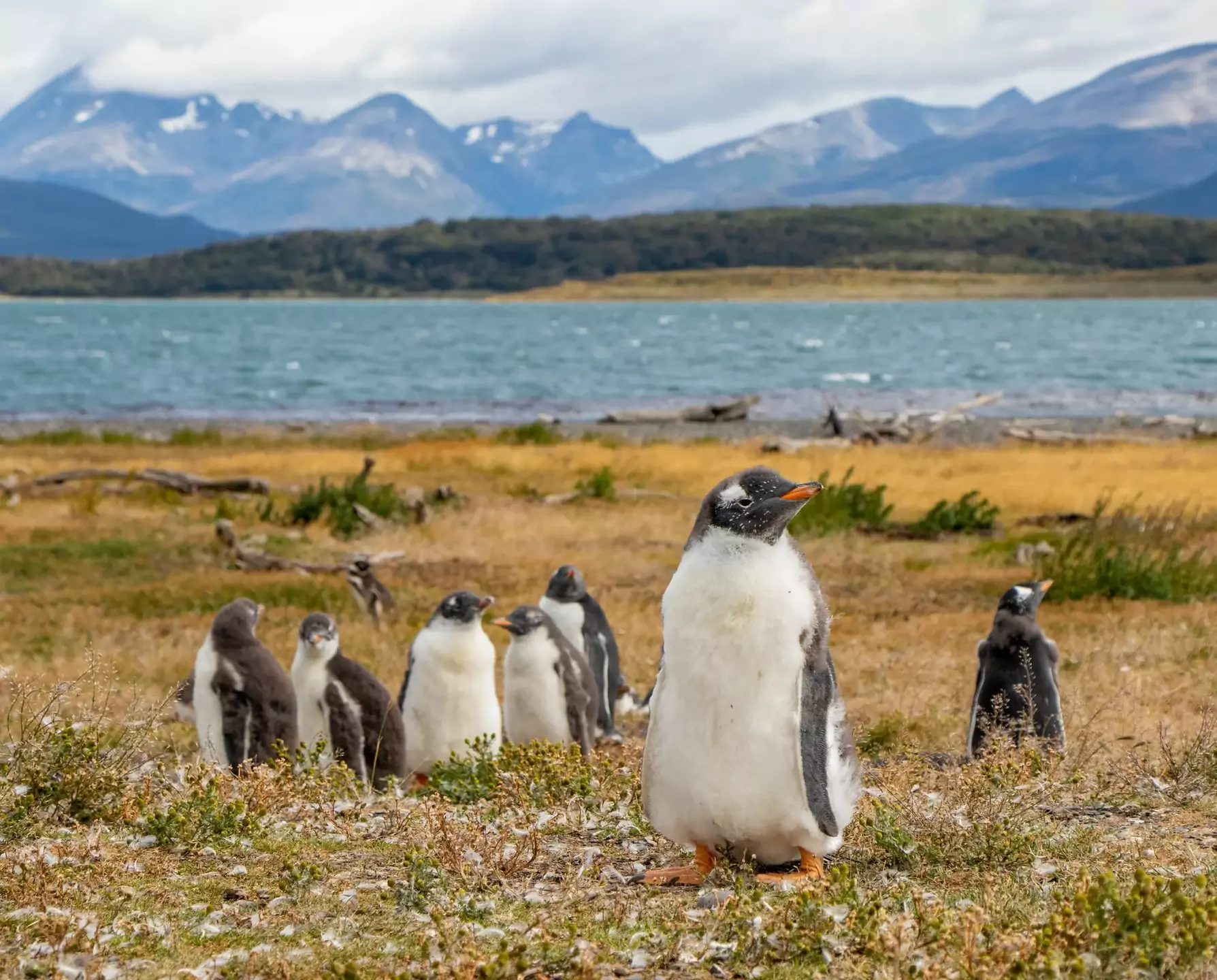
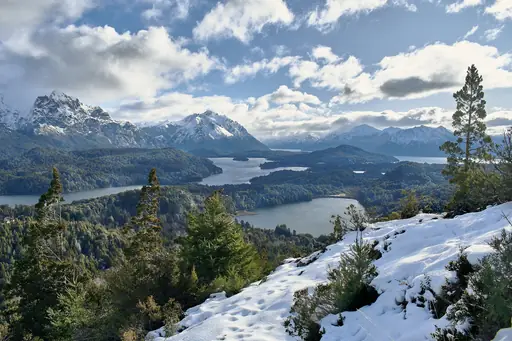
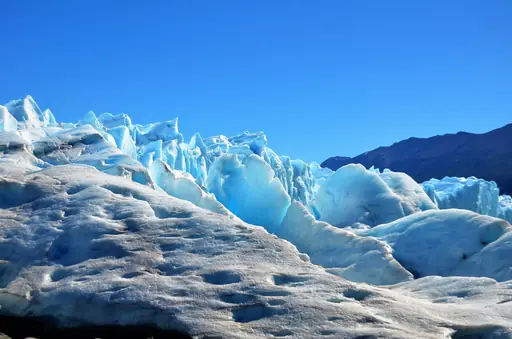
Tierra del Fuego lies at the southern tip of South America where rugged coastlines meet wild windswept plains. The archipelago includes islands separated by narrow straits and dotted with small towns built to withstand harsh weather. Here, forests give way to rocky shores and glaciers slowly grind against sea ice. Visitors encounter a mix of natural beauty and local culture shaped by centuries of exploration and fishing traditions. Wildlife thrives in the region including penguins seals and birds that nest along remote cliffs.

Archipelago
Climate zone: Cool oceanic

Cool oceanic: High-latitude oceanic climates with cool summers, chilly but not severe winters, persistent cloudiness and frequent rainfall or drizzle.

See climate table
Price level: $$$
$Cheap
$$Medium
$$$Expensive, upscale
$$$+Very expensive, luxury
See price details
Safety: 7.2
General Safety:8
Health & medical:6
Accessibility:4
Tap water:8
Read details
Tourist English: 3/5
In Tierra del Fuego, most locals speak Spanish, but many younger residents and tour guides understand basic English. Travelers can navigate with simple phrases, rely on bilingual signage and use translation apps for deeper conversations.
Last update: 16 Oct 2026
* We earn a commission from some links on this page.
Tierra del Fuego Summary

These place ratings give you a quick overview of how well a destination matches different types of trips.

‘Best for’ scores:
The specific interest scores show where this place really shines – whether it's ideal for hiking, food & drink experiences, museums or other activities. These highlights help you understand what makes the destination special at a glance.

‘Your personal’ scores:
This reflects how well a place matches your personal preferences. You can adjust the importances of travel topics or other personal requirements categories in your account settings.

‘Suited for’ badges:
These give you a quick overview of how well a destination suits specific types of travellers, to help you find the places that match your lifestyle, preferences or travel situation.

Read how our scores work
Great at offering dramatic fjords and untouched glaciers, Tierra del Fuego invites adventurers to explore its wild, wind‑blown landscapes and elusive remote wildlife.
Place score
7.7
Best at:
Fishing
10
Natural sites
9
Forests
8
Mountains
8
Snow
8
Personal score
?
Log in to see how this place matches your personal travel interests.
Suited for
👶 7
Families
🧓 6
Seniors
👩 8
Solo
❤️ 8
Couples
Best times to travel

The best times to travel section shows how the months compare for a visit, so you can find the time of year that fits what you want to do.

Background colours of the months:
The colour shows the typical temperature: yellow (hot), green (mild) and blue (cold). How strong the colour is shows the travel season: full colour means high season, soft colour means shoulder season and soft-striped means off season.

Weather symbols:
Each month has one symbol showing what the weather is typically like, such as hot and sunny, freezing or a rainy or snowy season. Use them to quickly spot months that match the weather you want, or to avoid the ones that don't.

Crowdedness:
The people icon shows how busy the place usually is. The more people, the more crowded it gets.

Additional notes:
The grey info boxes point out special things worth knowing, like recurring weather issues or seasonal events.

for Tierra del Fuego
🌧️
Jan
🌧️
Feb
🌧️
Mar
🌧️
Apr
❄️
May
🌨️
Jun
🌨️
Jul
🌨️
Aug
🌨️
Sep
🌧️
Oct
🌧️
Nov
🌧️
Dec
High season: Jan. - Feb., Dec.
Shoulder season: March - April, July - Aug., Nov.
Crowdedness: 5 (Moderate tourist numbers)
Tap on a month for more info Hover over a month for more info
Antarctic cruises depart from Ushuaia roughly November to March, book months ahead
Many trekking refugios, boat trips and tours operate only October to April, reduced in winter
Ski season at Cerro Castor runs roughly mid June to early October

Why travel to Tierra del Fuego?

Tierra del Fuego, the southernmost archipelago of South America, offers a unique blend of rugged landscapes and quiet cultural heritage that appeals to travelers seeking authenticity over spectacle. The islands are dominated by dramatic coastlines, dense temperate rainforests and volcanic peaks such as Mount Darwin, providing ample opportunities for hiking, kayaking and wildlife observation without the crowds found in more popular destinations. The archipelago’s history is rooted in indigenous Selk’nam traditions and later European exploration. Visitors can explore small fishing villages where local families still practice traditional crafts and learn about the region’s maritime heritage at museums that chronicle the era of whaling and early navigation. The capital, Ushuaia, often called “the end of the world,” serves as a gateway to the nearby Beagle Channel, where guided boat tours reveal colonies of sea lions, penguins and diverse birdlife. For those interested in sustainable travel, Tierra del Fuego offers eco‑lodges that blend into the natural environment, using renewable energy and local materials. The archipelago’s remote location means that travelers can experience a slower pace, with opportunities for stargazing under clear southern skies and enjoying fresh seafood caught by local fishermen. Overall, Tierra del Fuego rewards those who appreciate pristine nature, understated cultural encounters and the chance to explore one of Earth’s most remote frontiers.

🏙️Cities & Regions
  • 1 Ushuaia
    Gateway to Tierra del Fuego, this southernmost city offers dramatic fjords and glaciers. Visitors explore historic sites, whale watching tours and scenic hikes through Patagonian wilderness before heading back north along winding coastal roads.
🏯Places worth seeing
  • 1 Cape Horn
  • 2 Laguna Escondida
  • 3 Puerto Williams
  • 4 Tierra del Fuego National Park
  • 5 City Kids
🎡Places for activities
  • 1 Cape Horn
  • 2 Laguna Escondida
  • 3 Puerto Williams
  • 4 Tierra del Fuego National Park
🏞️Natural landmarks
  • 1 Cape Horn
  • 2 Laguna Escondida
  • 3 Tierra del Fuego National Park
🍽️Eat & Drink
  • 1 Kaupé
    Fuegian seafood tasting dinners in a fine dining restaurant up the hill from downtown Ushuaia. The family-run kitchen builds its menu around king crab and black hake from the Beagle Channel. The restaurant keeps an extensive Argentine wine cellar.
  • 2 Tía Elvira
    King crab and black hake at a seafood restaurant on Avenida Maipú facing the water. Cooks steam the crab and serve it with lemon. It has served centolla, the local king crab, for more than 45 years.
  • 3 El Viejo Marino
    Whole king crab at a simple port-side restaurant on Avenida Maipú. Diners can order the crab natural, served cool, or parmesana, baked with Parmesan cheese. A milanesa, a breaded cutlet, is on the menu for guests who skip seafood.
  • 4 Bodegón Fueguino
    Patagonian lamb, slow-roasted until it falls apart, with sauces and hearty sides. The restaurant is on Avenida San Martín in Ushuaia. It serves lunch and dinner from Tuesday to Sunday, closing between lunch and dinner.
  • 5 Volver
    Seafood, mainly king crab and black hake, in an old house near the port. The restaurant displays maritime memorabilia and prepares the local catch in traditional ways. The menu is varied enough for diners who do not want seafood.
  • 6 Panadería La Unión
    Pastries and coffee at a bakery in Tolhuin, in the middle of the province. Bakers sell facturas, sweet pastries, in a shop open for more than 40 years. Travellers driving between Ushuaia and Río Grande often stop here.

Knowledge before you go

  • Pack waterproof gear; weather is unpredictable even in summer.
  • Reserve a boat tour early; ferries between islands run on limited schedules and can be delayed by wind.
  • Learn basic Spanish phrases; locals appreciate effort, especially in remote villages where English is scarce.
  • Explore the archipelago during shoulder seasons (late spring or early autumn) to avoid crowds and enjoy clearer wildlife sightings.

How to travel to Tierra del Fuego

Tierra del Fuego, an archipelago at the southern tip of South America, is accessible primarily by sea or air. The main entry point is through Ushuaia, Argentina’s southernmost city, which serves as a gateway to the islands via ferry services from the mainland and regional flights. Ferries operate between Puerto Williams in Chile and various points on Tierra del Fuego, though schedules can be limited due to weather conditions. Smaller aircraft connect Ushuaia with other regional hubs like Punta Arenas (Chile) and Buenos Aires (Argentina). Access via land is restricted by rugged terrain, making maritime or aerial routes the standard for visitors.

Access summary

  • From Ushuaia Airport (USH): Taxi to ferry terminal, 15 min.
  • From Buenos Aires (EZE): Flight to Ushuaia, 2h 30m; or train to Río Gallegos, 18h.
  • Ferry from Puerto Williams to Isla Navarino: 4h 30min.

Where to stay in Tierra del Fuego

Tierra del Fuego offers a mix of rustic lodges and eco‑cabins nestled amid lenga forests and glacial valleys. Small family‑run hostels provide basic, affordable rooms with communal kitchens, while boutique eco‑resorts cater to travelers seeking sustainable luxury, featuring solar power, composting toilets and panoramic views of the Beagle Channel. In Ushuaia’s historic district, converted warehouses offer loft‑style apartments with modern amenities, ideal for longer stays. The archipelago’s remote islands host a handful of wilderness campsites that emphasize minimal impact, offering tents or yurts in exchange for guided wildlife tours. Prices vary from modest ARS 10,500 (£5.15) per night for hostel dorms to from ARS 70,000 (£34.34) for eco‑resort suites, reflecting the region’s emphasis on natural immersion and conservation.

How to get around Tierra del Fuego

Getting around Tierra del Fuego primarily relies on buses and ferries, as the region’s rugged terrain limits car travel. The main transportation hub is Ushuaia, where buses connect to smaller towns like Puerto Williams via routes operated by companies such as Andean Pathways or local providers. Ferries, including the Navimag service across the Strait of Magellan, link the archipelago to mainland Chile and Argentina. For remote areas, 4x4 rentals are popular but require a valid driver’s license and experience with off-road conditions. Taxis and shared shuttles operate in urban centers, while cycling is feasible on flat paths like those near Río Gallegos. Always check seasonal schedules for weather-dependent routes.
Budget snapshot
Costs compared to home

We calculate the average costs when travelling to destinations and compare those with the living costs at your home. With this you can get an estimate of how expensive or cheap the destination is for you.

To customise this, you can set up which location and price level are used for the calculations in your account settings.

-42 %
Daily expenses in the region are around 42% lower than the average across United States. That means you'll spend a lot less on meals and getting around.
Exchange rate trend

The exchange rate price factor shows how expensive or cheap a currency currently is compared to its historical average. It's a quick way to see if a country is currently more or less affordable due to exchange rate changes.

---
We currently don't have exchange rates for this place

Travel costs

To help you plan your trip, we provide estimated daily costs per person (when travelling as a pair) for different travel styles. These numbers give you an idea of what you might spend each day at this destination, including accommodation, food, transport and activities.

Additionally, we also provide average hotel costs for different travel styles to give you an estimate for the accommodation only.

Please note that these are only estimates. The real costs depend on booking times, season and other factors.

Daily cost summary

Travel style categories explained:

Backpacker:
Staying in hostels or budget hotels, cooking your own meals or eating cheap and choosing low-cost activities.

Mid-range:
Staying in mid-range hotels, eating at a mix of restaurants and casual spots and enjoying a variety of activities.

Luxury:
Staying in luxury hotels, dining out at high-end restaurants and enjoying premium experiences without worrying about the price.

Backpacker Mid-range Luxury
💵 Total costs per day, including accommodation
£58
£122
£320
🏨 Accommodation per night, per person
£30
£75
£188
🍝 Food per day
£25
£44
£125
🚕 Transportation per day
£3
£3
£7
Food & Drink
🍽️ Restaurant Dinner, per person
£13
🍛 Lunch Set, per person
£8.50
🍟 Fast food combo
£11.50
🍝 Preparing your own food, per day
£6.50
☕ Cappuccino
£5.50
🍺 Beer in a restaurant, 0.5 l
£2.60
Transportation
🚌 Public transport ticket
£0.70
🚕 Taxi Ride, 10 km / 6 mi
£3.70
⛽ Petrol, 1 l
£0.60
Other
🎞️ Cinema ticket
£5
👩‍⚕️ Doctor's consult
£24
🤧 Cold medication
£3
💇 Basic haircut
£9.50

Safety information overview

General safety
8
Tierra del Fuego remains relatively safe, with low crime rates and minimal political unrest. Travelers should stay vigilant in remote areas, avoid unlit paths at night, secure belongings and heed local advisories on wildlife and weather conditions to ensure a smooth visit.
Health & Medical
6
Tierra del Fuego offers reliable medical care through well‑equipped regional hospitals and mobile clinics, with English‑speaking staff available. Air quality is excellent, but travelers should watch for cold weather risks, limited emergency transport in remote islands and seasonal wildlife encounters.
Accessi­bility
4
Tierra del Fuego’s rugged archipelago offers limited accessibility: few paved roads, basic public transport and uneven trails. Wheelchair users may find steep paths challenging, but some visitor centers provide ramps. Planning ahead for mobility aids and checking local guides is essential.
Tap water
8
Tap water in Tierra del Fuego’s archipelago is safe and clean, meeting strict Chilean standards. Most towns supply potable water directly from local reservoirs, with public fountains common in cities like Ushuaia. Travelers can hydrate confidently without needing bottled water.
Was this page helpful?
Feedback