








Was this page helpful?

| Power Grid: |
120 V, 60 Hz Plug: Type A , Type B
Type A:
  Read about power adapters |
|---|---|
| Currency: |
US Dollar (USD) £1 ≈ US$1.33 |
| Cashless info: |
Rating 5/5
The U.S. is highly cashless, with credit and debit cards accepted almost everywhere. Mobile payment options like Apple Pay and Google Pay are widely used.
Save with a travel credit card |
| eSIM providers: |
Best value: Saily Flexibility: Airalo Read our in-depth comparison |
| Tipping: | Tipping is customary and expected in the U.S. In restaurants, 15-20% is standard. Taxi drivers, hotel staff, and tour guides also expect tips, usually around 10-20% depending on the service. |
|---|---|
| Public drinking: | Public drinking laws vary by state, but it is generally prohibited in public spaces without a permit. |
| Public smoking: | Smoking is restricted in most indoor public spaces and some outdoor areas. Local laws vary. |
| Etiquette: | Greet with a firm handshake, maintain eye contact, respect personal space, and avoid discussing politics or income unless invited to share opinions. Politeness and friendliness are appreciated. |
| Thanksgiving (November) |
A major holiday with closures and domestic travel surges. |
|---|---|
| Independence Day (July) |
Expect parades, fireworks, and celebrations nationwide. |
| Christmas (December) |
Markets, festive events, and crowded tourist spots. |
| Emergency contact: | Emergency Number: 911 (Police, Fire, Ambulance) |
|---|---|
| Taxi apps: | Uber, Lyft, Bolt |
| Helpful links: |
Wikipedia Visa regulations Customs & border control Travel with medicine |
| Other: | The U.S. is known for its diverse landscapes, cultural experiences, and regional cuisines. Public transport is efficient in cities but less so in rural areas. Renting a car is recommended for exploring national parks. |
The best times to travel section shows how the months compare for a visit, so you can find the time of year that fits what you want to do.
Background colours of the months:
The colour shows the typical temperature: yellow (hot), green (mild) and blue (cold). How strong the colour is shows the travel season: full colour means high season, soft colour means shoulder season and soft-striped means off season.
Weather symbols:
Each month has one symbol showing what the weather is typically like, such as hot and sunny, freezing or a rainy or snowy season. Use them to quickly spot months that match the weather you want, or to avoid the ones that don't.
Crowdedness:
The people icon shows how busy the place usually is. The more people, the more crowded it gets.
Additional notes:
The grey info boxes point out special things worth knowing, like recurring weather issues or seasonal events.
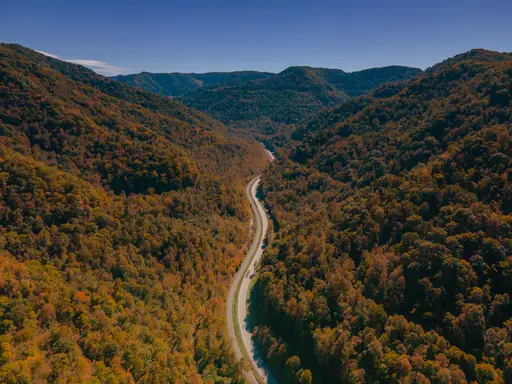
The Middle Fork River flows through the heart of West Virginia in a region shaped by rolling hills and dense forests. This waterway starts as a quiet stream high in the mountains before widening into a steady current that supports diverse plant and animal life. The river’s path follows ancient geological formations creating calm stretches where kayakers can paddle safely while also offering challenging rapids for experienced paddlers.
Along its banks, small towns preserve a sense of history through preserved buildings and local traditions. Farmers grow apples peaches and vegetables on land that slopes gently toward the water. Many families visit during spring when wildflowers line the river’s edge and birds return to nest in tall trees. The area is known for clean air and clear skies making it ideal for those who enjoy outdoor activities without heavy crowds.
Fishing remains a major draw with trout and smallmouth bass thriving in cooler sections of the river. Anglers often set up near rocky outcrops where currents slow allowing fish to gather. The water stays fresh thanks to mountain springs feeding into tributaries along the way. Local guides share knowledge about safe routes and best spots ensuring visitors can explore without harming fragile habitats.
Visitors can hike nearby trails that connect to the river creating opportunities for birdwatching photography and picnics with scenic views. In winter snow blankets the landscape turning the area into a quiet retreat for those seeking peace away from city life. The Middle Fork River remains a place where nature thrives and people find balance between adventure and relaxation.
The Middle Fork River in West Virginia is accessible primarily by watercraft, with several access points along its course. The river flows through forested valleys and rugged terrain within the Appalachian Mountains, offering remote and scenic travel routes. Public boat ramps are available at designated locations such as the Middle Fork Launch near Romney, allowing for direct entry into the river. Additionally, nearby state parks like South Branch Mountain State Park provide trailheads that connect to tributaries of the river, supporting hiking and kayaking access. Roadways such as Route 39 and Route 150 offer scenic drives with opportunities to reach river‑adjacent areas. The region’s rural infrastructure limits direct vehicular access in certain stretches, emphasizing water-based or foot travel for exploration.
The Middle Fork River corridor offers a mix of rustic cabins and modest lodges that cater to outdoor enthusiasts. Most lodging is situated within 5–10 miles of the river’s scenic bends, providing easy access to fishing, kayaking and hiking trails. Prices range from US$70 – 150 (£52.63 – 112.77) per night for standard rooms, while well‑appointed cabins with full kitchens can command US$200 – 300 (£150.36 – 225.54), especially during peak summer months. The area is renowned for its “riverfront” accommodations – small, family‑run inns that emphasize local charm over luxury amenities. Many properties feature wood‑fire pits and open decks overlooking the water, making them ideal for sunset views and stargazing. For budget travelers, campgrounds and RV sites along the river offer nightly rates under US$30 (£22.55), complete with basic hookups and shared restroom facilities.
Log in to add this place to a travel list and get a summary of all recommended items for your whole trip.
We calculate the average costs when travelling to destinations and compare those with the living costs at your home. With this you can get an estimate of how expensive or cheap the destination is for you.
To customise this, you can set up which location and price level are used for the calculations in your account settings.
The exchange rate price factor shows how expensive or cheap a currency currently is compared to its historical average. It's a quick way to see if a country is currently more or less affordable due to exchange rate changes.
