






Was this page helpful?

| Power Grid: |
120 V, 60 Hz Plug: Type A , Type B
Type A:
  Read about power adapters |
|---|---|
| Currency: |
US Dollar (USD) £1 ≈ US$1.33 |
| Cashless info: |
Rating 5/5
The U.S. is highly cashless, with credit and debit cards accepted almost everywhere. Mobile payment options like Apple Pay and Google Pay are widely used.
Save with a travel credit card |
| eSIM providers: |
Best value: Saily Flexibility: Airalo Read our in-depth comparison |
| Tipping: | Tipping is customary and expected in the U.S. In restaurants, 15-20% is standard. Taxi drivers, hotel staff, and tour guides also expect tips, usually around 10-20% depending on the service. |
|---|---|
| Public drinking: | Public drinking laws vary by state, but it is generally prohibited in public spaces without a permit. |
| Public smoking: | Smoking is restricted in most indoor public spaces and some outdoor areas. Local laws vary. |
| Etiquette: | Greet with a firm handshake, maintain eye contact, respect personal space, and avoid discussing politics or income unless invited to share opinions. Politeness and friendliness are appreciated. |
| Thanksgiving (November) |
A major holiday with closures and domestic travel surges. |
|---|---|
| Independence Day (July) |
Expect parades, fireworks, and celebrations nationwide. |
| Christmas (December) |
Markets, festive events, and crowded tourist spots. |
| Emergency contact: | Emergency Number: 911 (Police, Fire, Ambulance) |
|---|---|
| Taxi apps: | Uber, Lyft, Bolt |
| Helpful links: |
Wikipedia Visa regulations Customs & border control Travel with medicine |
| Other: | The U.S. is known for its diverse landscapes, cultural experiences, and regional cuisines. Public transport is efficient in cities but less so in rural areas. Renting a car is recommended for exploring national parks. |
The best times to travel section shows how the months compare for a visit, so you can find the time of year that fits what you want to do.
Background colours of the months:
The colour shows the typical temperature: yellow (hot), green (mild) and blue (cold). How strong the colour is shows the travel season: full colour means high season, soft colour means shoulder season and soft-striped means off season.
Weather symbols:
Each month has one symbol showing what the weather is typically like, such as hot and sunny, freezing or a rainy or snowy season. Use them to quickly spot months that match the weather you want, or to avoid the ones that don't.
Crowdedness:
The people icon shows how busy the place usually is. The more people, the more crowded it gets.
Additional notes:
The grey info boxes point out special things worth knowing, like recurring weather issues or seasonal events.
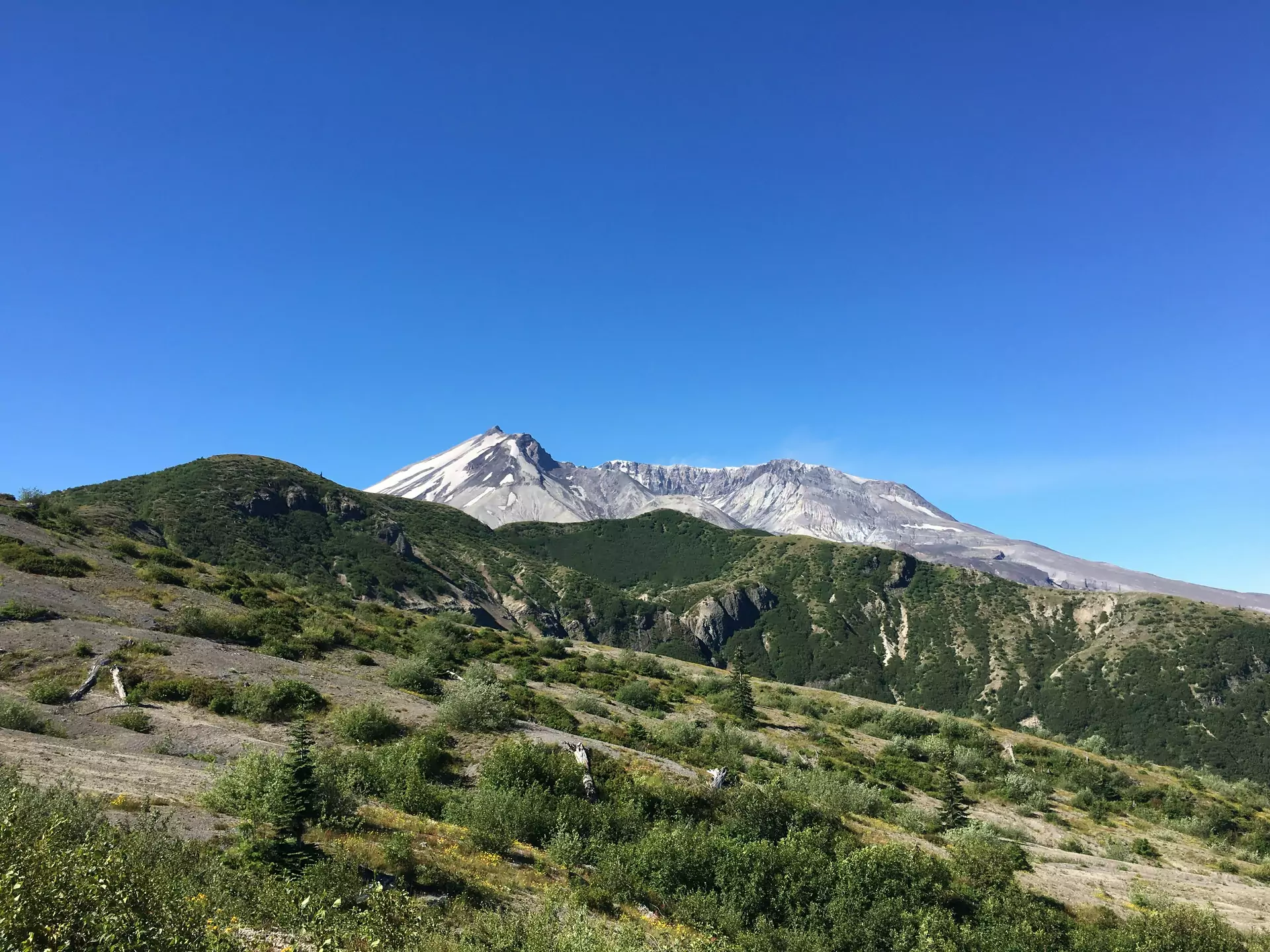
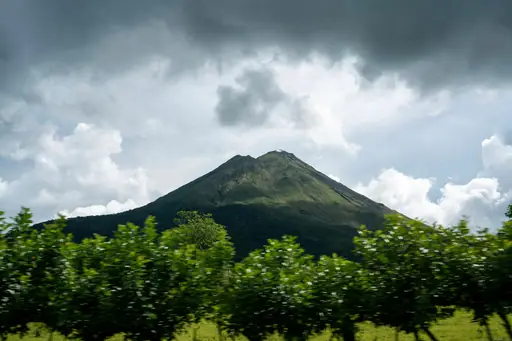
Mount St. Helens stands as a powerful reminder of nature’s ability to reshape landscapes. Located in Washington State the volcano erupted dramatically in 1980 changing the surrounding area forever. Today visitors can see the results of that event firsthand through trails and viewpoints designed for safe exploration. The mountain rises sharply above dense forests offering a striking contrast between barren slopes and thriving ecosystems.
The eruption caused massive changes to the terrain including new landforms created by lava flows and ash deposits. Scientists continue monitoring seismic activity ensuring that any future shifts are tracked closely. A visitor center provides detailed maps and real-time data about geological conditions making it easy for anyone interested in earth sciences to learn more. The area also serves as a living laboratory where researchers study how nature recovers after major disturbances.
Hiking trails wind through diverse environments from rocky riverbeds to lush valleys. Many paths lead past old-growth trees and open meadows where wildflowers bloom each summer. The Johnston Ridge Observatory sits at a high elevation giving panoramic views of the volcano’s crater and surrounding peaks. Guides recommend wearing sturdy shoes as some sections involve uneven ground and steep climbs.
Wildlife thrives in this recovering landscape with elk deer and numerous bird species making their homes here. Seasonal changes bring different colors to the scenery from spring green growth to autumn golds and winter snow. Photography enthusiasts find endless opportunities capturing dramatic skies or close-ups of moss-covered lava rocks. The combination of geological history and natural beauty makes Mount St. Helens a place where science and adventure connect seamlessly.
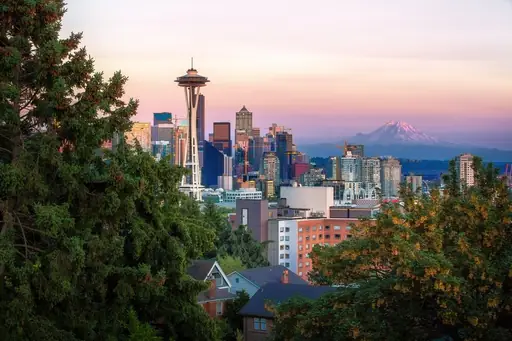
Mount St. Helens, located in Washington State, is accessible via several routes depending on the starting point. The nearest major city is Seattle, approximately 140 miles southeast, reachable by car via Interstate 5 North or a combination of highways and local roads. For those traveling from Portland, Oregon, about 90 miles south, U.S. Route 26 provides a direct path. Public transportation options include regional buses connecting to nearby towns like Cougar and Castle Rock, which offer shuttle services to the volcano’s visitor centers. The Mount St. Helens Visitor Center is accessible by car via State Route 504 (Cougar Highway), with parking available for visitors. Air travel requires flying into Seattle-Tacoma International Airport, followed by a drive or rental vehicle to the area.
In the Mount St Helens region, lodging ranges from rustic cabins and cozy lodges to upscale resorts that capitalize on the dramatic volcanic landscape. Budget travelers can find well‑maintained cabins or campgrounds within a few miles of the crater, offering basic amenities for US$50 – 80 (£37.38 – 59.81) per night. Mid‑range options include lodge-style accommodations with fireplaces, Wi‑Fi and scenic views, typically priced between US$120 – 180 (£89.71 – 134.57). For those seeking luxury, boutique hotels and high‑end lodges provide gourmet dining, spa services and panoramic vistas of the crater rim, often exceeding from US$250 (£186.90) per night. The area is renowned for its “mountain lodge” style, blending rustic charm with modern comfort to cater to hikers, photographers and nature enthusiasts alike.
Log in to add this place to a travel list and get a summary of all recommended items for your whole trip.
We calculate the average costs when travelling to destinations and compare those with the living costs at your home. With this you can get an estimate of how expensive or cheap the destination is for you.
To customise this, you can set up which location and price level are used for the calculations in your account settings.
The exchange rate price factor shows how expensive or cheap a currency currently is compared to its historical average. It's a quick way to see if a country is currently more or less affordable due to exchange rate changes.
