









Was this page helpful?

| Public website: | www.fishermanswharf.org |
|---|
| Power Grid: |
120 V, 60 Hz Plug: Type A , Type B
Type A:
  Read about power adapters |
|---|---|
| Currency: |
US Dollar (USD) £1 ≈ US$1.33 |
| Cashless info: |
Rating 5/5
The U.S. is highly cashless, with credit and debit cards accepted almost everywhere. Mobile payment options like Apple Pay and Google Pay are widely used.
Save with a travel credit card |
| eSIM providers: |
Best value: Saily Flexibility: Airalo Read our in-depth comparison |
| Tipping: | Tipping is customary and expected in the U.S. In restaurants, 15-20% is standard. Taxi drivers, hotel staff, and tour guides also expect tips, usually around 10-20% depending on the service. |
|---|---|
| Public drinking: | Public drinking laws vary by state, but it is generally prohibited in public spaces without a permit. |
| Public smoking: | Smoking is restricted in most indoor public spaces and some outdoor areas. Local laws vary. |
| Etiquette: | Greet with a firm handshake, maintain eye contact, respect personal space, and avoid discussing politics or income unless invited to share opinions. Politeness and friendliness are appreciated. |
| Thanksgiving (November) |
A major holiday with closures and domestic travel surges. |
|---|---|
| Independence Day (July) |
Expect parades, fireworks, and celebrations nationwide. |
| Christmas (December) |
Markets, festive events, and crowded tourist spots. |
| Emergency contact: | Emergency Number: 911 (Police, Fire, Ambulance) |
|---|---|
| Taxi apps: | Uber, Lyft, Bolt |
| Helpful links: |
Wikipedia Visa regulations Customs & border control Travel with medicine |
| Other: | The U.S. is known for its diverse landscapes, cultural experiences, and regional cuisines. Public transport is efficient in cities but less so in rural areas. Renting a car is recommended for exploring national parks. |
The best times to travel section shows how the months compare for a visit, so you can find the time of year that fits what you want to do.
Background colours of the months:
The colour shows the typical temperature: yellow (hot), green (mild) and blue (cold). How strong the colour is shows the travel season: full colour means high season, soft colour means shoulder season and soft-striped means off season.
Weather symbols:
Each month has one symbol showing what the weather is typically like, such as hot and sunny, freezing or a rainy or snowy season. Use them to quickly spot months that match the weather you want, or to avoid the ones that don't.
Crowdedness:
The people icon shows how busy the place usually is. The more people, the more crowded it gets.
Additional notes:
The grey info boxes point out special things worth knowing, like recurring weather issues or seasonal events.
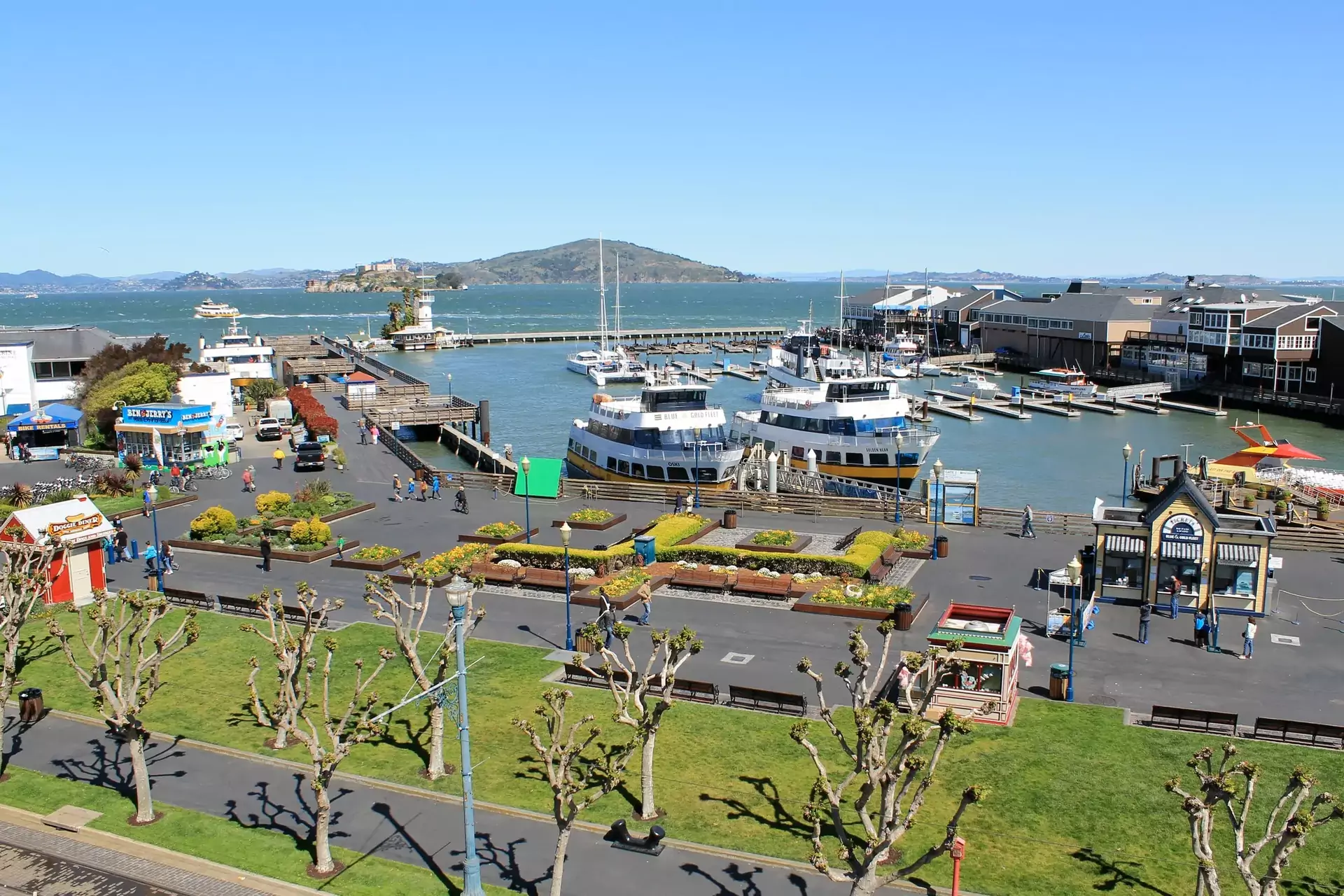
Fisherman's Wharf is an iconic San Francisco neighborhood with a rich maritime history dating back to the city's early days as a fishing village. Today, it remains a hub of activity, blending seafood eateries, historic ships and popular tourist attractions that appeal to all ages.
The atmosphere can become very crowded, especially during peak tourist seasons and weekends, which may detract from the experience for some visitors. Visitors should take standard precautions to guard against pickpocketing and stay aware of their surroundings, particularly in crowded areas.
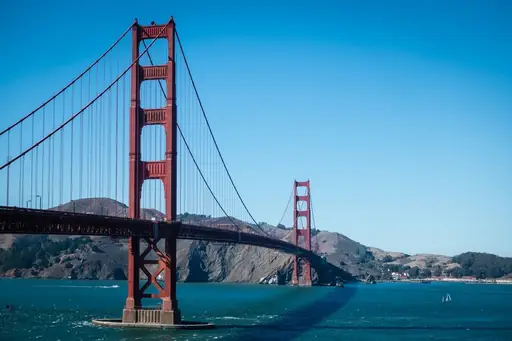
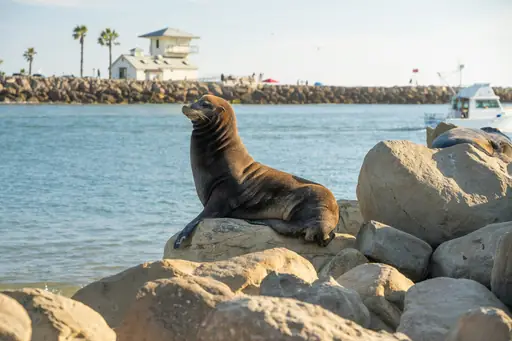
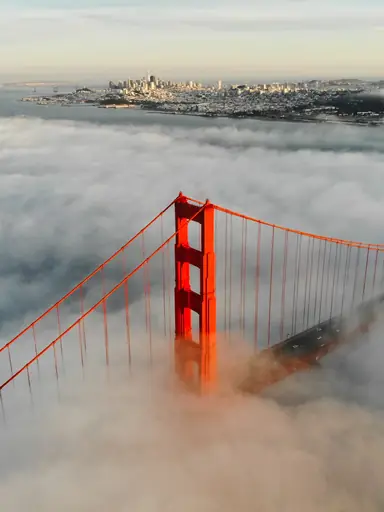
Notable highlights include the bustling Pier 39, home to a famous sea lion colony, the interactive Aquarium of the Bay and the Maritime Museum that showcases San Francisco’s nautical heritage. The area also offers scenic views of the Golden Gate Bridge and Alcatraz Island.
With a mix of shops, food stalls and museums, Fisherman's Wharf provides a full day of family-friendly fun, food and culture. Planning your visit early in the day can help beat the crowds and make for a more pleasant visit.
Fisherman's Wharf is centrally located in San Francisco with easy access via multiple forms of public transport including Muni buses, cable cars and the Bay Area Rapid Transit (BART) system to nearby stations. From San Francisco International Airport, passengers can take shuttles or public transit to the downtown area and then local transit to the Wharf.
San Francisco's downtown offers numerous accommodation options ranging from luxury hotels to budget‑friendly hostels, ensuring easy access to Fisherman's Wharf and other major city attractions.
Log in to add this place to a travel list and get a summary of all recommended items for your whole trip.
We calculate the average costs when travelling to destinations and compare those with the living costs at your home. With this you can get an estimate of how expensive or cheap the destination is for you.
To customise this, you can set up which location and price level are used for the calculations in your account settings.
The exchange rate price factor shows how expensive or cheap a currency currently is compared to its historical average. It's a quick way to see if a country is currently more or less affordable due to exchange rate changes.
