






Was this page helpful?

| Power Grid: |
120 V, 60 Hz Plug: Type A , Type B
Type A:
  Read about power adapters |
|---|---|
| Currency: |
US Dollar (USD) £1 ≈ US$1.33 |
| Cashless info: |
Rating 5/5
The U.S. is highly cashless, with credit and debit cards accepted almost everywhere. Mobile payment options like Apple Pay and Google Pay are widely used.
Save with a travel credit card |
| eSIM providers: |
Best value: Saily Flexibility: Airalo Read our in-depth comparison |
| Tipping: | Tipping is customary and expected in the U.S. In restaurants, 15-20% is standard. Taxi drivers, hotel staff, and tour guides also expect tips, usually around 10-20% depending on the service. |
|---|---|
| Public drinking: | Public drinking laws vary by state, but it is generally prohibited in public spaces without a permit. |
| Public smoking: | Smoking is restricted in most indoor public spaces and some outdoor areas. Local laws vary. |
| Etiquette: | Greet with a firm handshake, maintain eye contact, respect personal space, and avoid discussing politics or income unless invited to share opinions. Politeness and friendliness are appreciated. |
| Thanksgiving (November) |
A major holiday with closures and domestic travel surges. |
|---|---|
| Independence Day (July) |
Expect parades, fireworks, and celebrations nationwide. |
| Christmas (December) |
Markets, festive events, and crowded tourist spots. |
| Emergency contact: | Emergency Number: 911 (Police, Fire, Ambulance) |
|---|---|
| Taxi apps: | Uber, Lyft, Bolt |
| Helpful links: |
Wikipedia Visa regulations Customs & border control Travel with medicine |
| Other: | The U.S. is known for its diverse landscapes, cultural experiences, and regional cuisines. Public transport is efficient in cities but less so in rural areas. Renting a car is recommended for exploring national parks. |
The best times to travel section shows how the months compare for a visit, so you can find the time of year that fits what you want to do.
Background colours of the months:
The colour shows the typical temperature: yellow (hot), green (mild) and blue (cold). How strong the colour is shows the travel season: full colour means high season, soft colour means shoulder season and soft-striped means off season.
Weather symbols:
Each month has one symbol showing what the weather is typically like, such as hot and sunny, freezing or a rainy or snowy season. Use them to quickly spot months that match the weather you want, or to avoid the ones that don't.
Crowdedness:
The people icon shows how busy the place usually is. The more people, the more crowded it gets.
Additional notes:
The grey info boxes point out special things worth knowing, like recurring weather issues or seasonal events.
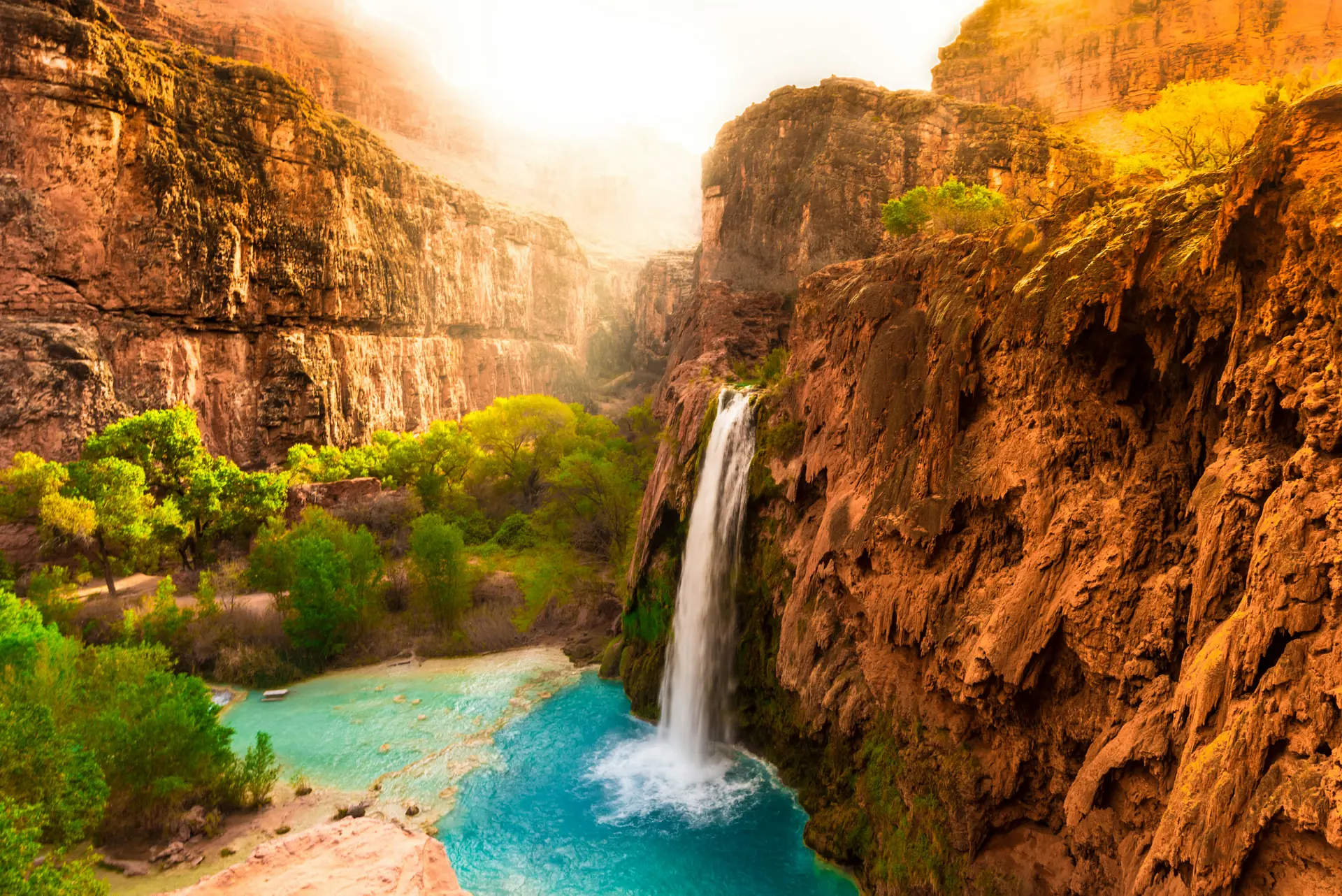
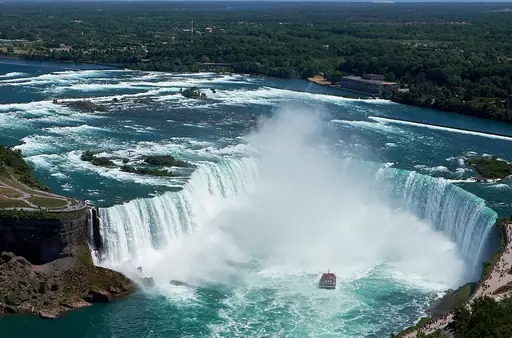
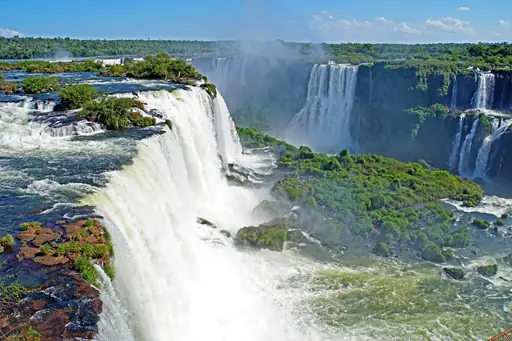
Havasu Falls is a remarkable waterfall located in the Grand Canyon region of Arizona. The falls flow through a narrow gorge carved by Havasu Creek which creates a striking turquoise pool at its base. The color comes from high mineral content especially calcium carbonate that reflects sunlight in unique ways. Visitors often see rainbow hues when light hits the mist making it visually distinctive. The area is managed by the Havasupai Tribe who protect both natural beauty and cultural heritage.
The trail to Havasu Falls requires a moderate hike of about five miles round trip. Hikers pass through red rock formations and desert vegetation before reaching the falls. Waterfalls like this one depend on seasonal snowmelt so spring brings the strongest flow. Summer heat can make parts of the journey challenging but early mornings often provide cooler temperatures. Permits are required for overnight stays in Havasu Canyon to help preserve the environment.
Photographers appreciate the way sunlight interacts with the water creating vivid reflections and patterns. The sound of rushing water combines with bird calls making it a peaceful spot despite its popularity. Local guides share stories about how the land shaped Havasupai traditions over generations. Many travelers describe the experience as refreshing both physically and mentally.
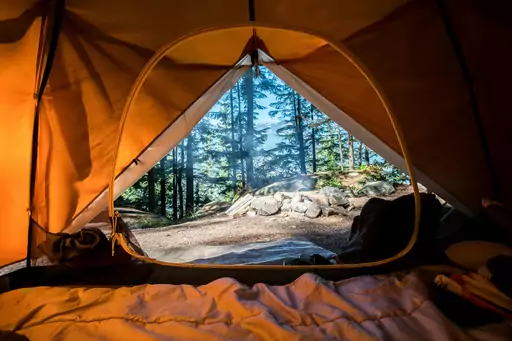
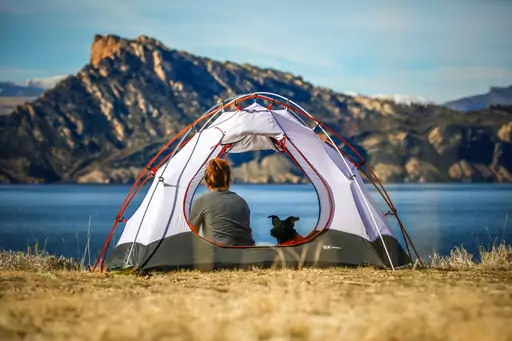
Camping options include basic sites along the creek where visitors can set up tents after a day of walking. Meals are available at the village store which serves simple meals using local ingredients. Rules about waste disposal exist to keep the area clean for future guests. Respecting these guidelines ensures Havasu Falls remains a remarkable destination for years to come.
Havasu Falls is located within Havasupai Indian Reservation in northern Arizona, United States. Access requires a permit issued by the Havasupai Tribe, which can be obtained through their official website or authorized travel agencies. The reservation is reachable via Highway 64 from Kingman, Arizona, followed by a scenic drive along the Havasu Canyon Road to the village of Supai. Visitors must arrange transportation for themselves and any supplies, as no public roads enter the area beyond the main checkpoint. Camping is permitted only in designated areas within the reservation. The journey involves navigating unpaved terrain and adhering to tribal regulations throughout the visit.
Near Havasu Falls the lodging scene is dominated by rustic campgrounds and modest cabins that cater to outdoor enthusiasts. The most common option is the Havasupai Campground, offering basic tent sites with shared facilities; it’s inexpensive but requires a permit and early booking. For those seeking more comfort, there are a handful of privately owned cabins and lodge‑style rentals on the reservation, featuring simple furnishings, private bathrooms and often a communal kitchen area. The region is renowned for its “backcountry” style accommodations – minimalist, eco‑friendly setups that blend seamlessly into the canyon landscape. Prices vary from US$30 (£22.43) per night for a tent site to around US$200 – 300 (£149.52 – 224.28) for a cabin, reflecting the trade‑off between convenience and budget.
Log in to add this place to a travel list and get a summary of all recommended items for your whole trip.
We calculate the average costs when travelling to destinations and compare those with the living costs at your home. With this you can get an estimate of how expensive or cheap the destination is for you.
To customise this, you can set up which location and price level are used for the calculations in your account settings.
The exchange rate price factor shows how expensive or cheap a currency currently is compared to its historical average. It's a quick way to see if a country is currently more or less affordable due to exchange rate changes.
