





Was this page helpful?

| Power Grid: |
110 V, 60 Hz Plug: Type A , Type B
Type A:
  Read about power adapters |
|---|---|
| Currency: |
East Caribbean Dollar (XCD) £1 ≈ EC$3.60 |
| Cashless info: |
Rating 3/5
Cashless payments are accepted in some establishments in Montserrat, but cash is still commonly used, particularly in smaller towns and rural areas. Credit cards are accepted in some hotels and larger businesses.
Save with a travel credit card |
| eSIM providers: |
Best value: Saily Flexibility: Airalo Read our in-depth comparison |
| Tipping: | Tipping is appreciated in Montserrat, but not mandatory. A 10% tip in restaurants is customary, and small tips for taxi and hotel staff are common. |
|---|---|
| Public drinking: | Public drinking is not generally allowed in Montserrat, and it is best to consume alcohol in licensed establishments. |
| Public smoking: | Smoking is allowed in designated areas in public spaces, though smoking is restricted in many indoor public venues. |
| St. Patrick's Day (17 March) |
National holiday with a week-long festival celebrating the island's Irish heritage and commemorating the 1768 slave uprising |
|---|
| Emergency contact: | Emergency Number: 999 (Police, Fire, Ambulance) |
|---|---|
| Taxi apps: | None |
| Other: | Montserrat is a peaceful island with beautiful landscapes and a small population. It offers a quiet and scenic experience but has limited infrastructure. |
The best times to travel section shows how the months compare for a visit, so you can find the time of year that fits what you want to do.
Background colours of the months:
The colour shows the typical temperature: yellow (hot), green (mild) and blue (cold). How strong the colour is shows the travel season: full colour means high season, soft colour means shoulder season and soft-striped means off season.
Weather symbols:
Each month has one symbol showing what the weather is typically like, such as hot and sunny, freezing or a rainy or snowy season. Use them to quickly spot months that match the weather you want, or to avoid the ones that don't.
Crowdedness:
The people icon shows how busy the place usually is. The more people, the more crowded it gets.
Additional notes:
The grey info boxes point out special things worth knowing, like recurring weather issues or seasonal events.
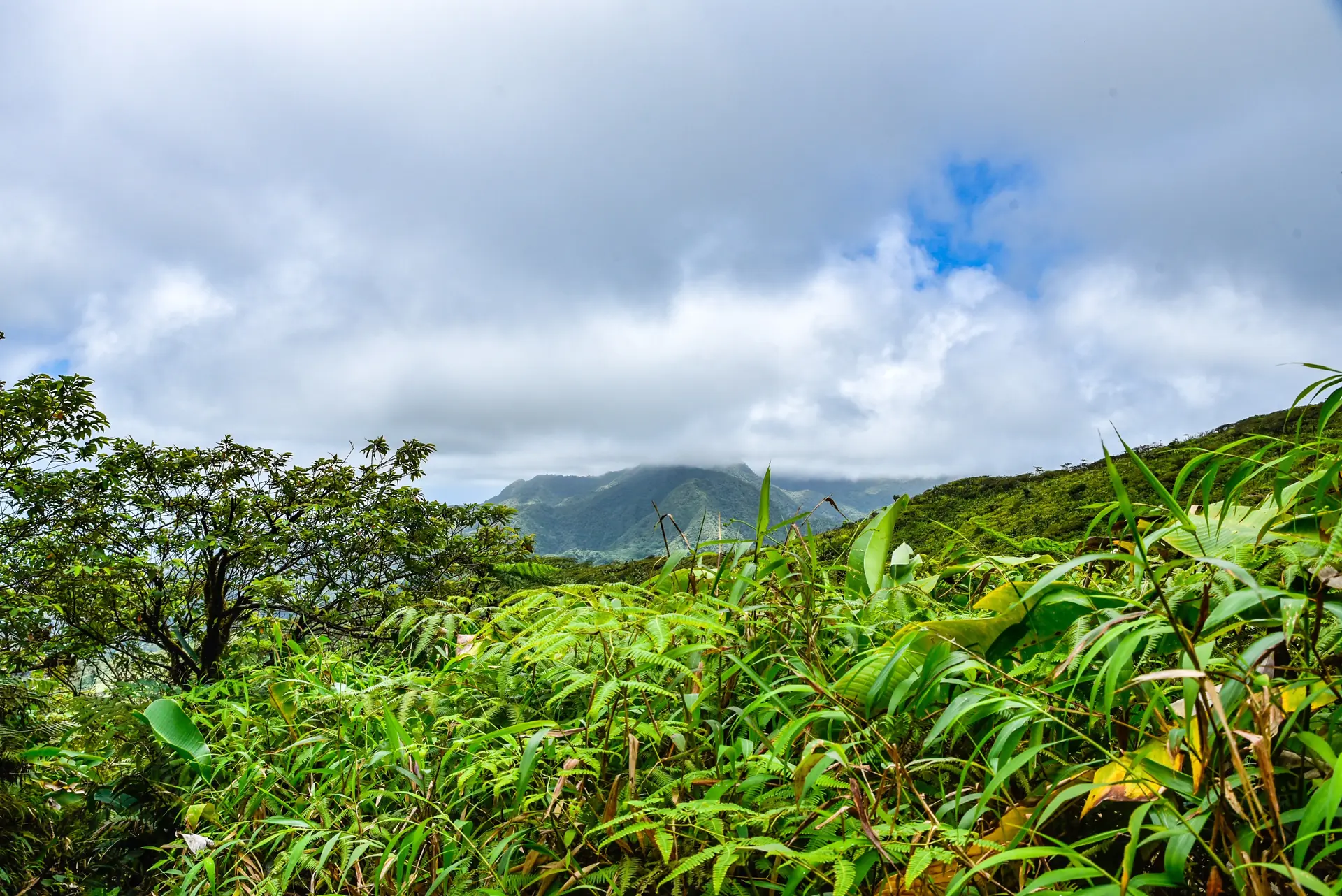
Montserrat’s Soufrière Hills volcano shapes daily life on this Caribbean island. The mountain’s presence is felt through its history and ongoing activity. Since eruptions began in 1995 the landscape has changed significantly with new land forming along the coast while some areas remain restricted due to risk.
The volcanic soil supports lush vegetation that covers much of the island. Forests thrive near the slopes where rainwater collects in streams feeding small valleys. These valleys provide fresh water for communities and support crops like bananas and vegetables grown on fertile ground far from danger zones.
Visitors can observe the volcano’s power safely through guided tours that explain its impact on local life. Lookouts offer views of steaming vents and ash clouds rising above tree lines. Rangers monitor activity closely ensuring visitors stay aware of conditions while exploring trails away from hazardous zones.
Communities have adapted to living alongside an active volcano. Homes rebuilt after eruptions prioritize sturdy materials while residents share stories passed down through generations about the mountain’s moods. Local museums display artifacts and photographs documenting both destruction and renewal shaping Montserrat’s identity over decades.
Access to Soufrière Hills volcano in Montserrat requires careful planning due to its active status and restricted zones. The southern part of the island, including the volcano, is largely closed off for safety reasons. Visitors may access the area via guided tours authorized by the Montserrat Volcano Observatory (MVO), which monitor seismic activity and provide updates on hazards. Public transportation does not reach the affected zones; private vehicles require permits issued by local authorities. The Grafton Village, once a major settlement, remains abandoned and inaccessible without official clearance. Travelers must coordinate with government agencies for entry to permitted areas, prioritizing safety protocols outlined by emergency management officials.
Soufrière Hills offers a mix of rustic lodgings and boutique retreats that cater to both adventure seekers and those craving comfort. Guesthouses dot the volcanic slopes, providing cozy rooms with panoramic views of the crater lake for under EC$216 (£59.92) per night. For travelers desiring more amenities, several eco‑resorts blend sustainable design with modern conveniences, ranging from EC$324 (£89.88) to EC$540 (£149.81) a night, featuring hot tubs overlooking fumaroles and guided volcano tours. The area is renowned for its volcanic stone villas – handcrafted from local basalt – offering unique architectural charm and privacy. Seasonal chalets near the hiking trails provide budget-friendly options, typically priced between EC$135 (£37.45) and EC$189 (£52.43) per night, while still delivering basic comforts and easy access to the park’s trails.
Log in to add this place to a travel list and get a summary of all recommended items for your whole trip.
We calculate the average costs when travelling to destinations and compare those with the living costs at your home. With this you can get an estimate of how expensive or cheap the destination is for you.
To customise this, you can set up which location and price level are used for the calculations in your account settings.
The exchange rate price factor shows how expensive or cheap a currency currently is compared to its historical average. It's a quick way to see if a country is currently more or less affordable due to exchange rate changes.
