








Was this page helpful?

| Opening hours: |
|
|---|
| Power Grid: |
230 V, 50 Hz Plug: Type G
Type G:
 Read about power adapters |
|---|---|
| Currency: | Pound Sterling (GBP) |
| Cashless info: |
Rating 5/5
Cashless payments are widely accepted in the UK, especially in cities. Contactless payments and mobile payment options are increasingly popular, with smaller businesses also accepting cards.
Save with a travel credit card |
| eSIM providers: |
Best value: Saily Flexibility: Airalo Read our in-depth comparison |
| Tipping: | Tipping is customary in the UK, with 10-15% in restaurants. Taxi drivers generally expect a 10% tip or rounding up. Small tips for hotel staff are appreciated. |
|---|---|
| Public drinking: | Public drinking is allowed in many parts of the UK, especially in parks, festivals, and licensed premises. However, it's banned on public transport or in certain public spaces. |
| Public smoking: | Smoking is prohibited indoors in all public spaces, including bars and restaurants. There are designated outdoor smoking areas. |
| Christmas (December) |
Christmas is widely celebrated, expect crowded markets and higher accommodation prices. |
|---|---|
| Bank Holiday (August) |
Busy periods, especially in cities and along coastal areas. Many businesses close. |
| New Year’s Day (January) |
A major public holiday with celebrations and closures in some sectors. |
| Emergency contact: | Emergency Number: 999 or 112 (Police, Fire, Ambulance) |
|---|---|
| Taxi apps: | Uber, Bolt, Free Now, Ola |
| Other: | The UK is well-prepared for tourists, with excellent infrastructure. However, be aware of language barriers in remote areas. |
The best times to travel section shows how the months compare for a visit, so you can find the time of year that fits what you want to do.
Background colours of the months:
The colour shows the typical temperature: yellow (hot), green (mild) and blue (cold). How strong the colour is shows the travel season: full colour means high season, soft colour means shoulder season and soft-striped means off season.
Weather symbols:
Each month has one symbol showing what the weather is typically like, such as hot and sunny, freezing or a rainy or snowy season. Use them to quickly spot months that match the weather you want, or to avoid the ones that don't.
Crowdedness:
The people icon shows how busy the place usually is. The more people, the more crowded it gets.
Additional notes:
The grey info boxes point out special things worth knowing, like recurring weather issues or seasonal events.
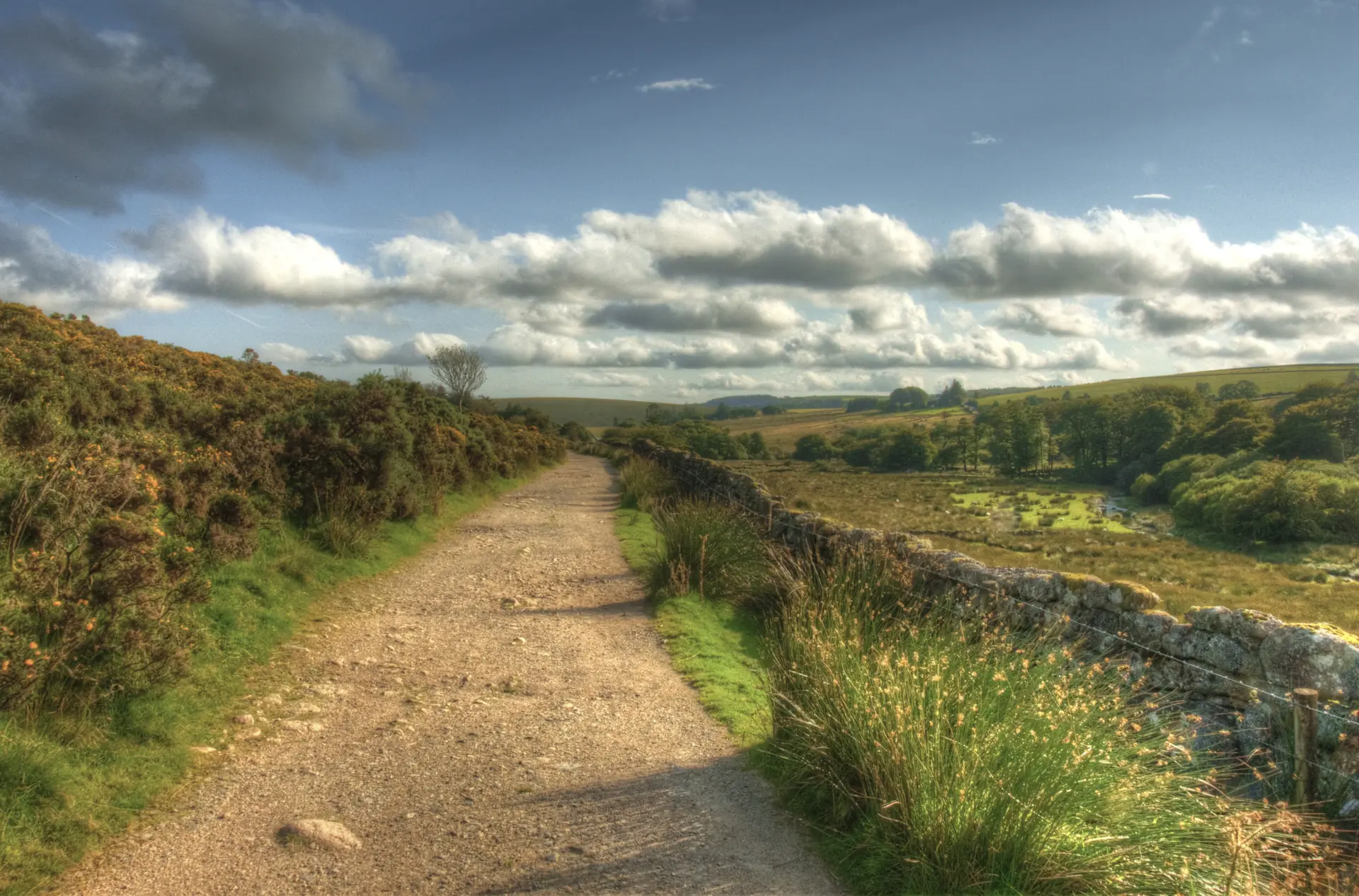
Wistman’s Wood stands as a quiet expanse of ancient trees in England’s national park. The forest feels timeless, with gnarled oaks and moss-covered stones that have witnessed centuries pass. Paths wind through the undergrowth where sunlight filters weakly, creating patches of light on the forest floor. Birds call from hidden branches while ferns sway gently in the cool air.
The area’s history is woven into its landscape. Old stone walls mark former boundaries between fields now reclaimed by nature. Some trees stretch so wide their trunks could shelter a family. Moss blankets fallen logs turning them into soft beds for fungi and insects. The river nearby carries water clear enough to see minnows darting beneath the surface.
Visitors find simple trails that lead to quiet spots perfect for reflection. During autumn the canopy shifts to gold and red while winter brings a hush as snow settles on branches. Local guides suggest early mornings when mist clings low, making the woods feel even more mysterious. Picnic tables sit near open clearings inviting short rests with views of distant hills.
Conservation efforts keep Wistman’s Wood healthy by limiting overcrowding and protecting rare plants. Volunteers help maintain paths while researchers study how climate changes affect tree growth. The forest remains a place where people connect with nature without needing grand gestures. Its strength lies in small details: the rustle of leaves the scent of damp earth the steady rhythm of life continuing unchanged yet ever evolving.
Wistman’s Wood, a remote forest in England’s Dartmoor National Park, is accessed via narrow rural roads such as the A38 and B385. The nearest towns are Tavistock (15 km east) and Princetown (10 km west), both reachable by car from Plymouth or Exeter. Public transport options include buses operated by Stagecoach South West, connecting to major towns like Totnes and Barnstaple; however, services are infrequent. The forest itself is not directly served by trains, but the nearest rail stations – Tavistock (2 km away) and Princetown (5 km) – require a taxi or bus for final access. Visitors typically use private vehicles due to limited public transport links. Parking areas exist near trailheads, though spaces are restricted during peak seasons.
Wistman’s Wood offers a range of lodging that caters to both nature lovers and families seeking comfort amid the trees. The village hosts several cozy B&Bs and self‑catering cottages, many with timber‑frame charm and modern amenities such as Wi‑Fi, fully equipped kitchens and private gardens overlooking the forest. For those preferring a more rustic experience, there are a handful of back‑country cabins and glamping pitches that provide basic comforts while keeping you close to wildlife. The area is also known for its traditional country inns, which combine historic character with contemporary service, offering hearty breakfasts and easy access to walking trails. Whether you choose a snug cottage or an inn with a fireplace, accommodation here balances affordability with the serene atmosphere of the forest.
Log in to add this place to a travel list and get a summary of all recommended items for your whole trip.
We calculate the average costs when travelling to destinations and compare those with the living costs at your home. With this you can get an estimate of how expensive or cheap the destination is for you.
To customise this, you can set up which location and price level are used for the calculations in your account settings.
The exchange rate price factor shows how expensive or cheap a currency currently is compared to its historical average. It's a quick way to see if a country is currently more or less affordable due to exchange rate changes.
