











Was this page helpful?

| Opening hours: |
|
|---|
| Power Grid: |
230 V, 50 Hz Plug: Type G
Type G:
 Read about power adapters |
|---|---|
| Currency: | Pound Sterling (GBP) |
| Cashless info: |
Rating 5/5
Cashless payments are widely accepted in the UK, especially in cities. Contactless payments and mobile payment options are increasingly popular, with smaller businesses also accepting cards.
Save with a travel credit card |
| eSIM providers: |
Best value: Saily Flexibility: Airalo Read our in-depth comparison |
| Tipping: | Tipping is customary in the UK, with 10-15% in restaurants. Taxi drivers generally expect a 10% tip or rounding up. Small tips for hotel staff are appreciated. |
|---|---|
| Public drinking: | Public drinking is allowed in many parts of the UK, especially in parks, festivals, and licensed premises. However, it's banned on public transport or in certain public spaces. |
| Public smoking: | Smoking is prohibited indoors in all public spaces, including bars and restaurants. There are designated outdoor smoking areas. |
| Christmas (December) |
Christmas is widely celebrated, expect crowded markets and higher accommodation prices. |
|---|---|
| Bank Holiday (August) |
Busy periods, especially in cities and along coastal areas. Many businesses close. |
| New Year’s Day (January) |
A major public holiday with celebrations and closures in some sectors. |
| Emergency contact: | Emergency Number: 999 or 112 (Police, Fire, Ambulance) |
|---|---|
| Taxi apps: | Uber, Bolt, Free Now, Ola |
| Other: | The UK is well-prepared for tourists, with excellent infrastructure. However, be aware of language barriers in remote areas. |
The best times to travel section shows how the months compare for a visit, so you can find the time of year that fits what you want to do.
Background colours of the months:
The colour shows the typical temperature: yellow (hot), green (mild) and blue (cold). How strong the colour is shows the travel season: full colour means high season, soft colour means shoulder season and soft-striped means off season.
Weather symbols:
Each month has one symbol showing what the weather is typically like, such as hot and sunny, freezing or a rainy or snowy season. Use them to quickly spot months that match the weather you want, or to avoid the ones that don't.
Crowdedness:
The people icon shows how busy the place usually is. The more people, the more crowded it gets.
Additional notes:
The grey info boxes point out special things worth knowing, like recurring weather issues or seasonal events.
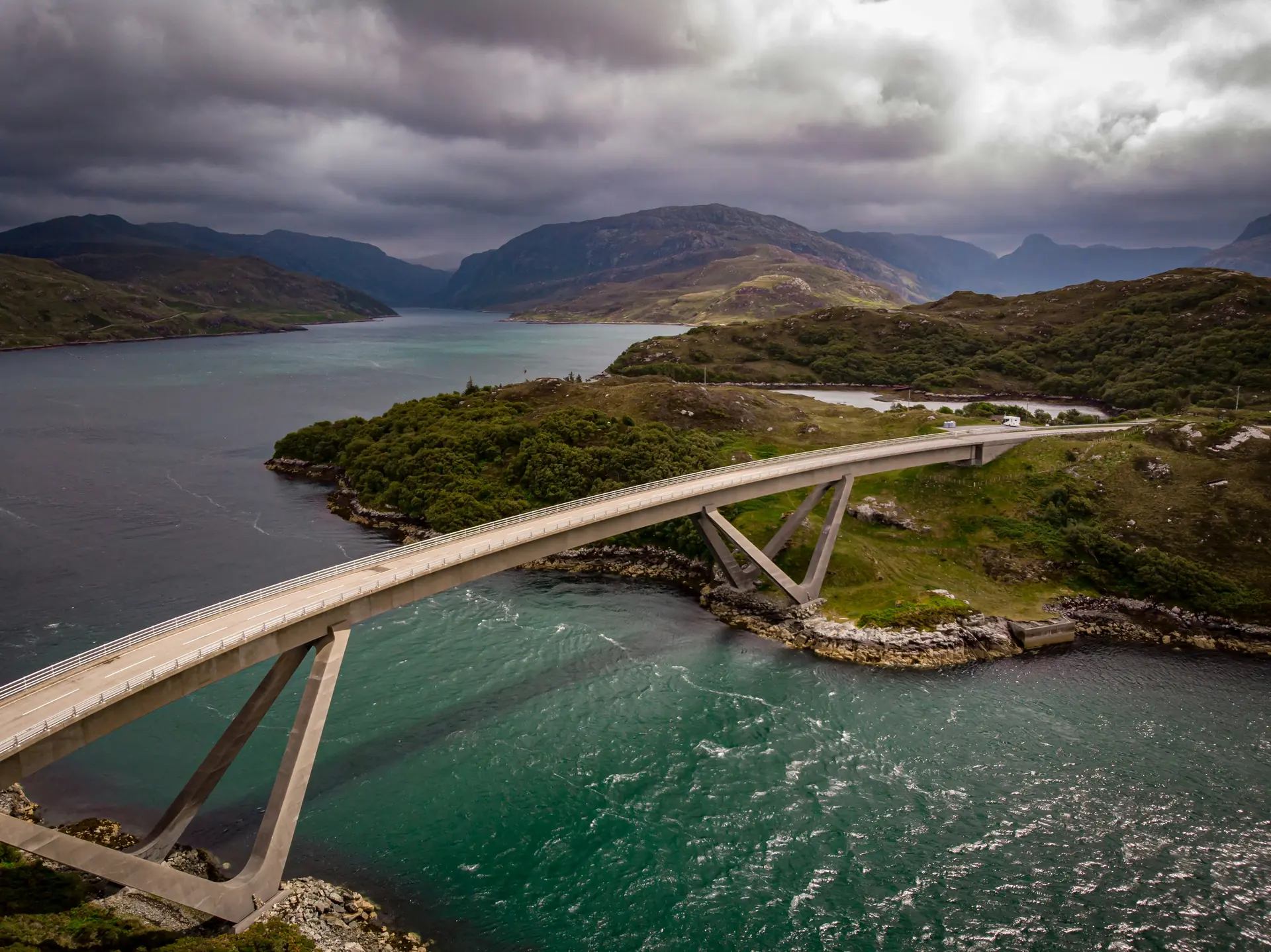
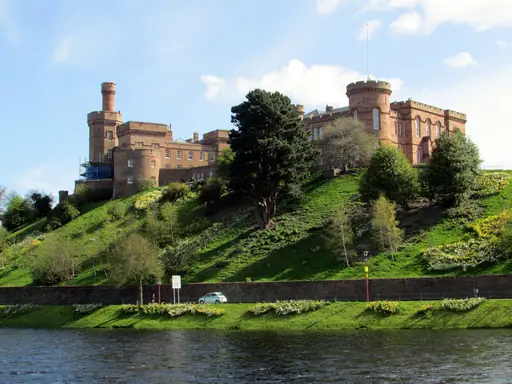
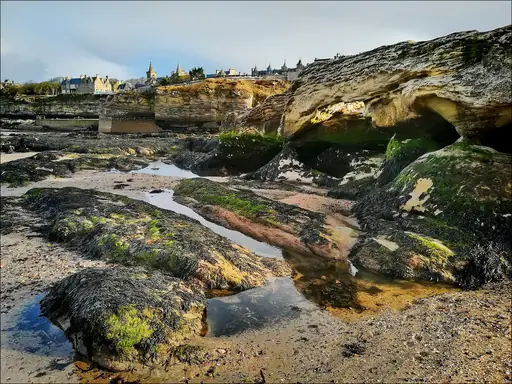
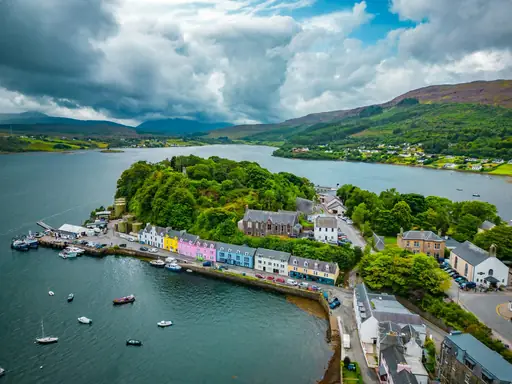
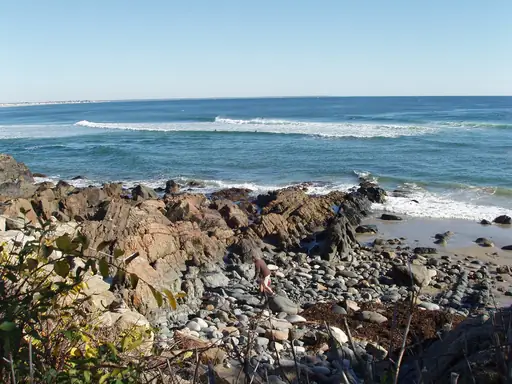
The North Coast 500 in Scotland follows a rugged road that stretches over 500 miles along the country’s northern edge. This route passes through coastal villages and rolling hills. Travelers encounter ancient castles and quiet beaches where waves meet rocky shores. The path connects places like Inverness at its start and returns there after circling the region.
Driving this area reveals diverse landscapes. Open moors stretch beside narrow roads lined with heather. Small fishing towns such as Durness provide glimpses of local life. Some sections run close to cliffs that drop toward the sea. Weather often changes quickly here. Rain or mist can appear suddenly, adding a sense of unpredictability.
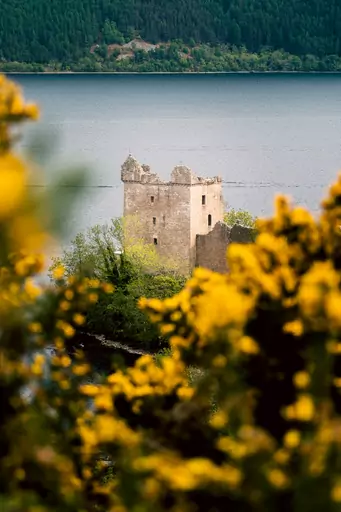
History sits at the heart of many stops. Sites like Dunrobin Castle and the ruins of Ardvreck Castle show centuries of change. Walking paths lead through glens where deer graze near old stone walls. The North Sea’s presence shapes daily life for those living nearby. Fishing boats dot harbors, reflecting traditions that have lasted generations.
Visitors should prepare for variable conditions. Roads vary from smooth tarmac to narrow tracks. Public transport exists but renting a car allows flexibility. Accommodations range from simple B&Bs to larger hotels in towns. The journey rewards those who take time to notice details: weathered fences, distant mountains and quiet moments by the water.
The North Coast 500, Scotland’s premier scenic driving route, is accessible via a network of well-maintained roads. The journey begins in Inverness, the northern hub, with entry points along the A9 road leading west toward Ullapool. Key towns like Plockton and Durness are reachable via single-track roads requiring cautious navigation due to passing places. The route loops through iconic landscapes including the Pentland Firth and Applecross Peninsula, with designated viewpoints offering access to coastal trails. Public transport options include buses connecting major cities to Inverness, while car rentals provide flexibility for independent exploration. Cyclists may use dedicated paths along sections of the route. Weather conditions can impact road accessibility, particularly in remote areas during winter months.
Along the North Coast 500 you’ll find a mix of cosy bed‑and‑breakfasts, self‑contained cottages and boutique hostels that cater to both budget travellers and those seeking luxury. Prices vary from £30 – 50 (£30 – 50) per night for basic B&B rooms, £70 – 120 (£70 – 120) for well-appointed cottages with sea views, up to from £200 (£200) for high‑end lodges featuring spa facilities and gourmet dining. Many villages boast heritage inns that preserve traditional Scottish architecture while offering modern comforts. Campsites and caravan parks are plentiful, especially near the lochs, providing affordable options for those who prefer a more rustic stay. The region is renowned for its “coastal cottage” experience, where remote locations combine rugged scenery with warm hospitality.
Log in to add this place to a travel list and get a summary of all recommended items for your whole trip.
We calculate the average costs when travelling to destinations and compare those with the living costs at your home. With this you can get an estimate of how expensive or cheap the destination is for you.
To customise this, you can set up which location and price level are used for the calculations in your account settings.
The exchange rate price factor shows how expensive or cheap a currency currently is compared to its historical average. It's a quick way to see if a country is currently more or less affordable due to exchange rate changes.
