






Was this page helpful?

| Public website: | www.visitoslo.com |
|---|
| Power Grid: |
230 V, 50 Hz Plug: Type C , Type F
Type C:
  Read about power adapters |
|---|---|
| Currency: |
Norwegian Krone (NOK) £1 ≈ NOK 12.42 |
| Cashless info: |
Rating 5/5
Norway is a highly cashless society. Credit and debit cards are widely accepted, and many places even prefer card payments over cash.
Save with a travel credit card |
| eSIM providers: |
Best value: Saily Flexibility: Airalo Read our in-depth comparison |
| Tipping: | Tipping is not obligatory in Norway, though it is appreciated. In restaurants, rounding up the bill or leaving 5-10% is common. Taxi drivers expect small tips, and hotel staff appreciate small gratuities. |
|---|---|
| Public drinking: | Public drinking is allowed in Norway in some areas, such as designated outdoor events. However, it is prohibited in public places like parks and streets in many cities. |
| Public smoking: | Smoking is prohibited indoors in all public places, including restaurants and public transport. Designated outdoor smoking areas are available in most public spaces. |
| Norwegian Constitution Day (May) |
A national holiday with celebrations, especially in Oslo, expect crowded areas and festivities. |
|---|---|
| Christmas (December) |
Christmas celebrations are widespread, with Christmas markets and festive events, but expect crowded cities and higher accommodation prices. |
| Midsummer (June) |
Midsummer celebrations take place with outdoor events, festivals, and celebrations. |
| Emergency contact: | Emergency Number: 112 (Police, Fire, Ambulance) |
|---|---|
| Taxi apps: | Uber, Bolt |
| Other: | Norway is a beautiful country with extensive natural landscapes. Be prepared for variable weather and pack accordingly, especially if you plan to explore the outdoors. |
The best times to travel section shows how the months compare for a visit, so you can find the time of year that fits what you want to do.
Background colours of the months:
The colour shows the typical temperature: yellow (hot), green (mild) and blue (cold). How strong the colour is shows the travel season: full colour means high season, soft colour means shoulder season and soft-striped means off season.
Weather symbols:
Each month has one symbol showing what the weather is typically like, such as hot and sunny, freezing or a rainy or snowy season. Use them to quickly spot months that match the weather you want, or to avoid the ones that don't.
Crowdedness:
The people icon shows how busy the place usually is. The more people, the more crowded it gets.
Additional notes:
The grey info boxes point out special things worth knowing, like recurring weather issues or seasonal events.
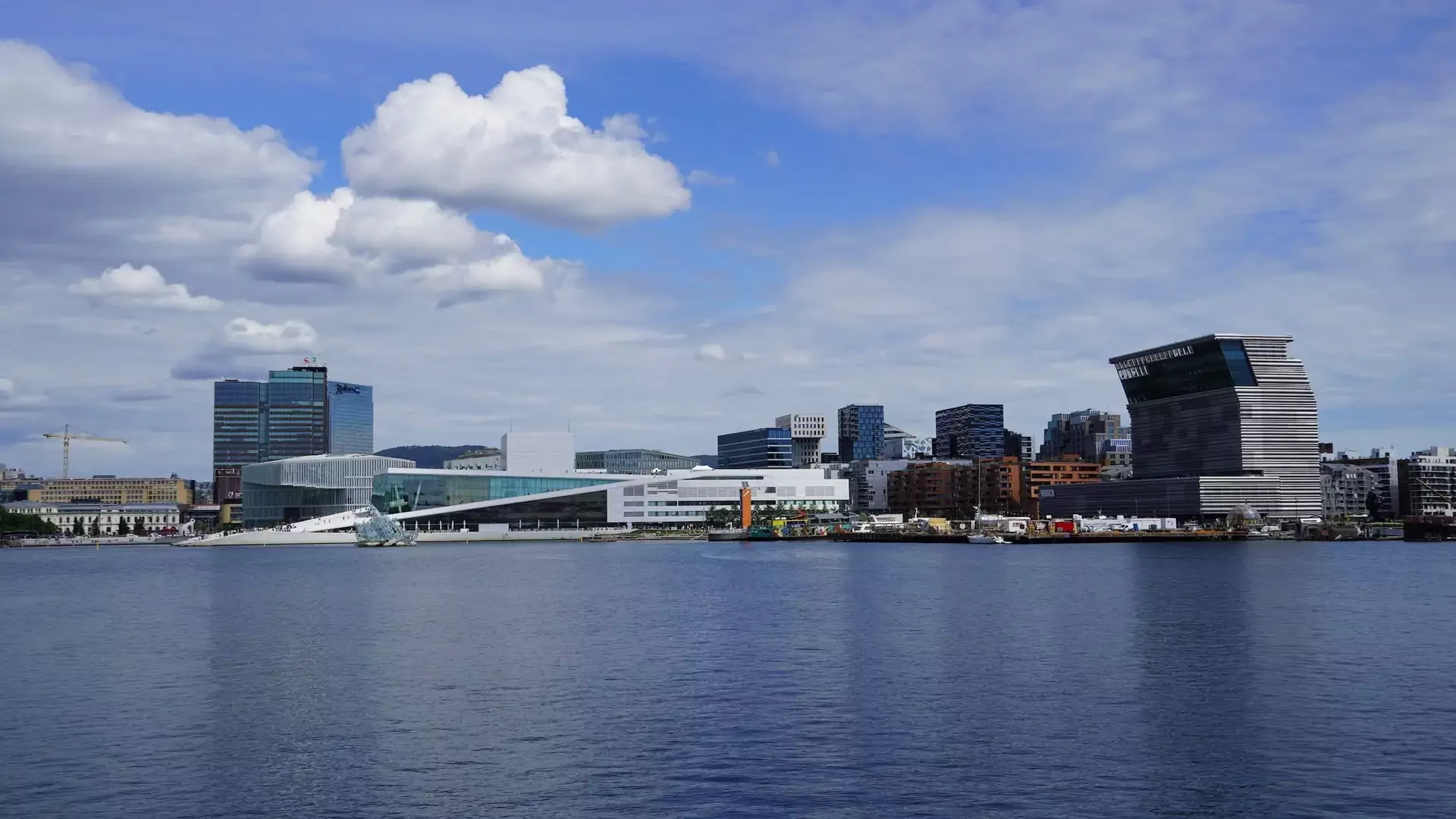
Oslofjord stretches about 120 kilometers from the Skagerrak strait in the south to Oslo at the northern end, featuring a mixture of urban harbors and natural coastal wonders. Unlike western Norwegian fjords, Oslofjord’s surroundings are gentler, with rolling hills and dense woodlands contrasting with scattered rocky cliffs, making it accessible and family-friendly.
The fjord’s islands, including Hovedøya, Gressholmen and Lindøya, each offer unique attractions, from beaches and hiking trails to historical ruins and quaint cabins depicting traditional Norwegian coastal culture. Hovedøya, for example, invites visitors to explore a 12th-century monastery ruin alongside sandy bathing spots.
During summer, the fjord area buzzes with recreational activities such as swimming, sailing and kayaking, drawing locals and tourists alike. Be cautious, however, about ferry schedules when visiting the islands, as returning late might require expensive rescue services due to limited night boat options.
This blend of serene nature and city access makes Oslofjord a perfect short getaway or a longer exploring base, but visitors should be prepared for cooler weather, occasional rain and bring appropriate gear for outdoor adventures.
Oslofjord is best reached via the city of Oslo, Norway’s capital. Visitors arrive through Oslo Gardermoen Airport with convenient transport options including express trains and buses to central Oslo. From there, various ferry services and boat tours depart from waterfront terminals such as Langkaia and Aker Brygge to explore the fjord and its islands.
Most visitors stay in Oslo, which offers diverse accommodations from luxury hotels to budget hostels. The city’s proximity and transport connections make it easy to explore Oslofjord by day trips or multi‑day excursions.
Log in to add this place to a travel list and get a summary of all recommended items for your whole trip.
We calculate the average costs when travelling to destinations and compare those with the living costs at your home. With this you can get an estimate of how expensive or cheap the destination is for you.
To customise this, you can set up which location and price level are used for the calculations in your account settings.
The exchange rate price factor shows how expensive or cheap a currency currently is compared to its historical average. It's a quick way to see if a country is currently more or less affordable due to exchange rate changes.
