We use cookies and external services: MapTiler for interactive maps and Google Maps to show route duration/distance. Both may process personal data such as your IP address, including transfers outside the EU/EEA. See our privacy policy for details. By clicking ‘Accept all’, you consent to this.
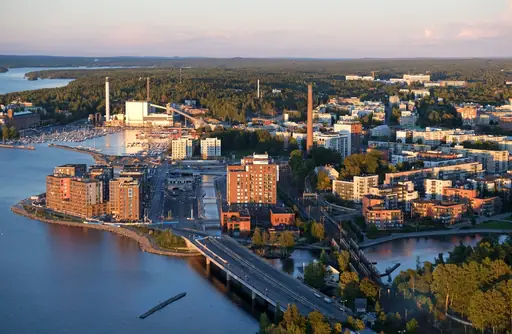
Helsinki features a Baltic, moderately continental climate with long, cold, snowy winters and mild, bright summers. The city’s northern latitude brings dramatic changes in daylight, from short, dim winter days to nearly 19 hours of summer sunlight. Rainfall is moderate and spread throughout the year, while the Baltic Sea’s influence keeps temperatures milder than inland Finland.
The best times to travel section shows how the months compare for a visit, so you can find the time of year that fits what you want to do.
Background colours of the months:
The colour shows the typical temperature: yellow (hot), green (mild) and blue (cold). How strong the colour is shows the travel season: full colour means high season, soft colour means shoulder season and soft-striped means off season.
Weather symbols:
Each month has one symbol showing what the weather is typically like, such as hot and sunny, freezing or a rainy or snowy season. Use them to quickly spot months that match the weather you want, or to avoid the ones that don't.
Crowdedness:
The people icon shows how busy the place usually is. The more people, the more crowded it gets.
Additional notes:
The grey info boxes point out special things worth knowing, like recurring weather issues or seasonal events.
The climate of Helsinki
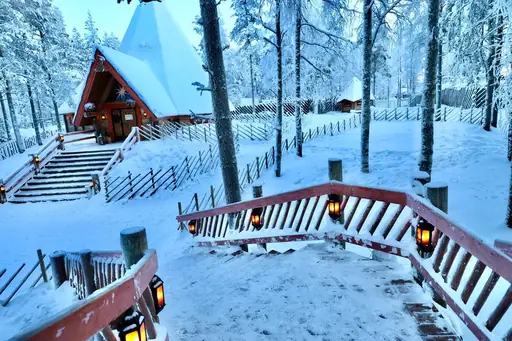
Helsinki’s climate is shaped by its coastal location and northern latitude, resulting in four distinct seasons. Winters (November to March) are long, cold, and snowy, with average temperatures in the coldest months (January–February) around -4°C, but lows can drop below -15°C during cold spells. Snow typically covers the city from December to March, and the sea often partially freezes. Daylight is scarce in winter, with the shortest days offering less than six hours of dim sunlight, and skies are often cloudy. Despite the cold, the city is lively with winter sports, Christmas markets, and cosy cafés.
Spring (April–May) brings rapidly increasing daylight and temperatures, but weather remains unpredictable, with possible late snow and chilly winds. By May, days are longer and milder, with blooming parks and outdoor celebrations. Summers (June to August) are mild and bright, with average highs of 19–22°C in July, the warmest month. Nights are cool, and heatwaves are rare. Helsinki enjoys up to 19 hours of daylight in June, with the famous 'white nights' when it never gets fully dark. Rainfall is moderate, with August being the wettest month. The Baltic Sea keeps summer temperatures comfortable, and the city’s parks and waterfronts come alive with festivals and outdoor activities. Autumn (September–October) is brief, with cooling temperatures, colourful foliage, and increasing rain and wind as the city transitions back to winter. Winds are strongest from September to March, and the sea temperature peaks at 17°C in August but is chilly for swimming most of the year.
Overall, Helsinki receives about 675 mm of precipitation annually, and sunshine hours vary dramatically – just 1–2 hours per day in winter, but up to 9–10 hours in summer. The city’s weather can change quickly, so dressing in layers and checking forecasts is always recommended.
| Average climate data for Helsinki, Finland | |||||||||||||
|---|---|---|---|---|---|---|---|---|---|---|---|---|---|
| Month | Jan | Feb | Mar | Apr | May | Jun | Jul | Aug | Sep | Oct | Nov | Dec | Year |
| Average maximum temperature (°C) | -1 | -2 | 2 | 8 | 14 | 18 | 22 | 20 | 14 | 9 | 4 | 1 | 22 |
| Average minimum temperature (°C) | -7 | -7 | -4 | 1 | 6 | 11 | 14 | 13 | 9 | 4 | -1 | -5 | -7 |
| Average precipitation (mm) | 52 | 36 | 38 | 32 | 37 | 58 | 62 | 79 | 56 | 76 | 71 | 57 | 654 |
| Average rainfall days (days) | 19 | 17 | 15 | 11 | 11 | 14 | 12 | 15 | 14 | 16 | 18 | 20 | 182 |
| Average snowfall (mm) | 213 | 229 | 139 | 0 | 0 | 0 | 0 | 0 | 0 | 0 | 40 | 118 | 740 |
| Average water temperature (°C) | 2 | 1 | 1 | 2 | 5 | 9 | 15 | 16 | 14 | 10 | 7 | 3 | 7 |
| Average daily daylight hours (h) | 6 | 9 | 11 | 14 | 17 | 18 | 18 | 15 | 12 | 10 | 7 | 6 | 12 |
| Average daily sunshine hours (h) | 1 | 2 | 4 | 6 | 9 | 9 | 9 | 7 | 5 | 3 | 1 | 0 | 5 |
| Average UV index | 0 | 0 | 1 | 3 | 4 | 5 | 5 | 4 | 3 | 1 | 0 | 0 | 2 |
Travel info
- Winter (Nov–Mar): Cold and snowy, -4°C to 1°C. Short days, frequent snow, and icy conditions – pack thermal layers, insulated boots, and windproof clothing. Ideal for winter sports and festive markets.
- Spring (Apr–May): Chilly to mild, 4–15°C. Unpredictable weather – bring layers and a waterproof jacket. Parks bloom and outdoor events begin.
- Summer (Jun–Aug): Mild and bright, 17–22°C. Long daylight hours, moderate rain, and cool nights. Perfect for sightseeing, festivals, and island trips. Pack light layers and sun protection.
- Autumn (Sep–Oct): Cool and wet, 8–15°C. Colourful foliage, increasing rain and wind. Layered clothing and a raincoat are recommended.
- General Tips: Weather can change quickly – always check the forecast. Comfortable, water-resistant shoes are essential for exploring Helsinki’s cobbled streets. In summer, enjoy the extended daylight for outdoor activities.
The best time to visit Helsinki
The best time to visit Helsinki is from late May to August, when temperatures are mild (17–22°C), daylight is abundant, and the city is vibrant with festivals and outdoor events. This period offers the most comfortable weather for sightseeing, enjoying parks and islands, and experiencing the unique 'white nights.'
The worst time to visit Helsinki
The least favourable time to visit is from November to March, when Helsinki is coldest, daylight hours are shortest, and snow or slush is common. While winter has a unique charm for those seeking snowy scenery and festive lights, outdoor exploration can be challenging due to cold, wind, and limited daylight.
Frequently asked questions
Helsinki has a moderately continental climate with cold, snowy winters and mild, bright summers. The city experiences dramatic changes in daylight, from short winter days to nearly 19 hours of summer sunlight.
Yes, snowfall is common from December to March. Snow cover is usually reliable in winter, but some years are snowier than others. Snow is rare outside these months, though occasional flurries can occur in late autumn or early spring.
In winter, Helsinki has less than six hours of daylight, while in midsummer, the city enjoys up to 19 hours of daylight and 'white nights' when it never gets fully dark.
Rainfall is moderate year-round, but August is typically the wettest month. October to January are also wetter, with much of the precipitation in winter falling as snow.
Pack thermal layers, a windproof coat, and insulated boots for winter. In summer, bring light layers, a rain jacket, and sun protection. Comfortable, water-resistant shoes are useful year-round due to variable weather.
Helsinki is breezy, especially from September to March, with winds strongest in winter. Humidity is highest in late autumn and winter, making cold air feel even chillier. Summers are less humid and more comfortable.
The Baltic Sea near Helsinki is cold most of the year, peaking at 17°C in August. Swimming is possible in late summer, but the water remains brisk compared to southern Europe.
Minimum and maximum temperatures in Helsinki
The warmest month, with the highest average maximum temperature, is July (21.6 °C). The month with the lowest average maximum temperature is February (-1.8 °C). Overall, the average maximum temperature over the whole year is 9 °C.
The month with the highest average minimum temperature is July (14.2 °C). The coldest month, with the lowest average minimum temperature, is February (-7.3 °C). Overall, the average minimum temperature over the whole year is 2.9 °C.
Water temperature in Helsinki
The month with the highest average water temperature is August (15.9 °C). The month with the lowest average water temperature is February (0.9 °C). Overall, the average water temperature over the whole year is 7.1 °C.
Rainfall amount in Helsinki
The wettest month, with the highest amount of precipitation, is August (79.4 mm). The driest month, with the least amount of precipitation, is April (31.6 mm). Over the whole year there are 653.8 mm of rainfall on average.
Rainfall days in Helsinki
The month with the most days of rain is December (20.1 days). The month with the fewest days of rain is April (11 days). Over the whole year there are 182.2 days of rain on average.
Snowfall amount in Helsinki
The month with the most snowfall is February (229.3 mm). The months with the least snowfall are April, May, June, July, August, September and October (0 mm). Over the whole year there are 739.5 mm of snowfall on average.
Daylight hours and sunshine hours in Helsinki
The month with the longest days, so the most daylight, is June (Average daylight: 18.1 h). The month with the shortest days, so the least daylight, is December (Average daylight: 6 h). Over the whole year there are 12 h of daylight per day on average.
The month with the most sunshine per day is June (Average sunshine: 9.2 h). The month with the least sunshine per day is December (Average sunshine: 0.1 h). Over the whole year there are 4.7 h of sunlight per day on average.
UV index in Helsinki
The months with the highest average UV index are June and July (UV index: 5). The months with the lowest average UV index are January, February, November and December (UV index: 0). Over the whole year the average UV index is 2.2.
- Helsinki climate overview
- Climate table
- Related travel information for Helsinki
- The best time to visit Helsinki
- The worst time to visit Helsinki
- Frequently asked questions
- Temperature summary
- Water temperature summary
- Rainfall amount summary
- Rainfall days summary
- Snowfall amount summary
- Daylight hours and sunshine hours summary
- UV index summary
- Other recommended travel destinations