







Was this page helpful?

| Opening hours: |
|
||||
|---|---|---|---|---|---|
| Public website: | denblaaplanet.dk |
| Power Grid: |
230 V, 50 Hz Plug: Type C , Type E , Type K
Type C:
   Read about power adapters |
|---|---|
| Currency: |
Danish Krone (DKK) £1 ≈ DKK 8.93 |
| Cashless info: |
Rating 5/5
Cashless payments are widespread, and cards are accepted almost everywhere.
Save with a travel credit card |
| eSIM providers: |
Best value: Saily Flexibility: Airalo Read our in-depth comparison |
| Tipping: | Tipping is not mandatory but appreciated. Rounding up the bill or leaving 5-10% is common. |
|---|---|
| Public drinking: | Public drinking is allowed, especially during festivals and celebrations. |
| Public smoking: | Smoking is banned in most indoor public spaces and workplaces. |
| Constitution Day (June) |
Celebrations occur, but shops may close early. |
|---|---|
| Christmas (December) |
Markets and festive events are popular. |
| Easter (March/April) |
Many closures and family gatherings. |
| Emergency contact: | Emergency Number: 112 (Police, Fire, Ambulance) |
|---|---|
| Taxi apps: | Uber, Bolt |
| Other: | Cycling is popular and convenient in Denmark. The country has a focus on sustainability and green living. |
The best times to travel section shows how the months compare for a visit, so you can find the time of year that fits what you want to do.
Background colours of the months:
The colour shows the typical temperature: yellow (hot), green (mild) and blue (cold). How strong the colour is shows the travel season: full colour means high season, soft colour means shoulder season and soft-striped means off season.
Weather symbols:
Each month has one symbol showing what the weather is typically like, such as hot and sunny, freezing or a rainy or snowy season. Use them to quickly spot months that match the weather you want, or to avoid the ones that don't.
Crowdedness:
The people icon shows how busy the place usually is. The more people, the more crowded it gets.
Additional notes:
The grey info boxes point out special things worth knowing, like recurring weather issues or seasonal events.
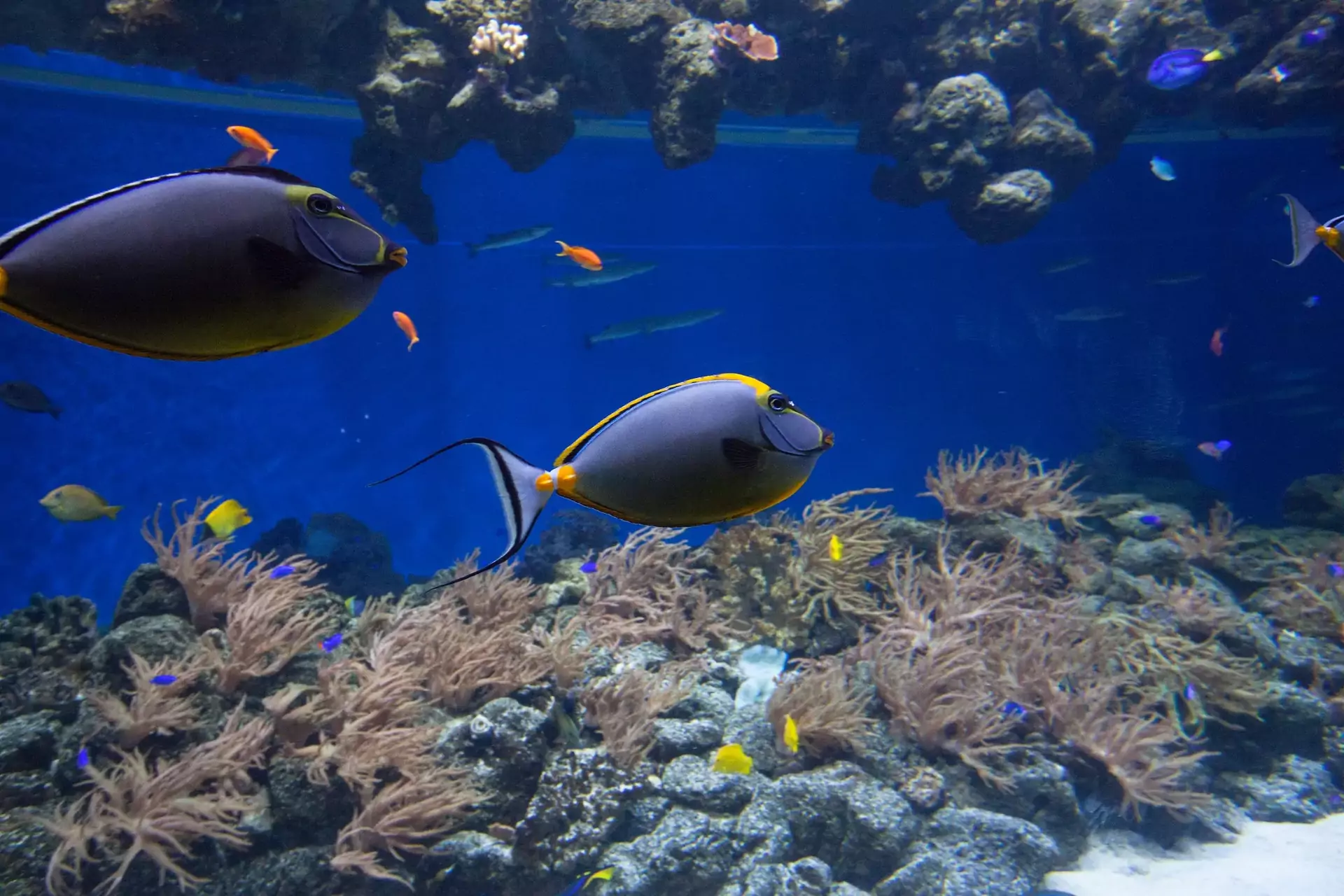
Opened in 2013, Den Blå Planet is a masterpiece of modern architecture inspired by ocean whirlpools, providing a dynamic and immersive environment for both visitors and marine life. Its vast tanks display ecosystems from cold water to tropical rainforests, offering a unique educational journey through the aquatic world.
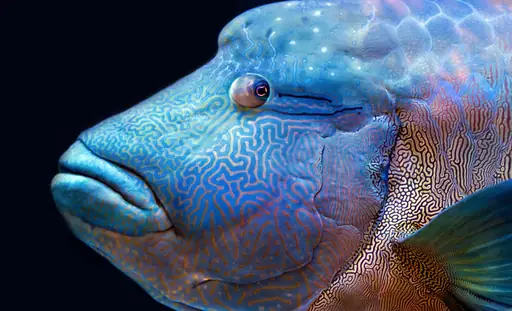
Highlights include the massive Ocean Tank, home to various shark species, rays and groupers, visible through a large front window and a striking underwater tunnel. The Rainforest area brings tropical biodiversity to life with exotic fish, amphibians and birds.
The aquarium is dedicated to sustainability, featuring energy-efficient technologies and conservation programs. Interactive exhibits and daily feeding sessions engage visitors of all ages, making it a perfect family destination.
During peak seasons, the aquarium can become crowded and lighting inside is intentionally dim to simulate underwater conditions, which might affect visibility for some visitors. Advance ticket booking is recommended, especially during holidays.
The aquarium is located in Kastrup, just a short distance from Copenhagen Airport and is easily accessible via public transport including bus and metro. Visitors arriving internationally can fly into Copenhagen Airport and then take a short metro ride to the nearby station, followed by a brief walk or bus ride to the aquarium.
Visitors can find a range of accommodations near the aquarium in Copenhagen, from family-friendly hotels to boutique options, offering easy access to the city center and the aquarium itself.


Log in to add this place to a travel list and get a summary of all recommended items for your whole trip.
We calculate the average costs when travelling to destinations and compare those with the living costs at your home. With this you can get an estimate of how expensive or cheap the destination is for you.
To customise this, you can set up which location and price level are used for the calculations in your account settings.
The exchange rate price factor shows how expensive or cheap a currency currently is compared to its historical average. It's a quick way to see if a country is currently more or less affordable due to exchange rate changes.
