









Was this page helpful?

| Public website: | www.christiania.org |
|---|
| Power Grid: |
230 V, 50 Hz Plug: Type C , Type E , Type K
Type C:
   Read about power adapters |
|---|---|
| Currency: |
Danish Krone (DKK) £1 ≈ DKK 8.93 |
| Cashless info: |
Rating 5/5
Cashless payments are widespread, and cards are accepted almost everywhere.
Save with a travel credit card |
| eSIM providers: |
Best value: Saily Flexibility: Airalo Read our in-depth comparison |
| Tipping: | Tipping is not mandatory but appreciated. Rounding up the bill or leaving 5-10% is common. |
|---|---|
| Public drinking: | Public drinking is allowed, especially during festivals and celebrations. |
| Public smoking: | Smoking is banned in most indoor public spaces and workplaces. |
| Constitution Day (June) |
Celebrations occur, but shops may close early. |
|---|---|
| Christmas (December) |
Markets and festive events are popular. |
| Easter (March/April) |
Many closures and family gatherings. |
| Emergency contact: | Emergency Number: 112 (Police, Fire, Ambulance) |
|---|---|
| Taxi apps: | Uber, Bolt |
| Other: | Cycling is popular and convenient in Denmark. The country has a focus on sustainability and green living. |
The best times to travel section shows how the months compare for a visit, so you can find the time of year that fits what you want to do.
Background colours of the months:
The colour shows the typical temperature: yellow (hot), green (mild) and blue (cold). How strong the colour is shows the travel season: full colour means high season, soft colour means shoulder season and soft-striped means off season.
Weather symbols:
Each month has one symbol showing what the weather is typically like, such as hot and sunny, freezing or a rainy or snowy season. Use them to quickly spot months that match the weather you want, or to avoid the ones that don't.
Crowdedness:
The people icon shows how busy the place usually is. The more people, the more crowded it gets.
Additional notes:
The grey info boxes point out special things worth knowing, like recurring weather issues or seasonal events.
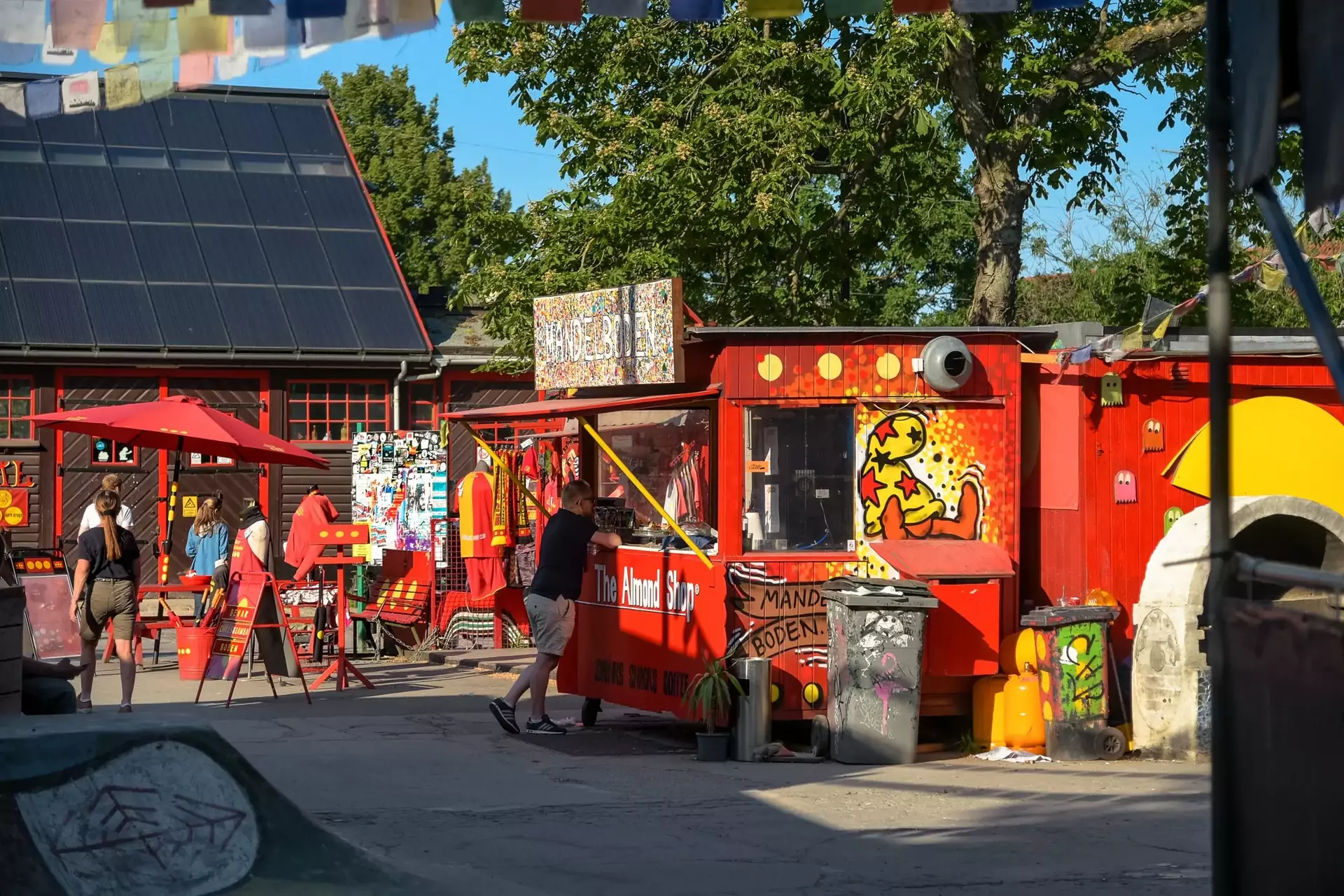
Freetown Christiania began in 1971 when a group of activists and artists squatted an abandoned military base, intending to establish a self-governing and communal settlement. Over the decades, it has become a symbol of alternative lifestyles, attracting artists, musicians and curious tourists worldwide.
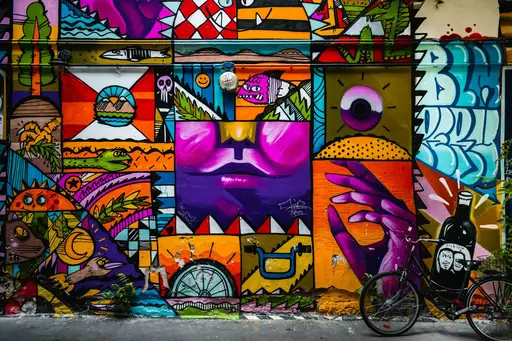
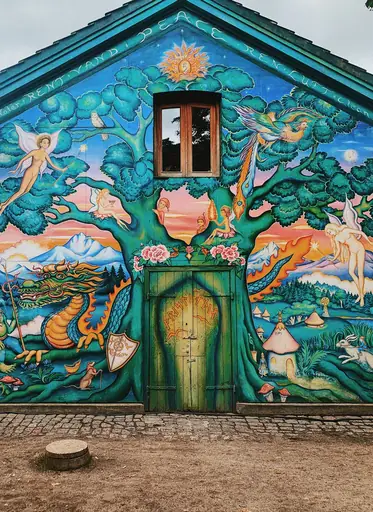
The community is known for its distinctive colorful houses, art installations and a relaxed vibe that promotes creativity and freedom. Despite its charm, Christiania has a complicated history with authorities and has been controversial due to past issues with illegal activities, particularly on 'Pusher Street'. However, in 2024, significant changes were made to curb open drug sales, improving safety and public perception.
Visitors should be mindful of Christiania’s unique rules like the prohibition of photography in certain areas, especially to respect residents’ privacy and local sensitivities. The atmosphere can feel edgy or intimidating to some, especially after dark, so daytime visits are recommended, particularly for families or solo travelers. Guided tours are available and provide valuable context and safer navigation.
Christiania offers numerous artisan shops, cafés and music venues, making it a dynamic spot to experience Copenhagen’s counterculture, though it may not appeal to everyone. Overall, it remains a compelling destination for those intrigued by its history, art and independent spirit.
Freetown Christiania is located in the Christianshavn neighborhood of Copenhagen and is easily reachable by foot from the city center or by metro to Christianshavn station. Visitors can also take buses or taxis from Copenhagen Airport or other parts of the city to reach this free town.
Accommodation options near Christiania include central Copenhagen hotels ranging from budget to boutique, allowing visitors easy access to the neighborhood as well as broader city attractions.
Log in to add this place to a travel list and get a summary of all recommended items for your whole trip.
We calculate the average costs when travelling to destinations and compare those with the living costs at your home. With this you can get an estimate of how expensive or cheap the destination is for you.
To customise this, you can set up which location and price level are used for the calculations in your account settings.
The exchange rate price factor shows how expensive or cheap a currency currently is compared to its historical average. It's a quick way to see if a country is currently more or less affordable due to exchange rate changes.
