
Best hidden gem destinations in Europe
Best hidden gem destinations in Europe
Secluded coastal towns and hidden rural villages in Europe
Europe's hidden gem destinations are typically smaller cities, rural regions and island communities that sit outside the continent's most established tourism circuits, where comparable architectural heritage, food culture and natural beauty exist without the visitor pressure that has reshaped the most celebrated destinations. The continent's compact geography and excellent transport infrastructure means genuinely rewarding alternatives are often within short travel distances of the most overcrowded headline destinations.
Secondary cities within well-visited countries frequently deliver the same cultural depth as national capitals with considerably more space and lower costs. Lesser-known coastal and island destinations across the Mediterranean and Atlantic offer comparable natural quality to celebrated neighbours while retaining the local character and affordability that overtourism has eroded elsewhere.
Hidden gem status is relative and destinations unknown to one market are often well-established in another. Current traveller forums and recent trip reports are more reliable than published guides for identifying what remains genuinely off the main circuits. Costs across central and eastern Europe deliver exceptional value for comparable cultural depth to western equivalents.
Lists by region
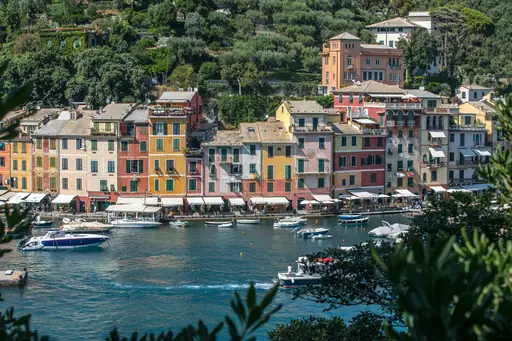
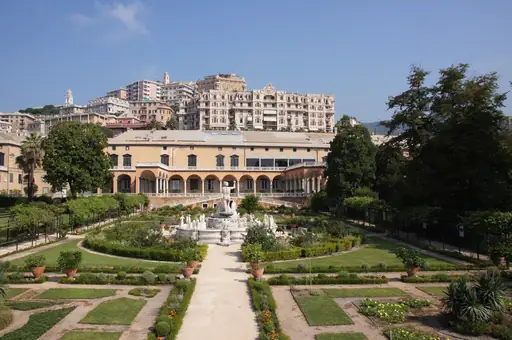
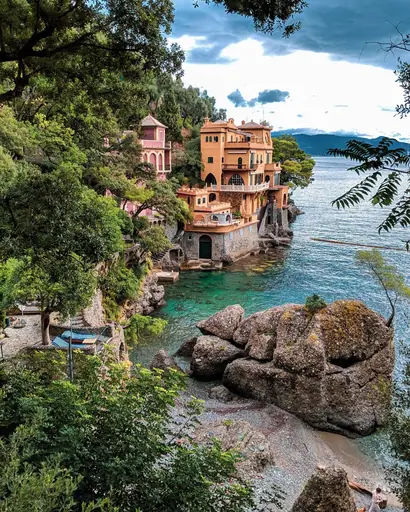
City in Italy
Genoa
Maritime grandeur and winding alleys
Genoa's Palazzi dei Rolli line a single street with dozens of Renaissance and Baroque palaces. UNESCO added the collection to its World Heritage list in 2006. Visitors can tour several palace interiors still furnished with original frescoes. Christopher Columbus is believed to have been born in the city's old quarter.
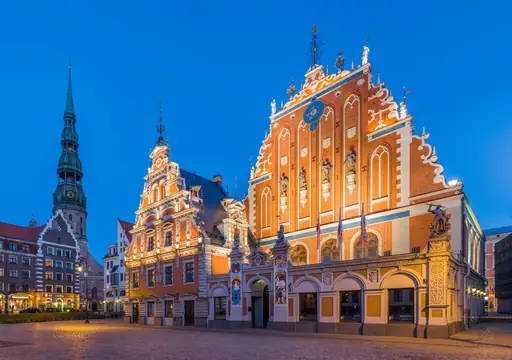
City in Latvia
Riga
Art Nouveau, Old Town, Baltic Soul
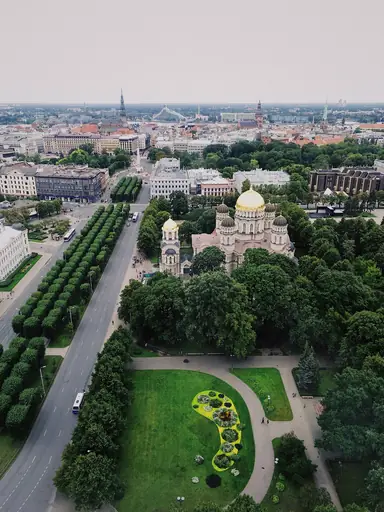
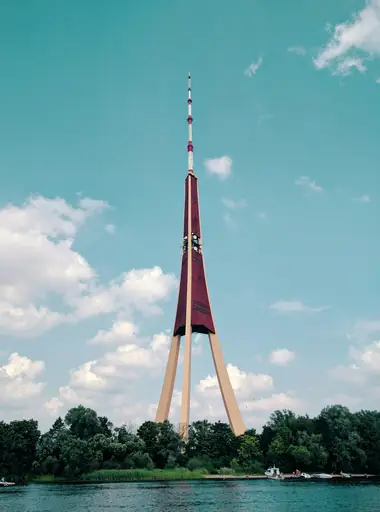
Riga holds one of the largest collections of Art Nouveau buildings anywhere in Europe. Elaborate facades decorated with faces, flowers and mythical creatures line entire streets. Visitors can walk Alberta Street for one of the densest concentrations of the style. Architect Mikhail Eisenstein designed several of the most striking examples.
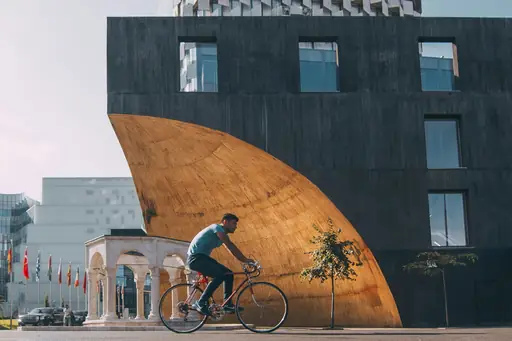
City in Albania
Tirana
Colorful energy in the Balkans
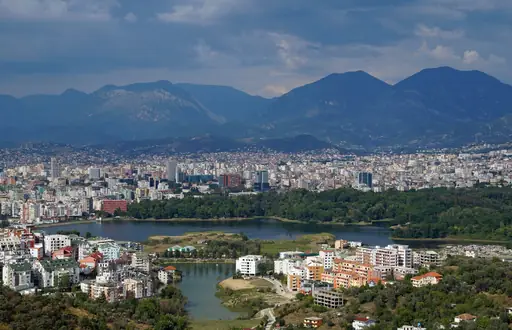
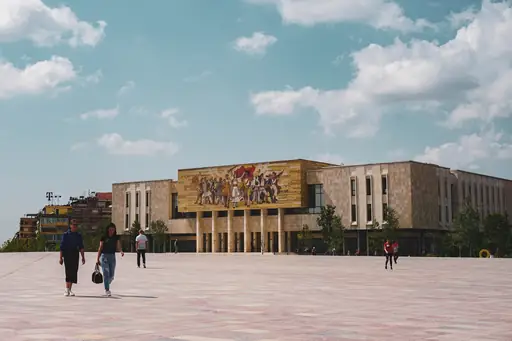
The Pyramid of Tirana once served as a museum honouring communist dictator Enver Hoxha. After decades of decay, the building reopened as a tech and youth centre with a rooftop terrace. Visitors can climb the sloped exterior, once a popular pastime for local kids. Nearby, Skanderbeg Square anchors the modern centre of the capital.
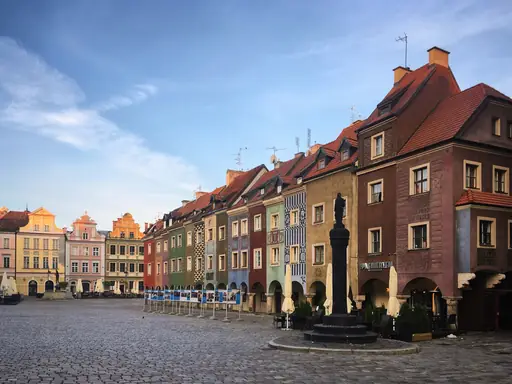

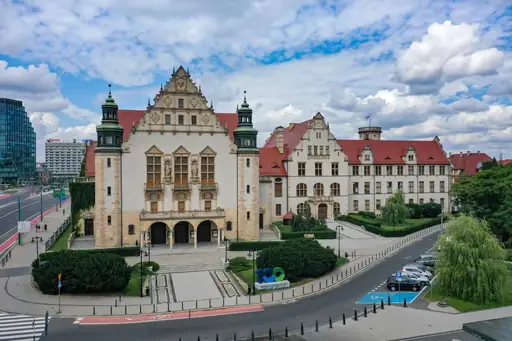
City in Poland
Poznań
Historic heart with a youthful buzz
Two mechanical goats butt their horns together on Poznan's town hall clock every day at noon. Crowds gather in the Old Market Square to watch the brief performance. Visitors can also try a Rogal Swietomarcinski, a crescent pastry tied to a November street festival. Ostrow Tumski island holds the city's oldest cathedral across the river.
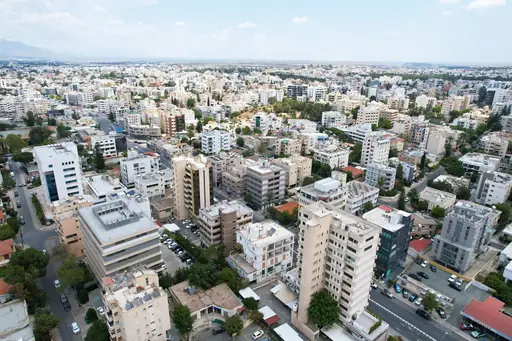
City in Cyprus
Nicosia
Europe’s last divided capital city
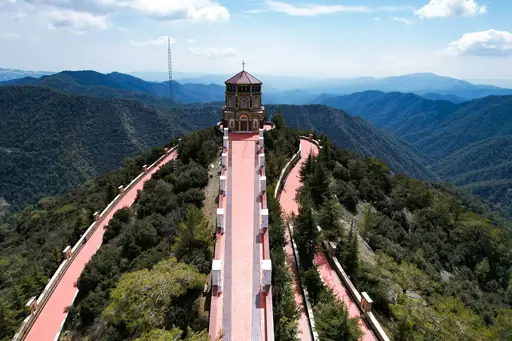
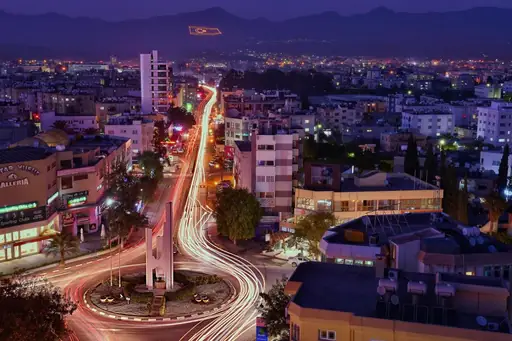
Nicosia remains the world's last divided capital, split by a UN patrolled buffer zone since 1974. Old shopfronts and abandoned buildings still sit frozen along the Green Line. Visitors can cross between the Greek and Turkish sides through a pedestrian checkpoint. Ledra Street's cafes and shops run right up to the dividing wall.
City in North Macedonia
Skopje
Balkan crossroads of history and style
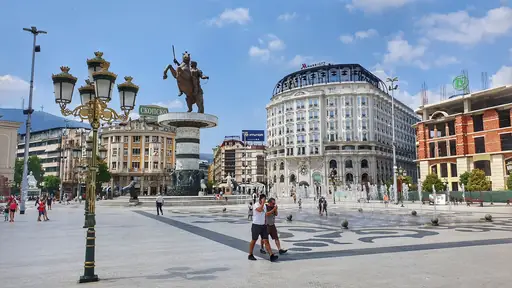
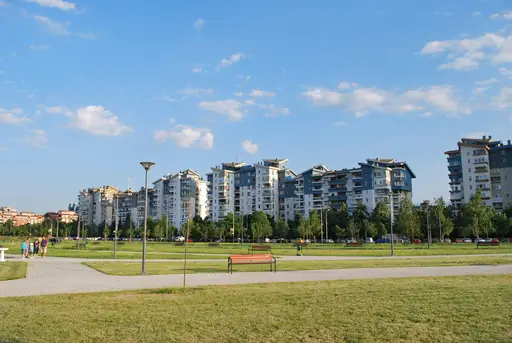
Skopje filled its centre with hundreds of new statues during a project known as Skopje 2014. A massive equestrian statue dominates the main square near the old Stone Bridge. Visitors can cross the bridge into the historic Old Bazaar on the other side. Ottoman era buildings still stand just steps from the newly built facades.
City in Bulgaria
Plovdiv
Europe’s Oldest City, Alive with Art
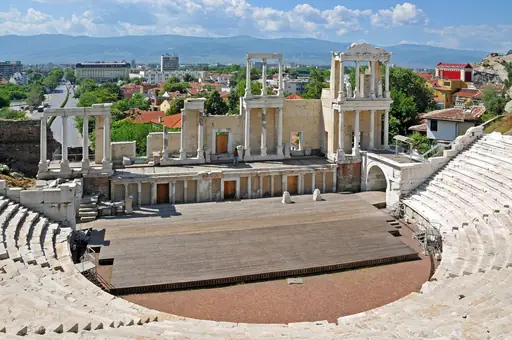
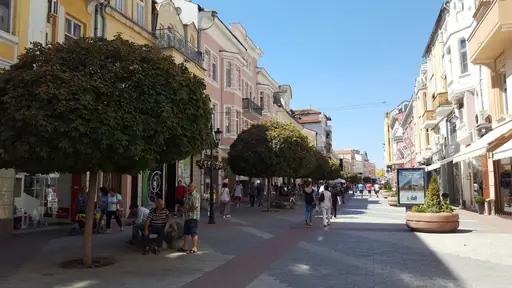
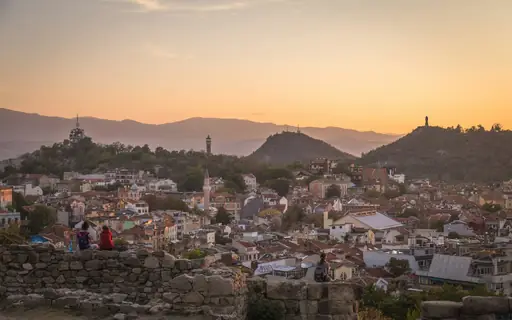
Plovdiv's Kapana district turned a once rundown warehouse quarter into a hub of street art and cafes. An ancient Roman Odeon still sits partly excavated near the modern shops. Visitors can wander narrow lanes decorated with murals painted by local artists. Craft breweries and galleries have steadily filled the surrounding buildings.
City in Romania
Cluj-Napoca
Transylvanian heart with youthful energy
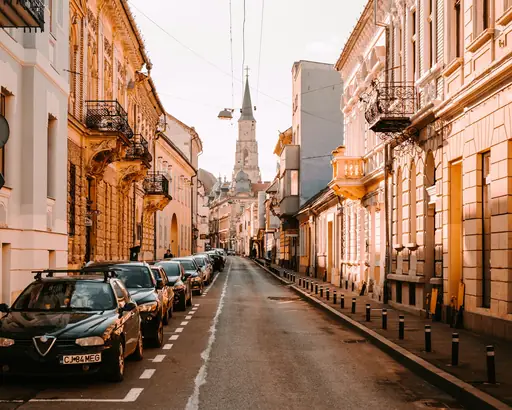
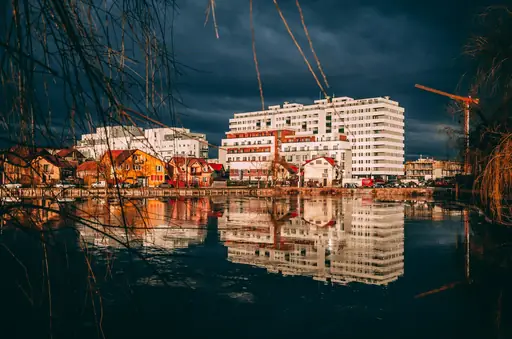
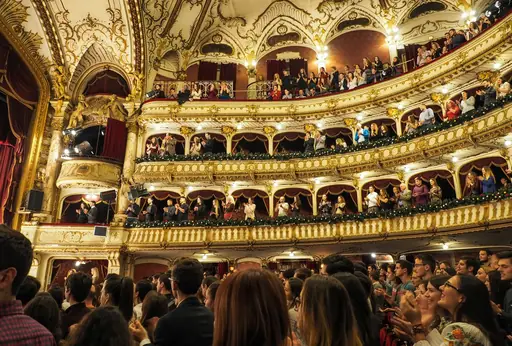
Cluj Napoca hosts UNTOLD, one of Europe's largest electronic music festivals, inside a historic stadium each summer. A large student population keeps the city's cafes and bars busy year round. Visitors can wander the Botanical Garden's greenhouses in the university quarter. Turda Salt Mine, with its underground amusement park, sits a short drive away.
City in Estonia
Tartu
Estonia’s Lively University Heart
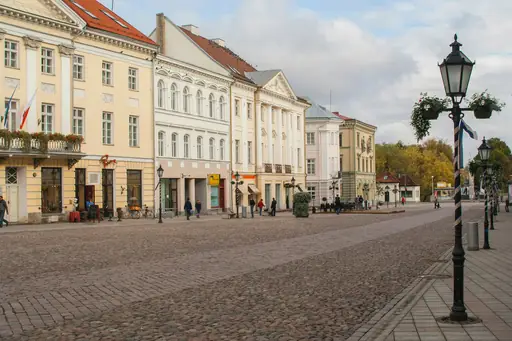
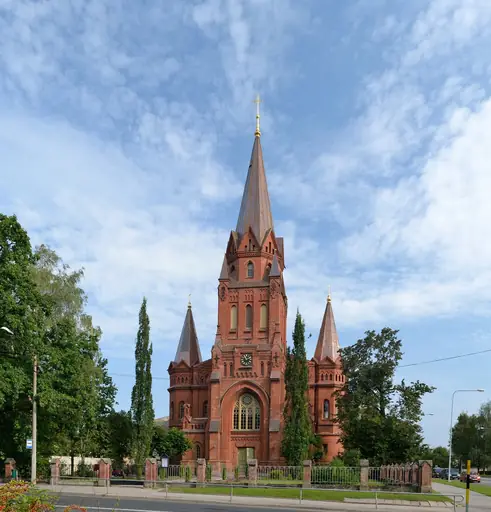
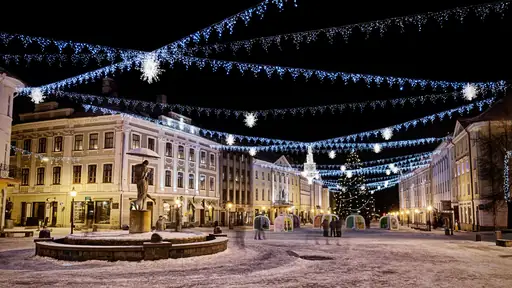
Tartu's Leaning Tower, a crooked bell tower beside the cathedral ruins, tilts noticeably off vertical. A wooden arch bridge called Kaarsild spans the river near the university's botanical garden. Visitors can walk the wooded Toome Hill park above the old town centre. Students make up a large share of the city's population year round.
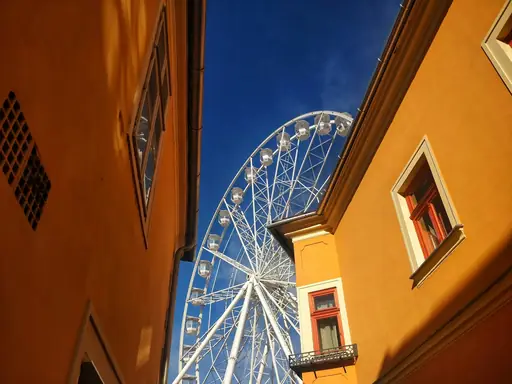
City in Hungary
Győr
Baroque Beauty by the Rivers
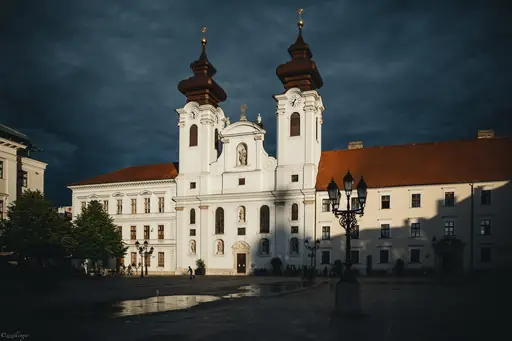
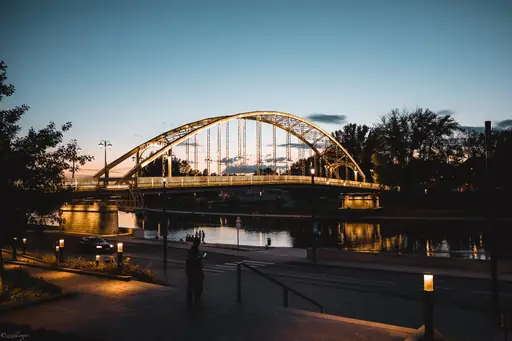
Gyor sits where the Raba, Rabca and Mosoni Danube rivers all meet in western Hungary. Its Baroque cathedral holds a reliquary bust said to weep tears on rare occasions. Visitors can wander a compact old town largely spared from wartime bombing. Cyclists pass through often as the halfway point on the Danube bike route.
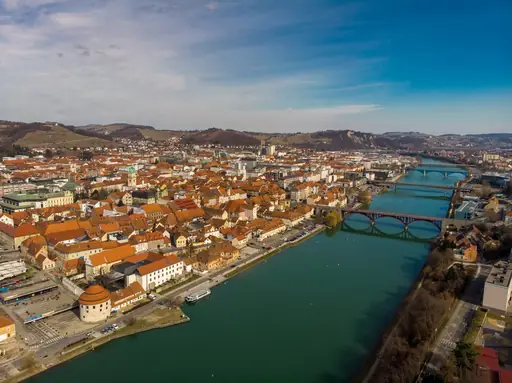
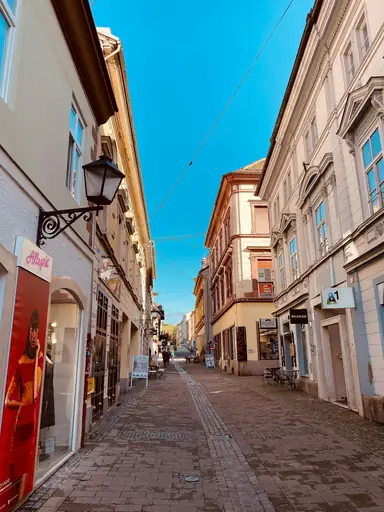
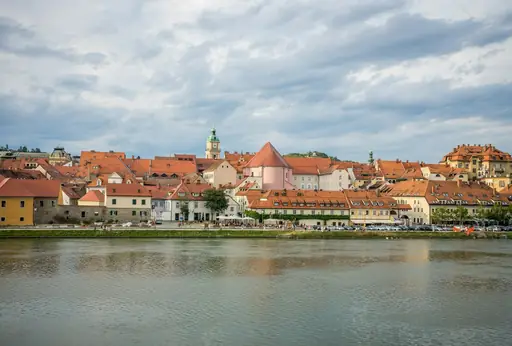
City in Slovenia
Maribor
Vineyards, River Views, Alpine Energy
A single grapevine outside Maribor's Old Vine House has produced wine for more than 400 years. Guinness World Records recognises it as the oldest vine still bearing fruit anywhere on Earth. Visitors can taste a bottle of its harvest at a small museum next door. The Drava River flows past the same riverside promenade.
Town in North Macedonia
Ohrid
Ancient Lakeside Bliss and History
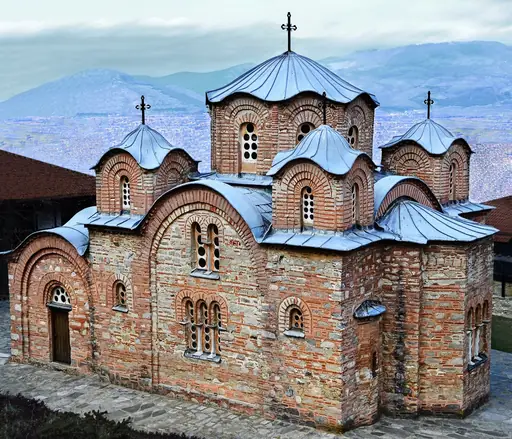
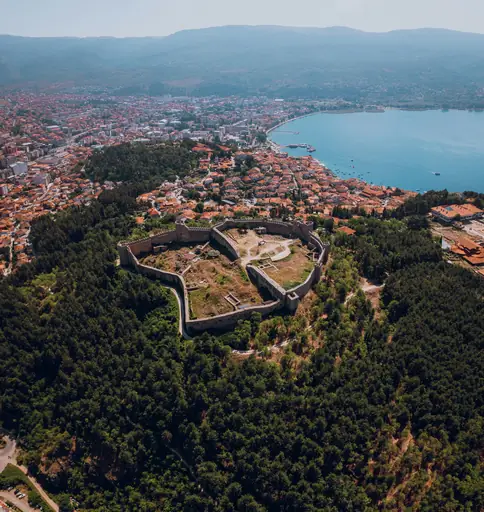
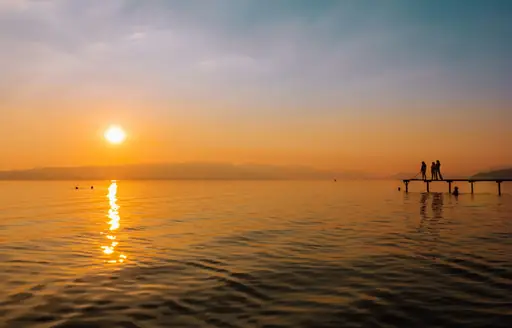
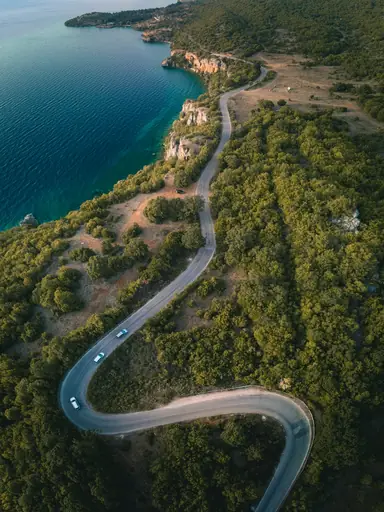
Ohrid once held as many as 365 churches, reportedly one for each day of the year. Samuil's Fortress overlooks the old town from a hill above Lake Ohrid. Visitors can climb the ramparts for views stretching across the water into Albania. Byzantine frescoes still cover the walls inside several surviving churches.
Town in Albania
Gjirokastër
Ancient stone streets echo timeless heritage
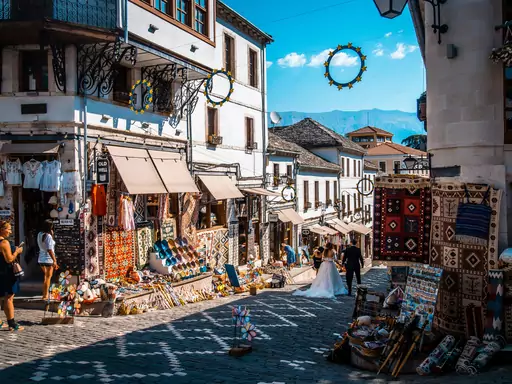
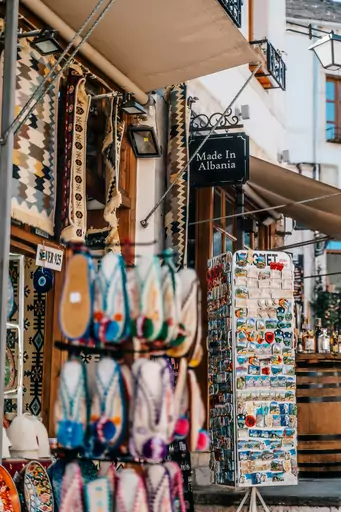
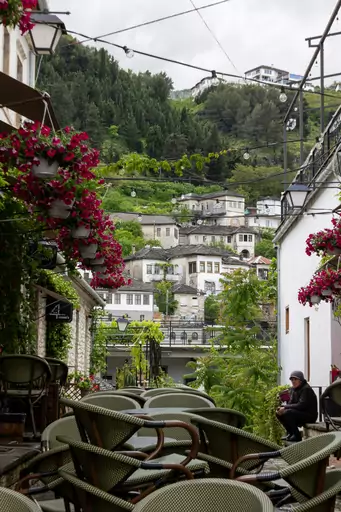
Zekate House stands as one of the finest Ottoman era mansions still open in Gjirokaster. Novelist Ismail Kadare, who set several books here, grew up in a similar stone roofed house nearby. Visitors can climb narrow stairs through the mansion's balconies and reception rooms. A hilltop fortress overlooks the whole stone roofed old town.
Other lists you may like
Discover
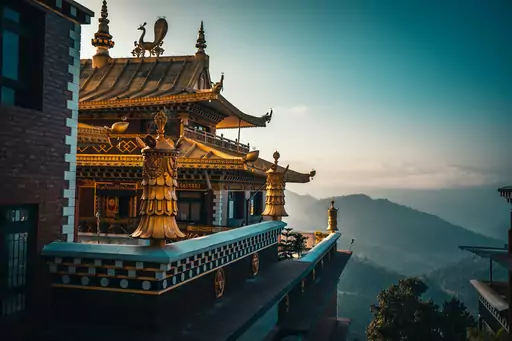
Top hidden gem destinations and off-the-beaten-path travel
Hidden gem destinations are those where the gap between quality of experience and level of visitor awareness is widest, producing places that deliver comparable depth to celebrated…
Read more
Discover
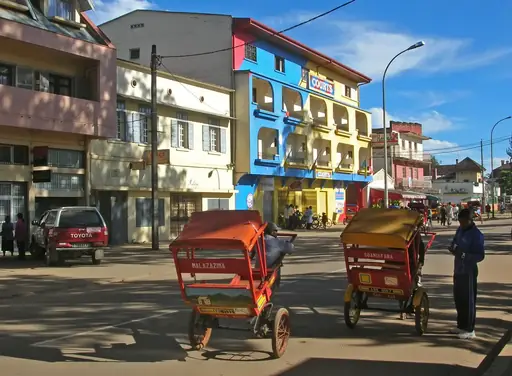
Best hidden gem destinations in Africa
Africa's hidden gem destinations sit outside the continent's established east and southern African safari circuits, where comparable wildlife, landscapes and cultural depth exist…
Read more
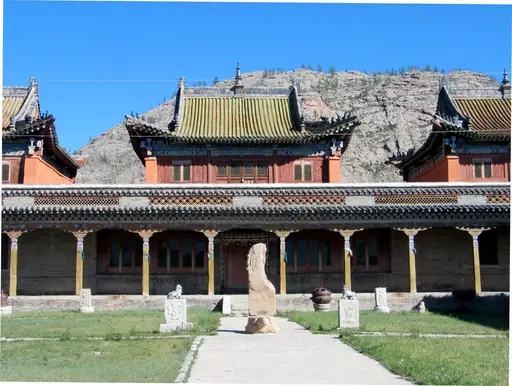
Discover
Best hidden gem destinations in Asia
Asia's hidden gem destinations are often overlooked neighbours of the continent's most visited countries, where comparable landscapes, cultural depth and historical significance…
Read more
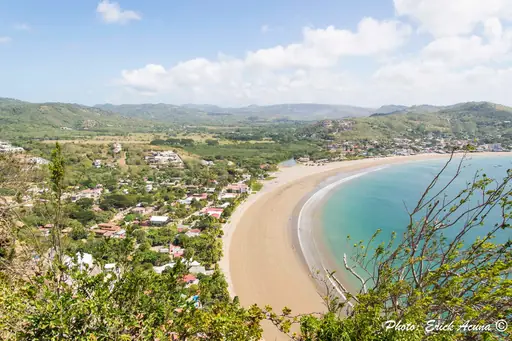
Discover
Best hidden gem destinations in North America
North America's hidden gem destinations are often secondary cities and rural regions that sit in the shadow of the continent's most marketed destinations, where comparable natural…
Read more

Discover
Best hidden gem destinations in Oceania
Oceania's hidden gem destinations lie beyond the well-established circuits of Australia and New Zealand, where lesser-known Pacific island groups and remote coastal and interior…
Read more
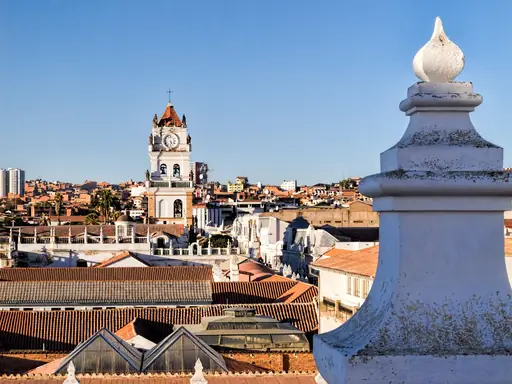
Discover
Best hidden gem destinations in South America
South America's hidden gem destinations sit outside the continent's established gringo trails, where comparable landscapes, cultural depth and historical significance exist without…
Read more
What other users say about travelfilters
“travelfilters made it easy for me to find ski areas and compare what else they offer, so that I could find the best place for my personal travel style.”

Chris
Snowboarding & Onsen trip to Japan
“I love how transparent the data feels. There is no pushy upsell, just honest information and settings I can tune to my own travel style.”

Maria
After booking her 2027 winter escape
“The level of detail for each destination and how well those are displayed, make planning feel confident instead of overwhelming.”

Mina
Planned a week in New York City
“We used travelfilters for our planning from start to end. The trip turned out even better than expected, thanks to all their tools and customisation options.”

Allan & Etienne
Trip to Japan to see autumn foliage
“Thanks to travelfilters, I found some hidden gems to see. Being able to filter for exactly your interests is a game changer for my travel planning.”

Michael
Tour through the old cities of Northern Italy
“The customizable filters helped me find a quiet beach town with good wifi and low season crowds in under five minutes.”

Diego
Weekend Escape to Llanes, Spain
“The airport connection map saved me hours by showing good flight options from my home airport to lesser-known cities.”

Nguyen
Planning a 2027 trip to France
“The website is clean, fast and focused on the search itself, which makes travelfilters feel more like a professional tool than an ad-heavy booking site.”

Hassan
Christmas Market trip, Germany
