
Best hidden gem destinations in Asia
Best hidden gem destinations in Asia
Isolated temple complexes and hidden regional treasures across Asia
Asia's hidden gem destinations are often overlooked neighbours of the continent's most visited countries, where comparable landscapes, cultural depth and historical significance exist without the visitor numbers that recognition has brought to the headline destinations nearby. The continent's scale means that genuinely unknown destinations sit within easy reach of established transport hubs, making them practical additions to existing itineraries rather than standalone long-haul commitments.
Secondary cities within well-visited countries frequently deliver the same architectural heritage and food culture as the national capitals with considerably more space and authenticity. Lesser-known island groups, highland regions and border areas that have recently become accessible offer experiences that the main circuits have largely lost to infrastructure development and visitor pressure.
Research requirements are higher for genuinely off-circuit destinations and current traveller forums are more reliable than published guides in fast-changing markets. Visa conditions and transport options vary and require advance checking. Your money goes a long way across most of the continent's hidden gem destinations making extended exploration practical on modest budgets.
Lists by region

Country
Kyrgyzstan
Untouched mountain wilderness awaits explorers
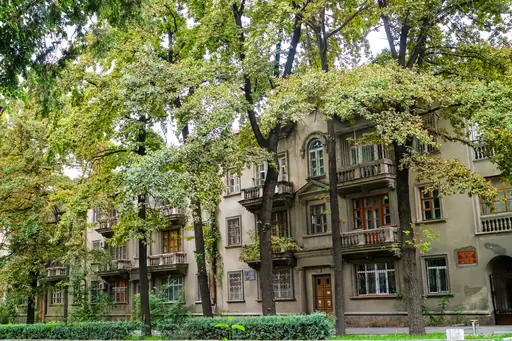
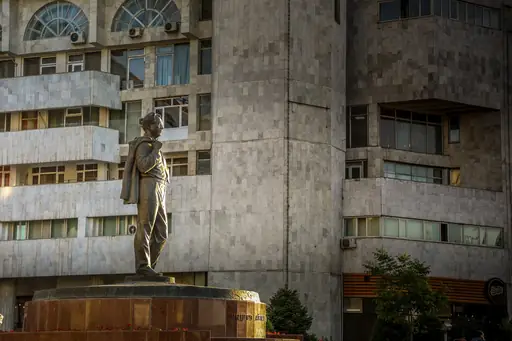
Nomadic families still move their yurts up to Song Kul Lake each summer for grazing. The lake sits at over 3,000 metres surrounded by grassland in the Tian Shan mountains. Visitors can stay overnight in a family run yurt camp beside the water. Horse games and falconry displays remain part of everyday life here.

Country
Azerbaijan
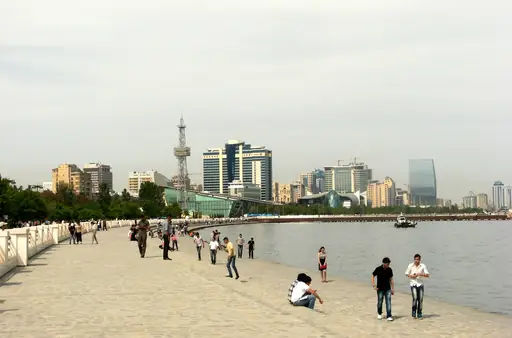
Baku skyline, Silk Road towns and mountains
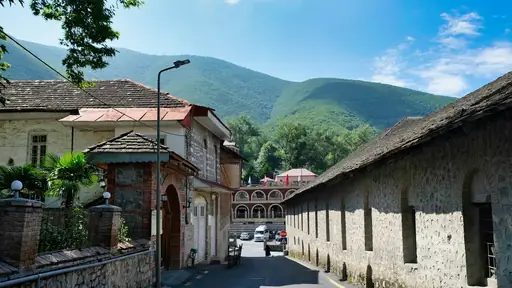
Yanar Dag, meaning burning mountain, has kept a natural gas flame alight on a hillside for decades. Locals discovered the fire after a shepherd accidentally ignited a gas seep. Visitors can walk right up to the flames along a low wall at dusk. Mud volcanoes near Gobustan bubble away a short drive from the capital.
City in India
Chandigarh
India's planned city of contrasts
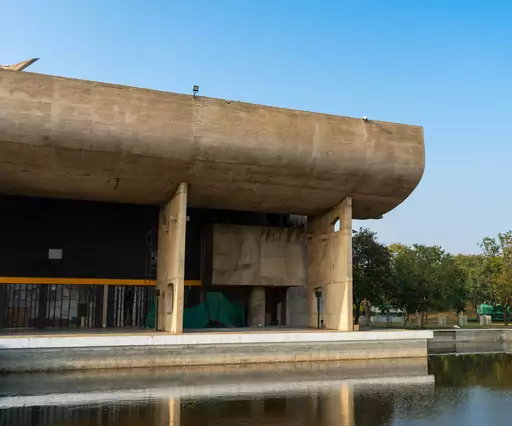
Le Corbusier designed Chandigarh from scratch in the 1950s as India's first planned city. Nearby, the Rock Garden was built secretly over decades from broken ceramics and industrial waste. Visitors can wander sculpture courtyards hidden behind winding stone walls. City planners still follow Le Corbusier's original grid layout today.
City in Oman
Salalah
Verdant oasis amid Arabian desert splendor
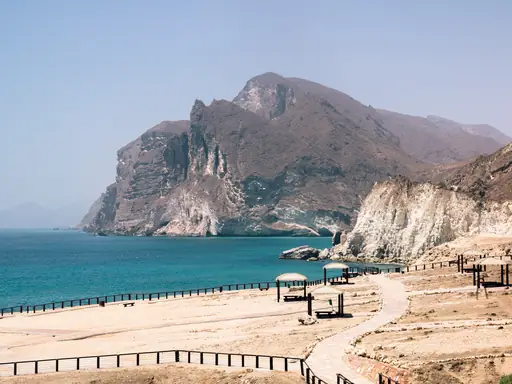
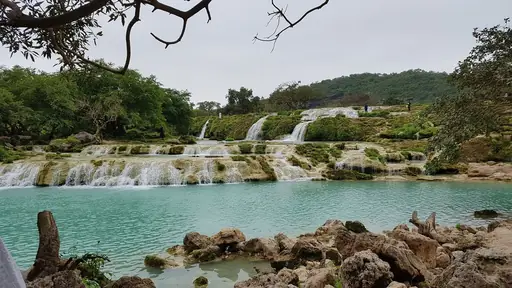
Salalah transforms each summer when monsoon rains called the khareef turn the desert green. Waterfalls appear briefly across cliffs that stay dry the rest of the year. Visitors can walk misty hillsides usually associated with the tropics rather than Arabia. Frankincense trees still grow wild in the hills, tapped for resin for centuries.
City in Japan
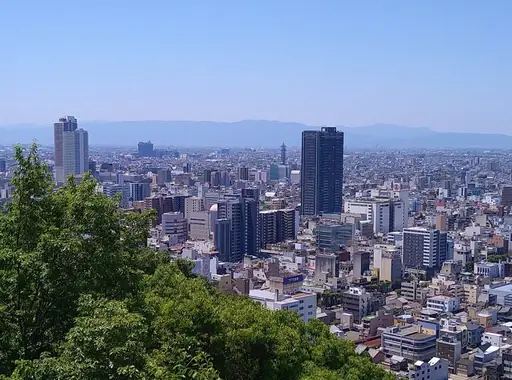
Gifu
Cormorant fishing, castle and old merchant lanes
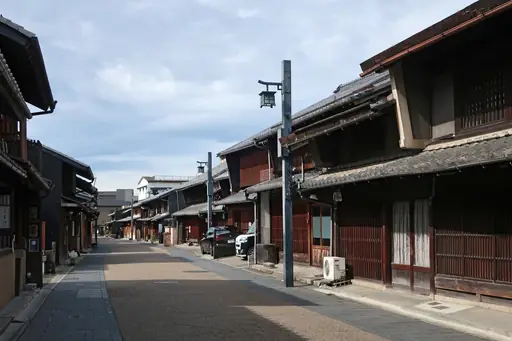
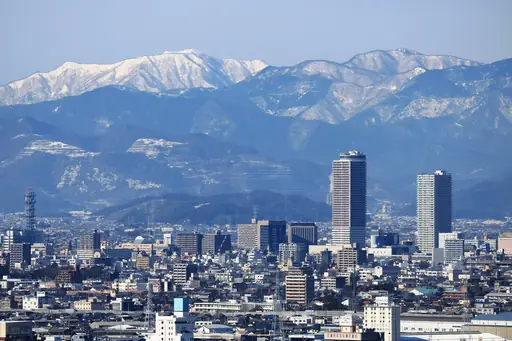
Gujo Hachiman's clear streams run through the centre of this small castle town. Locals gather each summer for the Gujo Odori, a folk dance held on the streets for over 30 nights. Visitors can drink from public fountains fed by the same clean water. A wooden castle overlooks the town from a hill above.

Country
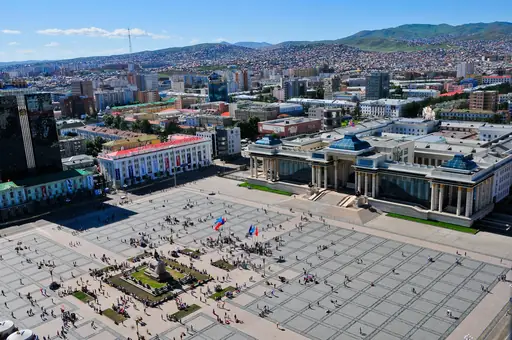
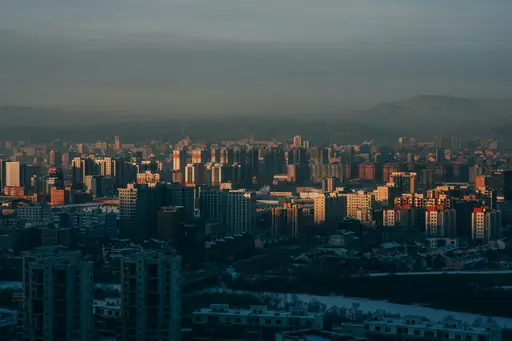
Mongolia
Land of endless steppes
A stainless steel statue of Genghis Khan on horseback rises 40 metres above the steppe. Visitors can ride an lift up through the horse's body to a viewing deck near its head. Nomadic families still live in ger camps across the surrounding grassland. The annual Naadam festival tests archery, wrestling and horse racing each July.

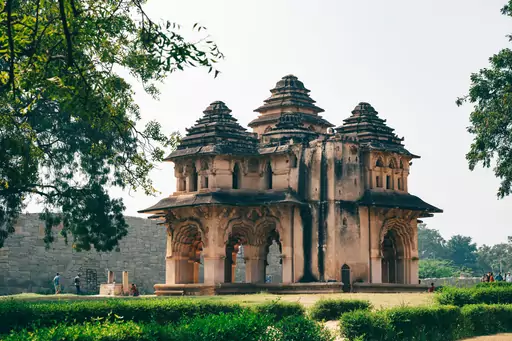
Village in India
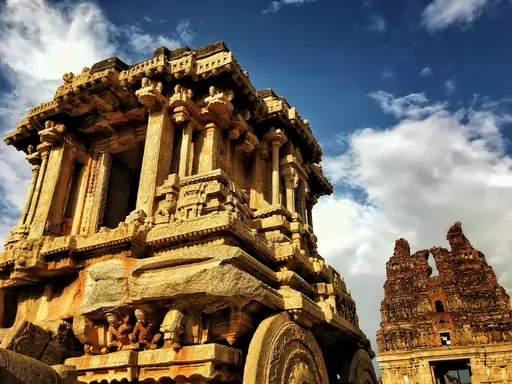
Hampi
Ancient ruins in boulder landscapes
Boulder strewn hills surround the ruined temples of Hampi, once the capital of the Vijayanagara Empire. Virupaksha Temple's carved gateway still functions as an active place of worship today. Visitors can climb Matanga Hill for sunrise views over the scattered ruins. Rice paddies now grow green between temples once filled with a thriving medieval city.
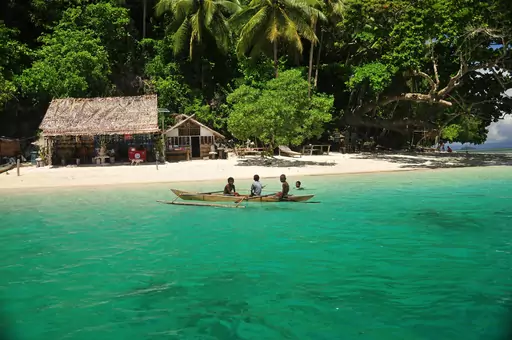
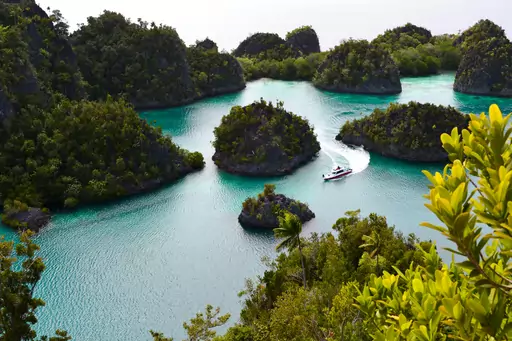

Archipelago in Indonesia
Raja Ampat
Vibrant coral reefs and lush tropical islands
Raja Ampat's scattered limestone islands rise from waters considered the heart of the Coral Triangle. Researchers have documented more fish species here than almost anywhere else on Earth. Visitors can climb to the Piaynemo viewpoint for views over the karst studded lagoon. Remote village homestays remain the main way to stay overnight among the islands.
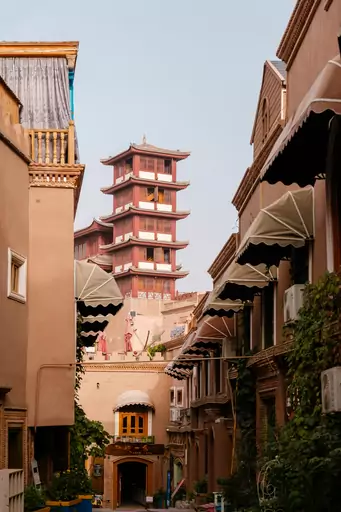
City in China
Kashgar
Ancient Silk Road's living museum
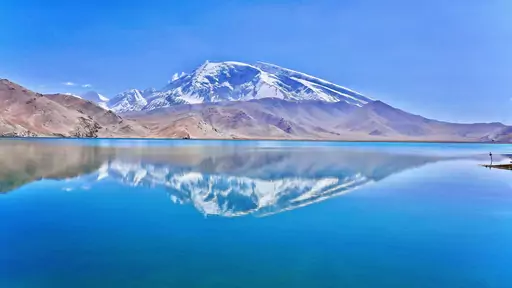
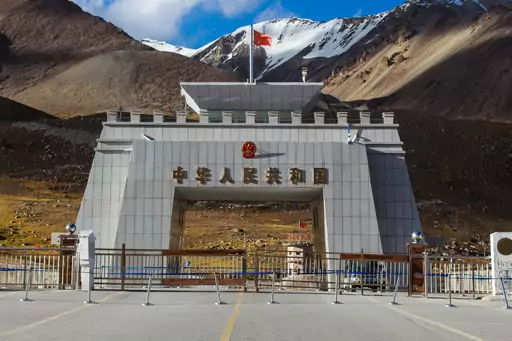
Kashgar sat at the crossroads of the Silk Road for over two thousand years. A weekly livestock market still draws traders from the region to buy and sell sheep and camels. Visitors can wander the old town's lanes near the Id Kah Mosque. Uyghur bakers still sell fresh naan from clay ovens along the streets.
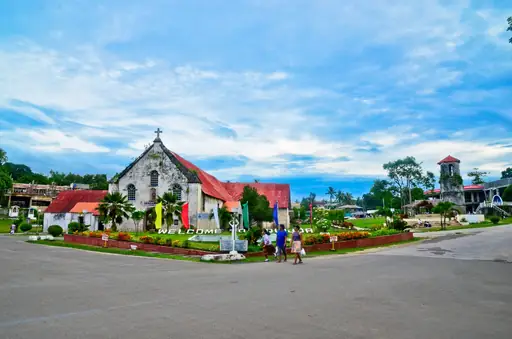
Island in Philippines
Siquijor
Hidden lagoon paradise with mystical waterfalls
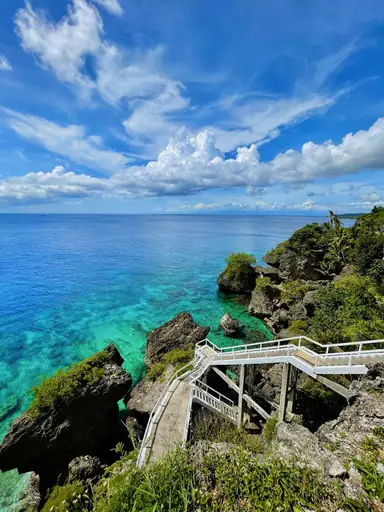
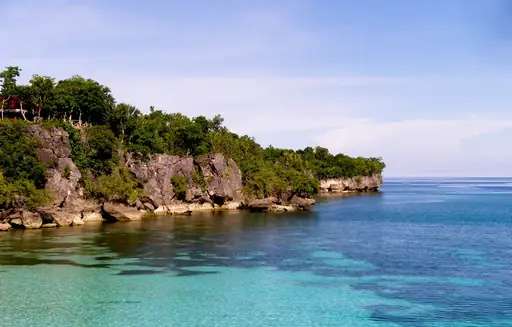
Siquijor carries a longstanding reputation across the Philippines as an island of folk healers and old world magic. Traditional healers still practise rituals passed down through generations on the island. Visitors can hike to hidden waterfalls tucked away from the island's quiet beaches. Crowds here remain thin compared to better known Philippine island destinations.
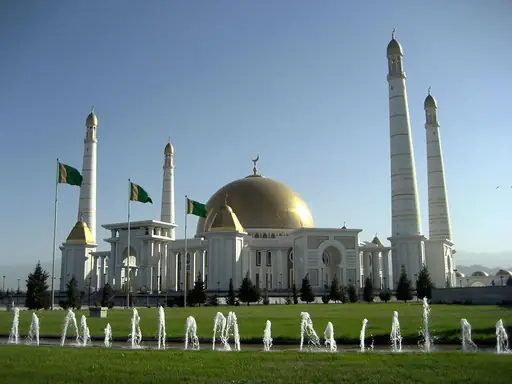
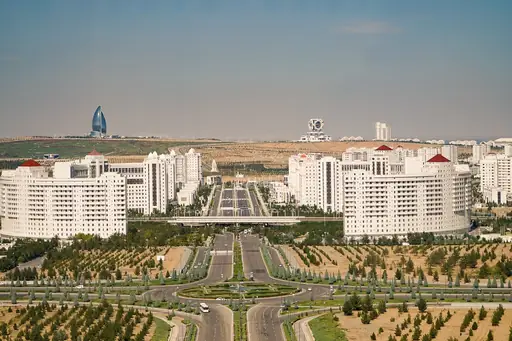
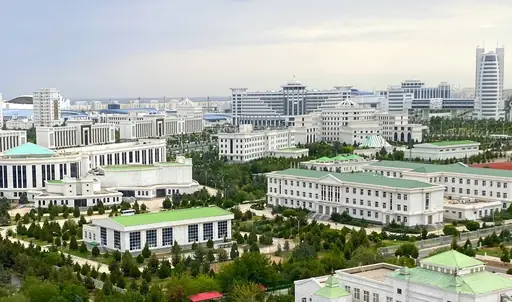
Country
Turkmenistan
Desert landscapes with ancient history
The Darvaza Gas Crater has burned continuously in the Karakum Desert since a drilling accident in 1971. Soviet engineers reportedly set it alight expecting the fire to burn out within weeks. Visitors can camp beside the pit and watch the flames glow after dark. Turkmenistan's tightly restricted visa policy keeps annual visitor numbers extremely low.
Country
Tajikistan
Dramatic mountains meet ancient cultures
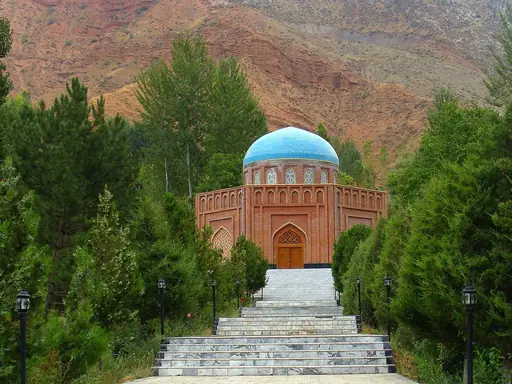
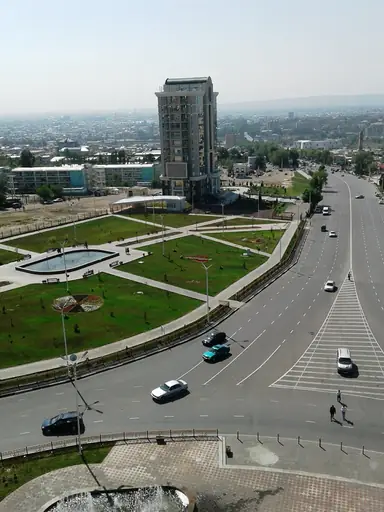
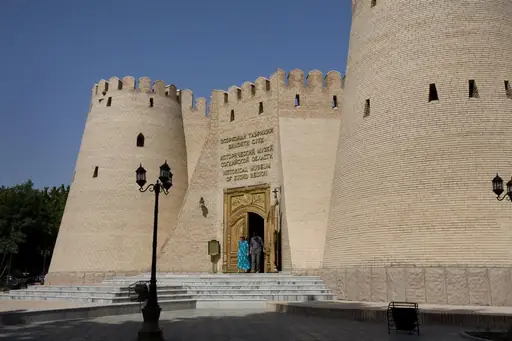
The Pamir Highway climbs through Tajikistan's mountains along one of the world's highest roads. Locals nickname the surrounding peaks the Roof of the World for their extreme altitude. Visitors can drive past turquoise lakes in the Fann Mountains along the route. Homestays in remote villages remain the main option for travellers passing through.

Country
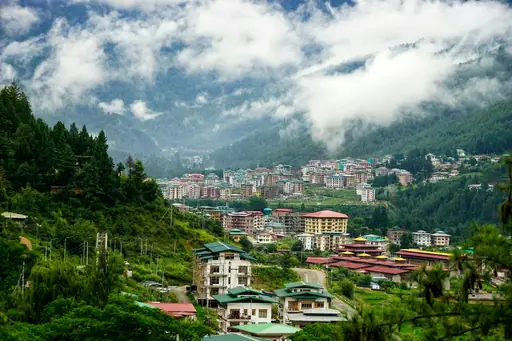
Bhutan
Himalayan monasteries, dzongs and trekking trails
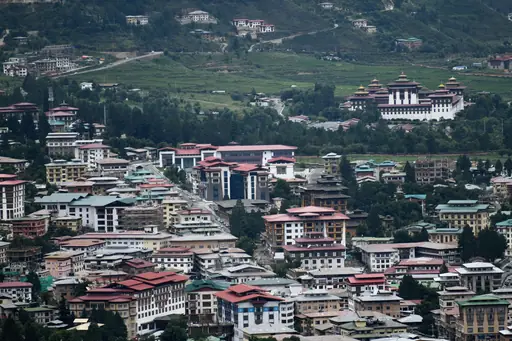
Bhutan measures national progress through Gross National Happiness instead of only economic output. Paro Taktsang, known as the Tiger's Nest, clings to a cliff face 900 metres above the valley. Visitors can hike several hours up a forested trail to reach the monastery. Prayer flags snap in the wind along much of the climb.
Other lists you may like
Discover
Top hidden gem destinations and off-the-beaten-path travel
Hidden gem destinations are those where the gap between quality of experience and level of visitor awareness is widest, producing places that deliver comparable depth to celebrated…
Read more
Discover
Best hidden gem destinations in Africa
Africa's hidden gem destinations sit outside the continent's established east and southern African safari circuits, where comparable wildlife, landscapes and cultural depth exist…
Read more
Discover
Best hidden gem destinations in Europe
Europe's hidden gem destinations are typically smaller cities, rural regions and island communities that sit outside the continent's most established tourism circuits, where…
Read more
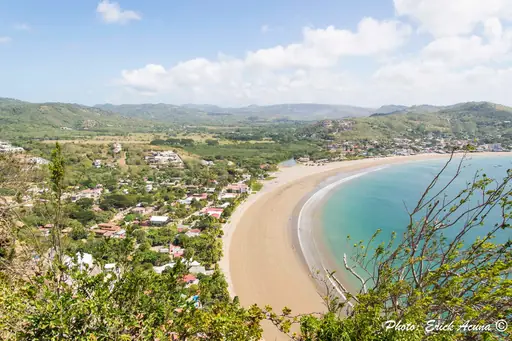
Discover
Best hidden gem destinations in North America
North America's hidden gem destinations are often secondary cities and rural regions that sit in the shadow of the continent's most marketed destinations, where comparable natural…
Read more

Discover
Best hidden gem destinations in Oceania
Oceania's hidden gem destinations lie beyond the well-established circuits of Australia and New Zealand, where lesser-known Pacific island groups and remote coastal and interior…
Read more
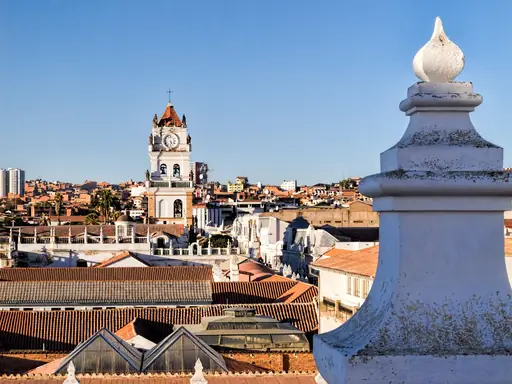
Discover
Best hidden gem destinations in South America
South America's hidden gem destinations sit outside the continent's established gringo trails, where comparable landscapes, cultural depth and historical significance exist without…
Read more
What other users say about travelfilters
“travelfilters made it easy for me to find ski areas and compare what else they offer, so that I could find the best place for my personal travel style.”

Chris
Snowboarding & Onsen trip to Japan
“I love how transparent the data feels. There is no pushy upsell, just honest information and settings I can tune to my own travel style.”

Maria
After booking her 2027 winter escape
“The level of detail for each destination and how well those are displayed, make planning feel confident instead of overwhelming.”

Mina
Planned a week in New York City
“We used travelfilters for our planning from start to end. The trip turned out even better than expected, thanks to all their tools and customisation options.”

Allan & Etienne
Trip to Japan to see autumn foliage
“Thanks to travelfilters, I found some hidden gems to see. Being able to filter for exactly your interests is a game changer for my travel planning.”

Michael
Tour through the old cities of Northern Italy
“The customizable filters helped me find a quiet beach town with good wifi and low season crowds in under five minutes.”

Diego
Weekend Escape to Llanes, Spain
“The airport connection map saved me hours by showing good flight options from my home airport to lesser-known cities.”

Nguyen
Planning a 2027 trip to France
“The website is clean, fast and focused on the search itself, which makes travelfilters feel more like a professional tool than an ad-heavy booking site.”

Hassan
Christmas Market trip, Germany
