








Was this page helpful?

| Opening hours: |
|
||||||||
|---|---|---|---|---|---|---|---|---|---|
| Public website: | www.bqllang.gov.vn |
| Power Grid: |
220 V, 50 Hz Plug: Type A , Type C
Type A:
  Read about power adapters |
|---|---|
| Currency: |
Vietnamese Dong (VND) £1 ≈ ₫34,381 |
| Cashless info: |
Rating 4/5
Cashless payments are widely accepted in Vietnam, especially in larger cities and tourist areas. Cash is still commonly used in rural areas.
Save with a travel credit card |
| eSIM providers: |
Best value: Saily Flexibility: Airalo Read our in-depth comparison |
| Tipping: | Tipping is not customary in Vietnam, but small tips are appreciated for good service in restaurants, taxis, and hotels. |
|---|---|
| Public drinking: | Public drinking is generally allowed in Vietnam, but drinking in certain public spaces, like parks, may be regulated. |
| Public smoking: | Smoking is allowed in outdoor public spaces, but there are smoking restrictions in some indoor public areas. |
| Independence Day (2 September) |
Celebrates Vietnam’s independence from France |
|---|---|
| Tết (January/February) |
The most important holiday in Vietnam, typically in January or February |
| Emergency contact: | Emergency Numbers: 113 (Police), 115 (Ambulance), 114 (Fire) |
|---|---|
| Taxi apps: | Grab |
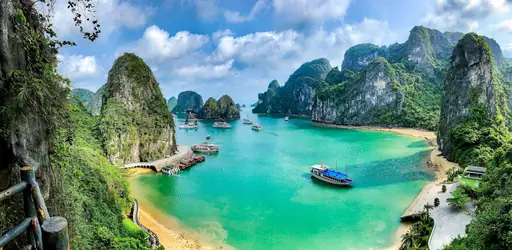
| Other: | Vietnam is famous for its vibrant cities, historic sites, and stunning landscapes like Ha Long Bay and the Mekong Delta, offering a rich and diverse travel experience. |
The best times to travel section shows how the months compare for a visit, so you can find the time of year that fits what you want to do.
Background colours of the months:
The colour shows the typical temperature: yellow (hot), green (mild) and blue (cold). How strong the colour is shows the travel season: full colour means high season, soft colour means shoulder season and soft-striped means off season.
Weather symbols:
Each month has one symbol showing what the weather is typically like, such as hot and sunny, freezing or a rainy or snowy season. Use them to quickly spot months that match the weather you want, or to avoid the ones that don't.
Crowdedness:
The people icon shows how busy the place usually is. The more people, the more crowded it gets.
Additional notes:
The grey info boxes point out special things worth knowing, like recurring weather issues or seasonal events.
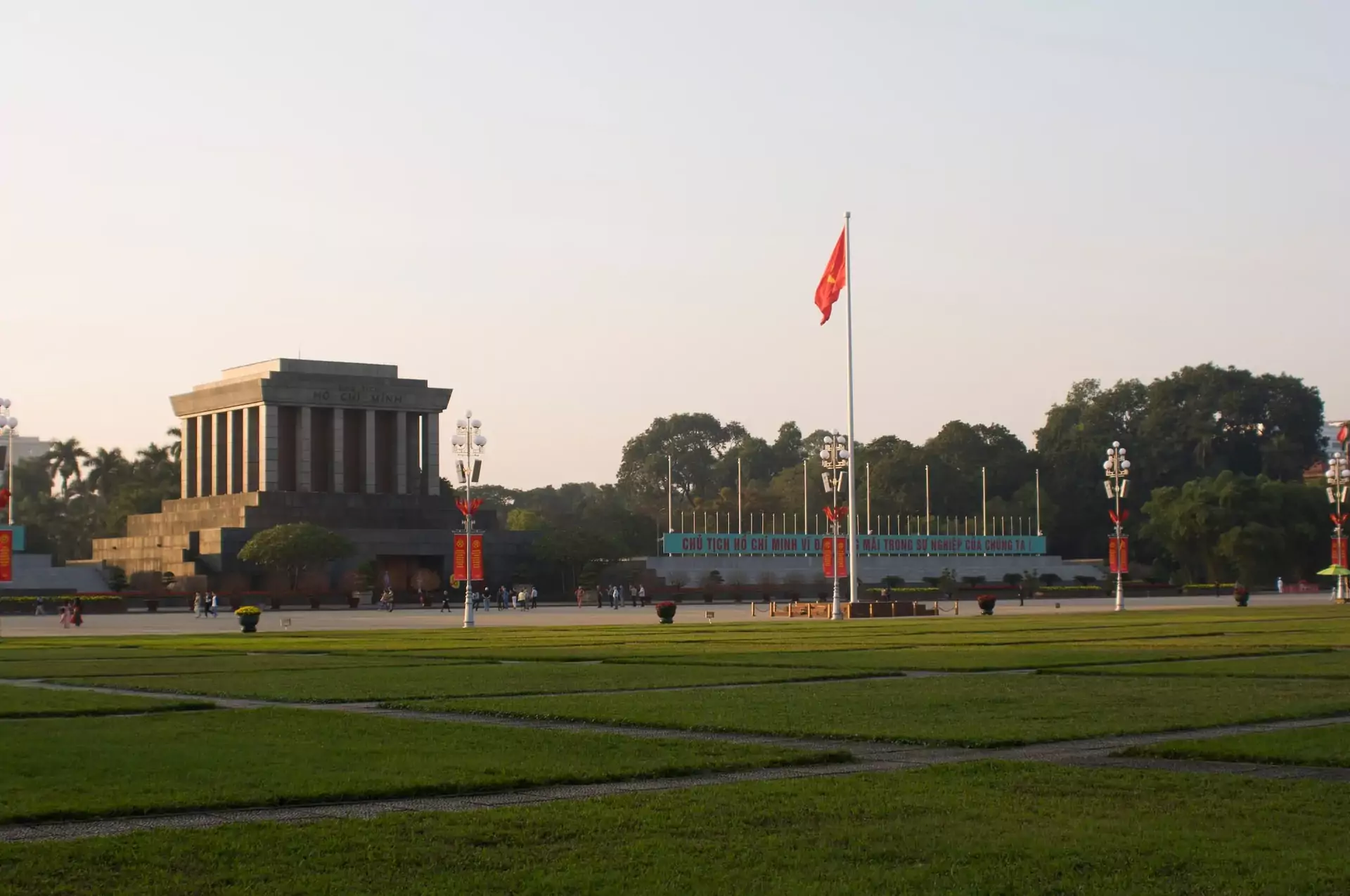
Built in the 1970s and inspired by Lenin's Mausoleum, the Ho Chi Minh Mausoleum is an imposing granite structure that houses the embalmed body of Vietnam’s revolutionary leader. The building’s austere facade and solemn interior reflect the gravity and respect associated with this national symbol.
Visitors enter through a security checkpoint where strict rules apply: no photography, no talking and modest dress is mandatory. Inside, the atmosphere is hushed and reverent as guests pass by the glass coffin enclosing Ho Chi Minh’s body. Two honor guards maintain a constant watch, alternating every hour.
The mausoleum is surrounded by well-tended gardens featuring over 250 plant species, many symbolizing aspects of Ho Chi Minh’s life and the Vietnamese spirit. Nearby, attractions such as the Presidential Palace and Ho Chi Minh's Stilt House add depth to the visit, illustrating the leader’s humble life and legacy.
Take caution: The mausoleum closes regularly for maintenance, often in October and November and on Mondays and Fridays, so visitors should check opening hours in advance. Long queues are typical early in the morning, so arriving early improves the experience. The strict no-photo and no-bag policy means planning ahead to avoid inconvenience.
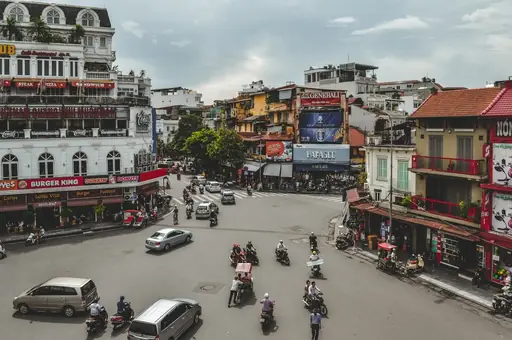
Located at Ba Dinh Square in Hanoi’s city center, the mausoleum is easily accessible from Noi Bai International Airport via taxi or ride‑sharing, about 30 km away. Public buses also serve routes close to Ba Dinh Square. Many visitors opt for a short walk or motorbike taxi from the Old Quarter, about 2 kilometers away, to soak in the local atmosphere.
Accommodation near Hanoi’s Old Quarter offers many options ranging from budget guesthouses to mid-range hotels, providing easy access to the mausoleum and other historic sites.
Log in to add this place to a travel list and get a summary of all recommended items for your whole trip.
We calculate the average costs when travelling to destinations and compare those with the living costs at your home. With this you can get an estimate of how expensive or cheap the destination is for you.
To customise this, you can set up which location and price level are used for the calculations in your account settings.
The exchange rate price factor shows how expensive or cheap a currency currently is compared to its historical average. It's a quick way to see if a country is currently more or less affordable due to exchange rate changes.
