









Was this page helpful?

| Opening hours: |
|
||
|---|---|---|---|
| Public website: | hanoioperahouse.org.vn |
| Power Grid: |
220 V, 50 Hz Plug: Type A , Type C
Type A:
  Read about power adapters |
|---|---|
| Currency: |
Vietnamese Dong (VND) £1 ≈ ₫34,383 |
| Cashless info: |
Rating 4/5
Cashless payments are widely accepted in Vietnam, especially in larger cities and tourist areas. Cash is still commonly used in rural areas.
Save with a travel credit card |
| eSIM providers: |
Best value: Saily Flexibility: Airalo Read our in-depth comparison |
| Tipping: | Tipping is not customary in Vietnam, but small tips are appreciated for good service in restaurants, taxis, and hotels. |
|---|---|
| Public drinking: | Public drinking is generally allowed in Vietnam, but drinking in certain public spaces, like parks, may be regulated. |
| Public smoking: | Smoking is allowed in outdoor public spaces, but there are smoking restrictions in some indoor public areas. |
| Independence Day (2 September) |
Celebrates Vietnam’s independence from France |
|---|---|
| Tết (January/February) |
The most important holiday in Vietnam, typically in January or February |
| Emergency contact: | Emergency Numbers: 113 (Police), 115 (Ambulance), 114 (Fire) |
|---|---|
| Taxi apps: | Grab |
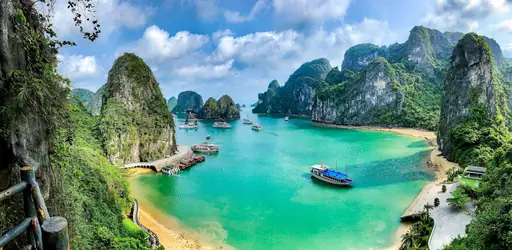
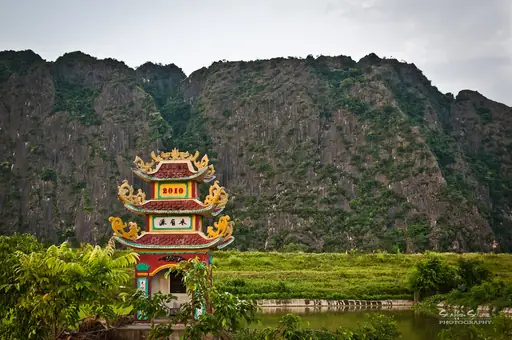
| Other: | Vietnam is famous for its vibrant cities, historic sites, and stunning landscapes like Ha Long Bay and the Mekong Delta, offering a rich and diverse travel experience. |
The best times to travel section shows how the months compare for a visit, so you can find the time of year that fits what you want to do.
Background colours of the months:
The colour shows the typical temperature: yellow (hot), green (mild) and blue (cold). How strong the colour is shows the travel season: full colour means high season, soft colour means shoulder season and soft-striped means off season.
Weather symbols:
Each month has one symbol showing what the weather is typically like, such as hot and sunny, freezing or a rainy or snowy season. Use them to quickly spot months that match the weather you want, or to avoid the ones that don't.
Crowdedness:
The people icon shows how busy the place usually is. The more people, the more crowded it gets.
Additional notes:
The grey info boxes point out special things worth knowing, like recurring weather issues or seasonal events.
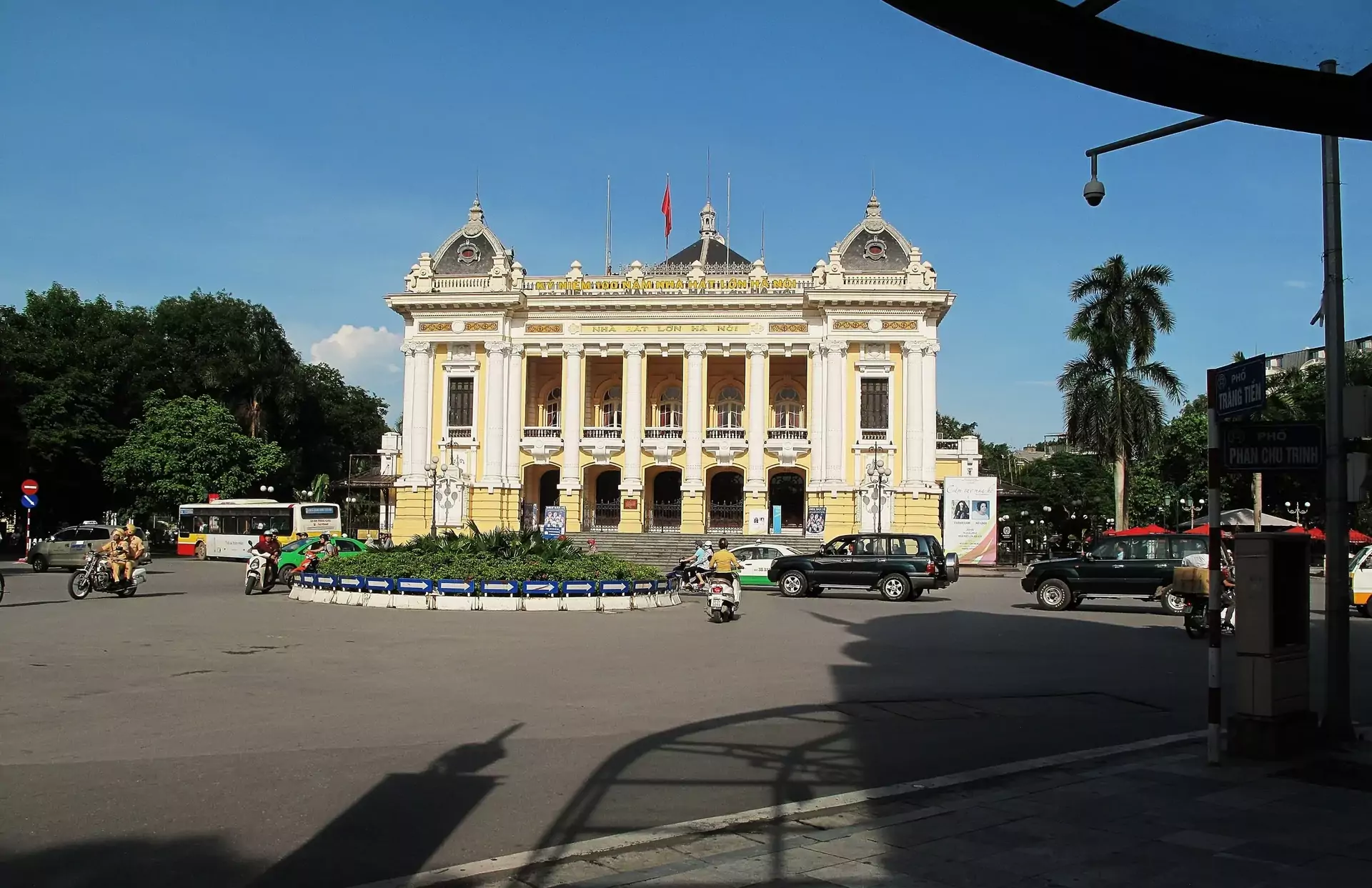
Built in 1911 and inspired by the Paris Opera, the Hanoi Opera House is a masterpiece of French neoclassical architecture, adorned with elegant columns, intricate moldings and a stately facade. Inside, the auditorium seats 598 people and features lavish decoration reminiscent of ancient Greek and Roman styles, combined with modern sound and lighting technology.
The building is divided into three key areas: the grand Front Hall welcoming guests with luxury Italian stone and gold-plated chandeliers; the Mirror Chamber, where important ceremonies and press events occur; and the main Performance Hall, which hosts a variety of artistic shows ranging from Vietnamese traditional operas to contemporary international performances.
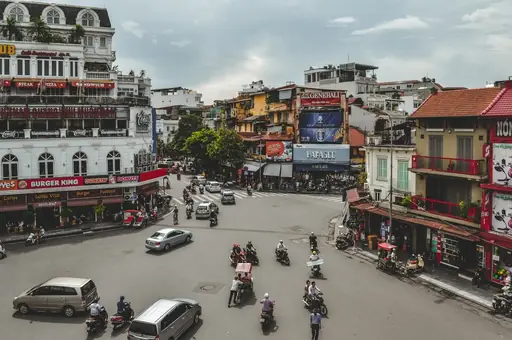
Visitors can join guided tours that last about 70-90 minutes to explore the rich history and architecture. Evening performances provide an enchanting experience, though buying tickets in advance is recommended due to limited seating. Outside, the Opera House stands amid the vibrant, bustling French Quarter, a popular spot for photos especially at dusk when the building is beautifully lit.
One caution to note: The area around the Opera House can be very busy and noisy, with heavy traffic and crowds, so be mindful when crossing streets or navigating the nearby roundabout. Photography is generally allowed in public areas but restricted during shows and rules like no smoking or food inside the venue should be respected for a smooth visit.
The Hanoi Opera House is centrally located in Hanoi’s French Quarter at 1 Trang Tien Street, making it easily accessible from the city's key areas. The nearest international airport is Noi Bai International Airport, about 30 km north, from where visitors can take a taxi or shuttle bus directly to the Opera House. Within Hanoi, the best way to reach it is by taxi or motorbike taxi, as public transport options are limited and traffic can be quite congested.
Most visitors stay in the nearby French Quarter or Hoan Kiem district, where a range of hotels from budget to upscale exist. This area offers good access to the Opera House and other cultural sites, with convenient transport and many dining options.
Log in to add this place to a travel list and get a summary of all recommended items for your whole trip.
We calculate the average costs when travelling to destinations and compare those with the living costs at your home. With this you can get an estimate of how expensive or cheap the destination is for you.
To customise this, you can set up which location and price level are used for the calculations in your account settings.
The exchange rate price factor shows how expensive or cheap a currency currently is compared to its historical average. It's a quick way to see if a country is currently more or less affordable due to exchange rate changes.
