





Asia › Sri Lanka › Nuwara Eliya › Climate

Nuwara Eliya climate data

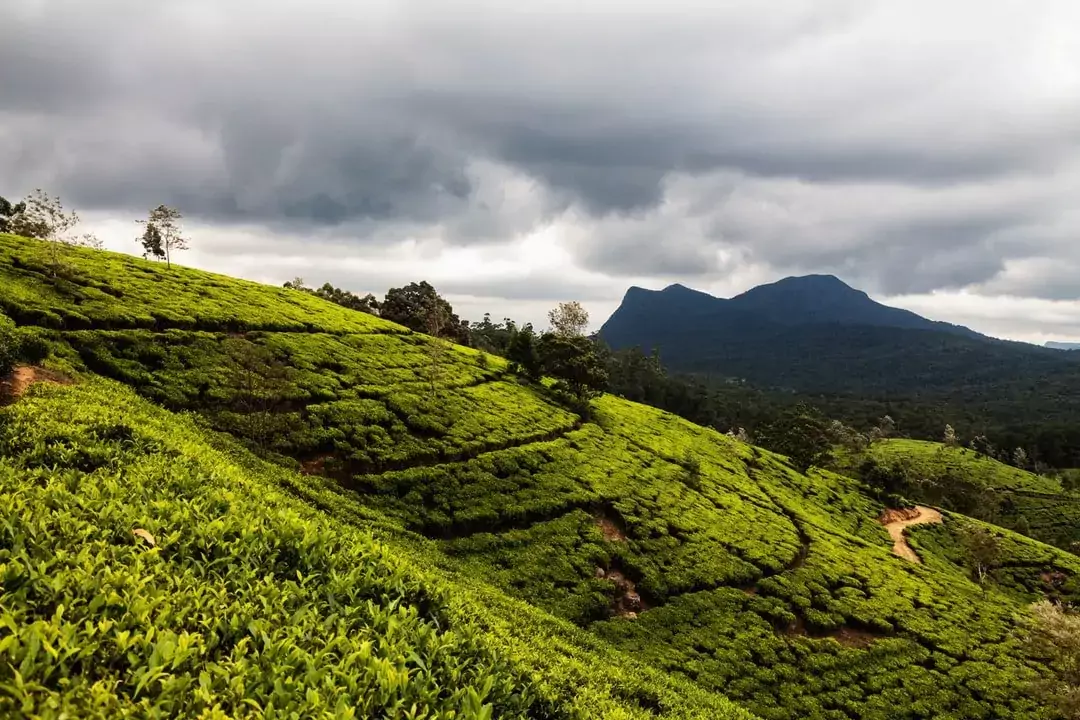
Nuwara Eliya, located in Sri Lanka’s central highlands, features a subtropical highland climate with mild temperatures year-round and abundant rainfall. Known as 'Little England' for its cool climate and colonial architecture, it offers a refreshing escape from the tropical lowlands, with lush landscapes, tea plantations, and cool evenings perfect for outdoor activities.

Best times to travel

The best times to travel section shows how the months compare for a visit, so you can find the time of year that fits what you want to do.

Background colours of the months:
The colour shows the typical temperature: yellow (hot), green (mild) and blue (cold). How strong the colour is shows the travel season: full colour means high season, soft colour means shoulder season and soft-striped means off season.

Weather symbols:
Each month has one symbol showing what the weather is typically like, such as hot and sunny, freezing or a rainy or snowy season. Use them to quickly spot months that match the weather you want, or to avoid the ones that don't.

Crowdedness:
The people icon shows how busy the place usually is. The more people, the more crowded it gets.

Additional notes:
The grey info boxes point out special things worth knowing, like recurring weather issues or seasonal events.

for Nuwara Eliya, Sri Lanka
🌨️
Jan
🔥
Feb
🔥
Mar
☀️
Apr
☀️
May
☀️
Jun
☀️
Jul
☀️
Aug
☀️
Sep
☀️
Oct
🔥
Nov
🔥
Dec
High season: Jan. - April, Dec.
Shoulder season:
Crowdedness: 8 (Very crowded)
Tap on a month for more info Hover over a month for more info
April Season: Sinhala and Tamil New Year (13 to 14 April) brings horse racing and festivals, hotels book out and prices soar
At 1,900 m, nights stay cold year-round and can approach freezing December to February
Landslides can close hill roads during heavy rain, mainly October to November

The climate of Nuwara Eliya

Nuwara Eliya experiences a subtropical highland climate characterised by mild temperatures and high rainfall throughout the year. The average temperatures range from 15°C to 20°C, with daytime highs rarely exceeding 23°C, making it one of the coolest places in Sri Lanka. Nighttime temperatures can drop to around 10°C or lower, especially during the dry season. Rainfall is abundant, averaging around 1,840 mm annually, with the wettest months from April to June and October to December. Despite the frequent rain, the region enjoys a fair amount of sunshine, particularly during the drier months of January to March.

The climate supports lush tea plantations, vibrant gardens, and a rich biodiversity. The weather is ideal for hiking, sightseeing, and exploring the famous Horton Plains National Park. The town’s elevation at about 1,868 metres (6,128 feet) above sea level contributes to its cooler climate compared to the coastal regions. Seasonal festivals, including the Sinhalese and Tamil New Year in April, coincide with the pleasant weather, attracting many visitors.

Average climate data for Nuwara Eliya, Sri Lanka
Month Jan Feb Mar Apr May Jun Jul Aug Sep Oct Nov Dec Year
Average maximum temperature (°C) 34 32 30 26 21 17 17 18 23 27 31 33 34
Average minimum temperature (°C) 23 22 20 16 11 8 7 7 10 15 19 21 7
Average precipitation (mm) 41 42 53 18 25 28 20 22 22 50 51 50 422
Average rainfall days (days) 10 9 11 8 6 8 7 6 7 10 11 11 105
Average snowfall (mm) 88 92 54 6 1 0 0 0 0 0 31 41 313
Average snowfall days (days) 11 9 6 1 0 0 0 0 0 0 2 9 39
Average relative humidity (%) 50 53 57 58 65 72 73 69 64 53 47 48 59
Average wind speed (km/h) 13 13 12 11 11 11 12 12 13 14 14 14 13
Average daily daylight hours (h) 13 13 12 11 10 10 10 11 11 12 13 14 12
Average daily sunshine hours (h) 9 9 9 9 8 8 8 8 9 9 10 10 9
Average cloud coverage (%) 22 25 26 22 21 26 24 16 18 21 20 21 22
Average UV index 7 7 6 5 4 4 4 4 5 6 7 7 6

Travel info

  • Spring (March–May): Mild temperatures (15–20°C) with increasing rainfall. Ideal for exploring tea plantations and gardens. Pack layers and rain gear for occasional showers.
  • Summer (June–August): Cooler temperatures with frequent rain, especially in June. Great for nature lovers but expect wet conditions. Bring waterproof clothing and sturdy footwear.
  • Autumn (September–November): Mild and wet, with rainfall peaking in October and November. Good for cultural festivals and fewer tourists. Pack layers and rain protection.
  • Winter (December–February): Cool and relatively dry with temperatures around 15–20°C. Best time for outdoor activities and sightseeing. Bring a light jacket for cooler evenings.
  • General tips: Weather can be unpredictable; dress in layers and be prepared for rain year-round. The cool climate is a refreshing change from the tropical coast. Book accommodations early during peak seasons.

The best time to visit Nuwara Eliya

The best time to visit Nuwara Eliya is from February to April, when the weather is mild, rainfall is at its lowest, and the natural scenery is vibrant. This period coincides with local festivals and offers ideal conditions for outdoor activities like hiking and sightseeing.

The worst time to visit Nuwara Eliya

The least favourable time to visit is from May to October, especially mid-May to June, when heavy rains and occasional cyclones can cause landslides and flooding. Outdoor activities may be disrupted, and travel conditions can be challenging during this wettest period.

Frequently asked questions

What is the climate like in Nuwara Eliya?

Nuwara Eliya has a subtropical highland climate with mild temperatures year-round, abundant rainfall, and cool evenings. It is cooler than coastal Sri Lanka due to its elevation.

When is the best time to visit Nuwara Eliya?

The best time to visit is from February to April, when the weather is mild and dry, perfect for sightseeing and outdoor activities.

Does it rain a lot in Nuwara Eliya?

Yes, Nuwara Eliya receives significant rainfall throughout the year, with the wettest months being April to June and October to December.

What temperatures can I expect in Nuwara Eliya?

Average temperatures range from 15°C to 20°C, with cooler nights around 10°C. Summers are mild, and winters are cool but not extreme.

Are there any weather-related travel concerns?

Heavy rains during the wet season can cause landslides and flooding, especially from mid-May to June. Travellers should monitor weather forecasts and plan accordingly.

What should I pack for Nuwara Eliya?

Pack layers for cool evenings, waterproof clothing for rain, and comfortable shoes for hiking and walking in wet conditions.

Is Nuwara Eliya suitable for outdoor activities year-round?

Yes, but the best conditions are during the drier months from February to April. The wet season may limit some outdoor activities due to rain.

Minimum and maximum temperatures in Nuwara Eliya

The warmest month, with the highest average maximum temperature, is January (33.7 °C). The month with the lowest average maximum temperature is July (16.7 °C). Overall, the average maximum temperature over the whole year is 25.6 °C.

The month with the highest average minimum temperature is January (22.6 °C). The coldest month, with the lowest average minimum temperature, is July (7 °C). Overall, the average minimum temperature over the whole year is 14.9 °C.

Rainfall amount in Nuwara Eliya

The wettest month, with the highest amount of precipitation, is March (53 mm). The driest month, with the least amount of precipitation, is April (18.1 mm). Over the whole year there are 422.4 mm of rainfall on average.

Rainfall days in Nuwara Eliya

The month with the most days of rain is March (10.8 days). The month with the fewest days of rain is May (6.3 days). Over the whole year there are 104.6 days of rain on average.

Snowfall amount in Nuwara Eliya

The month with the most snowfall is February (92 mm). The months with the least snowfall are June, July, August, September and October (0 mm). Over the whole year there are 312.7 mm of snowfall on average.

Snowfall days in Nuwara Eliya

The month with the most days of snowfall is January (11.3 days). The months with the fewest days of snowfall are June, August and September (0 days). Over the whole year there are 39 days of snowfall on average.

Relative humidity in Nuwara Eliya

The month with the highest average relative humidity is July (72.9 %). The month with the lowest average relative humidity is November (46.8 %). The overall average relative humidity over the whole year is 59.1 %.

Wind speed in Nuwara Eliya

The windiest month, with the highest average wind speed, is November (14.2 km/h). The calmest month, with the lowest average wind speed, is April (11 km/h). The overall average wind speed over the whole year is 12.5 km/h.

Cloud coverage in Nuwara Eliya

The month with the cloudiest skies, so the highest cloud coverage, is March (26 %). The month with the clearest skies, so the lowest cloud coverage, is August (16.4 %). Over the whole year there is an average cloud coverage of 22 %.

Daylight hours and sunshine hours in Nuwara Eliya

The month with the longest days, so the most daylight, is December (Average daylight: 14 h). The month with the shortest days, so the least daylight, is June (Average daylight: 10 h). Over the whole year there are 11.7 h of daylight per day on average.

The month with the most sunshine per day is December (Average sunshine: 10.2 h). The month with the least sunshine per day is June (Average sunshine: 8 h). Over the whole year there are 8.9 h of sunlight per day on average.

UV index in Nuwara Eliya

The months with the highest average UV index are January, February, November and December (UV index: 7). The months with the lowest average UV index are May, June, July and August (UV index: 4). Over the whole year the average UV index is 5.5.

Was this page helpful?
Feedback