




Was this page helpful?

| Power Grid: |
220 V, 60 Hz Plug: Type A , Type B
Type A:
  Read about power adapters |
|---|---|
| Currency: |
Philippine Peso (PHP) £1 ≈ ₱85.07 |
| Cashless info: |
Rating 3/5
Cashless payments are increasingly common, especially in larger cities and tourist areas, but cash is still widely used in rural areas.
Save with a travel credit card |
| eSIM providers: |
Best value: Saily Flexibility: Airalo Read our in-depth comparison |
| Tipping: | Tipping is not mandatory in the Philippines, but it is appreciated. 10% is standard in restaurants. Small tips are welcome for taxi drivers and hotel staff. |
|---|---|
| Public drinking: | Public drinking is prohibited in many areas, but alcohol consumption is allowed in licensed venues. |
| Public smoking: | Smoking is allowed in designated areas, but smoking indoors in public spaces is generally prohibited. |
| Emergency contact: | Emergency Number: 911 (Police, Fire, Ambulance) |
|---|---|
| Taxi apps: | Grab |
| Other: | The Philippines is known for its stunning beaches, unique wildlife, and rich cultural heritage. Be mindful of the weather, as typhoon season can affect certain regions. |
The best times to travel section shows how the months compare for a visit, so you can find the time of year that fits what you want to do.
Background colours of the months:
The colour shows the typical temperature: yellow (hot), green (mild) and blue (cold). How strong the colour is shows the travel season: full colour means high season, soft colour means shoulder season and soft-striped means off season.
Weather symbols:
Each month has one symbol showing what the weather is typically like, such as hot and sunny, freezing or a rainy or snowy season. Use them to quickly spot months that match the weather you want, or to avoid the ones that don't.
Crowdedness:
The people icon shows how busy the place usually is. The more people, the more crowded it gets.
Additional notes:
The grey info boxes point out special things worth knowing, like recurring weather issues or seasonal events.
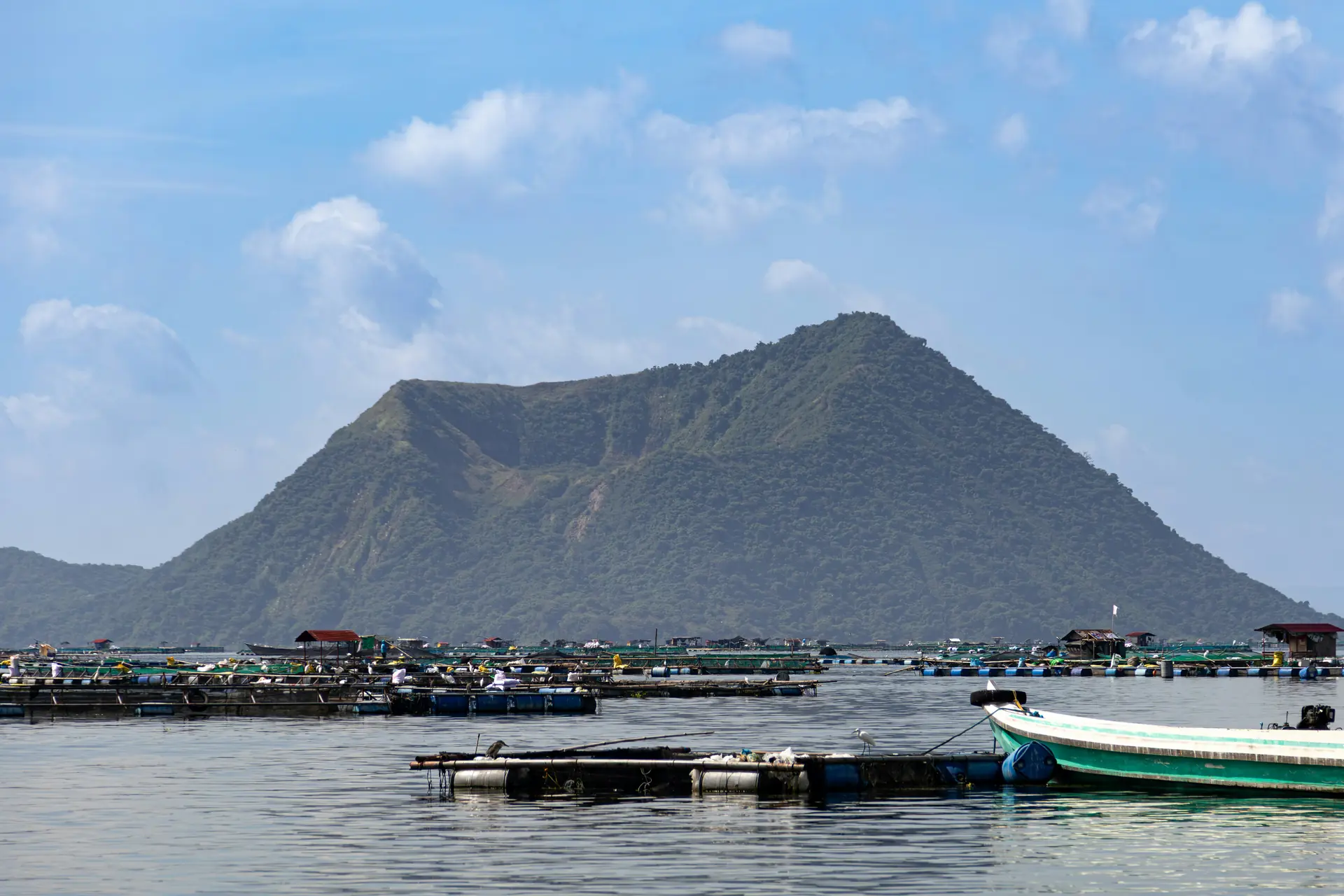
Taal Volcano stands as a prominent landmark in the Philippines offering visitors a chance to witness both natural power and serene landscapes. The volcano rises from Taal Lake creating a striking silhouette against the sky. Its crater lake sits within its caldera forming a unique environment where land meets water in unexpected ways.
Hikers can explore trails that wind through lush forests leading to viewpoints with panoramic vistas of the surrounding area. Along these paths small villages dot the terrain providing glimpses into local life shaped by generations near an active geological site. The air often carries a faint scent of sulfur reminding travelers of the earth’s constant activity beneath the surface.
Boating on Taal Lake allows closer encounters with the volcano’s island in the middle. Small ferries carry passengers across calm waters where occasional ripples hint at underground movements. Nearby resorts and cafes give visitors places to rest after exploring trails or enjoying boat rides. The combination of water and land creates a balanced ecosystem supporting diverse plant and animal life.
Visiting Taal Volcano requires attention to safety guidelines set by local authorities. Eruptions in the past have shaped the region’s history prompting careful monitoring and preparedness plans. Travelers should check updates before heading out and follow directions from guides who know the area well. Experiencing this place means appreciating nature while respecting its forces.
Taal Volcano, located in Batangas Province, Philippines, is accessible primarily by land and water routes from Manila. The nearest major city, Tanauan, serves as a common starting point for travelers heading to the volcano’s base via road. Buses and private vehicles can reach nearby towns such as Balete or Sipocot before transitioning to smaller roads leading toward Taal Lake. For those arriving by sea, ferries operate from Batangas City to Tagaytay or other coastal towns close to the volcano’s surroundings. From these points, local jeepneys, tricycles or taxis provide transport to trailheads near the caldera. Visitors should note that access may vary depending on volcanic activity and official advisories issued by local authorities.
Taal Volcano’s surrounding area offers a mix of rustic farm stays and modest guesthouses that cater to budget travelers and eco‑adventurers alike. Many homestays on the island of Tagaytay provide simple rooms with local décor, often including breakfast featuring fresh tropical produce. For those seeking slightly higher comfort, boutique inns in nearby towns offer clean accommodations with private balconies overlooking the caldera’s misty waters. Prices typically range from ₱1,200 (£14.11) to ₱3,500 (£41.14) per night, depending on season and amenities such as Wi‑Fi or guided tours. The region is renowned for its “cottage” style lodging that emphasizes local architecture and sustainable practices, making it a popular choice for visitors wanting an authentic Philippine experience.
Log in to add this place to a travel list and get a summary of all recommended items for your whole trip.
We calculate the average costs when travelling to destinations and compare those with the living costs at your home. With this you can get an estimate of how expensive or cheap the destination is for you.
To customise this, you can set up which location and price level are used for the calculations in your account settings.
The exchange rate price factor shows how expensive or cheap a currency currently is compared to its historical average. It's a quick way to see if a country is currently more or less affordable due to exchange rate changes.
