





Was this page helpful?

| Power Grid: |
220 V, 60 Hz Plug: Type A , Type B
Type A:
  Read about power adapters |
|---|---|
| Currency: |
Philippine Peso (PHP) £1 ≈ ₱85.07 |
| Cashless info: |
Rating 3/5
Cashless payments are increasingly common, especially in larger cities and tourist areas, but cash is still widely used in rural areas.
Save with a travel credit card |
| eSIM providers: |
Best value: Saily Flexibility: Airalo Read our in-depth comparison |
| Tipping: | Tipping is not mandatory in the Philippines, but it is appreciated. 10% is standard in restaurants. Small tips are welcome for taxi drivers and hotel staff. |
|---|---|
| Public drinking: | Public drinking is prohibited in many areas, but alcohol consumption is allowed in licensed venues. |
| Public smoking: | Smoking is allowed in designated areas, but smoking indoors in public spaces is generally prohibited. |
| Emergency contact: | Emergency Number: 911 (Police, Fire, Ambulance) |
|---|---|
| Taxi apps: | Grab |
| Other: | The Philippines is known for its stunning beaches, unique wildlife, and rich cultural heritage. Be mindful of the weather, as typhoon season can affect certain regions. |
The best times to travel section shows how the months compare for a visit, so you can find the time of year that fits what you want to do.
Background colours of the months:
The colour shows the typical temperature: yellow (hot), green (mild) and blue (cold). How strong the colour is shows the travel season: full colour means high season, soft colour means shoulder season and soft-striped means off season.
Weather symbols:
Each month has one symbol showing what the weather is typically like, such as hot and sunny, freezing or a rainy or snowy season. Use them to quickly spot months that match the weather you want, or to avoid the ones that don't.
Crowdedness:
The people icon shows how busy the place usually is. The more people, the more crowded it gets.
Additional notes:
The grey info boxes point out special things worth knowing, like recurring weather issues or seasonal events.
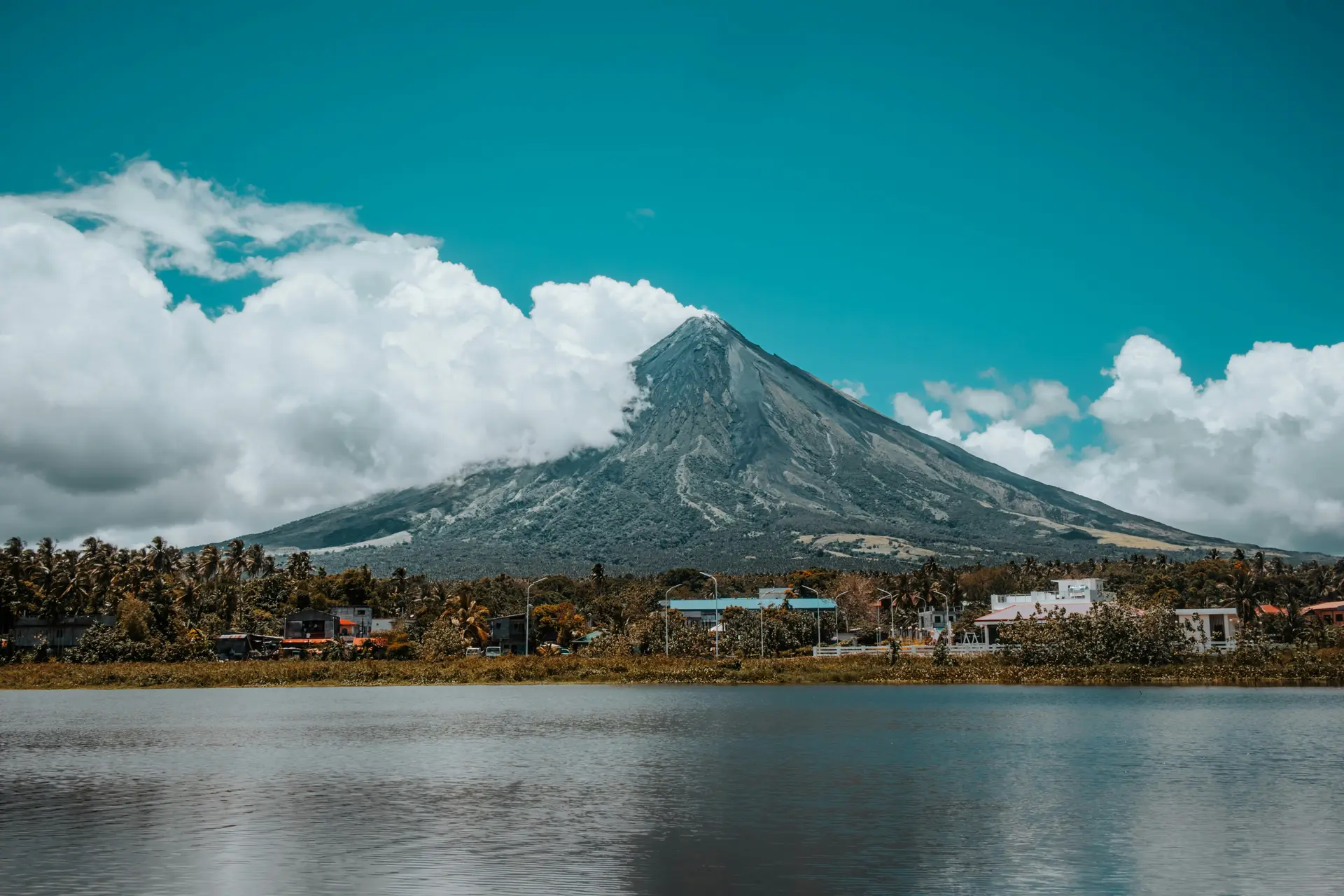
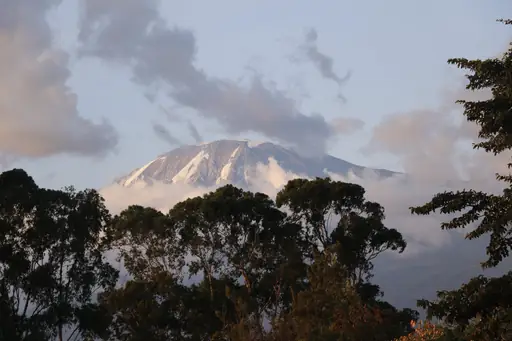
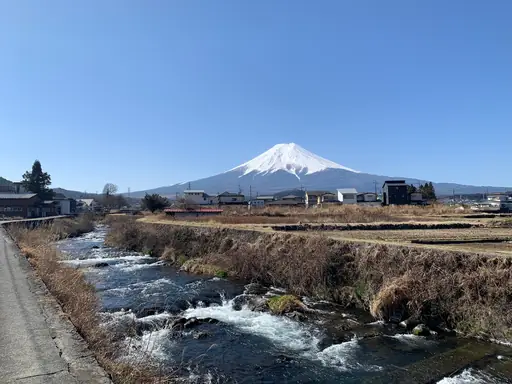
Mount Mayon stands as a prominent landmark in the Philippines with its nearly perfect conical shape. This active volcano rises sharply above the surrounding landscape offering clear views of its steep slopes and occasional plumes of steam. Visitors often notice how the mountain’s symmetry creates a striking visual contrast against green fields and blue skies.
The area around Mount Mayon supports diverse ecosystems where forests cling to lower elevations while higher zones remain barren due to past eruptions. Local guides share stories about how communities have adapted over generations learning from both the volcano’s power and its fertile soil. Hiking routes wind through villages and trails providing opportunities to observe wildlife including birds and small mammals.
Climbing Mount Mayon requires preparation because weather can change quickly near the summit. Many trekkers start early in the morning to avoid afternoon clouds that roll in from the ocean. Along paths travelers encounter markers indicating safe distances from dangerous zones as well as signs warning about possible ashfall during periods of activity.
Nearby towns like Legazpi and Tabaco serve as bases for those exploring the volcano. Markets sell fresh produce grown on nutrient-rich slopes while roadside eateries offer local dishes that reflect regional flavors. Cultural traditions remain important with festivals honoring patron saints alongside respect for natural forces embodied by Mayon itself.
Mount Mayon, located in Albay Province on Luzon Island, Philippines, is accessible primarily by road from Legazpi City, the provincial capital. The nearest major airport is Clark International Airport, approximately 80 kilometers away, with regular jeepneys and buses providing transport to Legazpi before continuing to Mayon’s base. For those starting from Manila, flights to Clark or nearby airports (e.g., Bicol International) are available daily via airlines like Cebu Pacific or Philippine Airlines. Road travel involves a 2–3 hour drive on well-maintained highways, with private vehicles or guided tours recommended for safety due to the volcano’s active status. Visitors must adhere to local advisories and restricted zones enforced by authorities.
Mount Mayon’s vicinity offers a mix of rustic lodges and modern resorts that cater to both budget trekkers and luxury seekers. Guesthouses in the nearby towns of Alaminos and Taal provide basic rooms with local cuisine at affordable rates, while boutique eco‑lodges perched on the foothills boast panoramic views, solar power and organic gardens. For those desiring more comfort, mid‑range hotels feature heated pools, guided tours and free shuttle services to trailheads. The area is renowned for its “pahiyas” style homestays, where families share traditional Filipino hospitality and homemade dishes. Whether you prefer a simple tent beside the crater or a spa‑equipped villa overlooking the volcano, options abound to suit every traveler’s budget and taste.
Log in to add this place to a travel list and get a summary of all recommended items for your whole trip.
We calculate the average costs when travelling to destinations and compare those with the living costs at your home. With this you can get an estimate of how expensive or cheap the destination is for you.
To customise this, you can set up which location and price level are used for the calculations in your account settings.
The exchange rate price factor shows how expensive or cheap a currency currently is compared to its historical average. It's a quick way to see if a country is currently more or less affordable due to exchange rate changes.
