





Was this page helpful?

The best times to travel section shows how the months compare for a visit, so you can find the time of year that fits what you want to do.
Background colours of the months:
The colour shows the typical temperature: yellow (hot), green (mild) and blue (cold). How strong the colour is shows the travel season: full colour means high season, soft colour means shoulder season and soft-striped means off season.
Weather symbols:
Each month has one symbol showing what the weather is typically like, such as hot and sunny, freezing or a rainy or snowy season. Use them to quickly spot months that match the weather you want, or to avoid the ones that don't.
Crowdedness:
The people icon shows how busy the place usually is. The more people, the more crowded it gets.
Additional notes:
The grey info boxes point out special things worth knowing, like recurring weather issues or seasonal events.
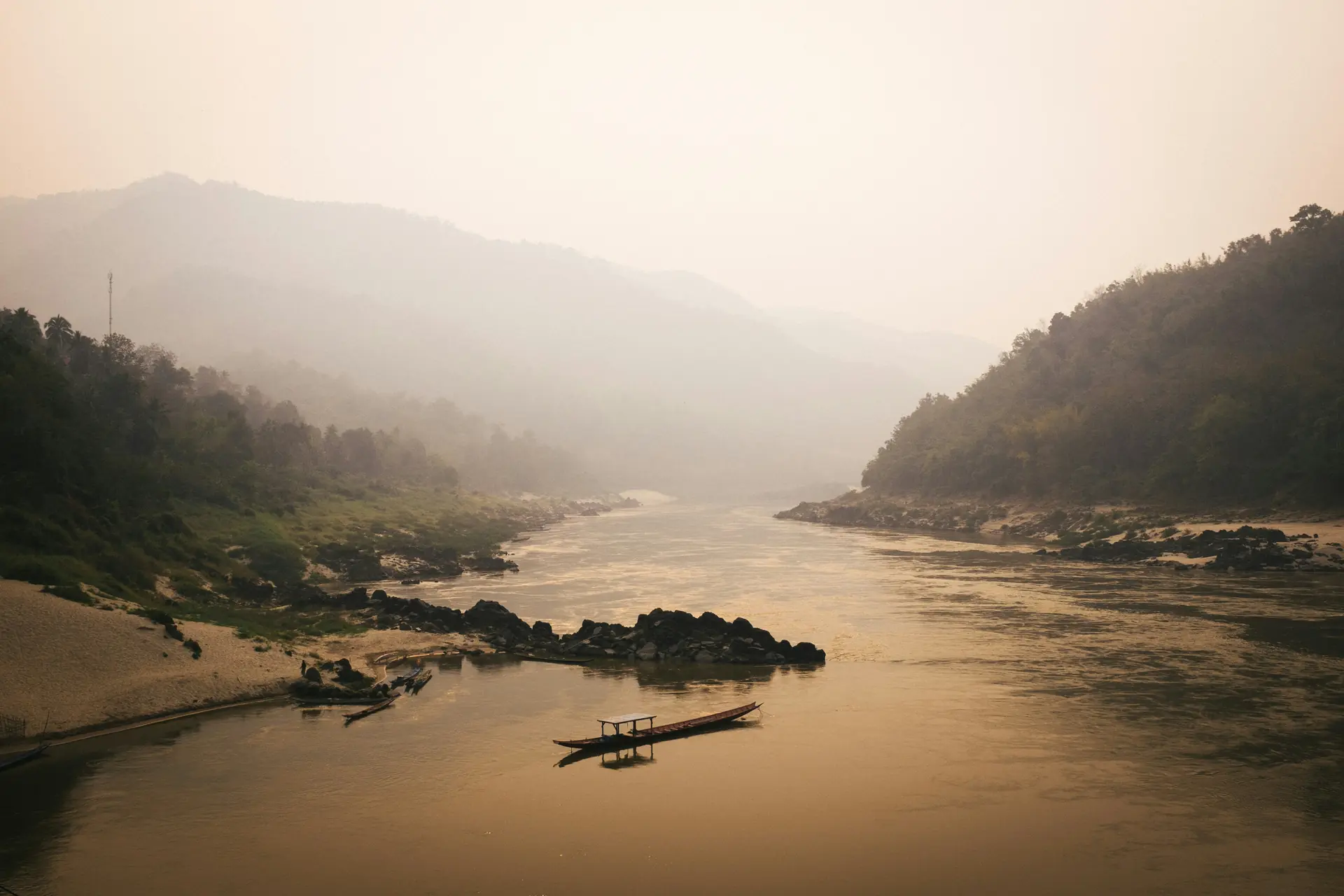
The Mekong River stretches across Laos as a lifeline for both people and nature. Flowing through towns and rural areas alike it carries more than water its currents move rice grains fish and everyday supplies between communities. The river’s steady rhythm shapes how locals live from farming to fishing each day tied closely to its seasonal changes.
Along its banks villages rely on the Mekong for food and trade. Small boats drift past fields where farmers plant crops while others cast nets hoping to catch tilapia or catfish. Markets near the water sell fresh produce caught that morning creating a lively scene of colors smells and sounds. The river’s role here is clear it supports livelihoods and keeps traditions alive across generations.
Wildlife thrives along the Mekong too. Birds like herons and kingfishers hunt near shallow edges while crocodiles bask on sandbanks under hot sun. Seasonal floods bring nutrients that feed plants and animals making the river a hub of biodiversity. Conservation efforts focus on protecting these species as development pressures grow ensuring the ecosystem stays healthy for years to come.
Visitors can explore the Mekong by boat or foot. Walking along muddy paths visitors see rice paddies stretching toward distant hills or watch children splash in shallow pools. Local guides share stories about how the river shaped history and culture offering insights into daily life here. Whether traveling quietly or joining a community event the experience feels genuine and connected to the land.
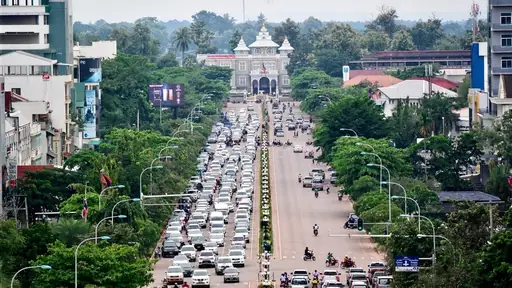
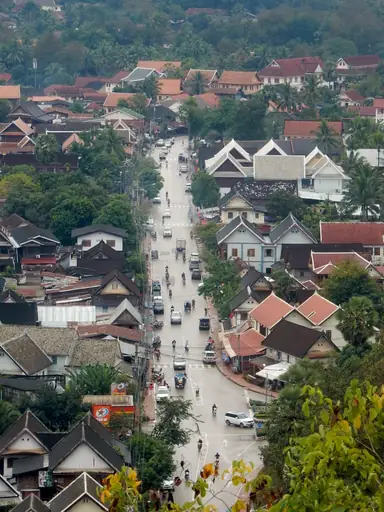
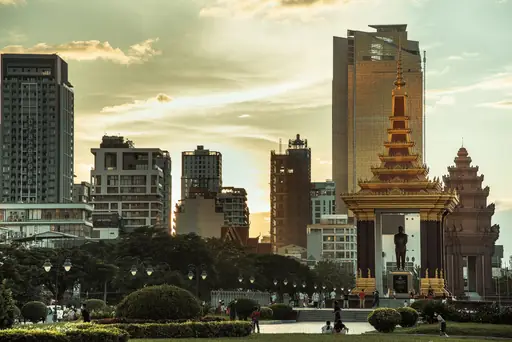
The Mekong River flows through Laos, offering river-based travel opportunities via local boats and cruises. Access points include major towns like Luang Prabang and Vientiane, where travelers can embark on multi-day boat journeys upstream or downstream. Smaller vessels, including traditional long-tail boats and motorized canoes, operate along the river’s tributaries and main channels. Seasonal water levels affect navigation, with higher flows during the rainy season (May–October) enabling deeper access to remote areas. International river ports in southern Laos connect to neighboring countries like Thailand and Cambodia via water routes. Travelers may also use ferries or private boats for shorter trips between villages and islands along the river’s course.
Along the Mekong River in Laos, accommodation ranges from modest riverside homestays to upscale boutique lodges. Many villages offer family‑run guesthouses with simple rooms and local meals, perfect for travelers seeking an authentic experience. In larger towns such as Pakse or Savannakhet, you’ll find mid‑range hotels featuring river views, Wi‑Fi and breakfast options. The most renowned stays are the eco‑lodges built on stilts, providing panoramic water vistas while minimizing environmental impact. For those willing to splurge, luxury resorts with private pools, spa services and guided river tours cater to high‑end clientele. Overall, the area offers a spectrum of lodging that balances affordability, comfort and cultural immersion.


Log in to add this place to a travel list and get a summary of all recommended items for your whole trip.
We calculate the average costs when travelling to destinations and compare those with the living costs at your home. With this you can get an estimate of how expensive or cheap the destination is for you.
To customise this, you can set up which location and price level are used for the calculations in your account settings.
