






Was this page helpful?

| Power Grid: |
230 V, 50 Hz Plug: Type A , Type C
Type A:
  Read about power adapters |
|---|---|
| Currency: |
Lao Kip (LAK) £1 ≈ LAK 29,949 |
| Cashless info: |
Rating 3/5
Cashless payments are available in larger cities and tourist areas, but cash is still the dominant payment method. Credit cards are accepted in some places, though mobile payments are not as widespread.
Save with a travel credit card |
| eSIM providers: |
Best value: Saily Flexibility: Airalo Read our in-depth comparison |
| Tipping: | Tipping is not common in Laos, but it is appreciated for good service. In restaurants, a small tip of around 5-10% may be given, especially in tourist areas. Taxi drivers may appreciate rounding up the fare. |
|---|---|
| Public drinking: | Public drinking is not widely accepted in Laos, and alcohol consumption is generally restricted to licensed venues like bars and restaurants. Drinking in public spaces can be considered disrespectful. |
| Public smoking: | Smoking is prohibited in many indoor public places, including restaurants and shops. Designated smoking areas are available in certain locations. |
| Lao New Year (13–16 April) |
The biggest holiday in Laos with water fights, festivals, and family celebrations |
|---|---|
| That Luang Festival (November) |
A religious festival with processions, prayers, and cultural performances |
| Emergency contact: | Emergency Numbers: 191 (Police), 195 (Ambulance), 190 (Fire) |
|---|---|
| Taxi apps: | Tuk Tuk, Lao Taxi |
| Other: | Laos is a peaceful and beautiful destination with many outdoor activities, including trekking, visiting Buddhist temples, and cruising along the Mekong River. Travellers should be prepared for basic amenities outside of tourist areas. |
The best times to travel section shows how the months compare for a visit, so you can find the time of year that fits what you want to do.
Background colours of the months:
The colour shows the typical temperature: yellow (hot), green (mild) and blue (cold). How strong the colour is shows the travel season: full colour means high season, soft colour means shoulder season and soft-striped means off season.
Weather symbols:
Each month has one symbol showing what the weather is typically like, such as hot and sunny, freezing or a rainy or snowy season. Use them to quickly spot months that match the weather you want, or to avoid the ones that don't.
Crowdedness:
The people icon shows how busy the place usually is. The more people, the more crowded it gets.
Additional notes:
The grey info boxes point out special things worth knowing, like recurring weather issues or seasonal events.
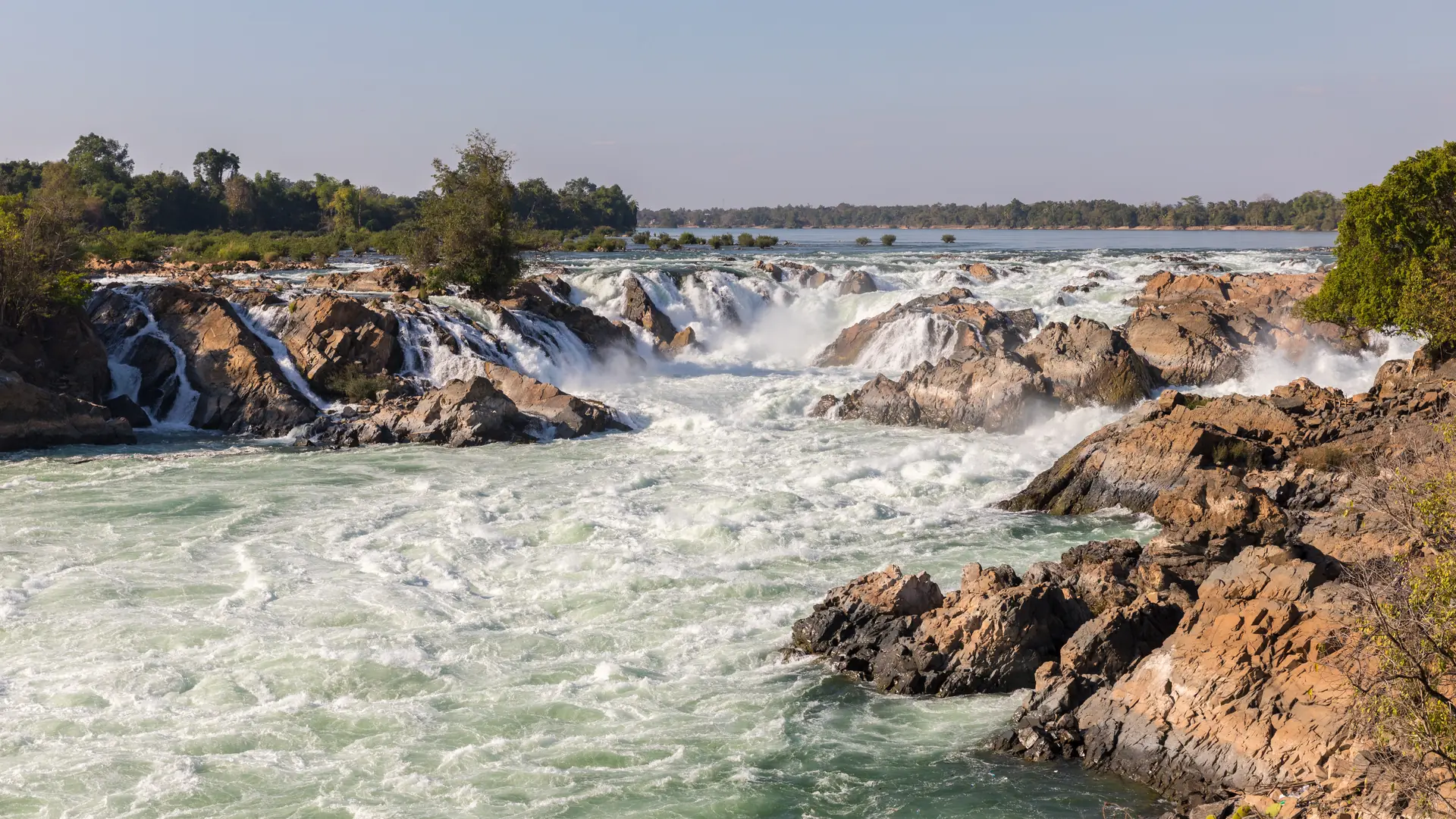
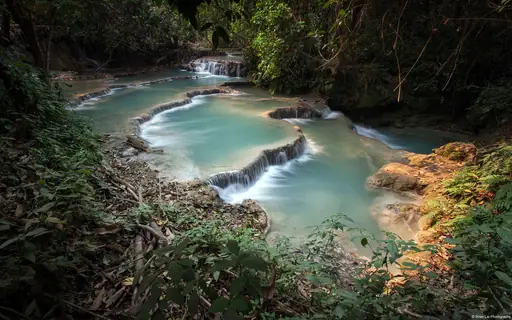
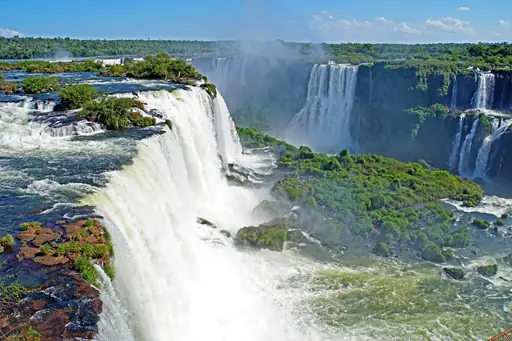
Khone Phapheng Falls stretches across the Mekong River in southern Laos presenting a powerful display of nature’s force. The falls form when water rushes over steep basalt cliffs creating a wide curtain that tumbles into deep pools below. Visitors can hear the constant roar from several hundred meters away making it easy to spot even before seeing the mist rising off the river. The sound and sight combine to remind travelers of the region’s untamed character.
The area around the falls includes small villages where local families live in harmony with the river. Many residents work as guides or run simple homestays providing basic meals made from rice and fresh vegetables grown nearby. Travelers often stop for lunch on wooden benches overlooking the water while watching boats drift downstream carrying goods to neighboring towns. The pace here feels slower than city life allowing space for quiet reflection.
Seasonal changes shape how visitors experience Khone Phapheng. During the rainy months from May through October the flow grows stronger turning the falls into a thunderous curtain of water. In drier periods the river shrinks revealing rocky outcrops and shallow pools ideal for wading. The best time to see wildlife near the base includes birds diving for fish and small mammals drinking along the banks. Planning a trip around these patterns helps capture different sides of the landscape.
Access requires traveling by road from Pakse then taking a short boat ride upstream. Roads are mostly paved but occasional rough sections mean a sturdy vehicle works best. Local operators can arrange guided tours that include safe crossing points and tips on cultural etiquette. Bringing waterproof shoes and a light rain jacket ensures comfort during unexpected splashes or sudden showers. The journey itself becomes part of the adventure without needing fancy hotels.
Khone Phapheng Falls, located in southern Laos near the town of Sen Sai, is accessible via a 45-minute drive from the city along Route 12. The road connects to the Mekong River basin and passes through rural landscapes. A short boat ride or guided trek may be required to reach the falls’ base due to surrounding terrain. Visitors often use motorbikes or private vehicles for flexibility, though local guides can arrange transport with appropriate arrangements. During dry seasons, water flow decreases, while monsoon months (May–October) enhance the cascade’s volume. Entry requires no permits, but respecting local guidelines is advised. Nearby accommodations in Sen Sai offer basic lodging for travelers planning multi-day visits.
In the vicinity of Khone Phapheng Falls, lodging ranges from modest guesthouses to boutique eco-lodges that blend seamlessly with the jungle environment. Budget travelers can find clean, basic rooms in local homestays for around LAK 15 – 25 (£0 – 0) per night, offering a chance to interact with villagers and learn about traditional Lao life. Mid‑range options include riverside bungalows and small resorts where nightly rates fall between LAK 35 – 60 (£0 – 0), featuring private balconies overlooking the waterfall’s misty spray. For those seeking higher comfort, eco‑resorts provide spacious suites with modern amenities, solar power and guided tours, typically priced at LAK 80 – 120 (£0 – 0) per night. The area is renowned for its sustainable, nature‑centric accommodations that emphasize low‑impact stays while showcasing Laos’ lush landscapes.
Log in to add this place to a travel list and get a summary of all recommended items for your whole trip.
We calculate the average costs when travelling to destinations and compare those with the living costs at your home. With this you can get an estimate of how expensive or cheap the destination is for you.
To customise this, you can set up which location and price level are used for the calculations in your account settings.
The exchange rate price factor shows how expensive or cheap a currency currently is compared to its historical average. It's a quick way to see if a country is currently more or less affordable due to exchange rate changes.
