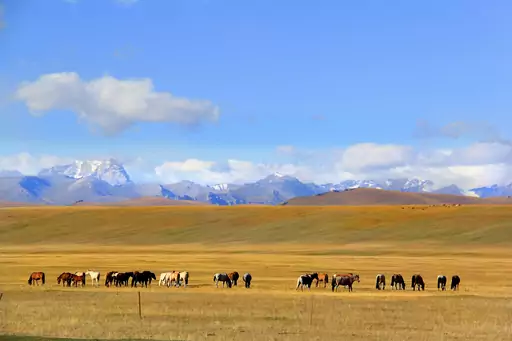
Asia › Kazakhstan › Almaty › Climate

Almaty climate data

Almaty, Kazakhstan’s largest city, has a sharply continental climate with hot, dry summers and cold, snowy winters. The city experiences dramatic seasonal swings, with spring and early summer bringing the most rainfall. Abundant sunshine, mountain breezes, and clear seasonal contrasts make Almaty a year-round destination for outdoor adventures and cultural exploration.

Best times to travel

The best times to travel section shows how the months compare for a visit, so you can find the time of year that fits what you want to do.

Background colours of the months:
The colour shows the typical temperature: yellow (hot), green (mild) and blue (cold). How strong the colour is shows the travel season: full colour means high season, soft colour means shoulder season and soft-striped means off season.

Weather symbols:
Each month has one symbol showing what the weather is typically like, such as hot and sunny, freezing or a rainy or snowy season. Use them to quickly spot months that match the weather you want, or to avoid the ones that don't.

Crowdedness:
The people icon shows how busy the place usually is. The more people, the more crowded it gets.

Additional notes:
The grey info boxes point out special things worth knowing, like recurring weather issues or seasonal events.

for Almaty, Kazakhstan
❄️
Jan
❄️
Feb
🌥️
Mar
🌦️
Apr
🌦️
May
☀️
Jun
🔥
Jul
🔥
Aug
☀️
Sep
🌤️
Oct
🌤️
Nov
❄️
Dec
High season: Jan. - Feb., May - Sep.
Shoulder season: March - April, Oct., Dec.
Crowdedness: 8 (Very crowded)
Tap on a month for more info Hover over a month for more info
Ski season Shymbulak and Oi-Qaragai roughly December to March
Nauryz: 21 to 23 March, spring festival with public celebrations and closed shops
Smog is common in the city November to February, worst on windless days

The climate of Almaty

Almaty’s climate is shaped by its elevation (about 850 m), mountain-valley air circulation, and continental location. Winters (December–February) are cold and often snowy, with average highs of -4 to 2°C and lows dropping to -8 to -12°C. January is the coldest month, and snow cover is common, lasting from December into March. Frost can persist for about two months, but southerly winds may bring occasional mild spells. Snowfall is frequent, but precipitation is generally moderate, with January averaging 35–45 mm. Despite the chill, winter brings clear, crisp days and about 110–120 hours of sunshine per month.

Spring (March–May) is the rainiest season, as clashing air masses bring frequent showers and occasional late snow, especially in March and April. May is the wettest month, with up to 140 mm of rain and 13–15 rainy days, but also sees the city in bloom and mild temperatures (daytime highs of 17–20°C). Summers (June–August) are hot and dry, with July and August highs reaching 28–32°C and lows around 15–18°C. Rain is rare, humidity is lowest (45–55%), and sunshine is abundant – up to 280 hours in July. The heat is tempered by mountain breezes, and evenings are generally comfortable. Autumn (September–November) starts warm and sunny, with September highs near 23°C, but cools rapidly by November. Rainfall is moderate in autumn, and the first frosts typically arrive by mid-October. Annual precipitation is about 650–870 mm, with most falling in spring and early summer. Winds are usually light to moderate, but can be brisk during storms or in exposed areas. Almaty enjoys around 2,200–2,300 hours of sunshine per year, with the longest days in June and July and the shortest in December.

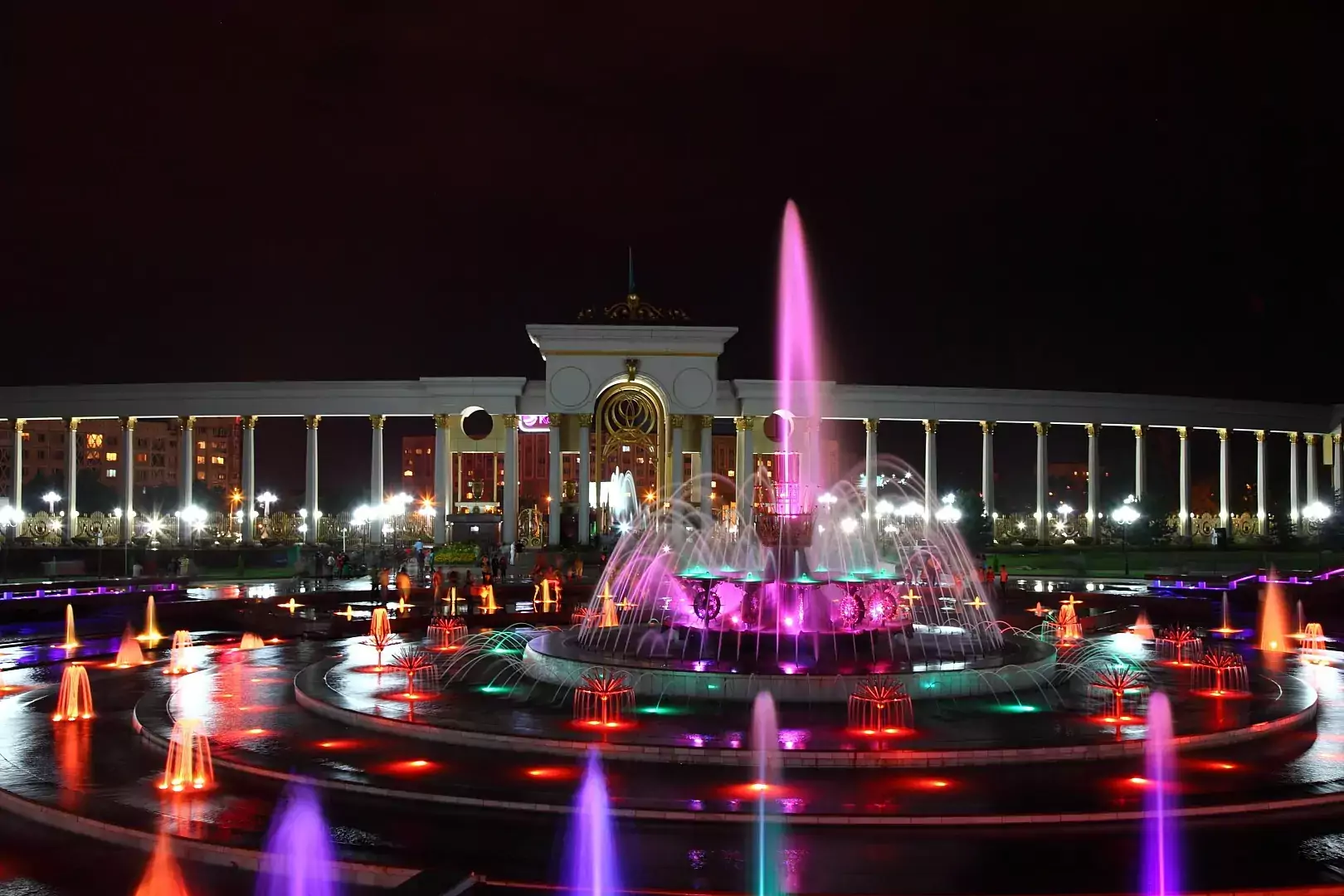
Average climate data for Almaty, Kazakhstan
Month Jan Feb Mar Apr May Jun Jul Aug Sep Oct Nov Dec Year
Average maximum temperature (°C) 1 2 9 17 22 28 30 29 24 16 8 2 30
Average minimum temperature (°C) -9 -7 -1 6 11 16 18 17 12 4 -1 -6 -9
Average precipitation (mm) 34 44 74 107 105 56 46 30 27 60 56 43 682
Average rainfall days (days) 4 5 11 14 15 15 15 10 9 10 8 6 123
Average snowfall days (days) 11 13 8 2 0 0 0 0 0 2 6 11 54
Average relative humidity (%) 76 77 72 58 56 48 46 44 48 65 75 78 62
Average daily daylight hours (h) 9 10 11 13 14 15 15 13 12 11 9 9 12
Average daily sunshine hours (h) 3 4 4 6 7 9 9 9 8 5 4 3 6
Average UV index 1 2 4 6 8 9 9 9 6 4 2 1 5

Travel info

  • Spring (March–May): Mild and rainy, with highs rising from 8°C to 20°C. Frequent showers and occasional late snow – pack layers and a rain jacket. Parks and gardens bloom, making this a scenic time for city walks.
  • Summer (June–August): Hot and dry, with highs of 28–32°C. Rain is rare, humidity is low, and evenings are pleasant. Ideal for hiking, festivals, and outdoor excursions – bring sun protection and stay hydrated.
  • Autumn (September–November): Warm in September (up to 23°C), cooling to 7°C by November. Rainfall is moderate, and autumn colours are vibrant. Layered clothing and waterproof gear are recommended.
  • Winter (December–February): Cold and snowy, with highs of -4 to 2°C and lows near -10°C. Snow cover is common, and days are short. Warm, waterproof clothing is essential – perfect for skiing and winter sports in the nearby mountains.
  • Travel Tips: Almaty’s weather is changeable – always pack layers and rain gear. Summer is best for hiking and city exploration, while winter is ideal for skiing. Spring and autumn offer beautiful scenery but require flexible clothing for variable weather.

The best time to visit Almaty

The best time to visit Almaty is from May to September, when temperatures are mild to warm (17–32°C), rainfall is lower, and the city’s parks, mountains, and cultural sites are at their most vibrant. These months offer ideal weather for hiking, festivals, and exploring both the city and its natural surroundings.

The worst time to visit Almaty

The least favourable time is from late November to early March, when Almaty is coldest and snowiest. Subzero temperatures, frequent snow, and short daylight hours can limit outdoor activities, though this season is perfect for winter sports enthusiasts seeking snow and mountain views.

Frequently asked questions

What is the climate like in Almaty year-round?

Almaty has a continental climate with hot, dry summers (28–32°C), cold, snowy winters (-4 to 2°C), and pronounced seasonal changes. Spring is the rainiest season, while summer is sunny and dry.

When is the best time to visit Almaty?

The best time to visit Almaty is from May to September, when the weather is mild to warm, rainfall is lower, and the city is lively with outdoor activities and festivals.

Does it snow in Almaty?

Yes, snow is common in Almaty from December to March, with consistent snow cover and frequent frosts. The nearby mountains offer excellent conditions for skiing and other winter sports.

How much rain does Almaty get?

Almaty receives about 650–870 mm of precipitation annually, with the wettest months in spring (especially April and May). Summer is much drier, with only occasional showers or thunderstorms.

How sunny is Almaty?

Almaty enjoys around 2,200–2,300 hours of sunshine per year. July and August are the sunniest months, with up to 280 hours of sunshine, while December is the least sunny, with about 110 hours.

Is Almaty humid?

Humidity in Almaty is highest in winter and spring (up to 80%), but drops to 45–55% in summer, making the heat more comfortable. Autumn sees humidity rise again as temperatures cool.

What should I pack for a trip to Almaty?

Pack layers and a rain jacket for spring and autumn, sun protection for summer, and warm, waterproof clothing for winter. Bring hiking shoes for outdoor activities and check forecasts for sudden weather changes.

Minimum and maximum temperatures in Almaty

The warmest month, with the highest average maximum temperature, is July (29.9 °C). The month with the lowest average maximum temperature is January (0.8 °C). Overall, the average maximum temperature over the whole year is 15.8 °C.

The month with the highest average minimum temperature is July (18.1 °C). The coldest month, with the lowest average minimum temperature, is January (-8.5 °C). Overall, the average minimum temperature over the whole year is 4.9 °C.

Rainfall amount in Almaty

The wettest month, with the highest amount of precipitation, is April (107.1 mm). The driest month, with the least amount of precipitation, is September (27.1 mm). Over the whole year there are 681.8 mm of rainfall on average.

Rainfall days in Almaty

The month with the most days of rain is July (15.1 days). The month with the fewest days of rain is January (4.1 days). Over the whole year there are 122.9 days of rain on average.

Snowfall days in Almaty

The month with the most days of snowfall is February (13 days). The months with the fewest days of snowfall are July and August (0 days). Over the whole year there are 53.7 days of snowfall on average.

Relative humidity in Almaty

The month with the highest average relative humidity is December (77.9 %). The month with the lowest average relative humidity is August (44.2 %). The overall average relative humidity over the whole year is 62 %.

Daylight hours and sunshine hours in Almaty

The month with the longest days, so the most daylight, is June (Average daylight: 15 h). The month with the shortest days, so the least daylight, is December (Average daylight: 9 h). Over the whole year there are 11.8 h of daylight per day on average.

The month with the most sunshine per day is August (Average sunshine: 9.2 h). The month with the least sunshine per day is December (Average sunshine: 3 h). Over the whole year there are 6 h of sunlight per day on average.

UV index in Almaty

The months with the highest average UV index are June, July and August (UV index: 9). The months with the lowest average UV index are January and December (UV index: 1). Over the whole year the average UV index is 5.1.

Was this page helpful?
Feedback