MaedaAkihiko, CC BY-SA 4.0, via Wikimedia Commons
Asia › Japan › Hakone › Climate

Hakone climate data

Hakone, set in the mountains of Kanagawa Prefecture, features a humid subtropical climate with four distinct seasons. Summers are warm, humid, and rainy, while winters are cold and often snowy. The region is known for its high annual precipitation, dramatic temperature swings, and beautiful seasonal scenery, making it a popular year-round destination for nature lovers and hot spring enthusiasts.

Best times to travel

The best times to travel section shows how the months compare for a visit, so you can find the time of year that fits what you want to do.

Background colours of the months:
The colour shows the typical temperature: yellow (hot), green (mild) and blue (cold). How strong the colour is shows the travel season: full colour means high season, soft colour means shoulder season and soft-striped means off season.

Weather symbols:
Each month has one symbol showing what the weather is typically like, such as hot and sunny, freezing or a rainy or snowy season. Use them to quickly spot months that match the weather you want, or to avoid the ones that don't.

Crowdedness:
The people icon shows how busy the place usually is. The more people, the more crowded it gets.

Additional notes:
The grey info boxes point out special things worth knowing, like recurring weather issues or seasonal events.

for Hakone, Japan
☀️
Jan
🌤️
Feb
🌦️
Mar
🌦️
Apr
🌦️
May
🌦️
Jun
⛈️
Jul
🌦️
Aug
🌦️
Sep
⛈️
Oct
🌤️
Nov
☀️
Dec
High season: April - May, Oct. - Nov.
Shoulder season: Jan. - March, June - Aug., Dec.
Crowdedness: 8 (Very crowded)
Tap on a month for more info Hover over a month for more info
Hakone Ekiden university relay race on 2 and 3 January, roads closed along the route and hotels book out
Ropeway and Owakudani can close at short notice due to volcanic gas or strong wind
Weekends and Japanese holidays fill the Romancecar trains from Tokyo, reserve seats ahead

The climate of Hakone

Hakone’s climate is shaped by its mountainous terrain and varying elevations, resulting in significant seasonal contrasts. Summers (June–August) are warm and humid, with average highs around 22–29°C and frequent rainfall, especially during the rainy season from mid-June to mid-July. September, the wettest month, can see up to 272 mm of rain over 19 days, and typhoons occasionally bring heavy downpours and strong winds. Despite the rain, summer is cooler than Tokyo, making Hakone a popular retreat from the city’s heat.

Winters (December–February) are cold, with average highs of 9–12°C and lows near 2°C, but temperatures can drop below freezing at night, especially in higher areas like Sengokuhara and Lake Ashi. Snowfall is possible, adding to the region’s winter charm. Spring (March–May) and autumn (September–November) are considered the most pleasant seasons, with mild temperatures (8–20°C), moderate rainfall, and stunning displays of cherry blossoms or autumn foliage. Hakone receives about 2,200 mm of precipitation annually and enjoys long daylight hours in summer (over 14 hours), while winter days are shorter but often clear, offering excellent views of Mount Fuji. Winds are generally moderate but can be brisk in winter and during storms.

Average climate data for Hakone, Japan
Month Jan Feb Mar Apr May Jun Jul Aug Sep Oct Nov Dec Year
Average maximum temperature (°C) 7 8 11 15 20 23 27 28 25 20 15 10 28
Average minimum temperature (°C) 1 2 5 9 13 17 21 22 19 14 9 4 1
Average precipitation (mm) 52 67 118 136 109 140 184 75 151 169 80 62 1,342
Average rainfall days (days) 10 12 18 17 15 19 21 19 19 17 13 11 190
Average snowfall (mm) 14 31 3 0 0 0 0 0 0 0 0 1 49
Average snowfall days (days) 2 3 0 0 0 0 0 0 0 0 0 0 5
Average relative humidity (%) 67 74 74 74 77 84 86 82 83 78 75 71 77
Average wind speed (km/h) 12 12 13 13 12 10 11 10 11 12 11 12 12
Average daily daylight hours (h) 10 10 12 13 14 14 14 13 12 11 10 9 12
Average daily sunshine hours (h) 6 5 6 8 9 8 8 10 8 6 5 6 7
Average cloud coverage (%) 28 39 42 44 39 48 45 39 43 45 36 29 40
Average UV index 2 2 3 4 5 6 6 6 5 4 3 2 4

Travel info

  • Spring (March–May): Mild (8–17°C), cherry blossoms from late March to April, moderate rainfall. Ideal for sightseeing and hiking; bring layers and a jacket for cool evenings.
  • Summer (June–August): Warm and humid (17–29°C), heavy rainfall in June and September, risk of typhoons. Wear breathable clothing, pack rain gear, and check forecasts for outdoor plans.
  • Autumn (September–November): Cool and crisp (10–20°C), beautiful autumn foliage, moderate to heavy rainfall in September. Great for hot springs and scenic train rides; bring layers and a rain jacket.
  • Winter (December–February): Cold (2–12°C), possible snow, clear skies. Dress warmly in layers, use anti-slip footwear in icy areas, and enjoy onsen baths and Mt. Fuji views.
  • Rain is frequent in summer and early autumn; plan indoor activities as needed.
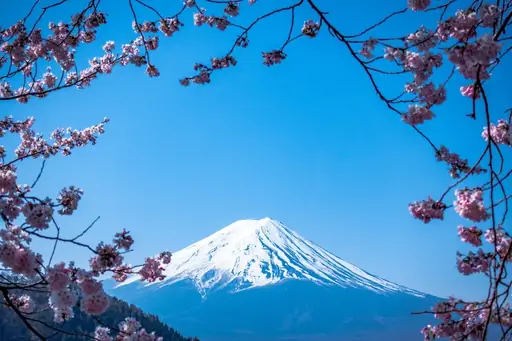
  • Best Mt. Fuji views are in winter and early spring when air is clearest.
  • Weather can change rapidly due to elevation – always check forecasts and pack accordingly.

The best time to visit Hakone

The best time to visit Hakone is in spring (late March to May) and autumn (late September to November). These periods offer mild, comfortable temperatures, lower humidity, and spectacular cherry blossoms or autumn foliage. Outdoor activities, sightseeing, and hot spring bathing are especially enjoyable during these clear, scenic months.

The worst time to visit Hakone

The least favourable time to visit is from mid-June to early September, when Hakone experiences its rainy season and peak typhoon activity. Heavy rainfall, high humidity, and the risk of storms can disrupt travel plans and obscure scenic views, making outdoor activities less pleasant.

Frequently asked questions

What is the climate like in Hakone throughout the year?

Hakone has a humid subtropical climate with warm, humid, rainy summers and cold, often snowy winters. The area experiences high annual rainfall and dramatic seasonal changes, making it a year-round destination.

When is the rainy season in Hakone?

The rainy season in Hakone typically runs from mid-June to mid-July, with September also being very wet due to typhoons. Expect frequent rain, high humidity, and occasional fog during this period.

Does Hakone get snow in winter?

Yes, Hakone can receive snowfall in winter, especially in higher areas like Sengokuhara and Lake Ashi. Snow creates beautiful winter scenery, but temperatures can drop below freezing at night.

What are the average summer temperatures in Hakone?

Summer temperatures in Hakone range from 17°C at night to 29°C during the day. The season is humid and rainy, so lightweight, breathable clothing and rain gear are recommended.

When is the best time to see cherry blossoms in Hakone?

Cherry blossoms in Hakone typically bloom from late March to April. The lower Yumoto area blooms first, followed by higher areas like Lake Ashi a few weeks later.

Are typhoons common in Hakone?

Typhoons can affect Hakone, particularly in late summer and early autumn (August–September), bringing heavy rain and strong winds. Travellers should monitor weather forecasts during this period.

How much rain does Hakone get annually?

Hakone receives about 2,200 mm of precipitation each year, with the wettest months being June and September. Rain can occur year-round, so it’s wise to bring rain gear whenever you visit.

Minimum and maximum temperatures in Hakone

The warmest month, with the highest average maximum temperature, is August (28.2 °C). The month with the lowest average maximum temperature is January (7.4 °C). Overall, the average maximum temperature over the whole year is 17.4 °C.

The month with the highest average minimum temperature is August (22.1 °C). The coldest month, with the lowest average minimum temperature, is January (1.2 °C). Overall, the average minimum temperature over the whole year is 11.4 °C.

Rainfall amount in Hakone

The wettest month, with the highest amount of precipitation, is July (183.7 mm). The driest month, with the least amount of precipitation, is January (51.6 mm). Over the whole year there are 1,341.8 mm of rainfall on average.

Rainfall days in Hakone

The month with the most days of rain is July (20.8 days). The month with the fewest days of rain is January (9.8 days). Over the whole year there are 190.3 days of rain on average.

Snowfall amount in Hakone

The month with the most snowfall is February (31.4 mm). The months with the least snowfall are April, May, June, July, August, September, October and November (0 mm). Over the whole year there are 49.4 mm of snowfall on average.

Snowfall days in Hakone

The month with the most days of snowfall is February (2.8 days). The months with the fewest days of snowfall are May, June, July, September, October and November (0 days). Over the whole year there are 5.4 days of snowfall on average.

Relative humidity in Hakone

The month with the highest average relative humidity is July (86.2 %). The month with the lowest average relative humidity is January (67.2 %). The overall average relative humidity over the whole year is 77 %.

Wind speed in Hakone

The windiest month, with the highest average wind speed, is March (13 km/h). The calmest month, with the lowest average wind speed, is August (10.2 km/h). The overall average wind speed over the whole year is 11.5 km/h.

Cloud coverage in Hakone

The month with the cloudiest skies, so the highest cloud coverage, is June (47.8 %). The month with the clearest skies, so the lowest cloud coverage, is January (28 %). Over the whole year there is an average cloud coverage of 39.8 %.

Daylight hours and sunshine hours in Hakone

The month with the longest days, so the most daylight, is June (Average daylight: 14 h). The month with the shortest days, so the least daylight, is December (Average daylight: 9.1 h). Over the whole year there are 11.9 h of daylight per day on average.

The month with the most sunshine per day is August (Average sunshine: 10.1 h). The month with the least sunshine per day is February (Average sunshine: 5.1 h). Over the whole year there are 7.2 h of sunlight per day on average.

UV index in Hakone

The months with the highest average UV index are June, July and August (UV index: 6). The months with the lowest average UV index are January, February and December (UV index: 2). Over the whole year the average UV index is 4.

Was this page helpful?
Feedback