Mariscal Sucre International Airport serves as Ecuador's primary aviation hub, strategically positioned approximately 40 kilometers east of Quito in the Tababela area. This modern facility replaced the old airport in 2013 and now operates as the main hub for Avianca Ecuador and the largest hub for LATAM Ecuador. The airport's high-altitude location at 2,400 meters above sea level makes it one of the highest international airports in the world. Passengers can easily reach Quito's downtown area via dedicated bus services, taxis or private transfers, with connections also available to nearby cities like Santo Domingo and Ibarra.
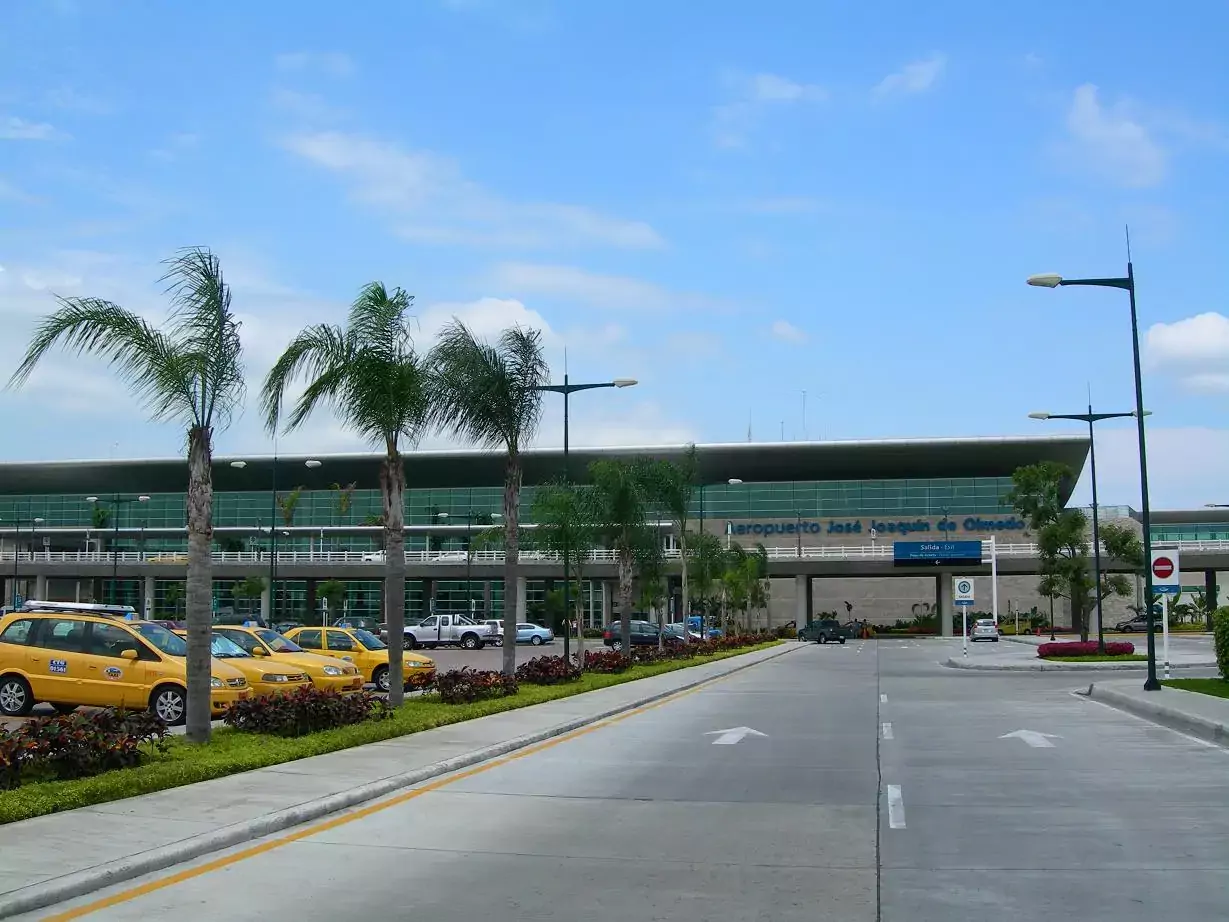
José Joaquín de Olmedo International Airport benefits from its convenient location just 5 kilometers from Guayaquil's city center, making it significantly more accessible than its counterpart in Quito. As Ecuador's economic capital and largest city, Guayaquil serves as a crucial business destination, with the airport handling extensive domestic and international traffic. LATAM Ecuador and Avianca Ecuador maintain significant operations here, offering direct connections throughout Latin America and beyond. The airport's proximity to the city center allows for quick taxi transfers, while nearby destinations include Durán and Milagro.
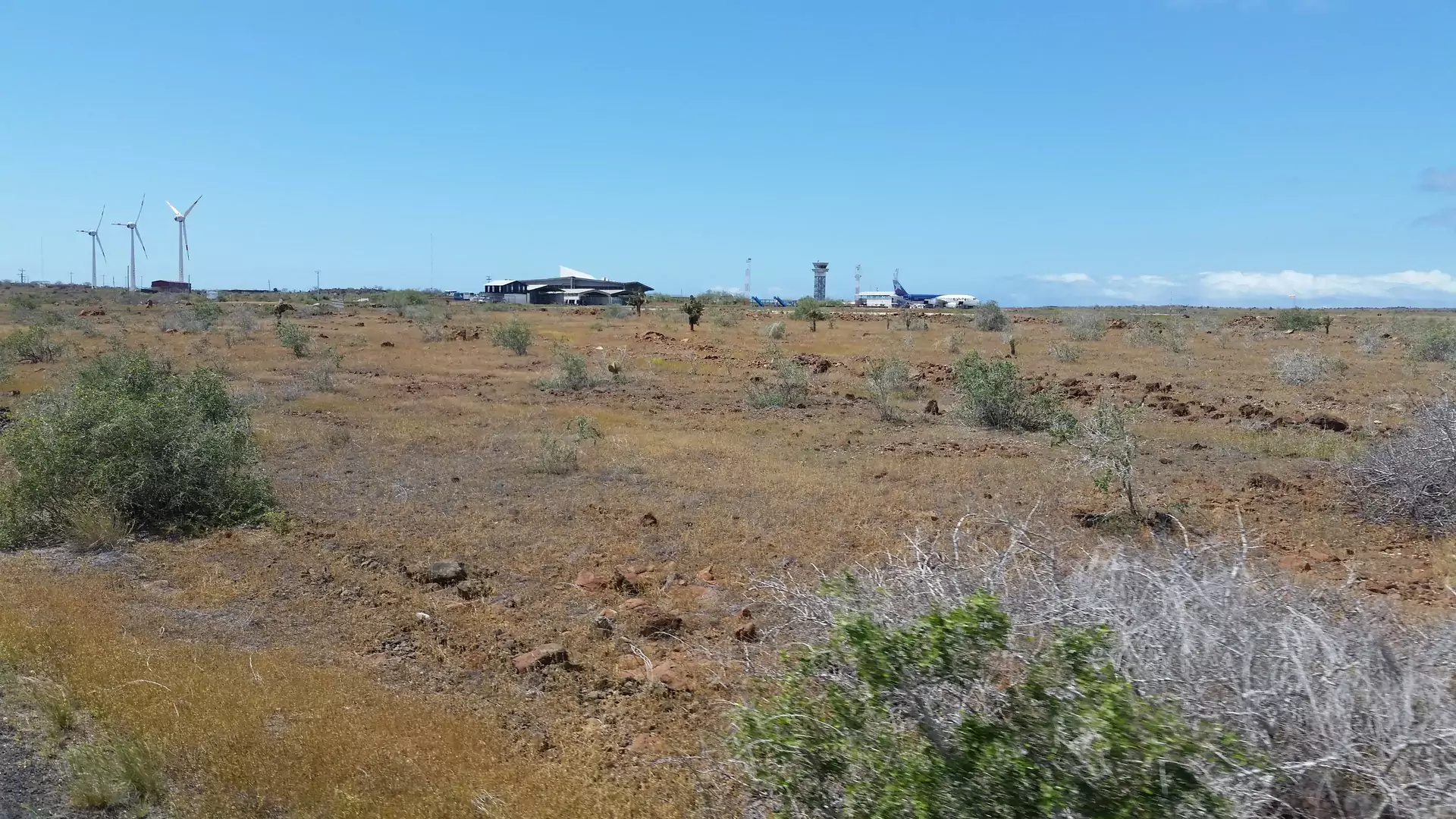
The Galápagos Islands are served by two specialized airports that cater to the unique requirements of this UNESCO World Heritage site. Seymour Airport on Baltra Island holds the distinction of being the world's first carbon-neutral airport, handling approximately 500,000 passengers annually through environmentally conscious operations. Meanwhile, San Cristóbal Airport serves the eastern islands with around 200,000 passengers per year. Both airports operate under strict environmental regulations and connect exclusively to mainland Ecuador through Guayaquil and Quito, with Avianca Ecuador, LATAM Ecuador and other carriers providing regular service.
Ecuador's domestic aviation network includes several important regional airports that serve key population centers and tourist destinations. Mariscal Lamar International Airport in Cuenca, located just kilometers from the city center, handles 360,000 passengers annually and serves as the gateway to Ecuador's cultural capital and southern highlands. Eloy Alfaro International Airport in Manta processes around 160,000 passengers yearly, connecting the coastal region and serving as an important hub for the fishing and tourism industries. Other significant facilities include Francisco de Orellana Airport in Coca, providing access to Amazon rainforest destinations and Ciudad de Catamayo Airport serving Loja and the southern provinces. These airports primarily offer domestic connections through LATAM Ecuador and Avianca Ecuador, with some international charter services during peak tourism seasons.