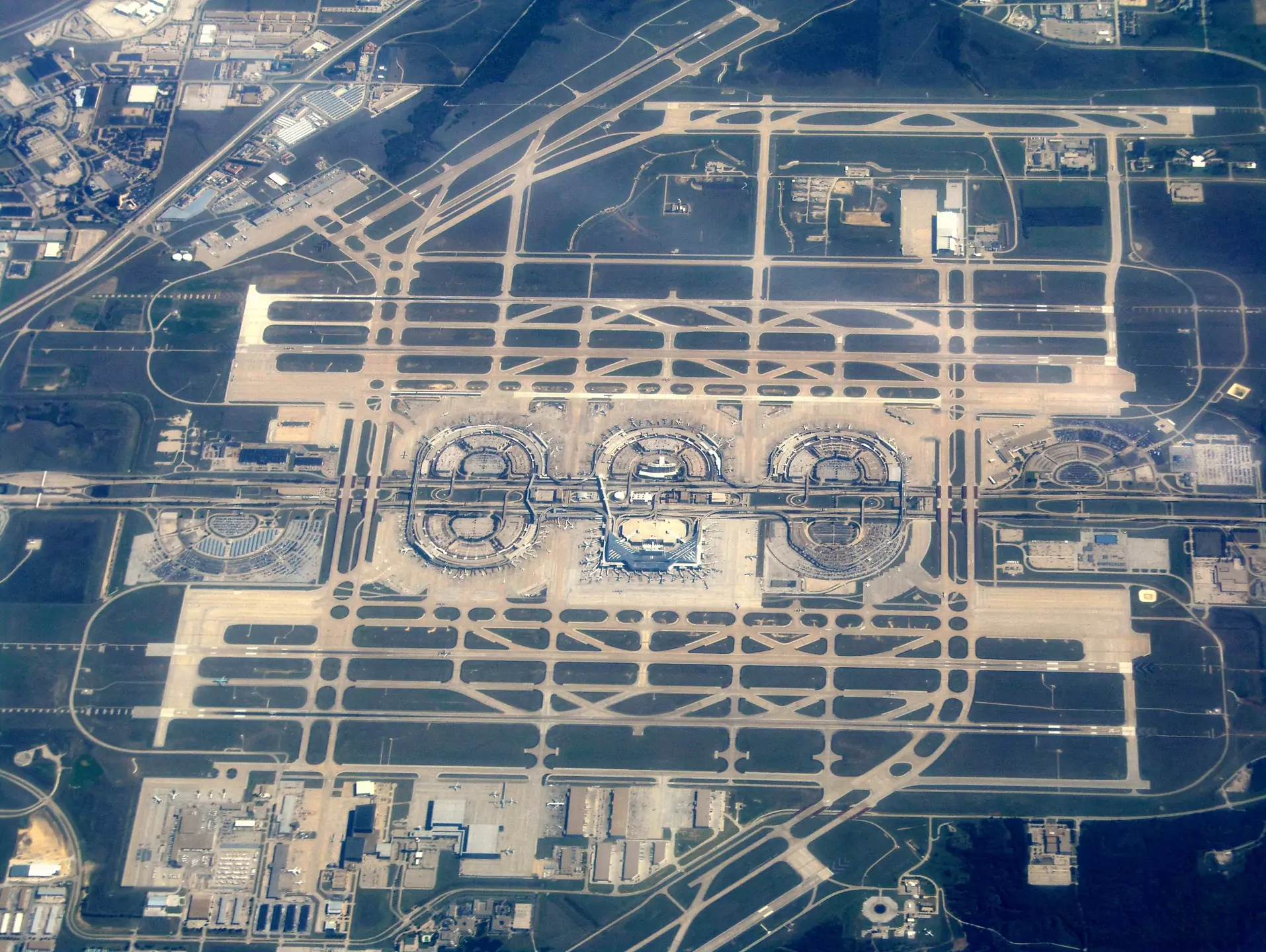
Dallas/Fort Worth International Airport (DFW) stands as the largest and one of the most connected airports in the world, serving over 70 million passengers annually. Located midway between Dallas and Fort Worth, DFW is the primary hub for American Airlines and offers flights to more than 250 global destinations. Its strategic position and extensive domestic network make it a top choice for both business and leisure travelers. The airport features five terminals, a vast array of amenities and efficient public transit links via the Trinity Railway Express and DART, ensuring smooth access to the Dallas-Fort Worth metroplex.
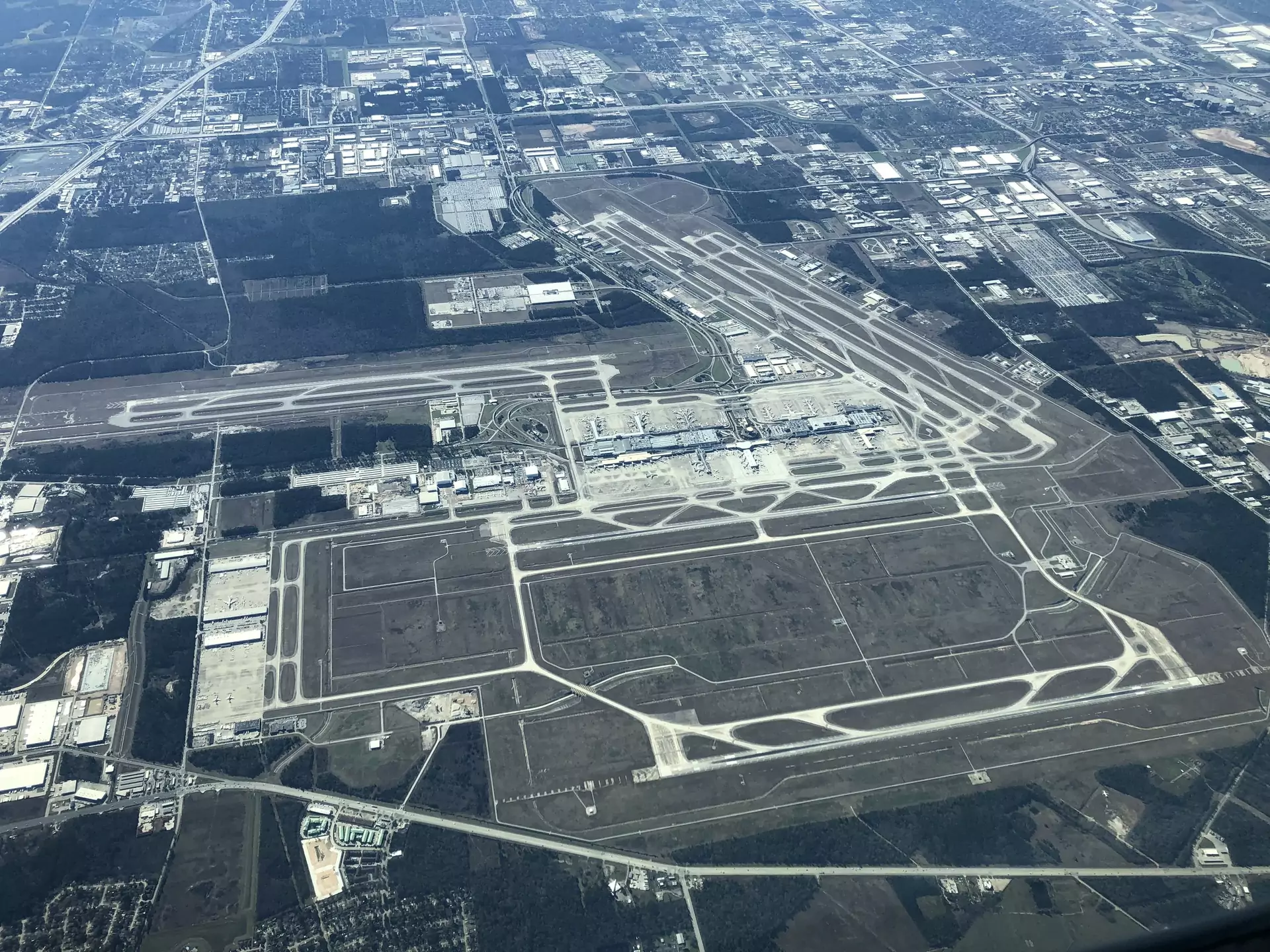
George Bush Intercontinental Airport (IAH) in Houston is the state’s main gateway for international travel, handling over 45 million passengers each year. Situated about 35 kilometers north of downtown Houston, IAH is a major hub for United Airlines, which operates approximately 75% of its flights. The airport connects Texas to key international destinations, with Mexico City being the top international route, while also offering strong domestic links to cities like Los Angeles and Denver. IAH features five terminals and is accessible via the METRO Rail Red Line, shuttles and taxis.
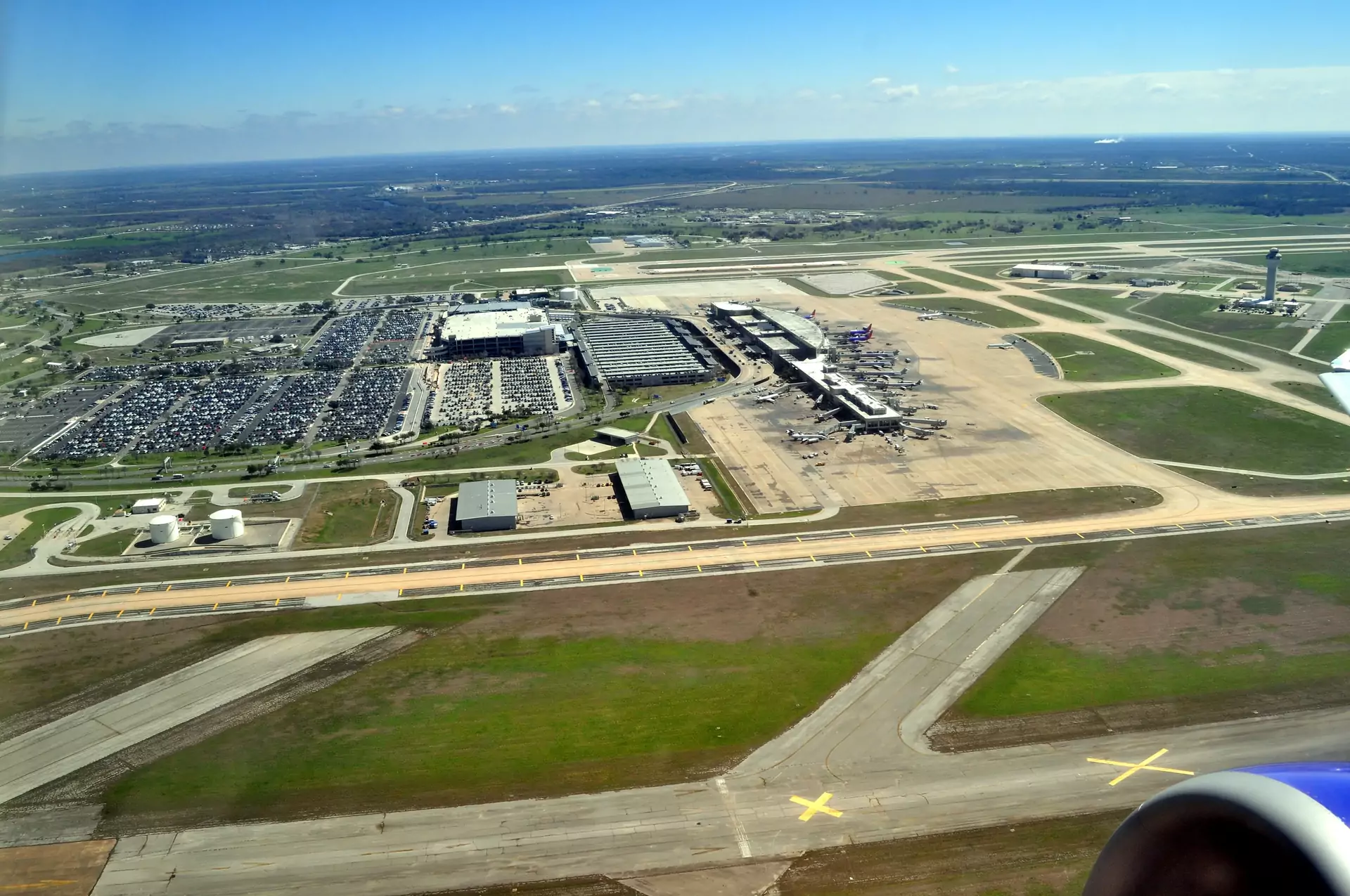
Austin-Bergstrom International Airport (AUS), serving the state capital, has become one of the fastest-growing airports in the U.S., welcoming over 20 million passengers in recent years. Located just 7 kilometers southeast of downtown Austin, it is a key focus city for Southwest Airlines, with Atlanta being the most connected destination. The airport is known for its modern facilities, live music performances and easy access via Capital Metro, rideshares and car rentals, making it ideal for visitors exploring the city’s vibrant culture and tech scene.
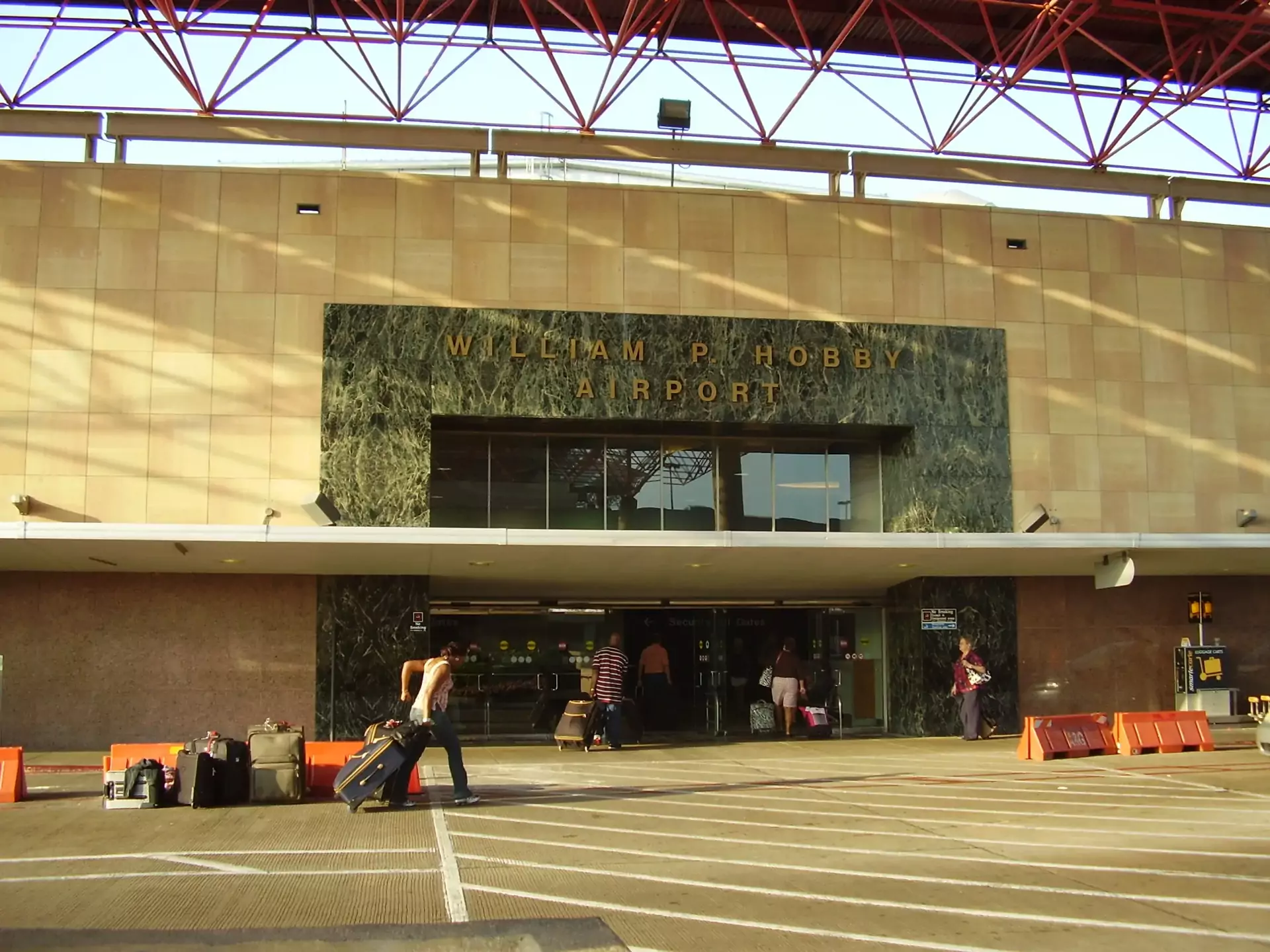
William P. Hobby Airport (HOU) is Houston’s secondary airport and the closest to the city center, situated only 11 kilometers away. While smaller than IAH, HOU handles over 14 million passengers annually and serves as a focus city for Southwest Airlines. It offers domestic flights and select international routes, primarily to Mexico. With a single terminal and 25 gates, HOU provides a less congested alternative to IAH, with convenient access via the METRO light rail and various ground transportation options.
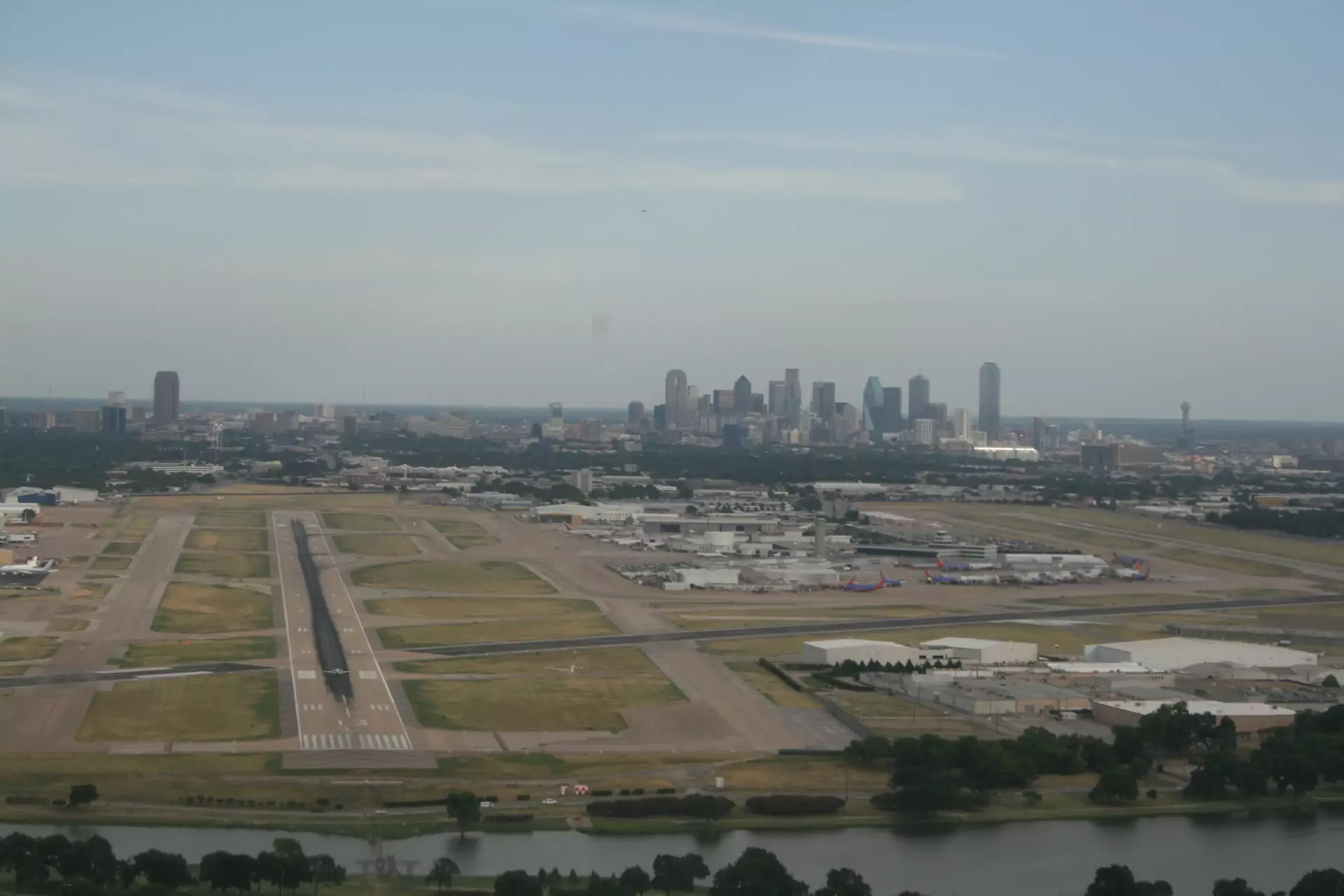
Dallas Love Field (DAL) is the second airport serving the Dallas area and handles around 17 million passengers yearly. Located just 10 kilometers from downtown, it is a major base for Southwest Airlines and offers a streamlined experience for business and short-haul travelers. DAL provides nonstop flights to numerous U.S. cities and is well-connected via DART bus services and rideshares. Its proximity to downtown makes it a preferred choice for many visiting the Dallas-Fort Worth region.
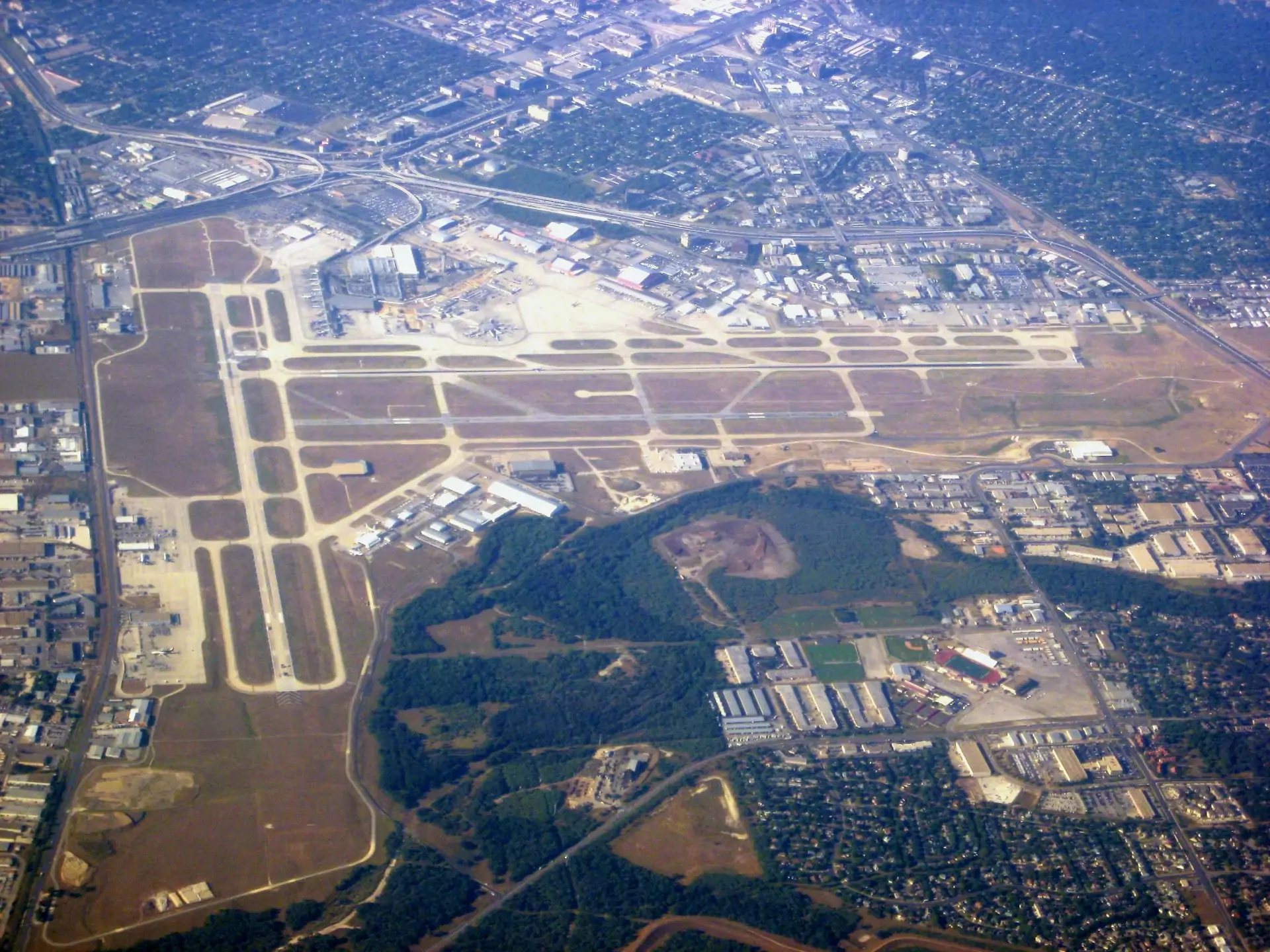
San Antonio International Airport (SAT) serves over 10 million passengers annually and is located about 12 kilometers north of downtown San Antonio. It offers flights to major U.S. and Mexican cities, with Southwest Airlines as the dominant carrier. Top destinations include Dallas and Atlanta. The airport is undergoing significant expansion to accommodate future growth and is accessible via VIA Metropolitan Transit, shuttles and taxis. For travelers exploring the Alamo City and surrounding Hill Country, SAT provides a convenient entry point.
Among the notable low-cost and regional airports, Valley International Airport (HRL) in Harlingen serves the Rio Grande Valley with over 900,000 passengers yearly. It offers direct flights to Dallas, Houston and Austin, primarily through carriers like Southwest and Frontier. Similarly, McAllen Miller International Airport (MFE) and Brownsville/South Padre Island Airport (BRO) provide regional access with connections to major hubs. These airports are vital for border communities and leisure travelers heading to South Padre Island, offering a more relaxed, efficient alternative to larger facilities.