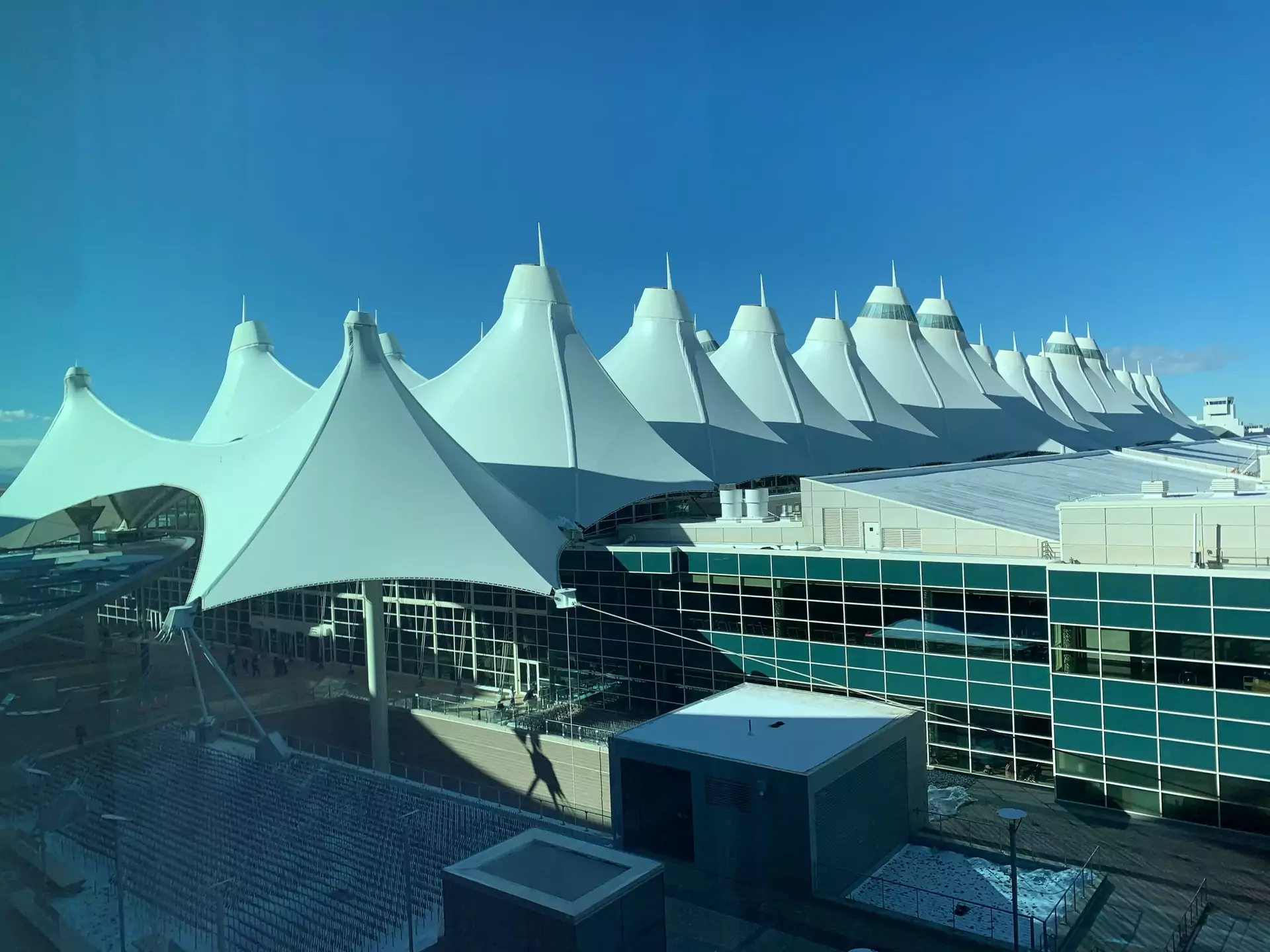
Denver International Airport (DEN), located approximately 25 miles northeast of downtown Denver, is the state's largest and busiest airport. Covering over 33,000 acres, it is one of the largest airports in the world by land area. DEN serves as a major hub for United Airlines and Frontier Airlines, offering more than 1,700 daily flights to over 200 destinations across North America, Europe and Asia. The airport boasts modern terminals with a wide range of amenities, including numerous dining and shopping options, lounges and efficient transportation links to Denver via the RTD A-Line commuter rail and extensive shuttle services. Denver International acts as a critical hub for business and leisure travelers alike and is often the primary entry point for visitors exploring Colorado’s mountains and cities.
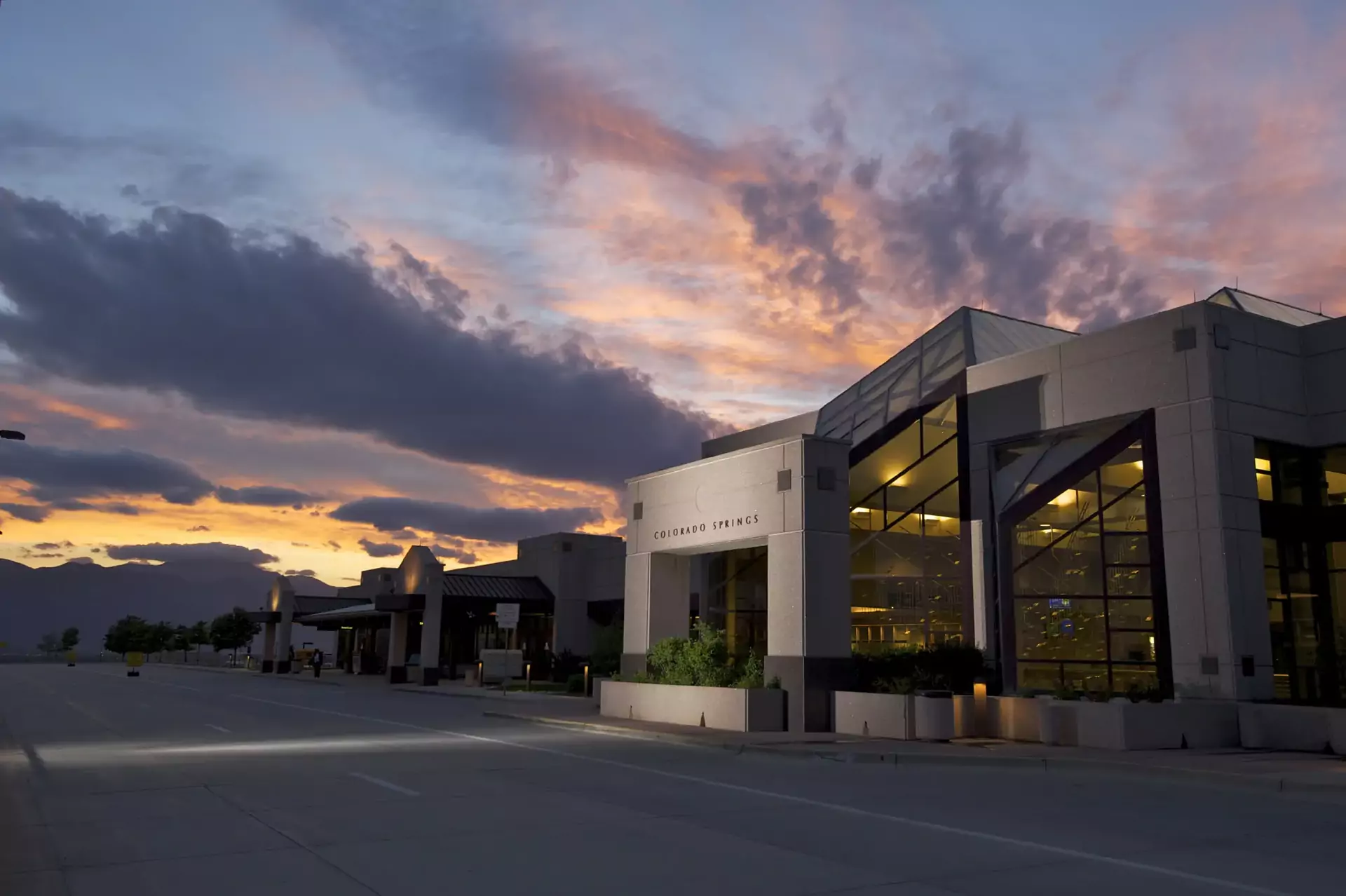
Colorado Springs Airport (COS) is the second-busiest airport in the state, located about 13 miles southeast of Colorado Springs. It primarily serves domestic flights with airlines such as American Airlines, Delta Air Lines, Southwest Airlines and Allegiant Air. COS offers convenient access to the southern Front Range region and is popular for travelers visiting Colorado Springs’ attractions including Pikes Peak and Garden of the Gods. The airport provides essential amenities and efficient ground transportation options with shuttle and rental car services available.
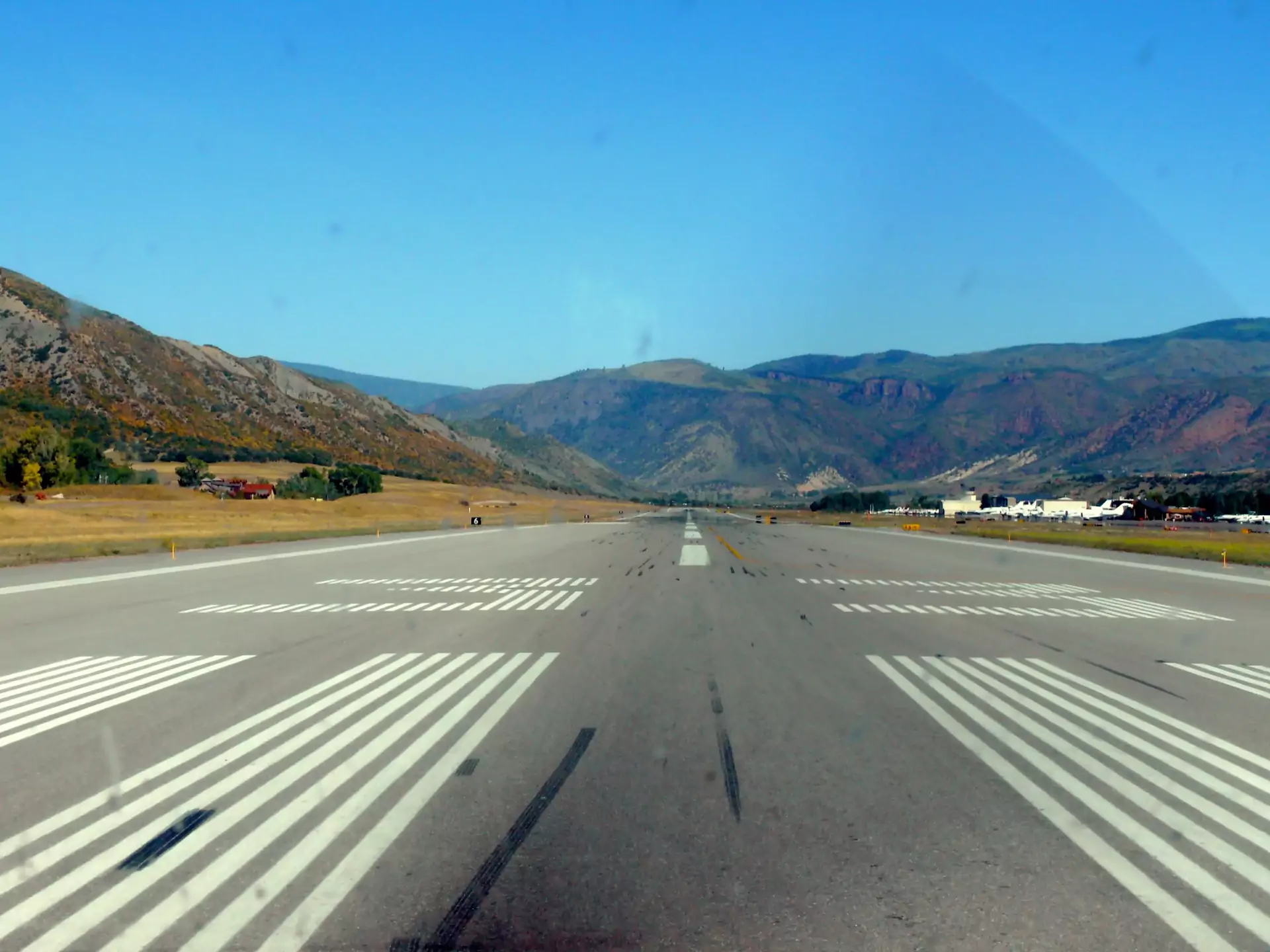
Aspen/Pitkin County Airport (ASE), nestled in the scenic Rocky Mountains near Aspen, is a key airport for winter sports enthusiasts and summer travelers alike. Located just a few miles from downtown Aspen, ASE is known for its challenging approach due to mountainous terrain but offers vital connections primarily to Denver with carriers like United and American Airlines. Its small, intimate terminal provides essential services and is busiest during ski season, when visitors flood the region for world-class resorts.
Eagle County Regional Airport (EGE), about 35 miles west of Vail, serves the popular ski resort area of Vail and Beaver Creek. During peak winter months, EGE becomes one of the busiest airports in Colorado, welcoming flights from airlines including American, Delta and United. The airport caters mainly to seasonal travelers looking for convenient access to the Rocky Mountain winter sports destinations.
Grand Junction Regional Airport (GJT) serves western Colorado and is the third-largest commercial airport in the state. Located four miles from downtown Grand Junction, GJT offers year-round service with airlines such as American, Delta, United and Allegiant. The airport provides gateway access to Colorado’s western attractions including the Colorado National Monument and extensive outdoor recreation zones.
Durango-La Plata County Airport (DRO) is essential for the Four Corners region, providing access to southwestern Colorado and parts of New Mexico. Situated about 20 minutes from Durango, DRO offers connections primarily to Denver, Dallas/Fort Worth and Phoenix. It serves as a convenient entry point for exploring Mesa Verde National Park, Durango’s historic district and nearby ski resorts.
Additionally, smaller airports such as Telluride Regional Airport and Yampa Valley Regional Airport provide crucial seasonal services mainly catering to regional leisure markets and mountain communities. Many of these carry seasonal flights to Denver and other hubs via regional carriers.
Colorado’s mix of international, regional and seasonal airports, combined with the presence of low-cost carriers like Frontier and Southwest, offers travelers a variety of options tailored to different travel needs and budgets. Denver International remains the statewide aviation linchpin, supporting heavy national and international air traffic, while regional airports facilitate access to Colorado’s diverse landscape, strengthening tourism and commerce throughout the state.