The centerpiece of California’s air travel network is Los Angeles International Airport (LAX), the state’s largest and busiest airport, handling over 88 million passengers annually. Located 30 kilometers southwest of downtown Los Angeles, LAX serves as a major hub for American Airlines, Delta Air Lines and United Airlines, making it the only airport in the state that functions as a primary hub for all three major carriers. It also hosts a focus city for Alaska Airlines and serves as a base for international carriers like Air New Zealand. With nine passenger terminals and flights to destinations across Europe, Asia, Latin America and Canada, LAX is a global gateway. Its proximity to major entertainment and business districts, combined with extensive ground transportation options, makes it a preferred entry point for both domestic and international visitors.
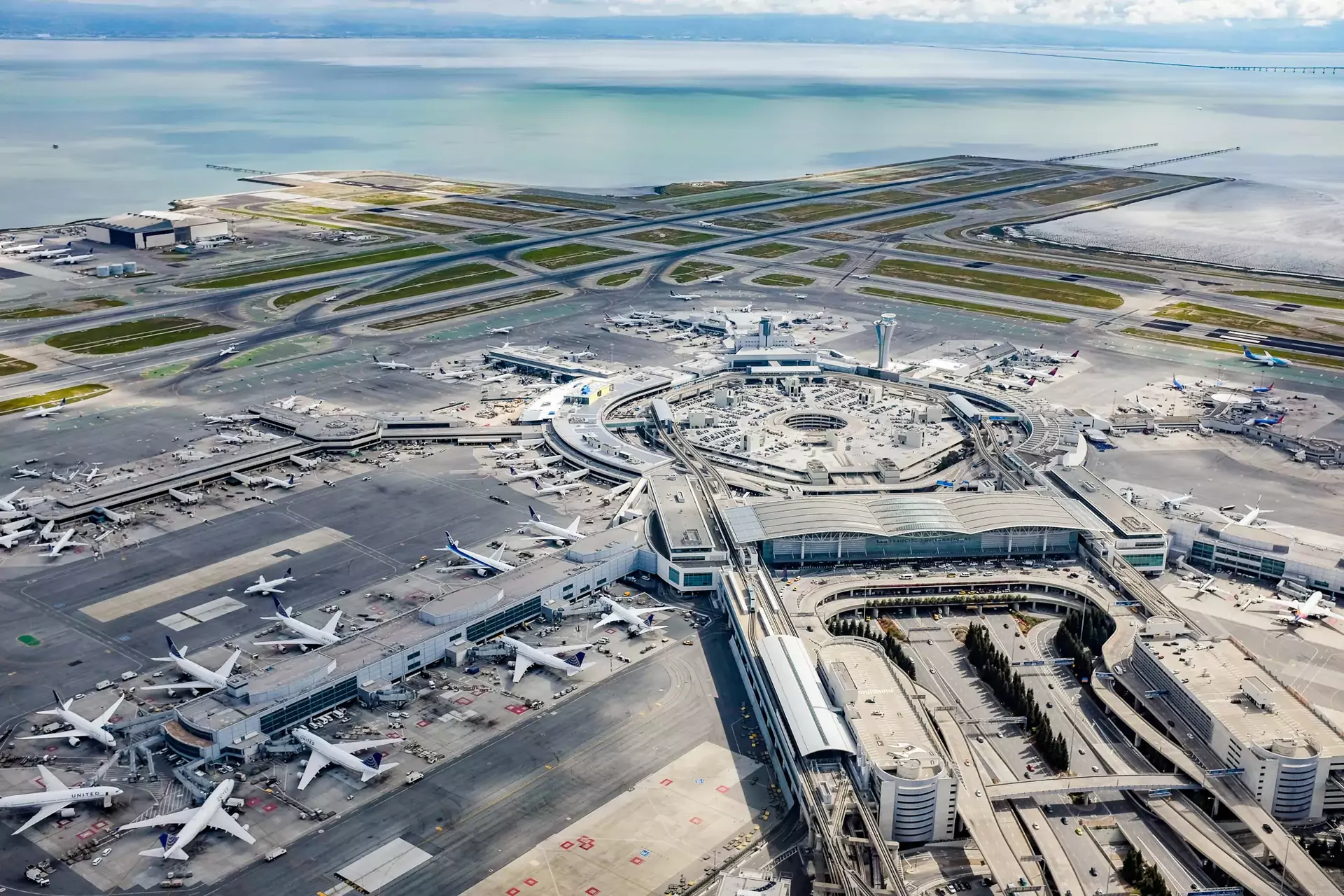
San Francisco International Airport (SFO), situated about 20 kilometers south of downtown San Francisco, ranks as the second busiest in the state with approximately 57 million passengers per year. SFO is a primary transpacific hub for United Airlines and a significant hub for Alaska Airlines, facilitating connections across Asia and the Pacific. The airport features four large terminals and serves over 50 airlines, offering nonstop flights to major U.S. cities and international destinations including London, Hong Kong and Tokyo. Its modern facilities and direct access via BART and other public transit make it a convenient choice for travelers to the Bay Area.
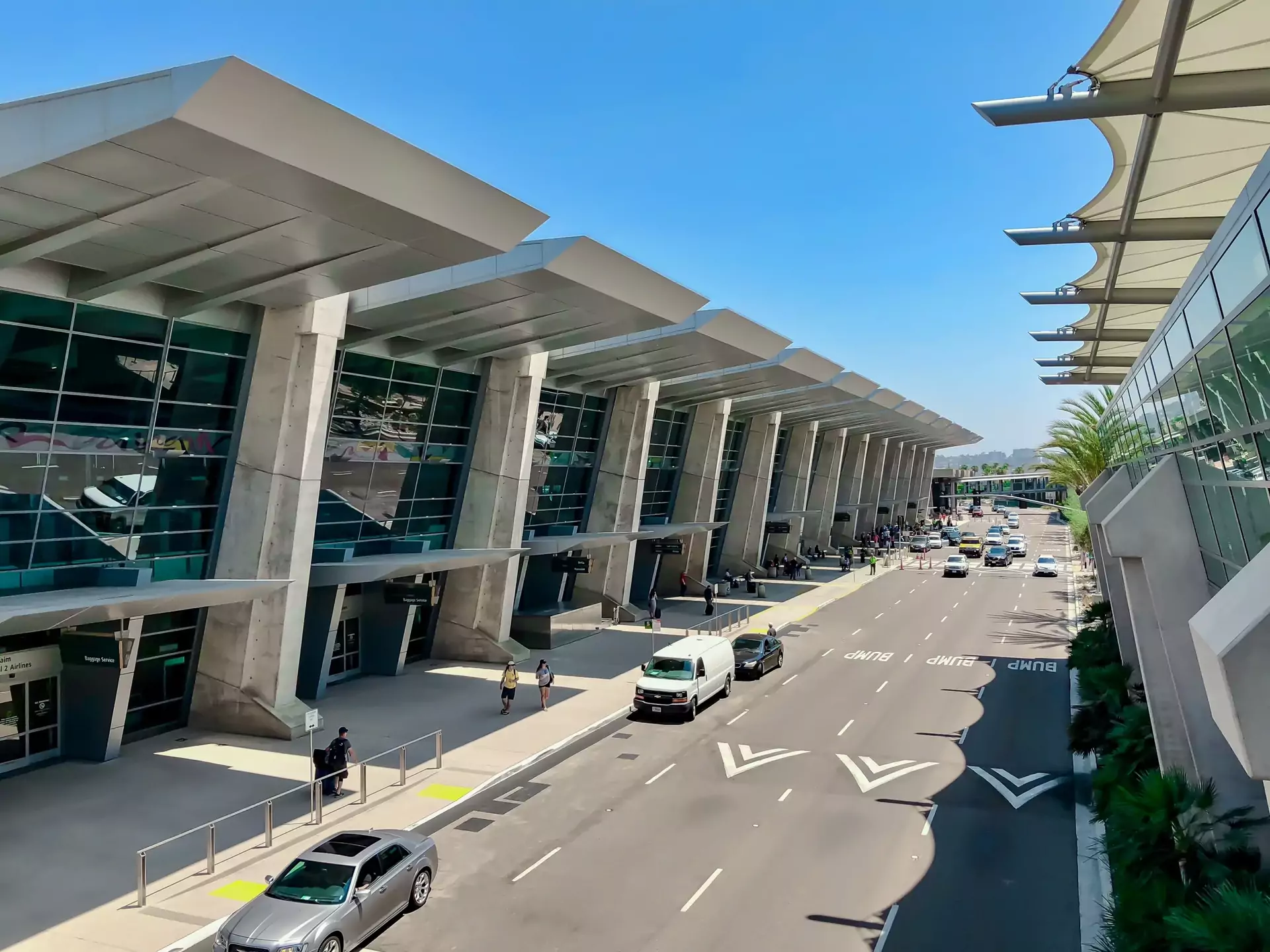
Further south, San Diego International Airport (SAN), also known as Lindbergh Field, handles around 25 million passengers annually. Located just five kilometers north of downtown San Diego, it is a key airport for Southern California and a focus city for Southwest Airlines, Alaska Airlines, Delta and United. SAN offers flights to major U.S. hubs and select international destinations in Mexico and Canada, including seasonal service to London and Tokyo. Despite its compact single-terminal design, it efficiently manages high traffic and serves as a gateway to attractions like Tijuana and the Baja California peninsula.
In Northern California, Sacramento International Airport (SMF) serves as the primary air gateway to the state capital and surrounding regions, including Napa Valley, Lake Tahoe and Yosemite National Park. With around 13 million passengers yearly, SMF is a focus city for Southwest Airlines and offers domestic flights to major U.S. cities and seasonal international service to Mexico and Canada. Similarly, San Jose International Airport (SJC), located in the heart of Silicon Valley, handles about 15.5 million passengers and is a key airport for business travelers, with strong service from Southwest, Alaska and Delta and a top international route to Guadalajara.
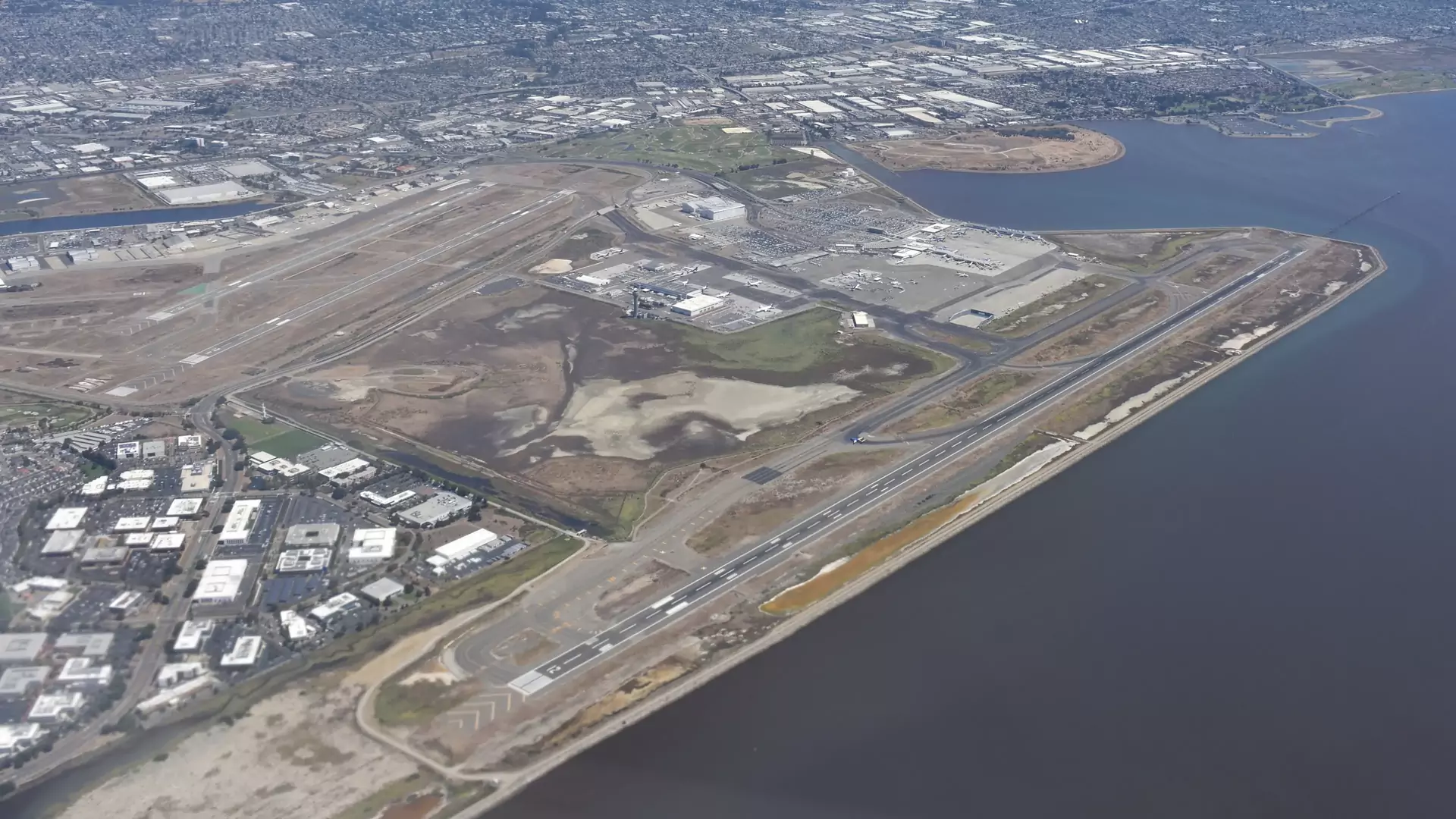
For travelers seeking lower fares or regional access, several secondary airports provide valuable alternatives. John Wayne Airport (SNA) in Orange County, with about 10 million passengers, is ideal for visitors to Disneyland and coastal communities. Ontario International Airport (ONT) east of Los Angeles offers competitive pricing and service from Southwest and Frontier, while Long Beach Airport (LGB) and Burbank Airport (BUR) cater to travelers in the greater LA area with convenient access and low-cost carriers. Budget-conscious flyers may also consider Santa Maria (SMX) or Stockton (SCK), which rank among the cheapest airports in the state. Regional airports like Fresno Yosemite International (FAT), Palm Springs (PSP) and Monterey (MRY) provide essential access to national parks and resort destinations, ensuring that California’s diverse geography remains well-connected by air.