Ted Stevens Anchorage International Airport (ANC) is Alaska's primary gateway, located five miles southwest of downtown Anchorage. It serves a dual role as a major passenger airport and a global cargo hub, thanks to its strategic position between Asia and North America. Passenger airlines operating here include Alaska Airlines, Delta, United, American Airlines and Air Canada, with direct flights to cities such as Seattle, Boston, Dallas and seasonal services to Germany. The airport features modern terminals, lounges and comprehensive ground transportation options including taxis and car rentals.
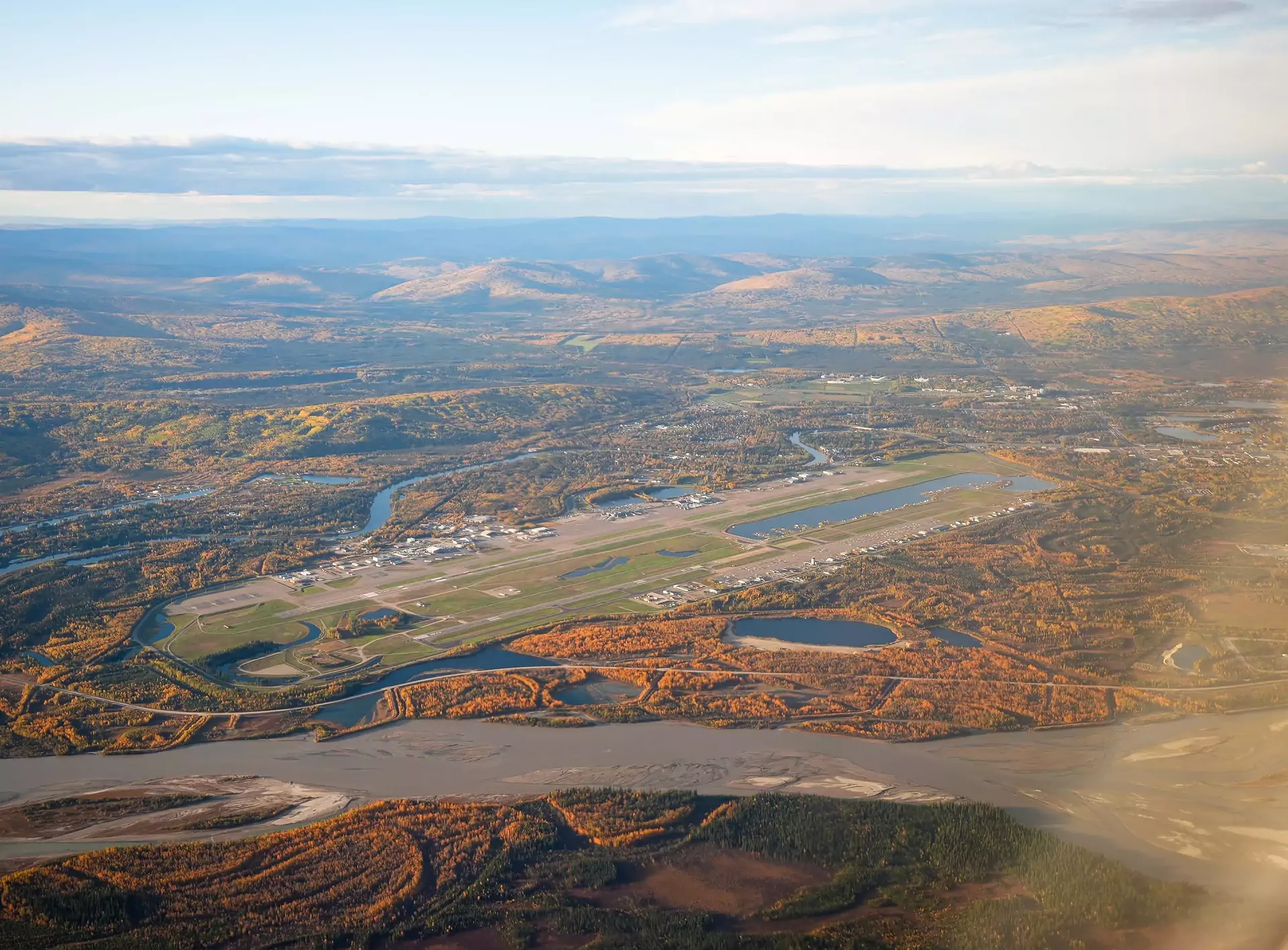
Fairbanks International Airport (FAI) lies north of Anchorage and acts as a key regional hub for travelers exploring Alaska’s interior, Denali National Park and the Arctic. The airport offers regular domestic flights operated primarily by Alaska Airlines and Delta, with seasonal international routes to Frankfurt via Condor Airlines. It is the busiest airport in northern Alaska and provides important passenger and cargo services.
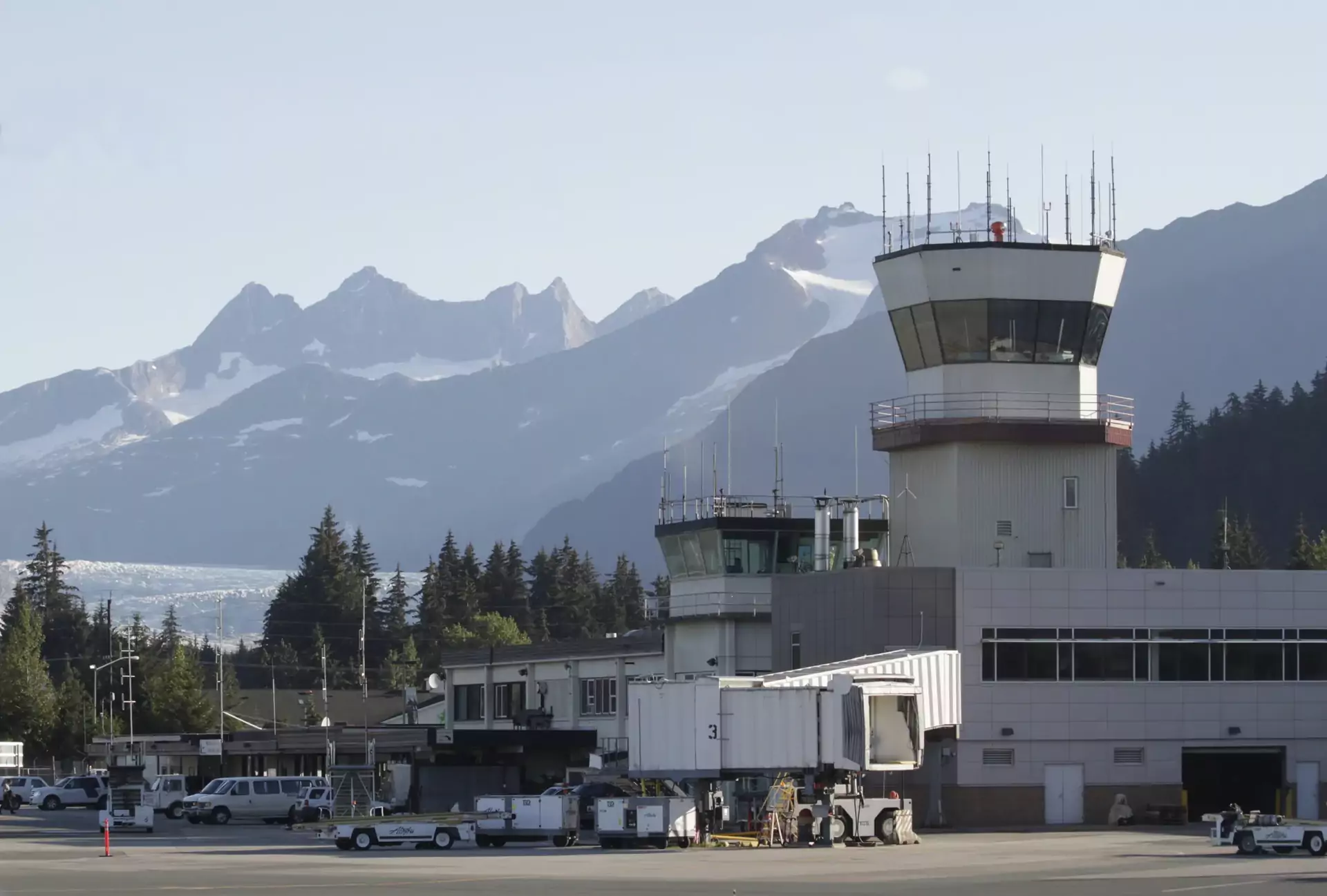
Juneau International Airport (JNU), located in southeastern Alaska, is unique as it connects the state capital by air since Juneau is inaccessible by road. The airport primarily serves domestic routes linking to Seattle, Anchorage and other Southeast Alaska communities. Alaska Airlines dominates its operations, supplemented by regional carriers like Ravn Alaska and Alaska Seaplanes for smaller destinations.
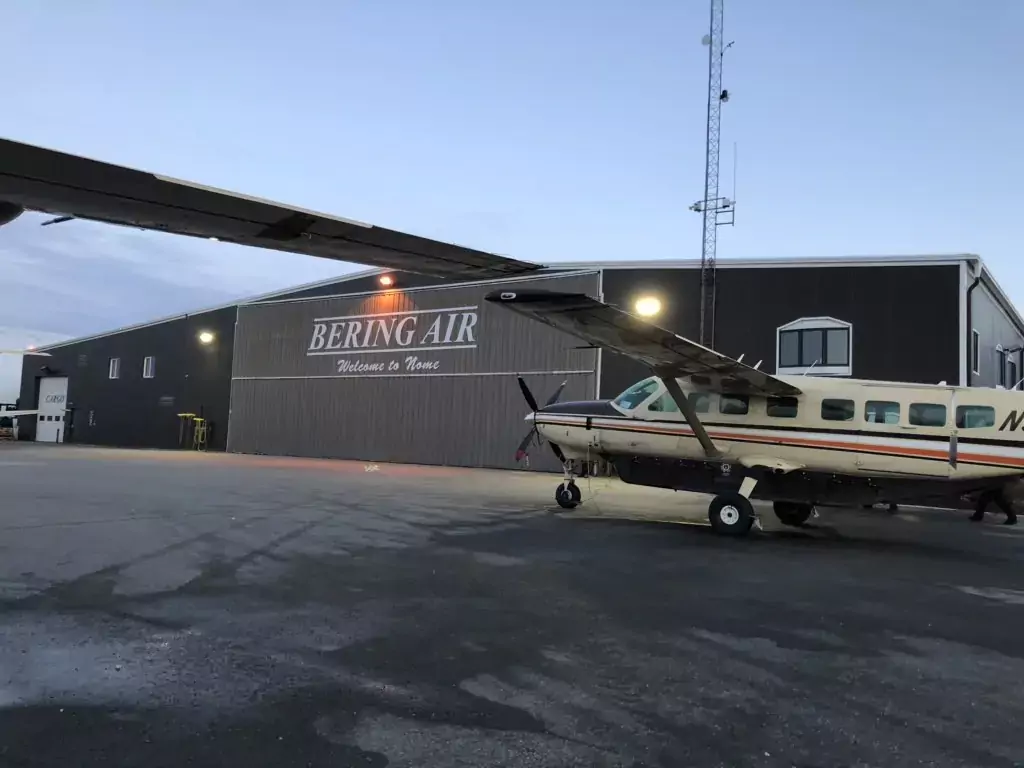
Other significant airports include Ketchikan International Airport (KTN), accessible only by ferry from Ketchikan, serving mainly regional flights to Seattle and Anchorage; Dillingham Airport and Kodiak Airport, supporting southwestern communities and commercial fishing industries; and small regional airports like Wrangell Airport and Petersburg James A. Johnson Airport, which maintain vital air connectivity for remote towns. Given Alaska’s geography, many flights operate using smaller turboprop aircraft, essential for short runways and challenging weather.
While there is no dominant low-cost airline market in Alaska, Alaska Airlines functions as the principal carrier, providing comprehensive regional and national services. The extensive network of airports and airlines ensures access across one of the most challenging environments in the United States, supporting both residents and the essential tourism economy focused on wilderness exploration.