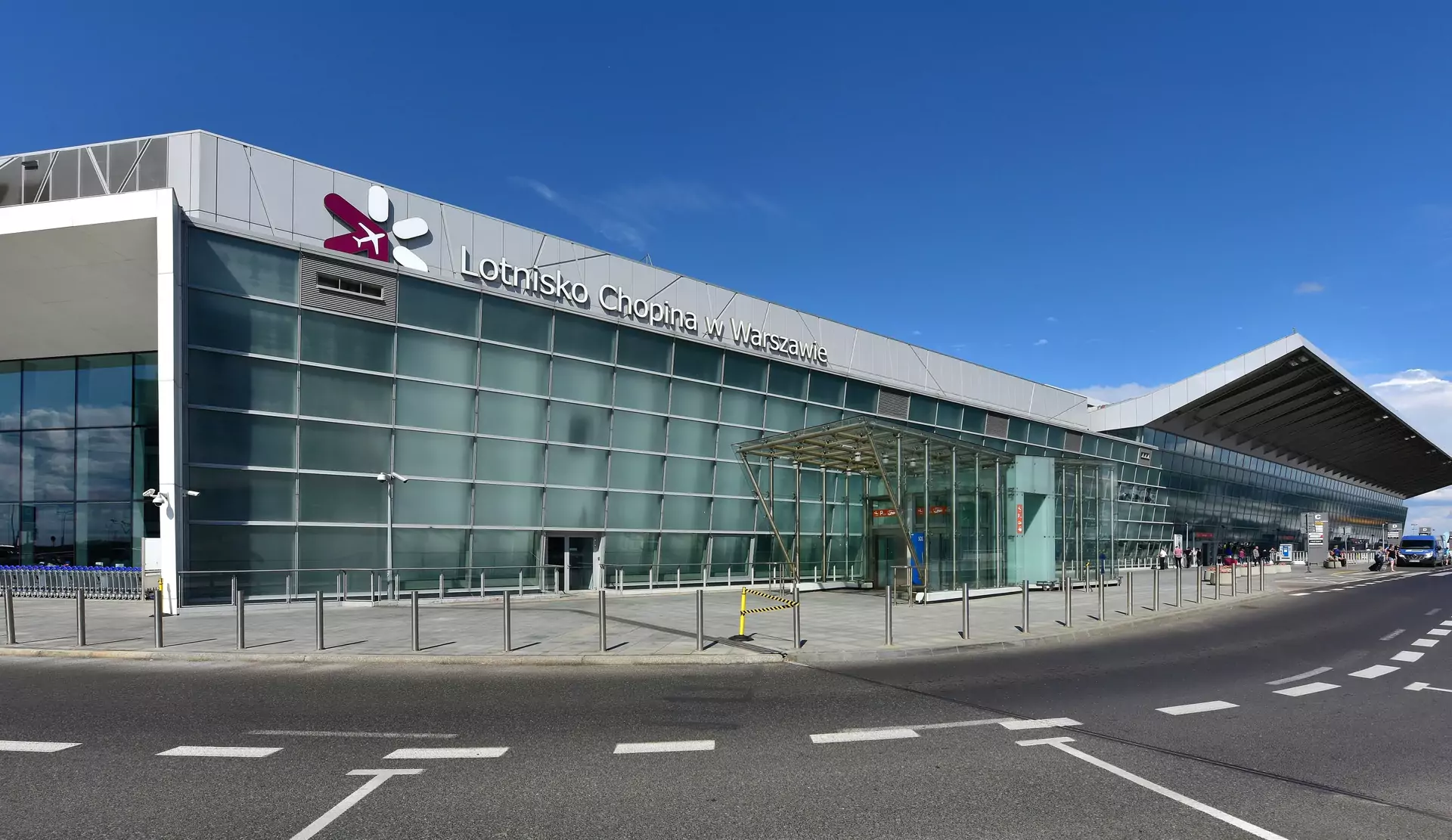
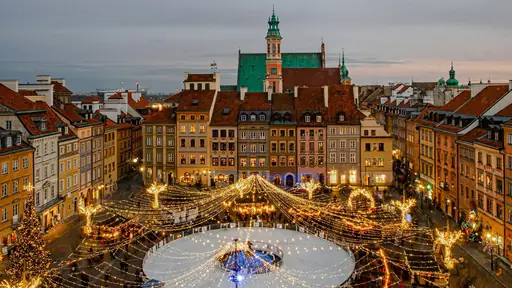
The busiest and most prominent air gateway in Poland is Warsaw Chopin Airport, located just southwest of the city center. As the country’s primary international airport, it is the main hub for LOT Polish Airlines, Poland’s flag carrier, which operates extensive domestic and intercontinental routes from here. Warsaw Chopin Airport offers excellent rail, bus and road links to Warsaw’s business districts and beyond, serving as the primary point of arrival for government, business and tourism traffic. For travelers seeking low-cost alternatives near the capital, Warsaw Modlin Airport serves as the primary base for Ryanair in the country, offering a wide selection of budget routes to cities across Europe. Located about 40 km north of central Warsaw, Modlin has become a favored gateway for those prioritizing price and efficiency over proximity to the city center.
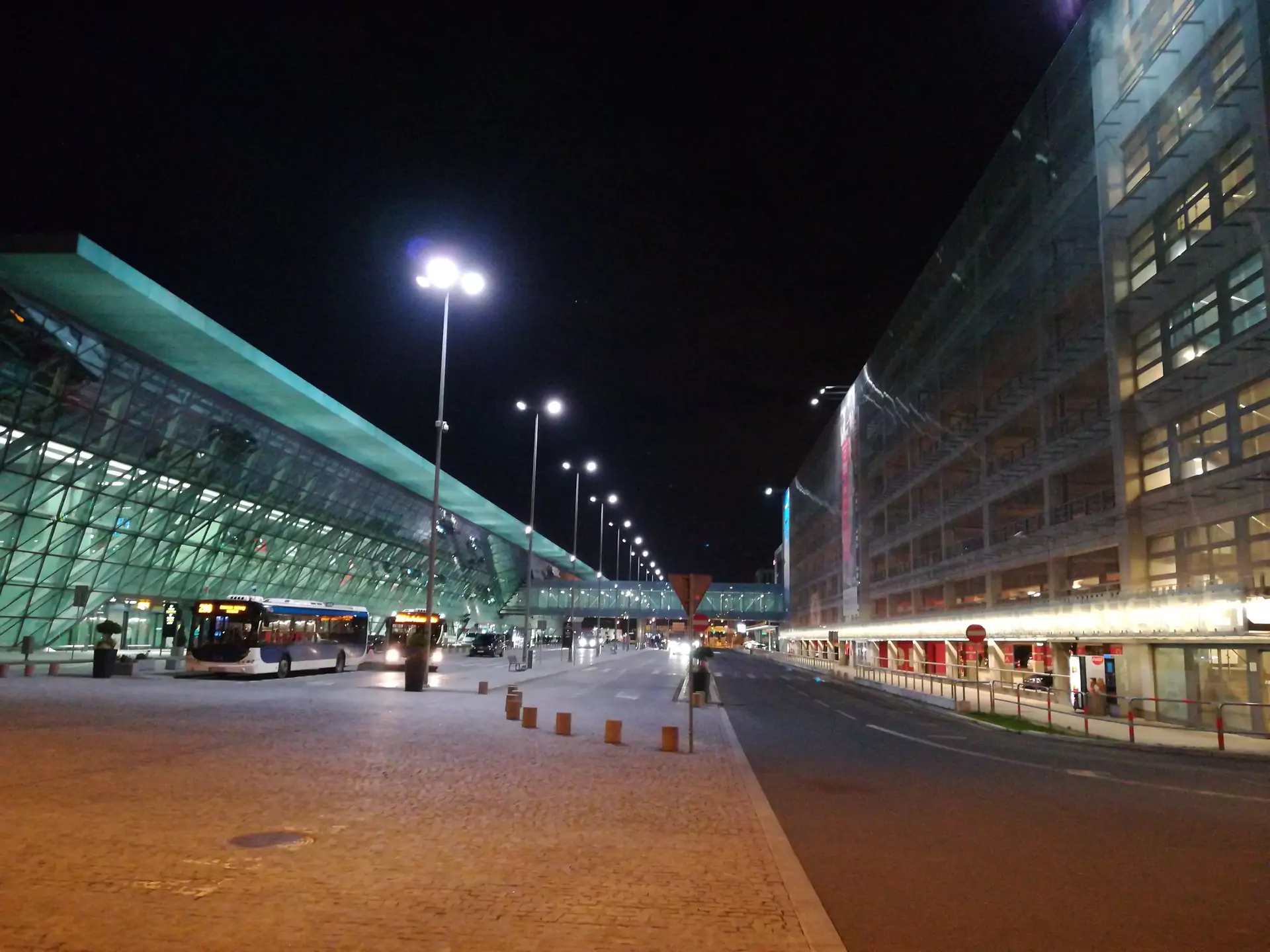
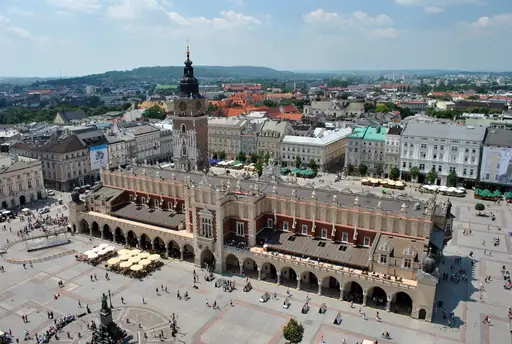
Southern Poland is anchored by Kraków John Paul II International Airport, situated in Balice roughly 11 km from the heart of Kraków. As the second busiest airport in Poland, it is a key destination for international tourists drawn to the city’s historic old town and cultural scene. Ryanair and Wizz Air both operate significant route networks here, making it one of the leading low-cost and full-service hubs outside Warsaw. The airport boasts regular direct rail connections to Kraków’s main railway station, ensuring a smooth onward journey for arriving passengers.
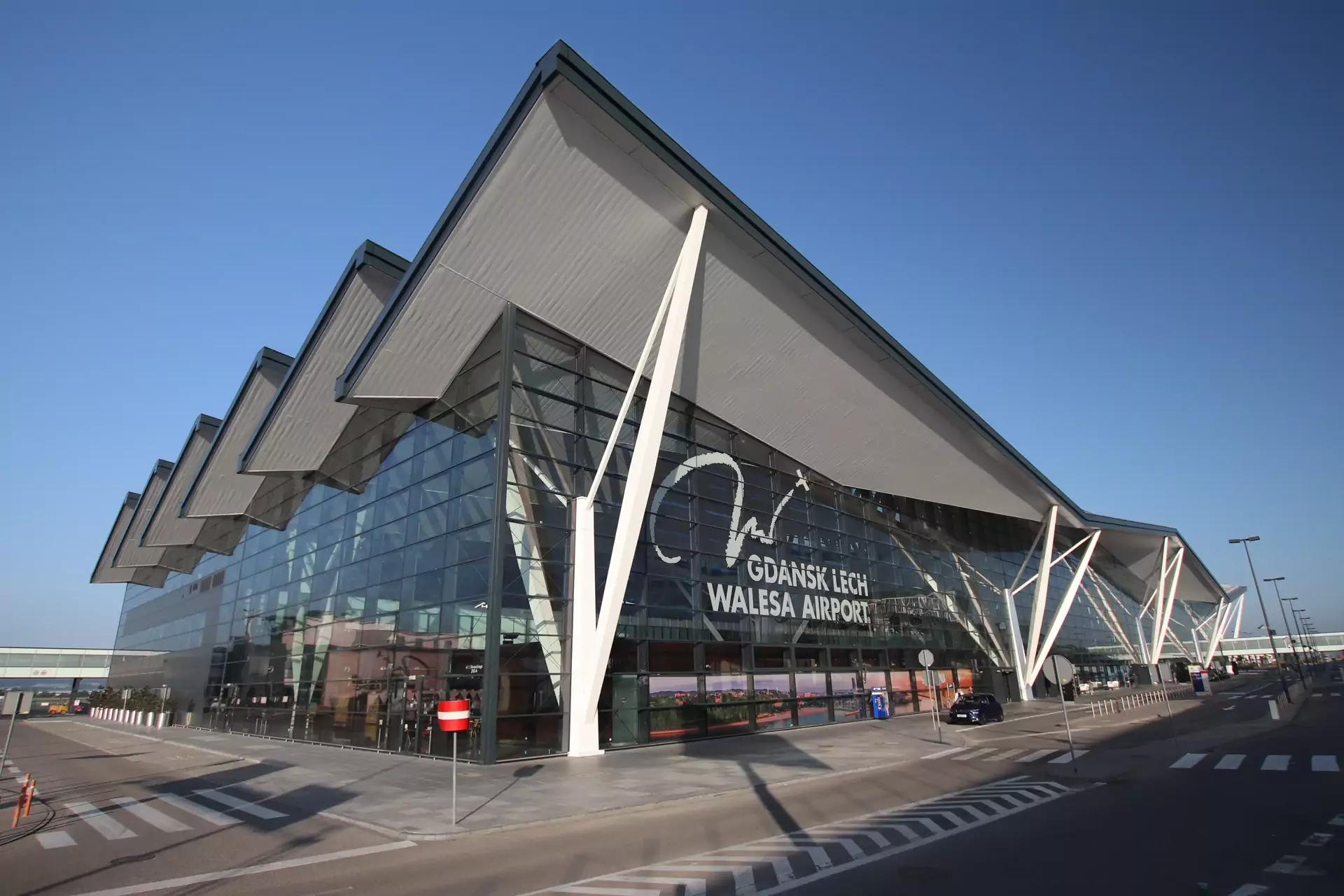
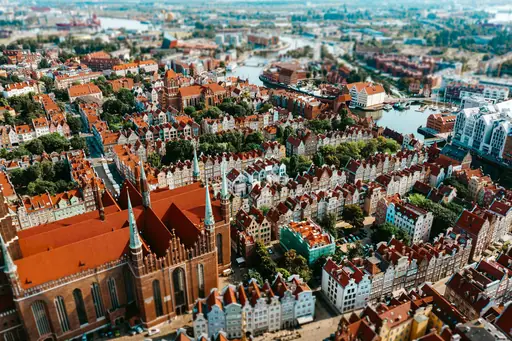
Gdańsk Lech Wałęsa Airport is the leading gateway to northern Poland and the Baltic coast, serving the populous Tri-City area that includes Gdańsk, Sopot and Gdynia. Its robust mix of network and low-cost carriers – most notably Wizz Air and Ryanair – offers nonstop service to Scandinavia, the UK and destinations across Western and Central Europe. The terminal is well-linked to the city center by train and local transportation and is particularly popular during the busy summer tourist season.
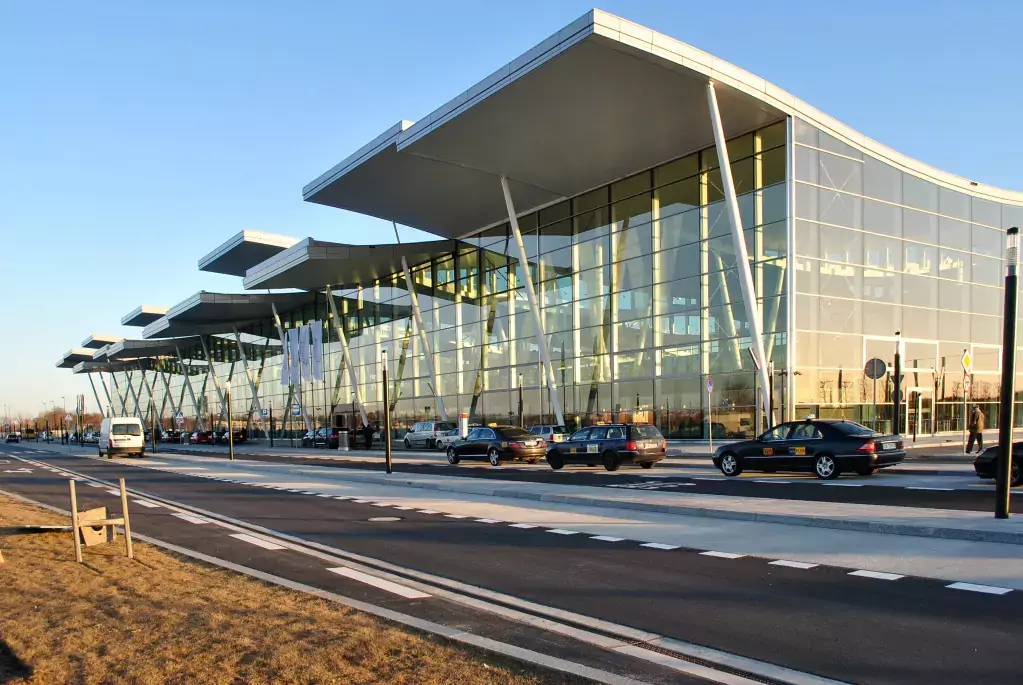
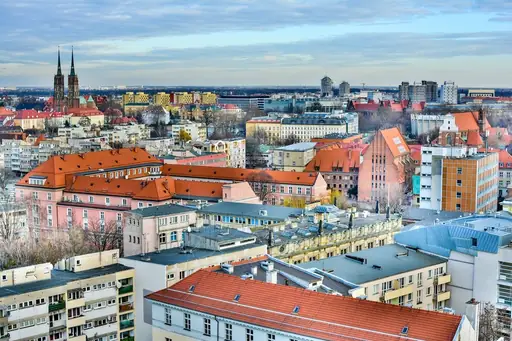
In western Poland, Wrocław Copernicus Airport plays a growing role in regional connectivity. Located approximately 10 km southwest of the city center, Wrocław’s airport is a focal point for low-cost carriers like Ryanair and Wizz Air, enabling direct flights throughout Europe. The airport’s modern facilities and efficient access by public bus make it especially convenient for those visiting Lower Silesia or transiting through the region.
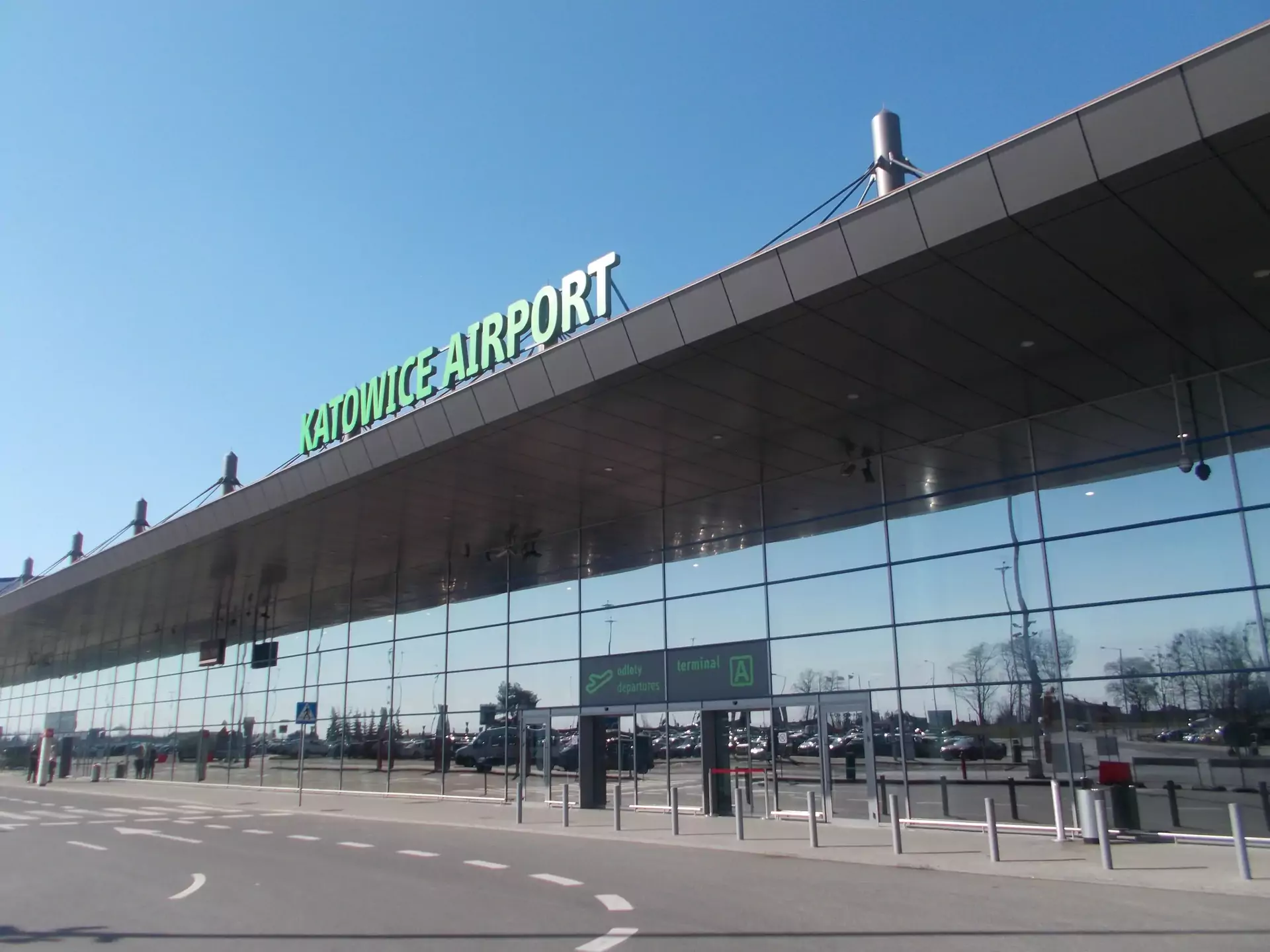
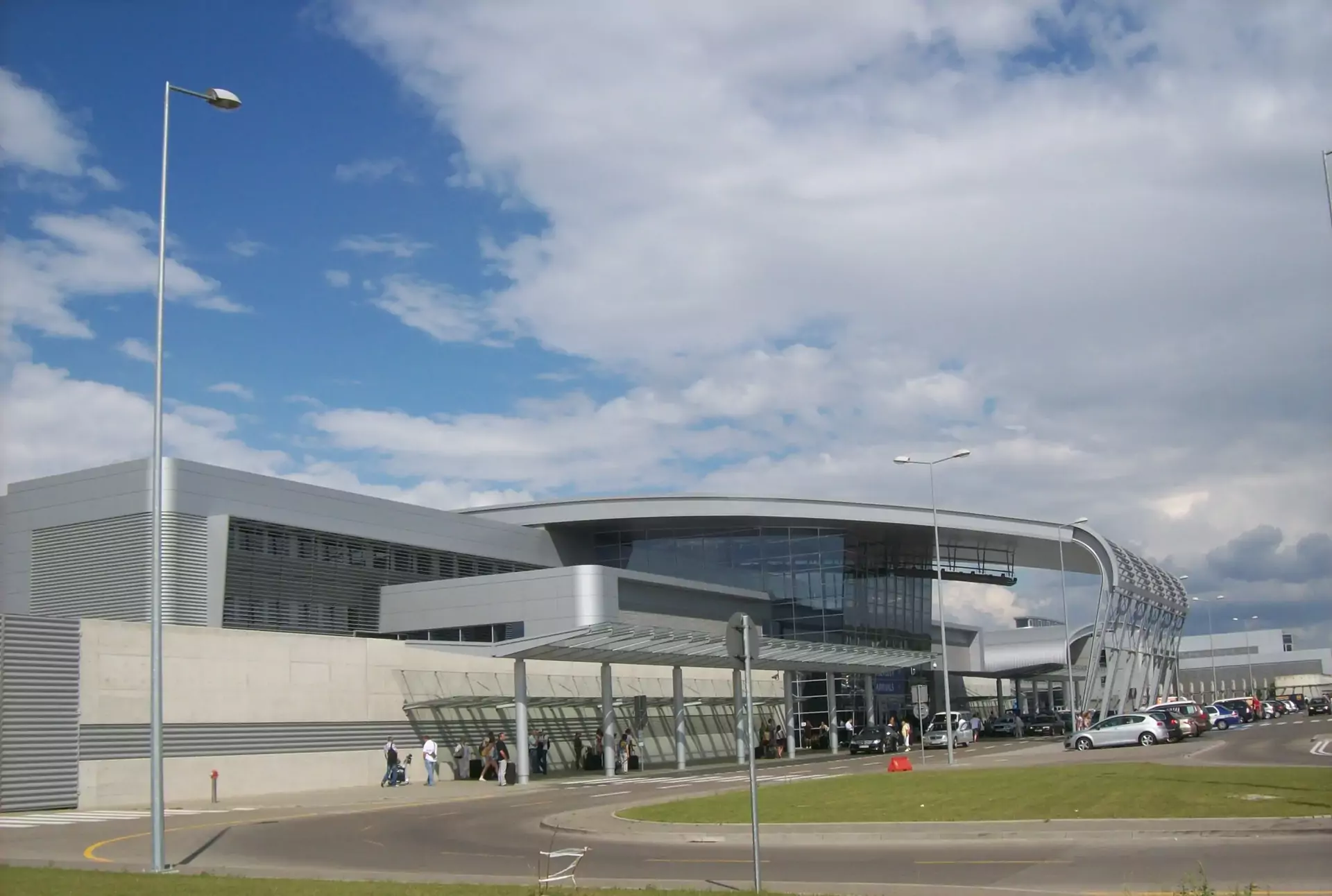
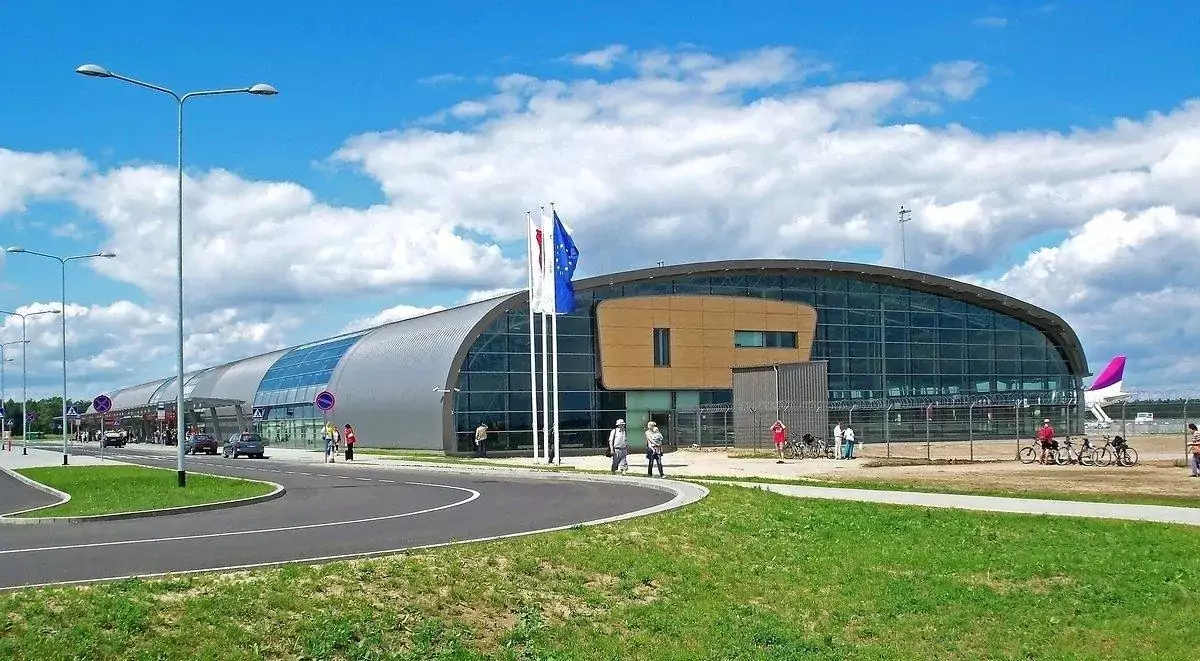
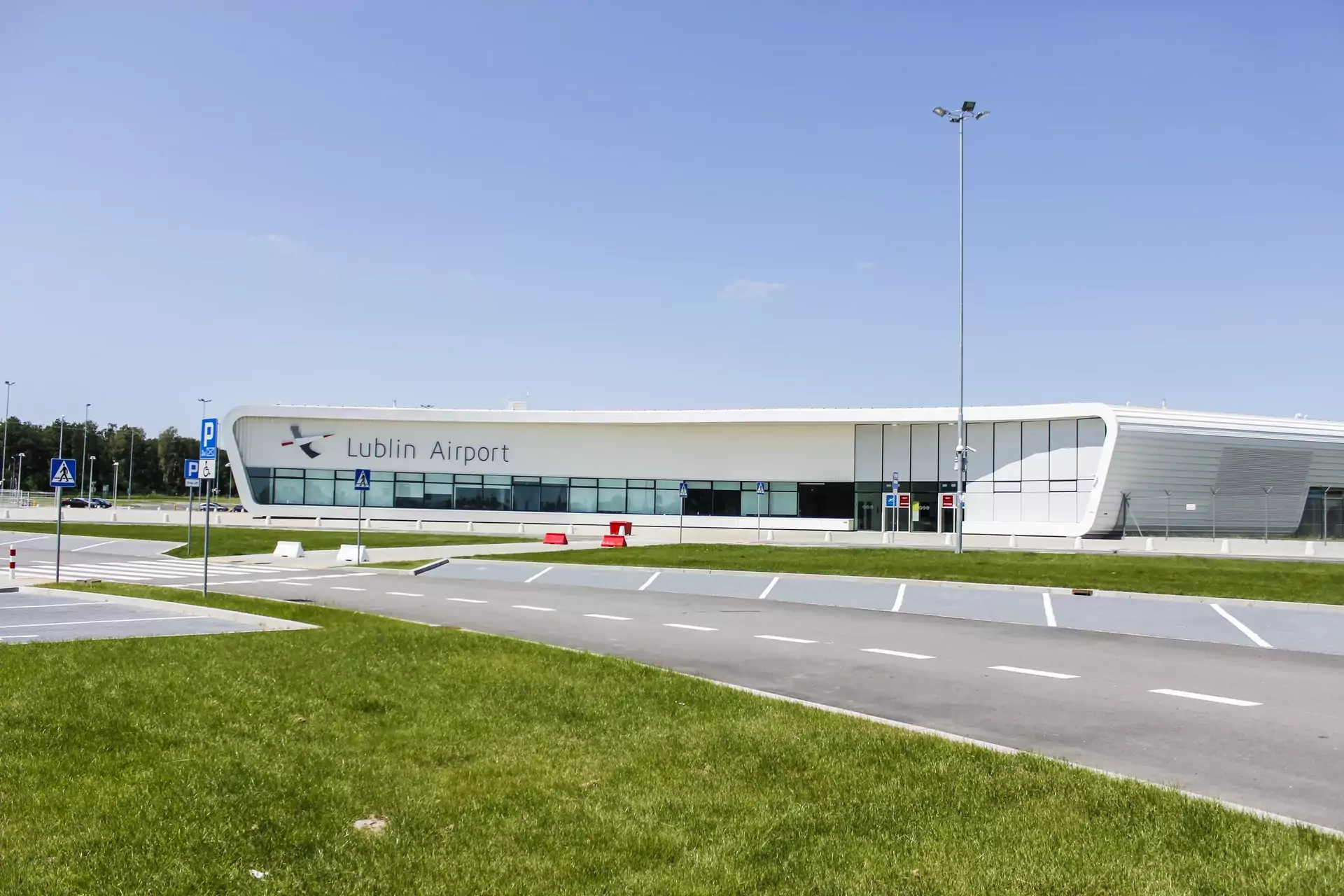
Several other airports round out Poland’s air infrastructure, each catering to particular types of traffic or regions. Katowice International Airport in Upper Silesia is noted for its strong charter and low-cost offering, with significant Wizz Air presence and holiday flights to southern Europe and the Middle East. Poznań-Ławica Airport, Lublin Airport and Rzeszów-Jasionka Airport provide essential regional links, serving growing business destinations and connecting the country’s east and west to international networks. Many of these airports have seen significant investment, expanding their terminals and improving ground connections to offer an increasingly seamless experience for travelers. This dispersion of air traffic across multiple hubs means visitors to Poland can easily access key cities, UNESCO sites and scenic countryside, regardless of where their journey begins.