







Was this page helpful?

These place ratings give you a quick overview of how well a destination matches different types of trips.
‘Best for’ scores:
The specific interest scores show where this place really shines – whether it's ideal for hiking, food & drink experiences, museums or other activities. These highlights help you understand what makes the destination special at a glance.
‘Your personal’ scores:
This reflects how well a place matches your personal preferences. You can adjust the importances of travel topics or other personal requirements categories in your account settings.
‘Suited for’ badges:
These give you a quick overview of how well a destination suits specific types of travellers, to help you find the places that match your lifestyle, preferences or travel situation.
| Power Grid: |
230 V, 50 Hz Plug: Type D , Type G
Type D:
  Read about power adapters |
|---|---|
| Currency: |
Tanzanian Shilling (TZS) £1 ≈ TZS 3,520.45 |
| Cashless info: |
Rating 3/5
Cashless payments are becoming more common in Tanzania’s larger cities, but cash is still the most widely accepted form of payment. Credit cards are accepted in some establishments.
Save with a travel credit card |
| eSIM providers: |
Best value: Saily Flexibility: Airalo Read our in-depth comparison |
| Tipping: | Tipping is appreciated in Tanzania, typically around 5-10% in restaurants. Taxi fares should be rounded up, and small tips for hotel staff are common. |
|---|---|
| Public drinking: | Public drinking is not common in Tanzania, and alcohol is typically consumed in licensed venues like restaurants and bars. |
| Public smoking: | Smoking is allowed in outdoor public spaces and designated indoor areas. Many restaurants and public spaces have non-smoking sections. |
| Independence Day (9 December) |
Celebrates Tanzania’s independence from British colonial rule |
|---|---|
| Saba Saba (7 July) |
Industry Day |
| Emergency contact: | Emergency Number: 112 |
|---|---|
| Taxi apps: | Uber, Bolt |
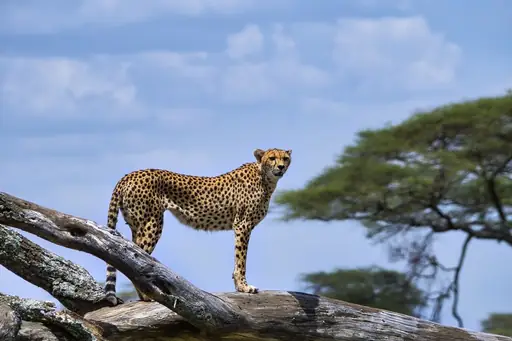
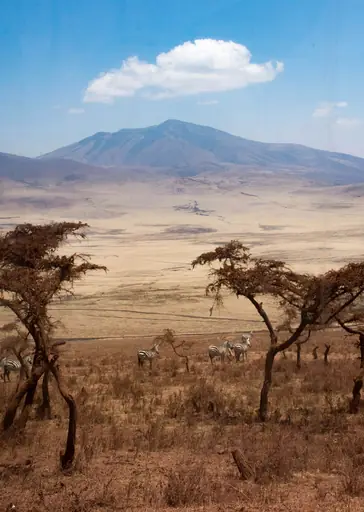
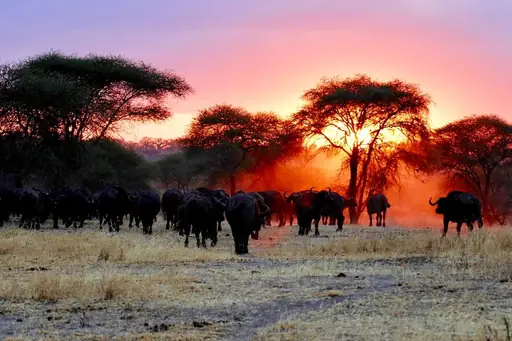
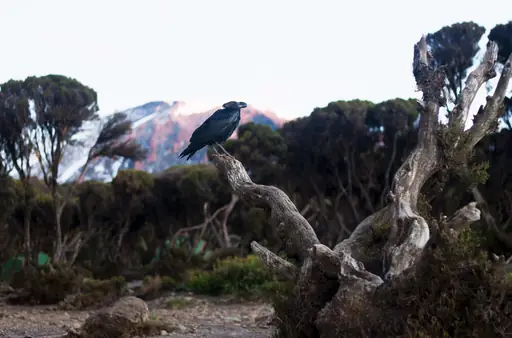
| Other: | Tanzania is famous for its stunning wildlife, including safaris and Mount Kilimanjaro. The coast also offers beautiful beaches, particularly around Zanzibar. |
The best times to travel section shows how the months compare for a visit, so you can find the time of year that fits what you want to do.
Background colours of the months:
The colour shows the typical temperature: yellow (hot), green (mild) and blue (cold). How strong the colour is shows the travel season: full colour means high season, soft colour means shoulder season and soft-striped means off season.
Weather symbols:
Each month has one symbol showing what the weather is typically like, such as hot and sunny, freezing or a rainy or snowy season. Use them to quickly spot months that match the weather you want, or to avoid the ones that don't.
Crowdedness:
The people icon shows how busy the place usually is. The more people, the more crowded it gets.
Additional notes:
The grey info boxes point out special things worth knowing, like recurring weather issues or seasonal events.
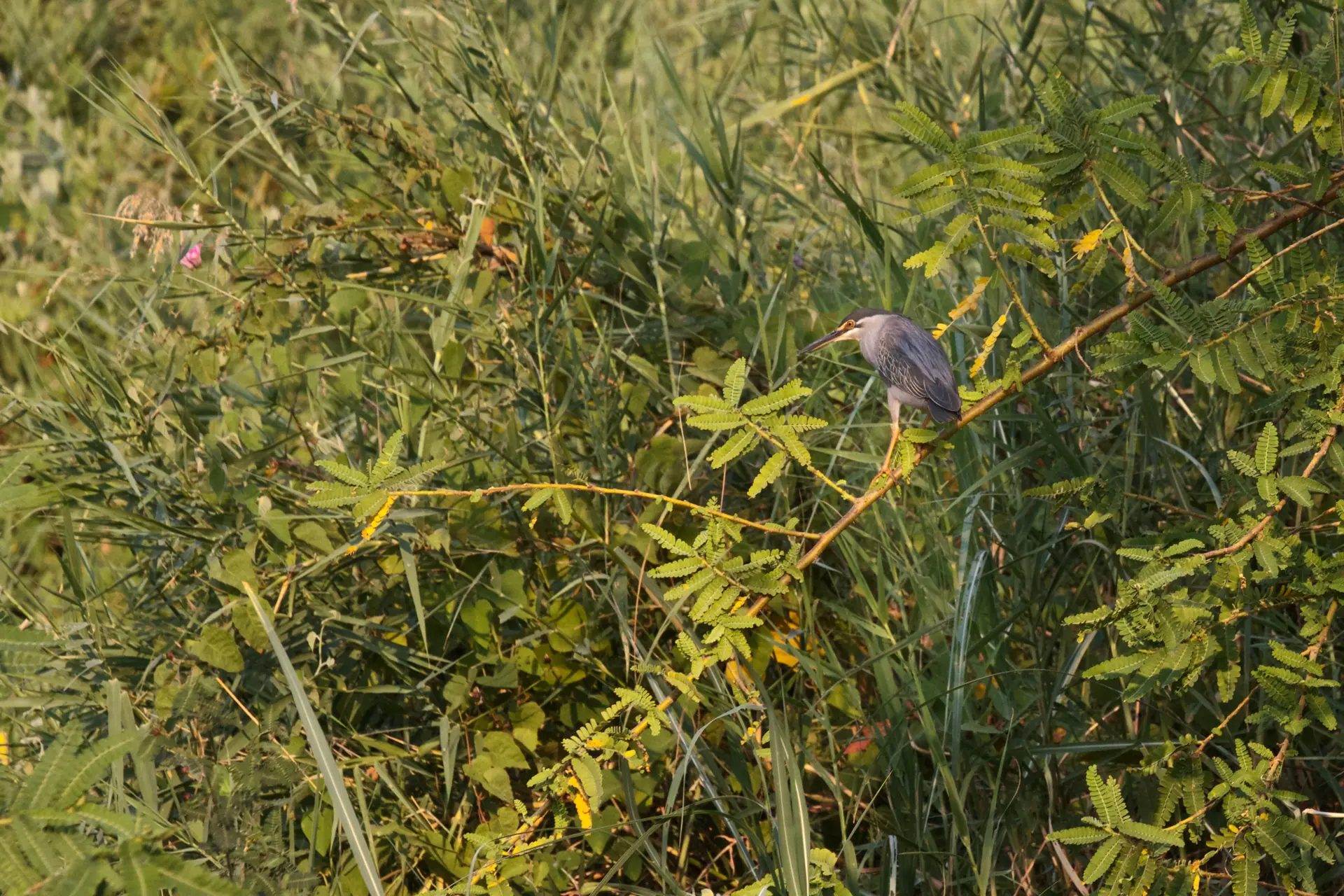
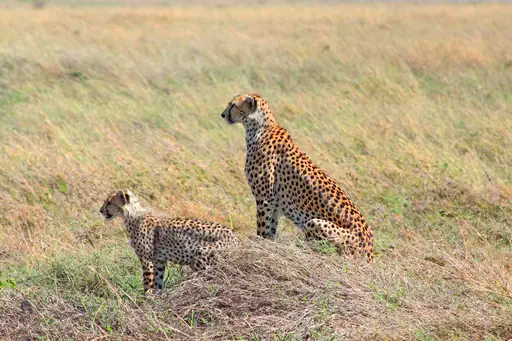
Gombe Stream National Park, located in Tanzania’s western highlands, offers a unique blend of ecological significance and cultural heritage that makes it an appealing destination for travelers interested in wildlife, conservation and history. The park is best known as the site where Jane Goodall first studied chimpanzees and visitors can still observe these primates in their natural habitat along well-maintained trails. Beyond the chimpanzee encounters, Gombe’s diverse landscapes include dense forests, open woodlands and riverine areas that support a variety of bird species, reptiles and mammals such as bushbucks and colobus monkeys. The park’s relatively small size – about 30 square kilometers – allows for manageable day hikes while still providing ample opportunities to see wildlife. Guided tours are available in multiple languages, offering insights into the park’s ecological dynamics and conservation efforts. For those interested in cultural experiences, nearby villages provide a glimpse of local traditions and ways of life that have coexisted with the forest for generations. Travelers can combine a visit to Gombe with other regional attractions such as Lake Tanganyika or the Serengeti, creating a well-rounded itinerary that balances wildlife observation with broader Tanzanian landscapes. The park’s moderate climate during the dry season (June to October) makes it an ideal time for trekking and photography, ensuring comfortable conditions while maximizing wildlife sightings.
Gombe Stream National Park in Tanzania is accessible primarily by air or road from Dar es Salaam, the country’s largest city. The nearest airport is Kilimanjaro International Airport (JRO), located about 150 km away, with domestic flights available to nearby airports such as Mwanza or Kigoma. From these points, travelers can arrange a drive or take a local boat to reach the park via Lake Tanganyika. Road travel from Dar es Salaam takes approximately 4–5 hours by car, depending on conditions. Alternatively, chartered flights or guided transfers are available through tour operators for direct access. The park’s remote location emphasizes its preservation as a sanctuary for chimpanzees and diverse wildlife.
In the vicinity of Gombe Stream National Park, lodging ranges from modest eco‑campsites to upscale lodges that blend conservation with comfort. Budget travelers often choose community-run camps offering basic tents and shared facilities, typically costing around TZS 78,000 – 130,000 (£22.11 – 36.85) per night, while mid‑range options include semi‑private bungalows equipped with solar power and local cuisine for roughly TZS 208,000 – 312,000 (£58.97 – 88.45). For those seeking luxury, boutique lodges provide spacious suites, guided wildlife tours and gourmet meals, with rates between TZS 650,000 (£184.27) and TZS 1,040,000 (£294.84) per night. The area is renowned for its “back‑to‑nature” accommodations that emphasize minimal environmental impact, allowing guests to experience the park’s primate research heritage while staying in sustainably designed shelters.
We calculate the average costs when travelling to destinations and compare those with the living costs at your home. With this you can get an estimate of how expensive or cheap the destination is for you.
To customise this, you can set up which location and price level are used for the calculations in your account settings.
The exchange rate price factor shows how expensive or cheap a currency currently is compared to its historical average. It's a quick way to see if a country is currently more or less affordable due to exchange rate changes.
To help you plan your trip, we provide estimated daily costs per person (when travelling as a pair) for different travel styles. These numbers give you an idea of what you might spend each day at this destination, including accommodation, food, transport and activities.
Additionally, we also provide average hotel costs for different travel styles to give you an estimate for the accommodation only.
Please note that these are only estimates. The real costs depend on booking times, season and other factors.
Travel style categories explained:
Backpacker:
Staying in hostels or budget hotels, cooking your own meals or eating cheap and choosing low-cost activities.
Mid-range:
Staying in mid-range hotels, eating at a mix of restaurants and casual spots and enjoying a variety of activities.
Luxury:
Staying in luxury hotels, dining out at high-end restaurants and enjoying premium experiences without worrying about the price.
| Backpacker | Mid-range | Luxury | |
|---|---|---|---|
| 💵 Total costs per day, including accommodation | |||
| 🏨 Accommodation per night, per person | |||
| 🍝 Food per day | |||
| 🚕 Transportation per day |
| 🍽️ Restaurant Dinner, per person | |
|---|---|
| 🍛 Lunch Set, per person | |
| 🍟 Fast food combo | |
| 🍝 Preparing your own food, per day | |
| ☕ Cappuccino | |
| 🍺 Beer in a restaurant, 0.5 l |
| 🚌 Public transport ticket | |
|---|---|
| 🚕 Taxi Ride, 10 km / 6 mi | |
| ⛽ Petrol, 1 l |
| 🎞️ Cinema ticket | |
|---|---|
| 👩⚕️ Doctor's consult | |
| 🤧 Cold medication | |
| 💇 Basic haircut |
Log in to add this place to a travel list and get a summary of all recommended items for your whole trip.
