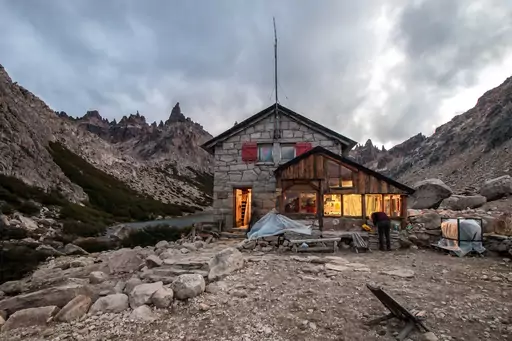
San Carlos de Bariloche climate data

San Carlos de Bariloche features a cool, sub-oceanic climate with cold, snowy winters and mild, sunny summers. The city experiences four distinct seasons, dramatic temperature swings, and moderate to high rainfall, especially in autumn and winter. Bariloche’s lakeside and mountain setting provides a picturesque backdrop for year-round outdoor activities and seasonal contrasts.

Best times to travel

The best times to travel section shows how the months compare for a visit, so you can find the time of year that fits what you want to do.

Background colours of the months:
The colour shows the typical temperature: yellow (hot), green (mild) and blue (cold). How strong the colour is shows the travel season: full colour means high season, soft colour means shoulder season and soft-striped means off season.

Weather symbols:
Each month has one symbol showing what the weather is typically like, such as hot and sunny, freezing or a rainy or snowy season. Use them to quickly spot months that match the weather you want, or to avoid the ones that don't.

Crowdedness:
The people icon shows how busy the place usually is. The more people, the more crowded it gets.

Additional notes:
The grey info boxes point out special things worth knowing, like recurring weather issues or seasonal events.

for San Carlos de Bariloche, Argentina
☀️
Jan
☀️
Feb
☀️
Mar
🌤️
Apr
🌦️
May
⛈️
Jun
⛈️
Jul
🌦️
Aug
🌤️
Sep
☀️
Oct
☀️
Nov
☀️
Dec
High season: Jan. - Feb., July - Aug., Dec.
Shoulder season: March - April, June, Sep., Nov.
Crowdedness: 7 (Many tourists)
Tap on a month for more info Hover over a month for more info
Ski season at Cerro Catedral runs mid June to early October, best July to August
Argentine school holidays in July and from January to February are busiest and most expensive
National Chocolate Festival takes place around Easter

The climate of San Carlos de Bariloche

Bariloche’s climate is shaped by its Patagonian location and elevation (about 790 metres), resulting in clear seasonal contrasts. Summers (December–February) are mild and sunny, with average highs of 20–22°C and lows of 6–8°C. Days are long, with up to 15 hours of daylight and 10–11 hours of sunshine, while rainfall is at its lowest (25–35 mm/month). Nights can be cool, and winds from the southwest are common, making evenings brisk even in summer. The lake remains chilly, but beaches and outdoor activities are popular.

Winters (June–August) are cold and snowy, with average highs of 4–7°C and lows near –1 to –2°C. Snowfall is frequent, especially in July and August, and the city is a hub for skiing and winter sports. Winter days are short, with just 4 hours of sunshine and 9–10 hours of daylight. Rain and snow are most abundant in these months (up to 130 mm/month), and humidity can reach 80–86%. Spring (September–November) and autumn (March–May) are transitional, with variable weather, blooming wildflowers or colourful foliage, and average highs from 10–17°C. Rainfall increases in autumn, and winds can be brisk, especially in October and November. Annual precipitation ranges from 800 to 1,000 mm, mostly falling in autumn and winter. Winds are generally moderate (15–20 km/h), and humidity averages 55–75% through the year.

Average climate data for San Carlos de Bariloche, Argentina
Month Jan Feb Mar Apr May Jun Jul Aug Sep Oct Nov Dec Year
Average maximum temperature (°C) 22 22 19 15 10 7 7 8 11 14 17 20 22
Average minimum temperature (°C) 7 6 4 2 1 -1 -1 -1 -0 1 4 6 -1
Average precipitation (mm) 33 35 57 79 154 179 169 132 79 49 45 47 1,057
Average rainfall days (days) 5 5 6 8 14 14 15 13 10 8 6 5 109
Average daily daylight hours (h) 14 13 12 11 9 9 9 10 11 13 14 15 12
Average daily sunshine hours (h) 11 10 8 6 4 4 4 5 6 8 10 11 7
Average UV index 11 10 7 4 2 1 2 3 4 7 9 12 6

Travel info

  • Summer (Dec–Feb): Mild and sunny (6–22°C), with long days, cool nights, and little rain. Pack layers, sun protection, and a jacket for evenings. Ideal for hiking, kayaking, and lakeside relaxation.
  • Autumn (Mar–May): Cool (2–15°C), with colourful foliage and increasing rain. Bring warm layers, a rain jacket, and sturdy shoes. Great for scenic drives, hearty Patagonian cuisine, and fewer crowds.
  • Winter (Jun–Aug): Cold and snowy (–2 to 7°C), with frequent frost, snow, and short days. Pack thermal layers, waterproof boots, and sunglasses for bright, snowy days. Perfect for skiing and winter sports at Cerro Catedral.
  • Spring (Sep–Nov): Chilly to mild (1–17°C), with blooming wildflowers, variable weather, and brisk winds. Layered clothing and a windproof jacket are recommended. Enjoy hiking, boat trips, and lower prices.
  • General Tips: Bariloche’s weather is changeable – always check the forecast. Carry sun protection year-round, as UV levels are high, and pack for both sun and rain, especially in spring and autumn.

The best time to visit San Carlos de Bariloche

The best time to visit Bariloche is from December to March, when temperatures are mild (15–22°C), days are long and sunny, and rainfall is minimal. This period is perfect for hiking, lake activities, and exploring the surrounding national parks. Late spring and early autumn (November, March) also offer pleasant weather and fewer crowds.

The worst time to visit San Carlos de Bariloche

The least favourable time to visit is from May to September, when Bariloche is coldest, days are shortest, and rain and snow are most frequent. While winter is ideal for skiing, outdoor activities can be limited by chilly, damp, and unpredictable weather, and some hiking trails may be inaccessible.

Frequently asked questions

What is the climate like in Bariloche year-round?

Bariloche has a cool, sub-oceanic climate with cold, snowy winters and mild, sunny summers. Spring and autumn are variable, with moderate rainfall and dramatic changes in temperature and daylight.

How hot does it get in Bariloche during summer?

Summer temperatures in Bariloche typically reach 20–22°C, with occasional peaks above 28°C. Nights are cool (6–8°C), and humidity is moderate, making the weather comfortable for outdoor activities.

Does it snow in Bariloche?

Yes, snow is common in Bariloche from June to September, especially in July and August. The city is a popular winter sports destination, with frequent snowfalls and frosty nights.

When is the rainiest season in Bariloche?

Rain and snow are most frequent in autumn and winter (April–August), with monthly precipitation up to 130 mm. Summer is much drier, with just 25–35 mm of rain per month.

How much sunshine does Bariloche get?

Bariloche enjoys up to 11 hours of sunshine per day in summer and just 4 hours in winter. Annual sunshine averages about 1,900–2,000 hours, with long daylight in summer and short days in winter.

What should I pack for Bariloche’s weather?

Pack layers, sun protection, and a jacket for cool evenings in summer. In winter, bring thermal clothing, waterproof boots, and sunglasses for snowy days. Always have rain gear and prepare for sudden weather changes.

Is Bariloche windy or humid?

Bariloche is moderately windy, especially in spring and summer, with average speeds of 15–20 km/h. Humidity averages 55–75%, highest in winter and lowest in summer.

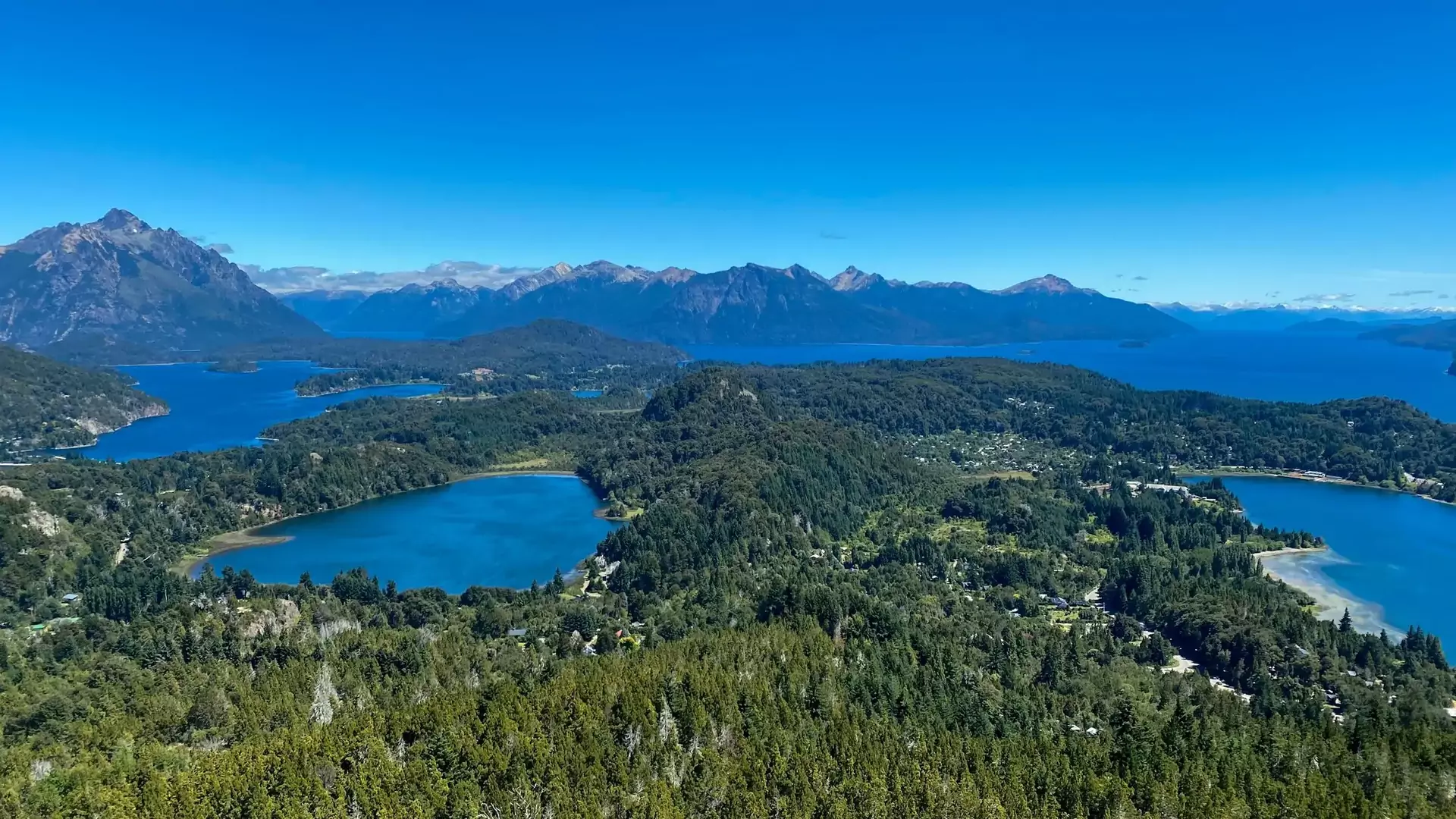
Minimum and maximum temperatures in San Carlos de Bariloche

The warmest month, with the highest average maximum temperature, is January (22 °C). The month with the lowest average maximum temperature is July (7 °C). Overall, the average maximum temperature over the whole year is 14.3 °C.

The month with the highest average minimum temperature is January (7.1 °C). The coldest month, with the lowest average minimum temperature, is July (-1 °C). Overall, the average minimum temperature over the whole year is 2.4 °C.

Rainfall amount in San Carlos de Bariloche

The wettest month, with the highest amount of precipitation, is June (179.5 mm). The driest month, with the least amount of precipitation, is January (32.5 mm). Over the whole year there are 1,056.8 mm of rainfall on average.

Rainfall days in San Carlos de Bariloche

The month with the most days of rain is July (15.1 days). The month with the fewest days of rain is December (5 days). Over the whole year there are 109.1 days of rain on average.

Daylight hours and sunshine hours in San Carlos de Bariloche

The month with the longest days, so the most daylight, is December (Average daylight: 15 h). The month with the shortest days, so the least daylight, is June (Average daylight: 9 h). Over the whole year there are 11.7 h of daylight per day on average.

The month with the most sunshine per day is January (Average sunshine: 11.1 h). The month with the least sunshine per day is July (Average sunshine: 4 h). Over the whole year there are 7.2 h of sunlight per day on average.

UV index in San Carlos de Bariloche

The month with the highest average UV index is December (UV index: 12). The month with the lowest average UV index is June (UV index: 1). Over the whole year the average UV index is 6.

Was this page helpful?
Feedback