Jérémy Toma, CC BY-SA 4.0, via Wikimedia Commons
Europe › Switzerland › Montreux › Climate

Montreux climate data

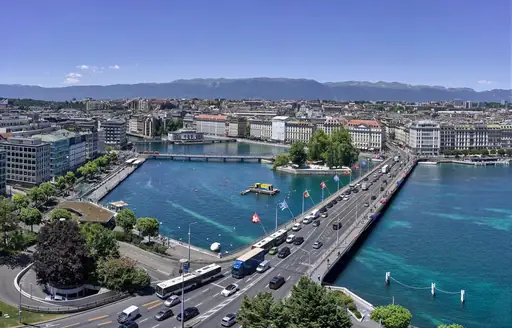
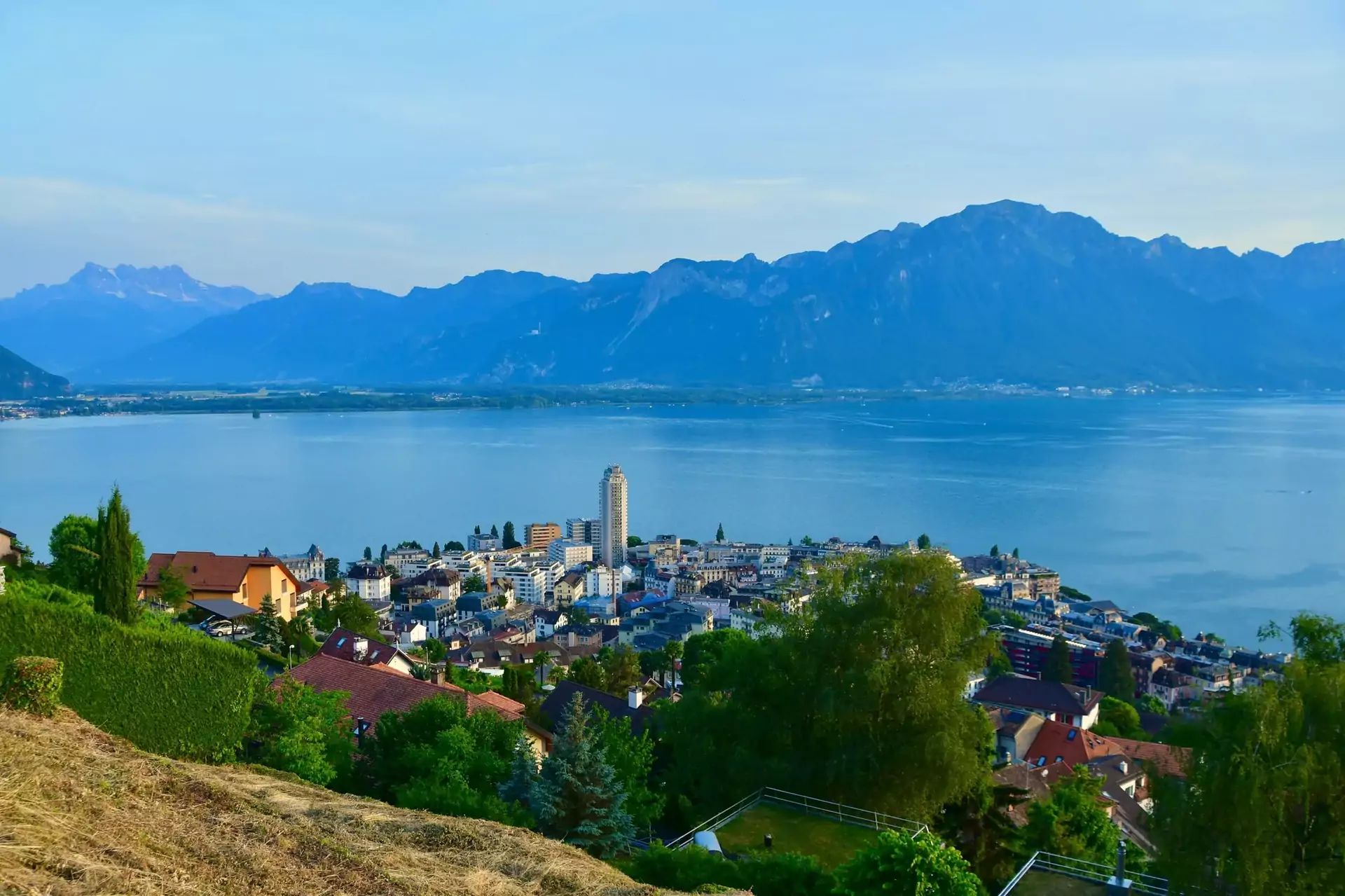
Montreux, nestled on the shores of Lake Geneva and framed by the Alps, enjoys a temperate climate with four distinct seasons. Summers are warm and sunny, while winters are cold and often snowy. The city experiences rainfall year-round, lush greenery, and dramatic seasonal changes, making it a picturesque destination for outdoor activities and cultural events.

Best times to travel

The best times to travel section shows how the months compare for a visit, so you can find the time of year that fits what you want to do.

Background colours of the months:
The colour shows the typical temperature: yellow (hot), green (mild) and blue (cold). How strong the colour is shows the travel season: full colour means high season, soft colour means shoulder season and soft-striped means off season.

Weather symbols:
Each month has one symbol showing what the weather is typically like, such as hot and sunny, freezing or a rainy or snowy season. Use them to quickly spot months that match the weather you want, or to avoid the ones that don't.

Crowdedness:
The people icon shows how busy the place usually is. The more people, the more crowded it gets.

Additional notes:
The grey info boxes point out special things worth knowing, like recurring weather issues or seasonal events.

for Montreux, Switzerland
🌦️
Jan
❄️
Feb
🌦️
Mar
🌦️
Apr
🌦️
May
🌦️
Jun
🌦️
Jul
🌦️
Aug
☀️
Sep
☀️
Oct
🌤️
Nov
🌦️
Dec
High season: May - Sep., Dec.
Shoulder season: April, Oct.
Crowdedness: 7 (Many tourists)
Tap on a month for more info Hover over a month for more info
Montreux Jazz Festival early to mid July, hotels book out months ahead and prices peak
Christmas market late November to 24 December, busiest at weekends
Lake Geneva boats run a full schedule roughly April to October, reduced service in winter

The climate of Montreux

Montreux’s climate is classified as temperate oceanic, influenced by both Lake Geneva and the surrounding Alps. Summers (June to August) are warm and pleasant, with average daytime highs of 22–25°C and nights cooling to 13–15°C. July is the warmest and sunniest month, offering up to 8–9 hours of sunshine per day. This period is ideal for lakeside activities, hiking, and the renowned Montreux Jazz Festival. Rainfall is moderate but can occur as brief showers or thunderstorms, with July and August receiving 106–116 mm of precipitation each.

Winters (December to February) are cold, with average highs of 3–6°C and lows dipping to -2 to -5°C. Snow is common, particularly in January and February, though it rarely accumulates for long at lake level. The surrounding mountains, however, are often blanketed in snow, providing a scenic backdrop and opportunities for winter sports nearby. Sunshine is limited in winter, with just 2–3 hours per day, and rainfall remains consistent, averaging 75–95 mm per month. Spring (March to May) and autumn (September to November) are transitional, with mild temperatures (10–19°C), frequent rain, and fewer tourists. Montreux receives about 1,000–1,200 mm of precipitation annually, and the lush vegetation along the lakeside promenade is a testament to its moist climate. Winds are generally light, but can be brisk during storms, especially in autumn and winter. The city enjoys around 1,600–1,700 hours of sunshine per year, with long daylight hours in summer and short days in winter.

Average climate data for Montreux, Switzerland
Month Jan Feb Mar Apr May Jun Jul Aug Sep Oct Nov Dec Year
Average maximum temperature (°C) 1 1 5 10 13 17 20 20 16 12 6 2 20
Average minimum temperature (°C) -7 -7 -3 1 4 8 9 9 6 3 -1 -5 -7
Average precipitation (mm) 102 88 103 78 144 129 117 107 54 72 95 131 1,218
Average rainfall days (days) 15 15 17 21 24 23 21 19 17 13 16 16 216
Average snowfall (mm) 150 142 79 21 9 0 0 0 1 6 40 115 563
Average snowfall days (days) 8 9 5 1 0 0 0 0 0 0 3 6 31
Average relative humidity (%) 87 86 87 81 83 80 77 77 81 77 82 82 82
Average wind speed (km/h) 9 9 9 8 8 7 7 7 7 7 8 9 8
Average daily daylight hours (h) 9 10 11 13 15 15 15 14 12 10 9 8 12
Average daily sunshine hours (h) 5 6 7 9 9 10 10 10 8 7 5 5 8
Average cloud coverage (%) 41 41 42 38 41 38 34 31 32 32 39 41 38
Average UV index 2 2 2 3 3 4 4 4 3 3 2 2 3

Travel info

  • Spring (March–May): Mild and increasingly sunny, with highs from 10–19°C. Rain is frequent, especially in April and May. Ideal for lakeside walks, exploring gardens, and enjoying fewer crowds.
  • Summer (June–August): Warm, sunny, and lively, with highs of 22–25°C. Perfect for festivals, swimming, hiking, and cruises on Lake Geneva. Occasional thunderstorms – pack light clothing and a rain jacket.
  • Autumn (September–November): Pleasant in September (up to 19°C), cooling to 10°C by November. Rainfall increases, and days shorten. Early autumn is excellent for vineyard visits and lakeside hikes.
  • Winter (December–February): Cold and often snowy, with highs of 3–6°C and lows down to -5°C. Great for Christmas markets and nearby winter sports. Dress warmly and bring waterproof boots.
  • General tips: Weather can change quickly – dress in layers and always carry rain gear. Summer is peak season, so book accommodation early. Evenings by the lake can be cool year-round.

The best time to visit Montreux

The best time to visit Montreux is from June to September, when the weather is warm, days are long, and outdoor activities abound. July is especially popular for the Montreux Jazz Festival and lakeside events. Early autumn (September) offers mild weather, beautiful vineyard scenery, and fewer crowds.

The worst time to visit Montreux

The least favourable time to visit Montreux is from November to February, when temperatures are lowest, days are shortest, and rainfall or snow is frequent. While winter brings festive markets and nearby skiing, outdoor activities in town are limited by cold, damp, and occasionally gloomy weather.

Frequently asked questions

What is the climate like in Montreux year-round?

Montreux has a temperate oceanic climate with warm, sunny summers and cold, often snowy winters. Rain falls throughout the year, and the city enjoys lush greenery and dramatic seasonal changes.

When is the best time to visit Montreux?

The best time to visit is from June to September, when temperatures are warm, rainfall is moderate, and outdoor festivals and activities are in full swing. July is ideal for music lovers attending the Montreux Jazz Festival.

Does it snow in Montreux?

Yes, snow is common in Montreux during winter, especially from December to February. Snow rarely accumulates for long at lake level, but the nearby mountains are often covered, offering beautiful views and winter sports.

How much does it rain in Montreux?

Montreux receives about 1,000–1,200 mm of precipitation annually, with rain or snow possible in any month. July and August are the wettest months, while March and April are slightly drier.

How hot does it get in Montreux during summer?

Summer daytime highs in Montreux typically reach 22–25°C, with July and August being the warmest months. Nights are comfortably cool, and heatwaves above 30°C are rare but possible.

What should I pack for a trip to Montreux?

Pack layers, a rain jacket, and comfortable walking shoes. In summer, bring light clothing and sun protection. In winter, dress warmly and bring waterproof boots for snow or rain.

Is Montreux suitable for outdoor activities year-round?

Yes, but the best conditions are from late spring to early autumn. Summer is perfect for lakeside fun, hiking, and festivals, while winter offers nearby skiing and Christmas markets, though weather can be cold and damp.

Minimum and maximum temperatures in Montreux

The warmest month, with the highest average maximum temperature, is July (19.8 °C). The month with the lowest average maximum temperature is January (0.6 °C). Overall, the average maximum temperature over the whole year is 10.1 °C.

The month with the highest average minimum temperature is July (9.3 °C). The coldest month, with the lowest average minimum temperature, is February (-7.2 °C). Overall, the average minimum temperature over the whole year is 1.4 °C.

Rainfall amount in Montreux

The wettest month, with the highest amount of precipitation, is May (143.6 mm). The driest month, with the least amount of precipitation, is September (54 mm). Over the whole year there are 1,218.1 mm of rainfall on average.

Rainfall days in Montreux

The month with the most days of rain is May (23.5 days). The month with the fewest days of rain is October (13.3 days). Over the whole year there are 215.9 days of rain on average.

Snowfall amount in Montreux

The month with the most snowfall is January (149.8 mm). The months with the least snowfall are June, July and August (0 mm). Over the whole year there are 563.1 mm of snowfall on average.

Snowfall days in Montreux

The month with the most days of snowfall is February (8.7 days). The months with the fewest days of snowfall are June and July (0 days). Over the whole year there are 31.3 days of snowfall on average.

Relative humidity in Montreux

The month with the highest average relative humidity is March (87.2 %). The month with the lowest average relative humidity is August (77.1 %). The overall average relative humidity over the whole year is 81.8 %.

Wind speed in Montreux

The windiest month, with the highest average wind speed, is December (9.2 km/h). The calmest month, with the lowest average wind speed, is August (6.6 km/h). The overall average wind speed over the whole year is 7.8 km/h.

Cloud coverage in Montreux

The month with the cloudiest skies, so the highest cloud coverage, is March (42.4 %). The month with the clearest skies, so the lowest cloud coverage, is August (30.6 %). Over the whole year there is an average cloud coverage of 37.6 %.

Daylight hours and sunshine hours in Montreux

The month with the longest days, so the most daylight, is June (Average daylight: 15.1 h). The month with the shortest days, so the least daylight, is December (Average daylight: 8.1 h). Over the whole year there are 11.8 h of daylight per day on average.

The month with the most sunshine per day is July (Average sunshine: 10 h). The month with the least sunshine per day is December (Average sunshine: 5 h). Over the whole year there are 7.6 h of sunlight per day on average.

UV index in Montreux

The months with the highest average UV index are June, July and August (UV index: 4). The months with the lowest average UV index are January, February, March, November and December (UV index: 2). Over the whole year the average UV index is 2.8.

Was this page helpful?
Feedback