Back to grid

Stunning national parks and wilderness areas in Oceania

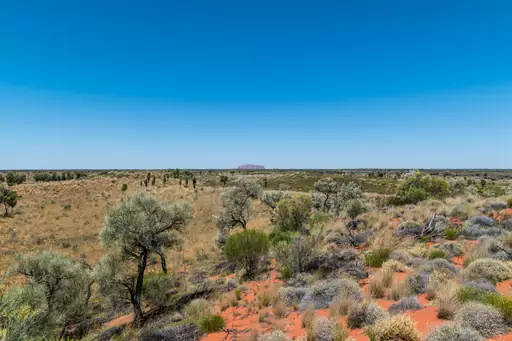
Uluṟu-Kata Tjuṯa National Park
Sacred Red Rock and Majestic Domes
8.4
Most of Uluru's 348 metre bulk lies below ground. Kata Tjuta has 36 domes. Anangu are the traditional owners of the park. Tjukurpa is their law, knowledge, religion and philosophy. Climbing has been banned since October 2019. The park covers 1,326 square kilometres and UNESCO listed it in 1987.
Highlights:
  • 🌅 Experience Uluru’s mesmerizing sunset color changes
  • 🥾 Hike the Valley of the Winds trail at Kata Tjuta
  • 🪨 Walk the base trail around the sacred Uluru rock
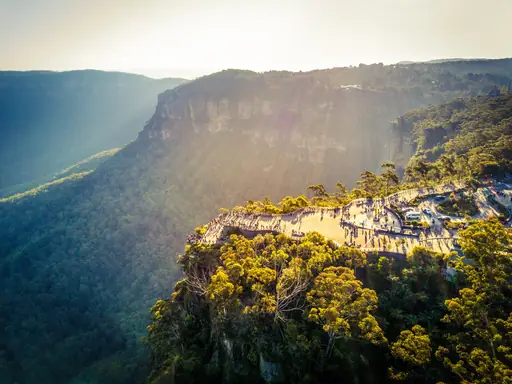
Blue Mountains National Park
Majestic Views and Untamed Nature
7.7
The park lies about 80 kilometres west of Sydney. It covers about 2,680 square kilometres. The Katoomba Scenic Railway is described as the world's steepest railway. UNESCO inscribed the Greater Blue Mountains Area in 2000 with eight protected areas. Fog often covers much of the Jamison Valley seen from Echo Point.
Highlights:
  • 🥾 Hike the Wentworth Falls track for breathtaking views
  • 🚞 Ride the Scenic Railway through the stunning Jamison Valley
  • ⛰️ Admire the iconic Three Sisters rock formation at Echo Point
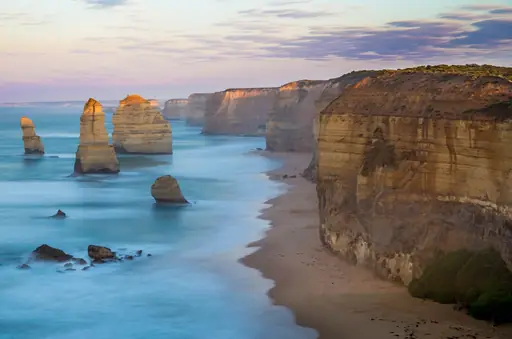
Twelve Apostles Marine National Park
Iconic Cliffs and Wild Ocean Wonders
7.9
Only nine stacks ever stood here despite the name. Seven remain after collapses in 2005 and 2009. The stacks reached up to 50 metres high. The marine national park covers 75 square kilometres and was declared in 2002. The clipper Loch Ard wrecked on Mutton Bird Island in 1878.
Highlights:
  • 🚶‍♂️ Walk along the elevated boardwalks at Gibson Steps
  • 🚁 Take a helicopter tour to see the Twelve Apostles from above
  • 🪨 View the iconic limestone stacks from the Great Ocean Road
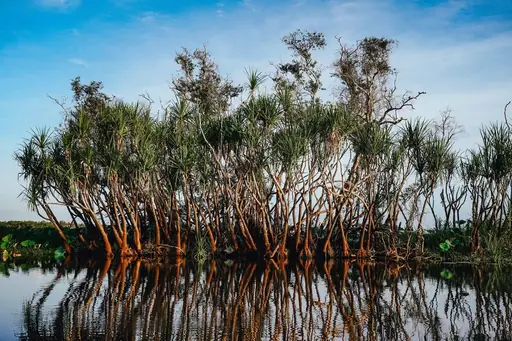
Kakadu National Park
Ancient Rock Art and Wild Wetlands
8.3
Rock paintings at Ubirr and other art sites are up to 20,000 years old. The park covers 19,804 square kilometres southeast of Darwin. Bininj and Mungguy people recognise as many as six seasons here. More than 280 bird species live in the park. Saltwater crocodiles can exceed six metres.
Highlights:
  • 🏞️ Take a challenging hike to Jim Jim Falls gorge
  • 🦅 Cruise the Yellow Water Billabong for crocs and birdlife
  • 🌄 Watch the sunset over Aboriginal rock art at Ubirr
Mount Cook National Park
New Zealand’s alpine wonderland
8.8
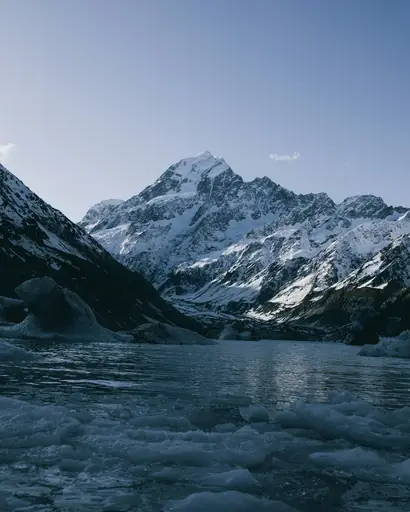
Aoraki rises to 3,724 metres and 40 percent of the park is glaciated. Nineteen peaks over 3,000 metres lie inside its boundary. The Hooker Valley Track is 10 kilometres return and takes about three hours. The Aoraki Mackenzie International Dark Sky Reserve was designated in June 2012. It covers 4,367 square kilometres.
Highlights:
  • 🛶 Kayak on Tasman Lake near the majestic Tasman Glacier
  • 🚁 Take a scenic helicopter ride above Mount Cook
  • 🥾 Hike the stunning Hooker Valley Track for glacier views
Tongariro National Park
Volcanic landscapes and epic hikes
8.1
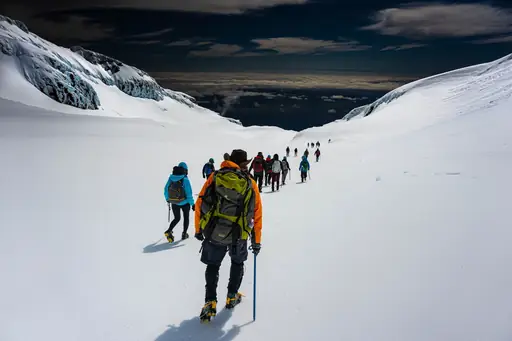
In 1887 Chief Te Heuheu Tūkino IV gave the volcanic peaks to the Crown. He asked that a protected area be established. It became the oldest national park in New Zealand. Ruapehu, Ngauruhoe and Tongariro are three active volcanoes at its centre. In 1993 it gained dual cultural and natural World Heritage status.
Highlights:
  • 💧 Relax by the vibrant Emerald Lakes along the trail
  • ⛰️ Climb to Red Crater for stunning panoramic views
  • 🥾 Hike the iconic Tongariro Alpine Crossing and witness volcanic craters
Fiordland National Park
New Zealand’s Wildest Water World
8.7
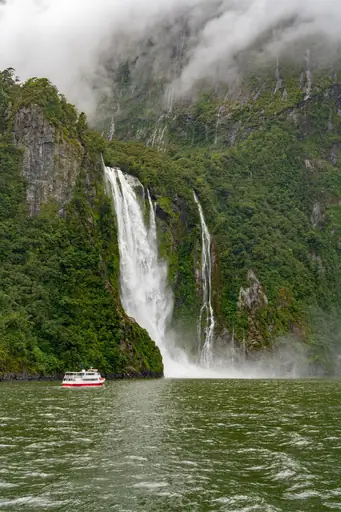
The largest of New Zealand's 13 national parks covers 12,607 square kilometres. Some of its 15 fiords reach about 40 kilometres inland. Rainfall tops seven metres a year in many parts. Takahē were rediscovered in the Murchison Mountains in 1948. UNESCO recognised the park in 1986.
Highlights:
  • 🪶 Scenic fly over dramatic fjords and hidden alpine lakes
  • 🥾 Hike the world-famous Milford Track through lush rainforest
  • 🛥️ Cruise through majestic Milford Sound and spot playful dolphins
Feedback