
Best street food destinations in South America
Best street food destinations in South America
Traditional food stalls and local street markets in South America
Fruit stands, grilled meat carts and stuffed pastries turn many South American streets into a running buffet, with no restaurant required at all.
Andean regions build much of their street food around potatoes and corn, still staples of daily eating after thousands of years of local farming. Coastal cities lean on fresh seafood instead, with ceviche stands and ocean caught snacks sold within steps of the water. Brazil adds its own street food identity, from fried pastries to acai bowls sold from small carts on nearly every corner. Prices remain low across most of the continent, making street food one of the easiest ways to eat well without spending much.
The street food destinations on our list for South America reflect that same everyday mix of tradition and easy, affordable eating.
Lists by region
Worldwide (212)
Africa (15)
Asia (128)
Europe (19)
North America (30)
Oceania (10)
South America (13)
City in Argentina
Buenos Aires
Where Tango and Culture Thrive
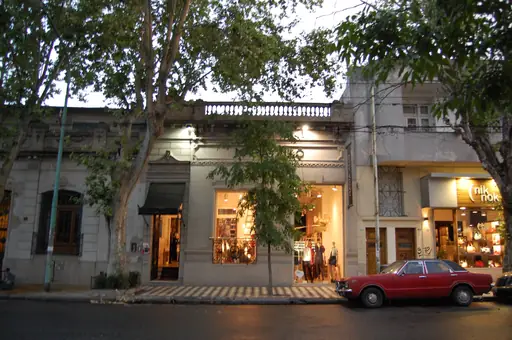
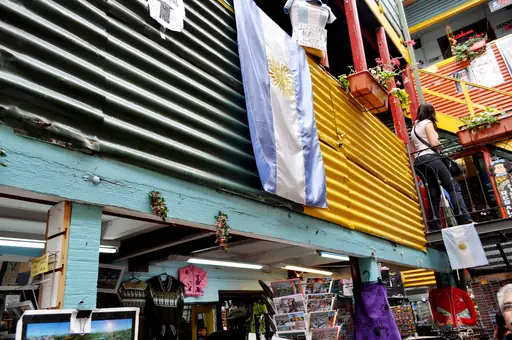
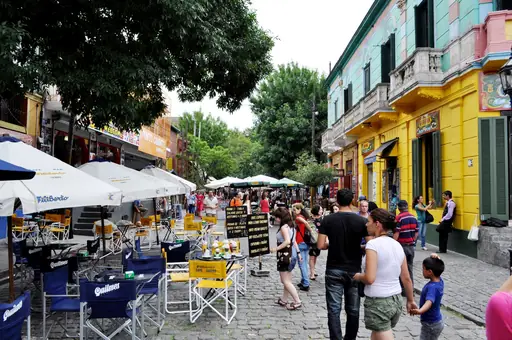
Italian and Spanish immigrants helped shape the food of this city from the late 1800s. Choripán, a grilled chorizo sandwich with chimichurri, is sold from stalls near the Costanera Sur nature reserve. San Telmo Sunday market has street food and antiques. Empanadas with beef, cheese or humita filling are sold at small shops.
City in Brazil
Salvador
Afro-Brazilian Soul on the Sea
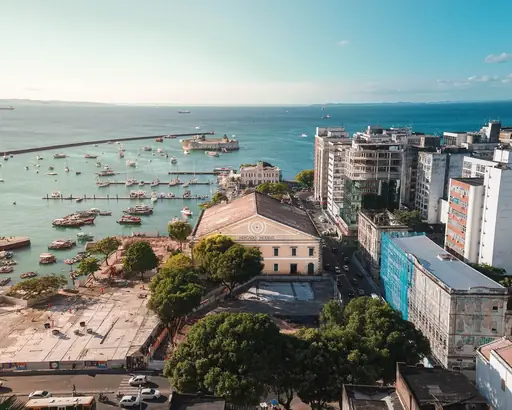
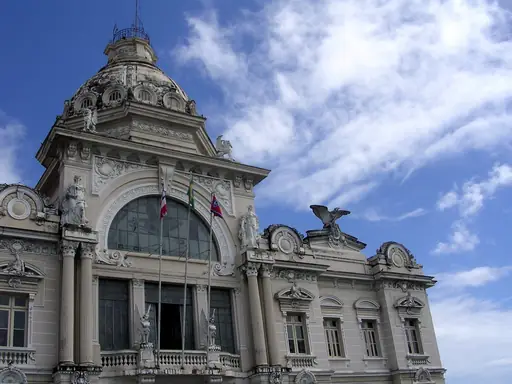
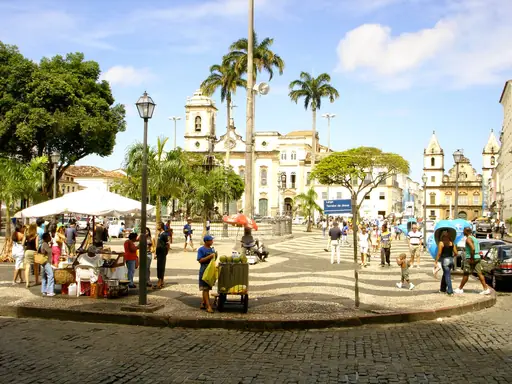
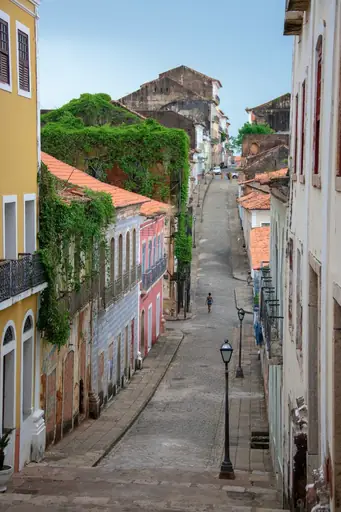
As the centre of Afro Brazilian culture in Bahia, this city has street food with strong African roots. Acarajé is a fried bean fritter filled with shrimp and sauces and sold by baianas in white dresses. The work of the baianas is protected as national cultural heritage. Frying uses dendê palm oil.
City in Colombia
Bogotá
Vibrant Culture in the Andean Highlands
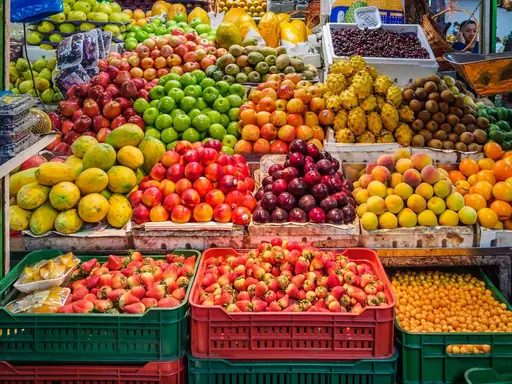
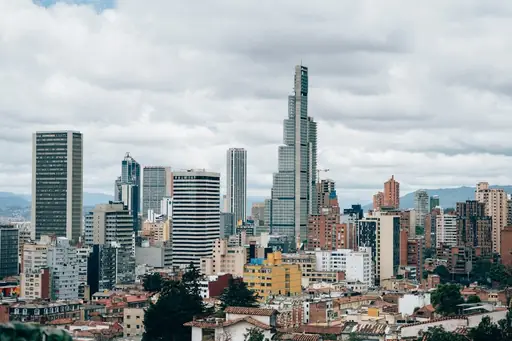
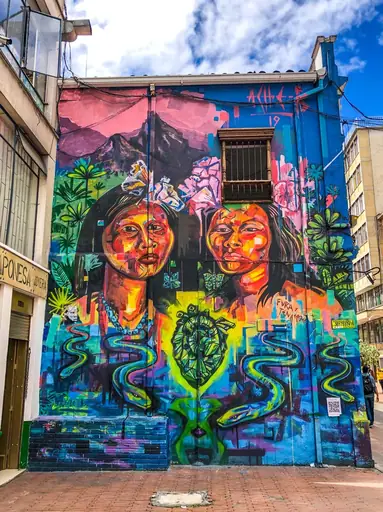
High in the Andes at about 2,600 metres, this capital is cool, so warm street snacks are popular. Vendors sell arepas, empanadas, tamales and sweet obleas filled with arequipe. Paloquemao Market has fruit stands with exotic fruits such as lulo, granadilla and curuba. Small cups of black coffee are sold from thermoses.
City in Argentina
Salta
Colonial Charm and Andean Landscapes
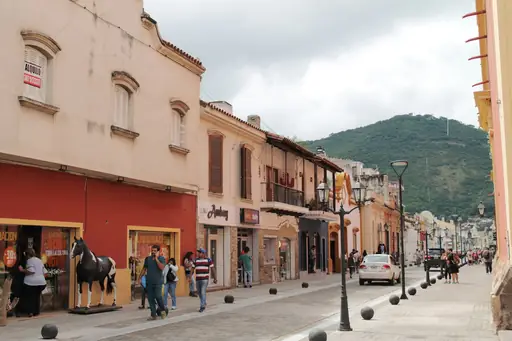
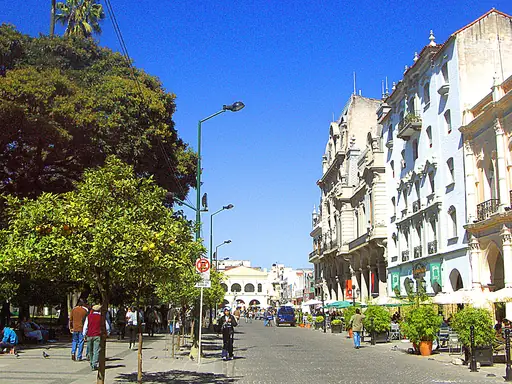
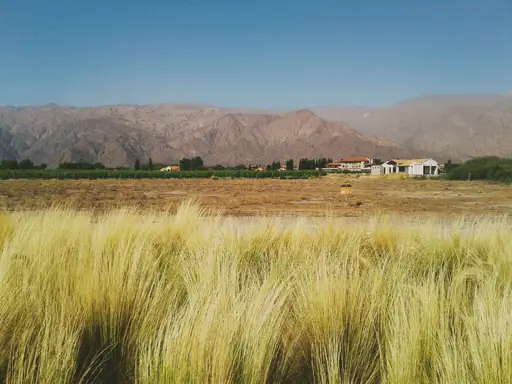
Colonial and relaxed, this city in northwest Argentina is known for small baked empanadas with juicy fillings. Salteña empanadas are filled with hand cut beef, onion and potato and are sealed with a decorative fold. Mercado San Miguel has stalls with humitas, tamales and empanadas. Local peñas serve folk music with empanadas in the evening.
City in Ecuador
Quito
Andean Charm Meets Colonial Splendor
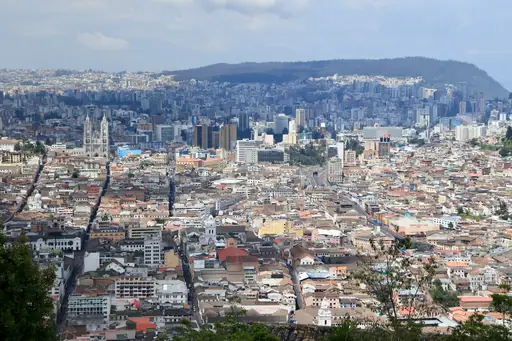
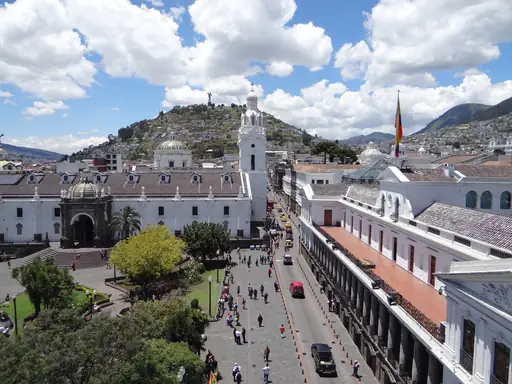
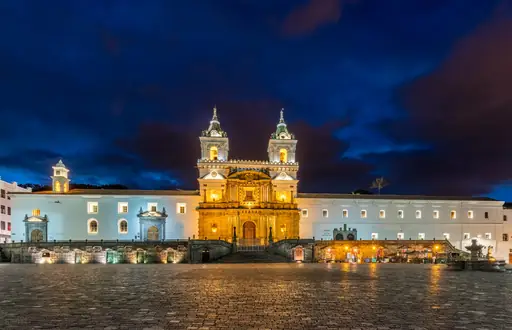
Set high in the Andes at about 2,850 metres, this city has street food that is cheap and filling. Empanadas de viento are large fried cheese pastries dusted with sugar. Hornado is roast pork served with potato patties called llapingachos, often at market stalls. Mercado Central in the old town has many such stalls.


City in Peru
Cusco
Gateway to the Incan Empire's Heart
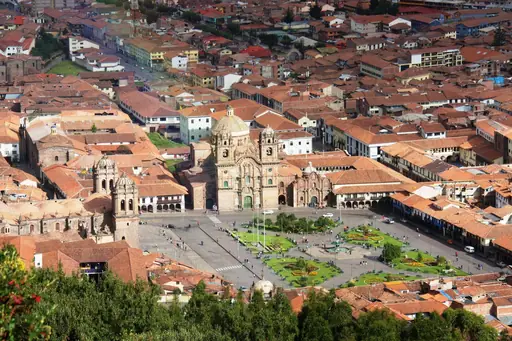
Compact and historic, this Andean city at 3,400 metres has street food that is hearty and cheap. San Pedro Market has juice stalls, tamales and soups for breakfast. Anticuchos are grilled skewers of beef heart sold from street carts in the evening. Drink chicha morada, a sweet purple corn drink, with snacks.

City in Colombia
Medellín
The City of Eternal Spring
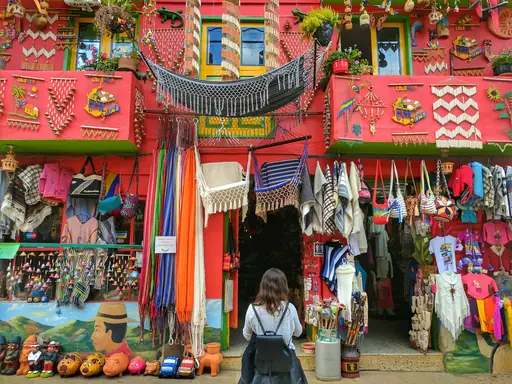
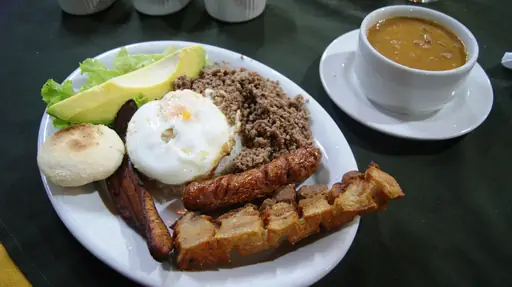
Locals in this city eat arepas at almost every meal and street vendors grill them with cheese. Buñuelos are fried cheese balls and empanadas are common snacks from carts. Plaza Minorista is a huge market with stalls selling fruit and cooked food. Temperatures stay near 22 degrees Celsius all year.

City in Brazil
Rio de Janeiro
The heartbeat of Brazil's coast
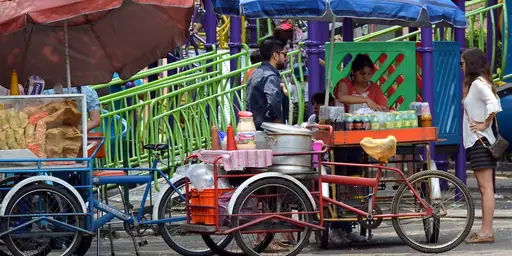
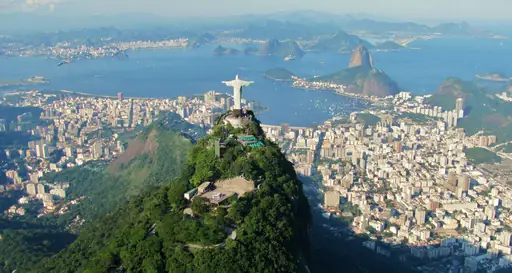
Portuguese, African and Indigenous traditions all shaped the street food of this city. Pastel, a thin fried pastry, is sold at weekly street markets with sugarcane juice. Beach vendors sell Biscoito Globo snacks, grilled cheese on sticks and iced mate. Açaí bowls and cheese bread are common at snack bars.

City in Brazil
São Paulo
A vibrant mix of culture and cuisine
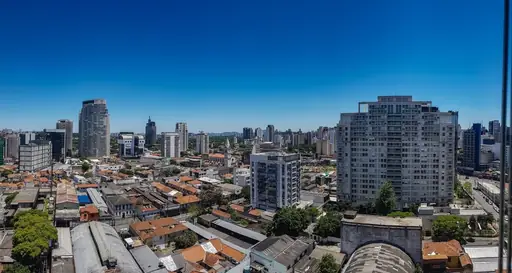
Weekly street markets called feiras are held on different streets of this city. Stalls sell fresh fruit, fish and pastel, a large fried pastry with fillings such as cheese or meat. The Liberdade district has Japanese street food such as yakisoba and taiyaki. Coxinha, a fried chicken croquette, is sold at snack bars.
City in Chile
Santiago
A vibrant city between mountains
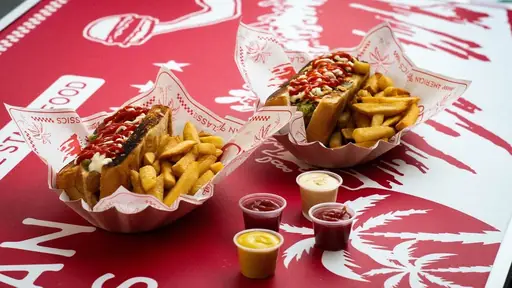
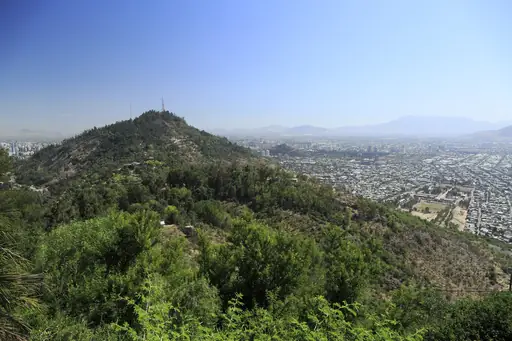
Summers are hot and dry in this city, with highs above 30 degrees Celsius, so cold drinks are popular. Mote con huesillo is a sweet peach and wheat drink sold from carts. Sopaipillas are fried pumpkin dough served with pebre sauce on cool rainy days. Completos are hot dogs topped with avocado, tomato and mayonnaise.
City in Bolivia
La Paz
Where Altitude Meets Adventure and Culture
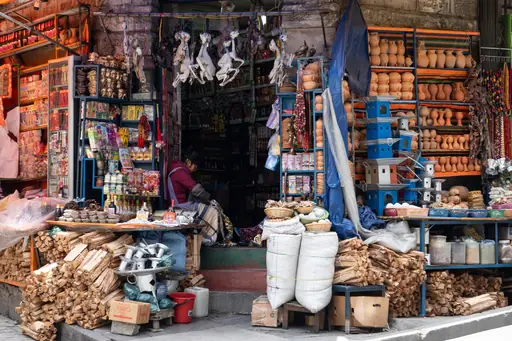
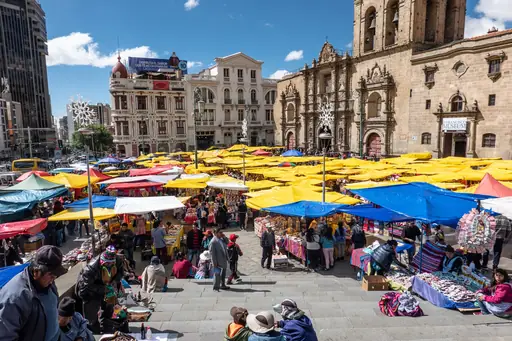
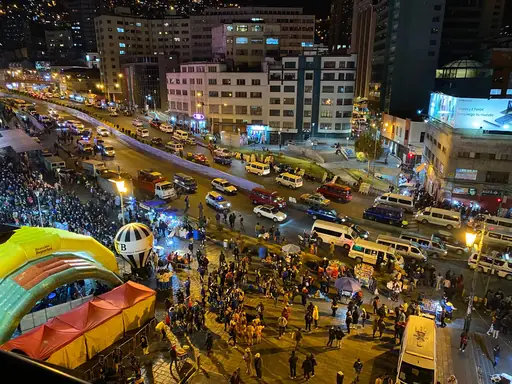
As Bolivia's seat of government at about 3,600 metres, this city has filling and cheap street food. Salteñas, baked pastries filled with meat or chicken and a juicy sauce, are a morning snack. Api morado, a hot purple corn drink, comes with fried pastries at breakfast stands. Salteñas often sell out by midday.

City in Uruguay
Montevideo
Chill vibes on the Río de la Plata
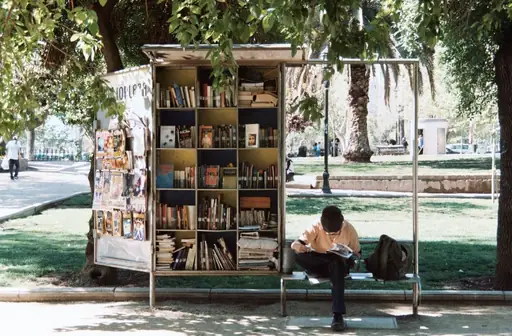
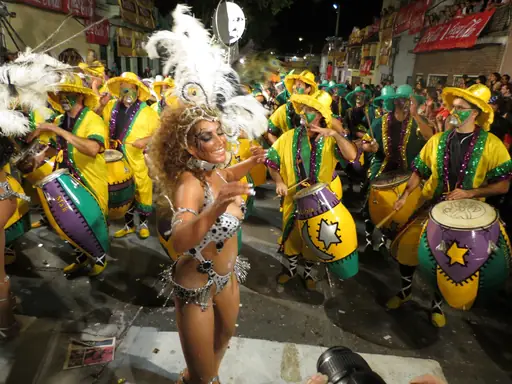
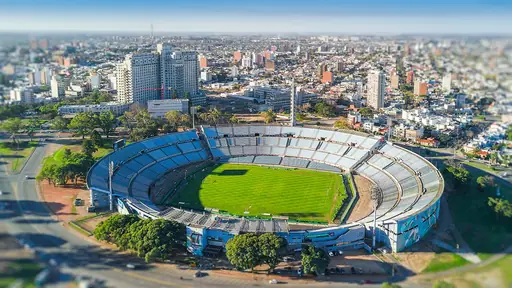
Compared with its neighbour Buenos Aires, this capital is smaller and calmer, yet it has a strong grill culture. Chivito is a steak sandwich with ham, cheese, egg and tomato. The Sunday Tristán Narvaja market has food stalls along with antiques and books. On rainy days many Uruguayans eat torta frita, a round fried dough.
City in Peru
Lima
Historic Charm Meets Coastal Vibes
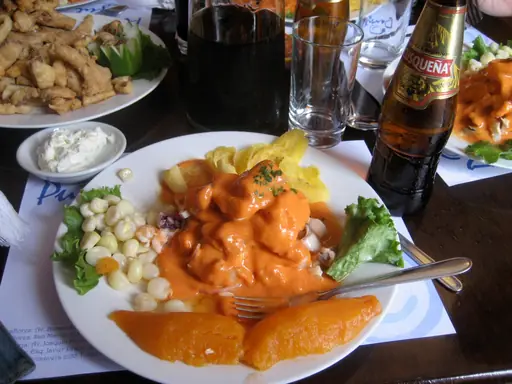
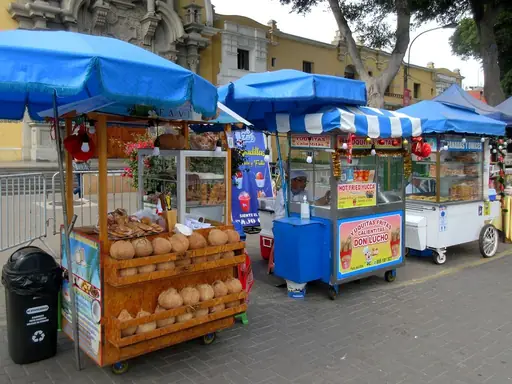
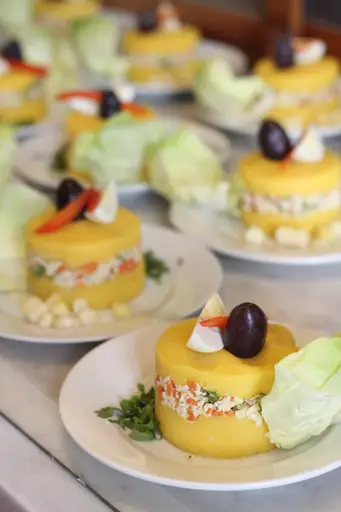
Summers from December to March are warm and sunny in this coastal city, with highs near 27 degrees Celsius. Winters are cool and grey with light mist, so hot snacks are welcome. Anticuchos, picarones and butifarra sandwiches are sold at stalls in Barranco and Miraflores. Surquillo Market has ceviche and juice stands.
Other lists you may like

Discover
Top street food cities and local culinary markets
The best street food destinations treat the cart, stall or hawker counter as a serious culinary format rather than a budget substitute for a real meal. In cities with strong street…
Read more
Discover
Best street food destinations in Africa
Africa's street food reflects ingredients and cooking methods that rarely make it onto restaurant menus, with grilling techniques and snack traditions operating on customs passed…
Read more
Discover
Best street food destinations in Asia
Walk through almost any city in Asia after dark and the real dinner rush is often happening on the sidewalk rather than inside a restaurant. Southeast Asia has some of the…
Read more
Discover
Best street food destinations in Europe
Street food is not the first thing most travelers associate with Europe, but the continent has quietly built a serious scene of its own in recent years. Western Europe's street…
Read more
Discover
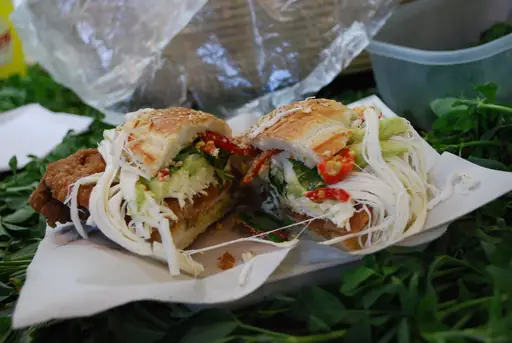
Best street food destinations in North America
North America's street food scene draws on immigrant communities from just about everywhere, so a single city block can offer flavors from several continents at once. Big cities…
Read more
Discover
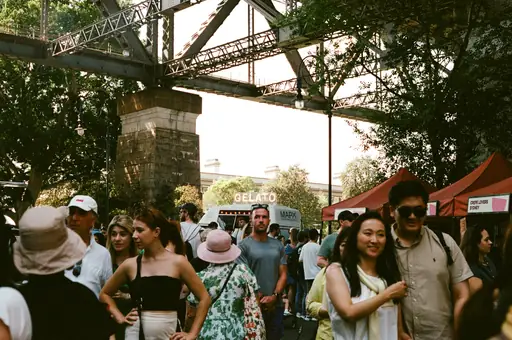
Best street food destinations in Oceania
Street food is a newer tradition in Oceania than in some other regions, but its cities have built a lively scene around markets and food trucks in a fairly short time.…
Read more
What other users say about travelfilters
“travelfilters made it easy for me to find ski areas and compare what else they offer, so that I could find the best place for my personal travel style.”

Chris
Snowboarding & Onsen trip to Japan
“I love how transparent the data feels. There is no pushy upsell, just honest information and settings I can tune to my own travel style.”

Maria
After booking her 2027 winter escape
“The level of detail for each destination and how well those are displayed, make planning feel confident instead of overwhelming.”

Mina
Planned a week in New York City
“We used travelfilters for our planning from start to end. The trip turned out even better than expected, thanks to all their tools and customisation options.”

Allan & Etienne
Trip to Japan to see autumn foliage
“Thanks to travelfilters, I found some hidden gems to see. Being able to filter for exactly your interests is a game changer for my travel planning.”

Michael
Tour through the old cities of Northern Italy
“The customizable filters helped me find a quiet beach town with good wifi and low season crowds in under five minutes.”

Diego
Weekend Escape to Llanes, Spain
“The airport connection map saved me hours by showing good flight options from my home airport to lesser-known cities.”

Nguyen
Planning a 2027 trip to France
“The website is clean, fast and focused on the search itself, which makes travelfilters feel more like a professional tool than an ad-heavy booking site.”

Hassan
Christmas Market trip, Germany
