Back to grid

Best destinations to visit in July in South America

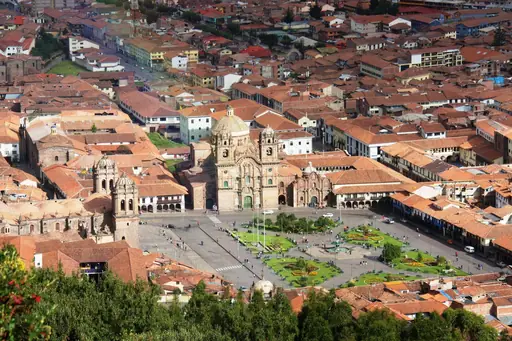
Cusco
Gateway to the Incan Empire's Heart
8.4
Sacsayhuamán fortress was started by the Killke culture around 1100 AD and expanded by the Inca. July is the coldest month at an average of 49.5°F. It falls in the dry season with high sunshine and little rain. Cusco stands at about 11,200 feet and was the Inca capital until 1532.
Highlights:
  • 🏛️ Stroll through Plaza de Armas and admire colonial architecture
  • 🏔️ Take the train or trek to the awe-inspiring Machu Picchu
  • 🧱 Visit the ancient Inca site of Sacsayhuamán overlooking the city
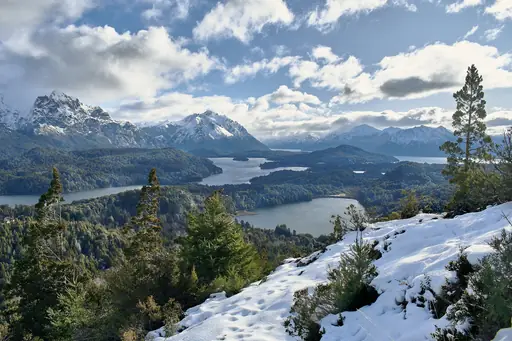
San Carlos de Bariloche
Argentina’s Alpine Wonderland
7.4
The city centre was redesigned in the 1930s to resemble a European alpine town, earning the nickname Little Switzerland. Chocolate is a local speciality. Most tourists visit in winter from roughly June to September. Cerro Catedral is described as the largest ski resort in South America. Winter daytime temperatures run from 34 to 46°F.
Highlights:
  • 🏘️ Explore the Bavarian-style Centro Cívico and museums
  • 🥾 Hike the scenic trails of Nahuel Huapi National Park
  • 🚡 Take a cable car to Cerro Otto for panoramic views
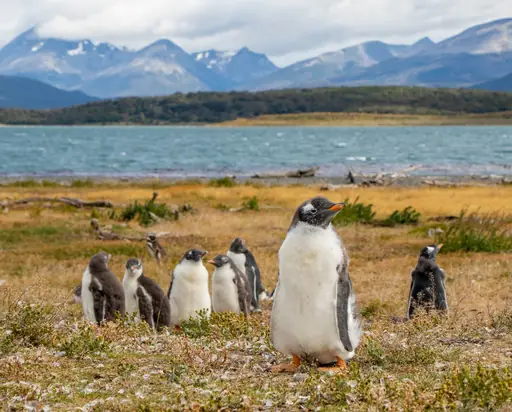
Ushuaia
End of the World Adventures
7.0
Cerro Castor opened in 1999 about 17 miles north of town. It is called the southernmost full fledged ski resort in the world. The season typically runs from June to October. July averages 34°F and winter daylight lasts just over 7 hours. The summit reaches 3,291 feet.
Highlights:
  • 🥾 Hike to Laguna Esmeralda surrounded by snow-capped peaks
  • 🚂 Take the End of the World Train to Tierra del Fuego National Park
  • 🚢 Cruise through the Beagle Channel and spot sea lions
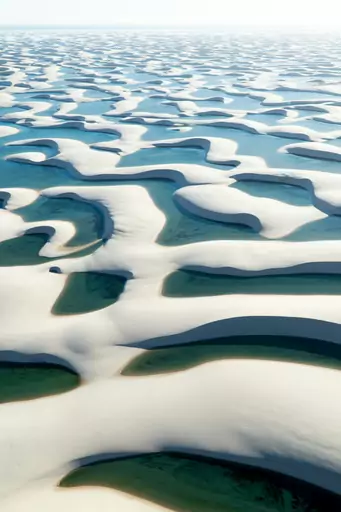
Lençóis Maranhenses National Park
Otherworldly dunes with turquoise lagoons
6.9
Established on 2 June 1981, the park covers about 600 square miles of dunes. Some dunes reach 130 feet. Rain from January to June fills the valleys between dunes with freshwater lagoons. Lagoon water ranges from 82 to 90°F. Lagoons evaporate up to about 3 feet a month in the dry season.
Highlights:
  • 🌅 Watch the sunrise reflect on the mesmerizing lagoons
  • 🚙 Take a thrilling 4x4 ride across the vast dunes
  • 💧 Swim in the turquoise lagoons after a hot dune trek
Pantanal Matogrossense National Park
World's largest tropical wetland paradise
7.6
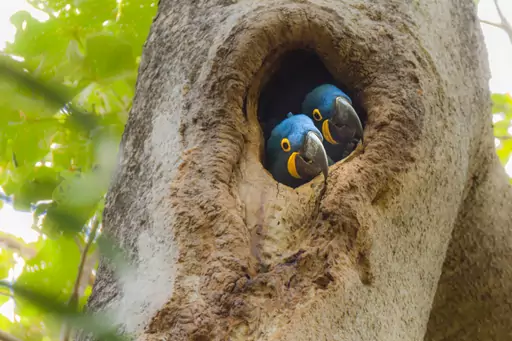
The world's largest tropical wetland covers up to about 75,000 square miles. Most rain falls from November to March. Roughly 80% of the floodplains are then submerged. June is the driest month. Jaguar numbers here are among the largest and healthiest on Earth. The wetland supports 463 bird species.
Highlights:
  • 🐎 Experience horseback riding across flooded plains and trails
  • 🛶 Take a boat tour through the Pantanal’s winding waterways
  • 🐆 Join a guided wildlife safari to spot elusive jaguars
Machu Picchu
Lost Inca city among clouds
July falls in the dry season, when monthly rainfall drops to about 2 to 3 inches. The citadel at 7,970 feet dates to around 1450 and was likely an estate of the Inca emperor Pachacuti. The daily limit rose to 4,500 visitors in 2024, with up to 5,600 allowed in peak season. Book early.
Highlights:
  • 🏛️ Explore the ancient Inca temples and ceremonial sites
  • 🥾 Climb Huayna Picchu for panoramic mountain views
  • 🌅 Watch sunrise from the iconic Guardian’s House viewpoint
Portillo
Alpine elegance meets Chilean winter wonderland
8.8
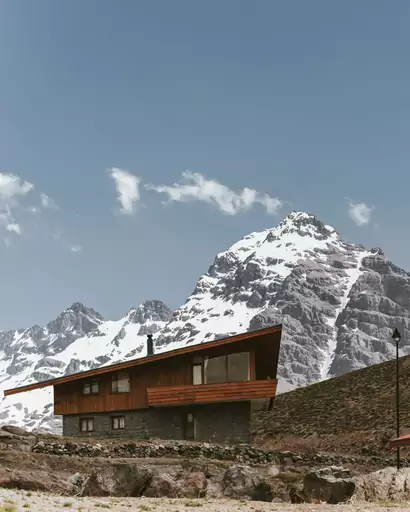
The ski season typically runs from mid June to early October. Hotel Portillo, owned by the Purcell family, stands at 9,450 feet. The ski area opened in 1949 and hosted the Alpine World Ski Championships in August 1966. Fourteen lifts serve 35 named runs. Santiago lies about 100 miles away by road.
Highlights:
  • 🍖 Enjoy a traditional Chilean barbecue at a local lodge
  • 🏘️ Stroll through the historic wooden town center
  • 🎿 Ski down Portillo's world‑class pistes in winter
Valle Nevado
Snow‑kissed peaks and alpine serenity
9.1
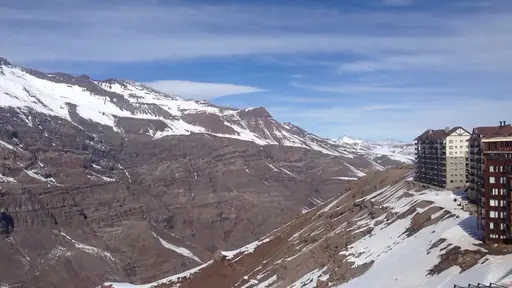
French entrepreneurs founded the resort in 1988, 29 miles east of Santiago. The base lies at 9,843 feet. Skiable terrain covers 2,224 acres with 34 marked runs. Sixteen mechanical lifts serve them. Snowfall averages about 290 inches a year. The season traditionally runs from June to October.
Highlights:
  • 🚠 Take a cable car ride for panoramic Andes views
  • ⛷️ Ski or snowboard on world‑class pistes during winter season
  • 🏔️ Hike to the summit of Valle Nevado ski resort
Salar de Uyuni
World's largest surreal salt mirror
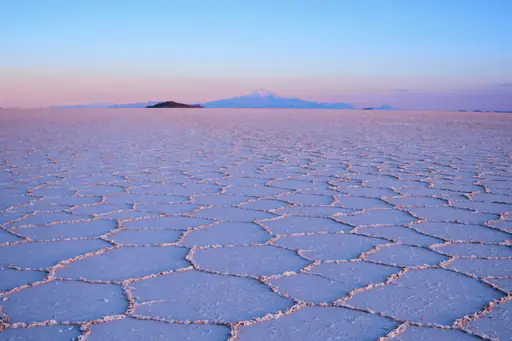
Salt stretches across 4,086 square miles at roughly 12,000 feet, making it the world's largest salt flat. April to November brings only 0.04 to 0.12 inches of rain a month. Nights stay cold year round at 16 to 41°F. Incahuasi Island has giant cacti up to about 39 feet tall.
Highlights:
  • 🚂 Explore the eerie Train Cemetery near Uyuni town
  • 🌵 Visit Incahuasi Island and climb among giant cacti
  • 📸 Take surreal photos with salt flat perspective illusions
Feedback